
Appetite loss is a serious concern for many older adults and people undergoing cancer treatment. When you are not eating enough, your body loses important nutrients and muscle mass. This can make you feel weak and slow down your recovery. Many seniors and their caregivers are exploring different options to help, and some are turning to CBD (cannabidiol) as a possible solution.
Growing research suggests that CBD may help support appetite in certain situations. While we still have much to learn, the early findings are encouraging for people struggling with eating problems. If you or a loved one is dealing with appetite loss, understanding what CBD can and cannot do is important. Let's explore what the science tells us about CBD and appetite, how it might work, and what you should know before trying it.
Before starting any new supplement, it's wise to talk with your doctor. You can also learn more about Medicare coverage for CBD products to understand your options.
What the Research Says
Several scientific journals have published research on CBD and appetite. Studies in the Journal of Cannabis Research have looked at how cannabinoids affect eating behaviors and hunger signals in the body. Researchers have found that CBD may work differently than THC (the compound that gets you high), and it may help stimulate appetite through different pathways in the brain.
The Journal of Clinical Medicine has also examined CBD's potential benefits for cancer patients experiencing appetite loss. Some of this research shows promising results, though scientists note that more studies in humans are needed. A review in Nutrients journal found that CBD may support healthy appetite regulation, particularly in situations where appetite is suppressed due to illness or treatment.
It is important to note that while these findings are interesting, CBD is not approved by the FDA to treat appetite loss. Some research suggests that CBD may support appetite, but this is not the same as treating or curing a medical condition. Always talk to your healthcare provider about whether CBD might be right for your situation.
How CBD May Work for This Condition
To understand how CBD might help with appetite, we need to know a bit about how your body controls hunger. Your brain has special receptors called CB1 receptors. These receptors play a role in appetite and eating behavior. When these receptors are activated, they can make you feel hungry.
CBD works in a complex way in the body. Unlike THC, which directly activates CB1 receptors, CBD appears to work more indirectly. Some research suggests that CBD may help balance signals in your brain related to appetite and nausea. For cancer patients dealing with nausea from treatment, reducing that feeling might naturally help them eat more comfortably.
Additionally, CBD may support relaxation and reduce stress. For seniors and patients who feel anxious about eating or who have lost interest in food due to depression, feeling calmer might help them enjoy meals again. Some people also report that CBD helps them feel less nauseous, which can remove a barrier to eating.
Another possible benefit is that CBD may help with pain and discomfort. If pain is making it hard to eat, addressing that discomfort might indirectly support your appetite. You can learn more about CBD and how it interacts with other medications seniors take to get a complete picture.
Dosing Considerations for Seniors
If you are a senior thinking about trying CBD for appetite loss, dosing is an important topic. Seniors often need different doses than younger adults because their bodies process supplements differently. Many older adults take multiple medications, and their liver and kidneys may not work as quickly as they used to.
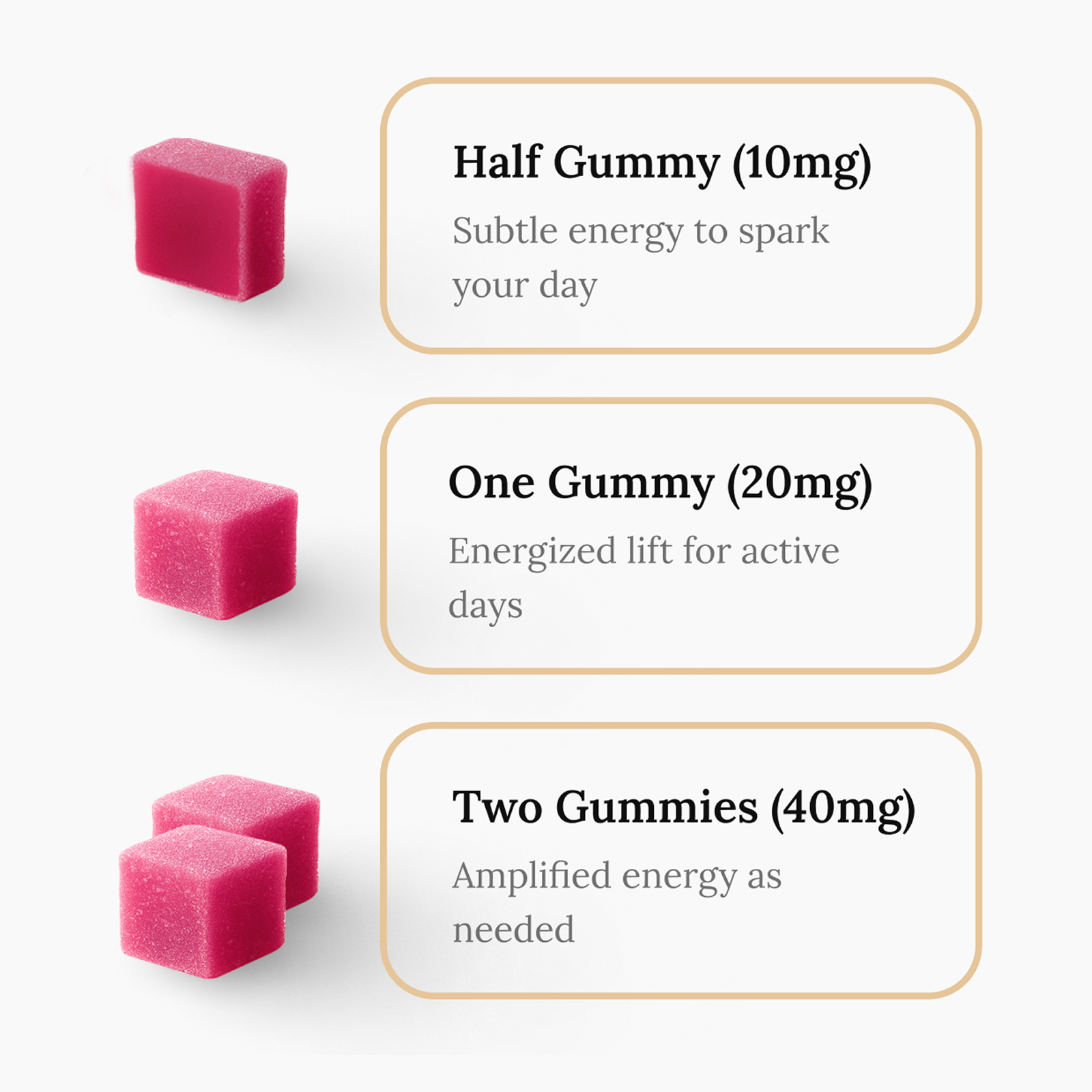
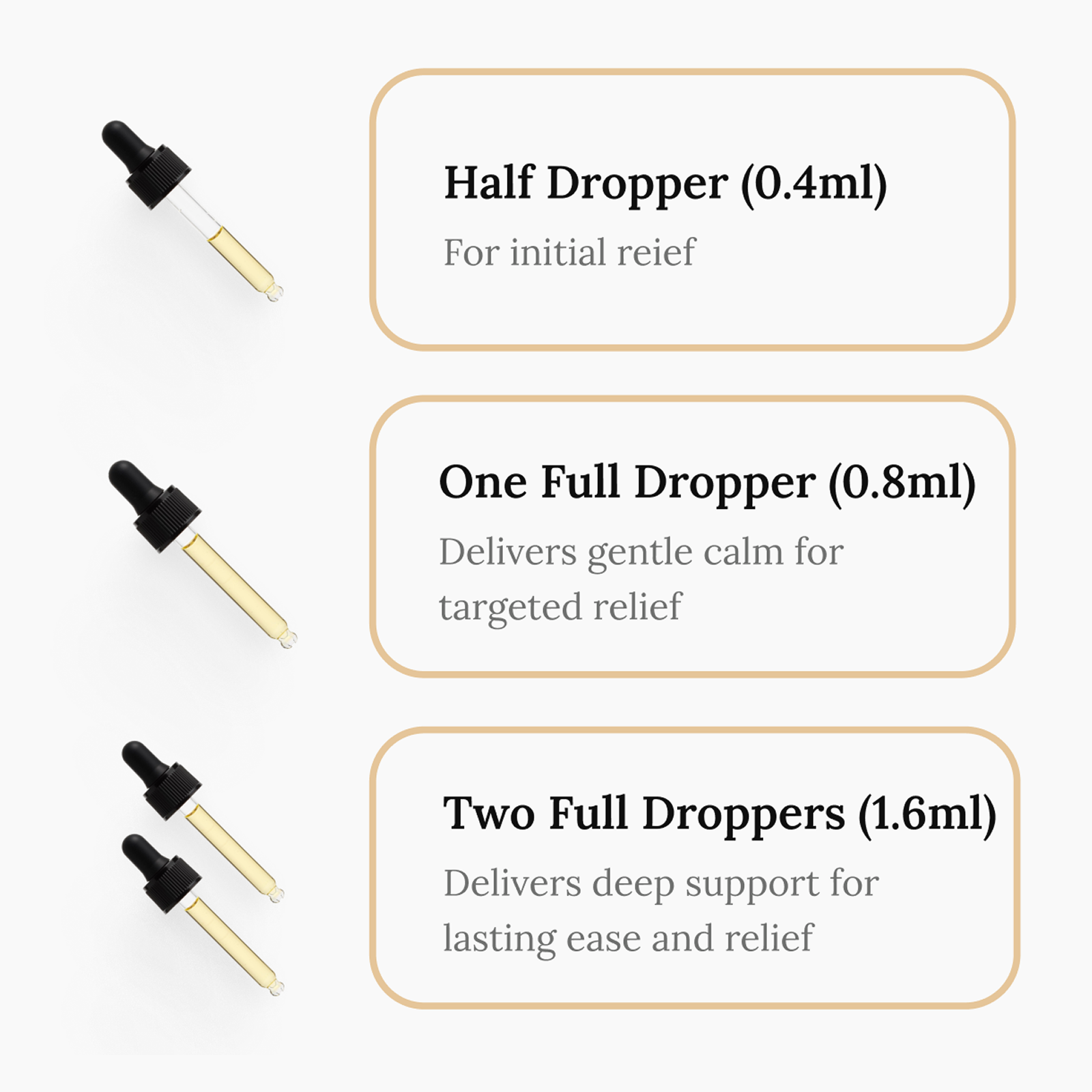
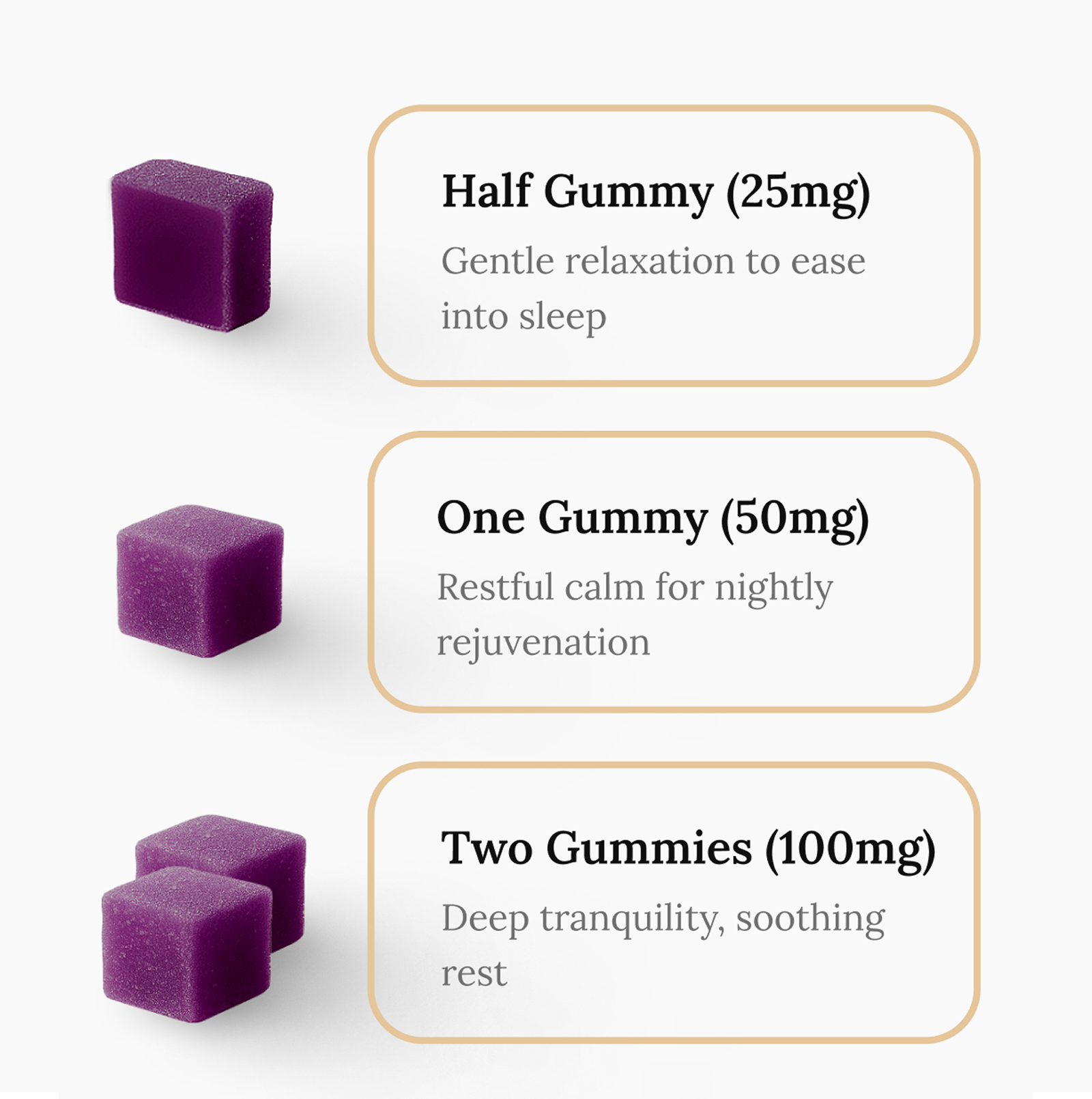
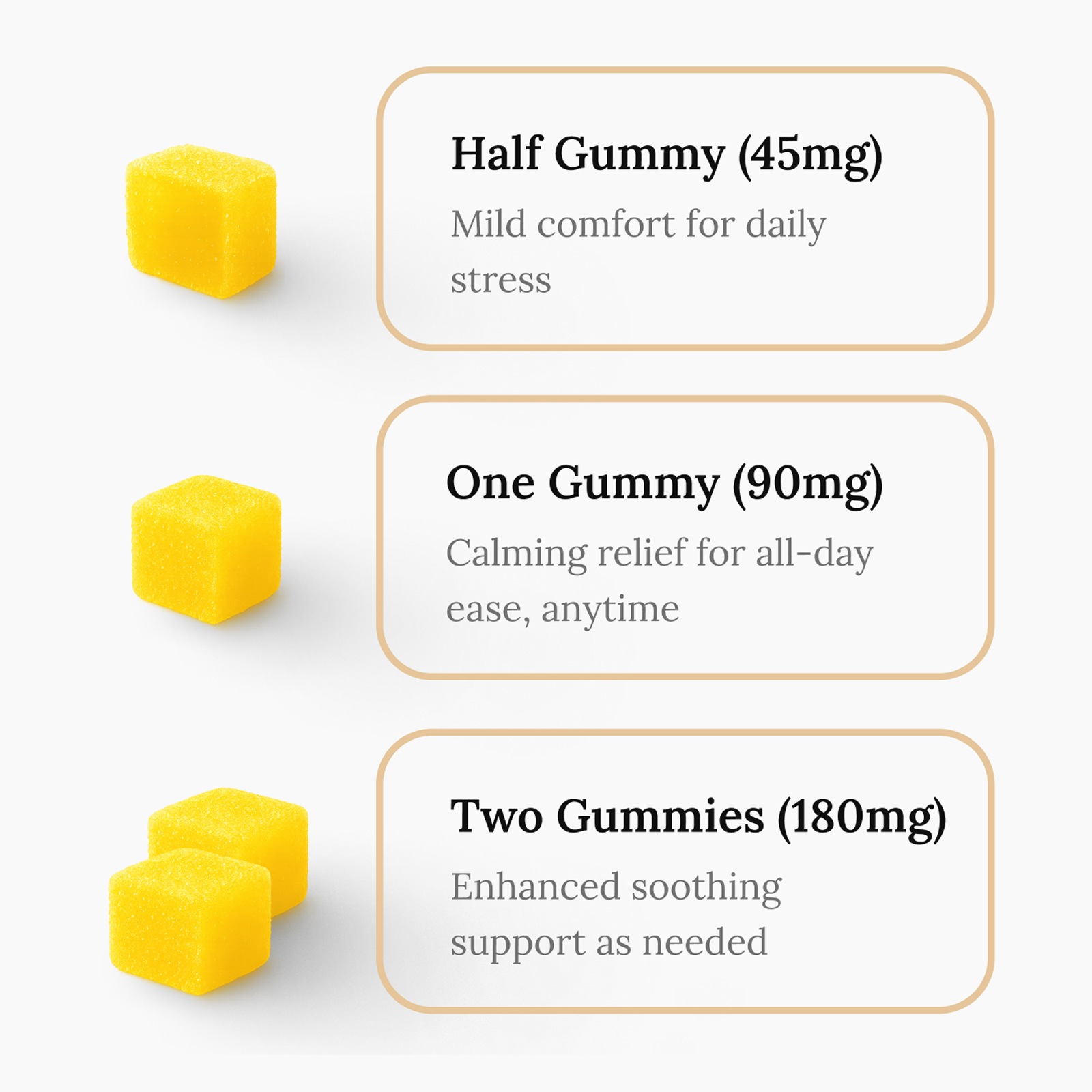
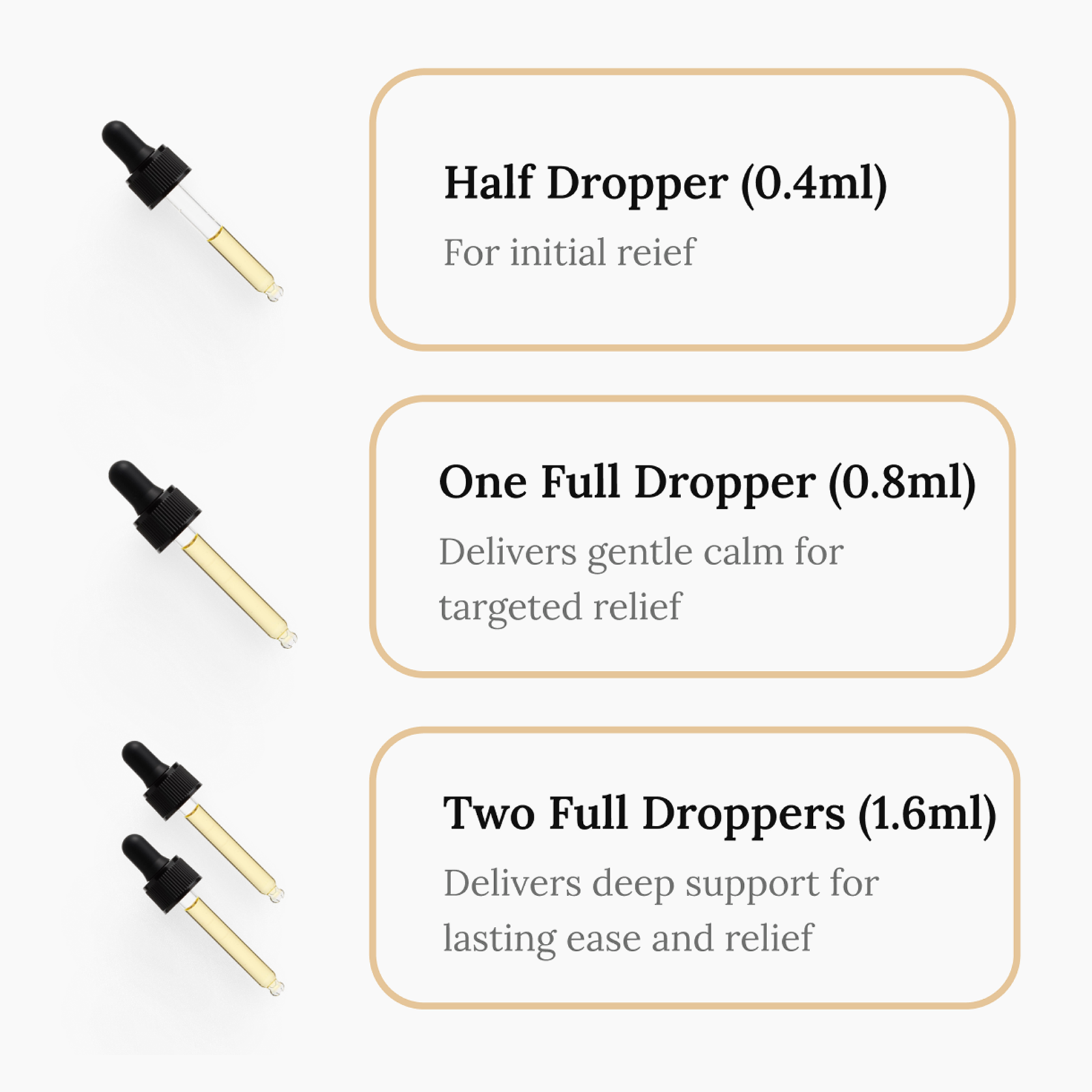
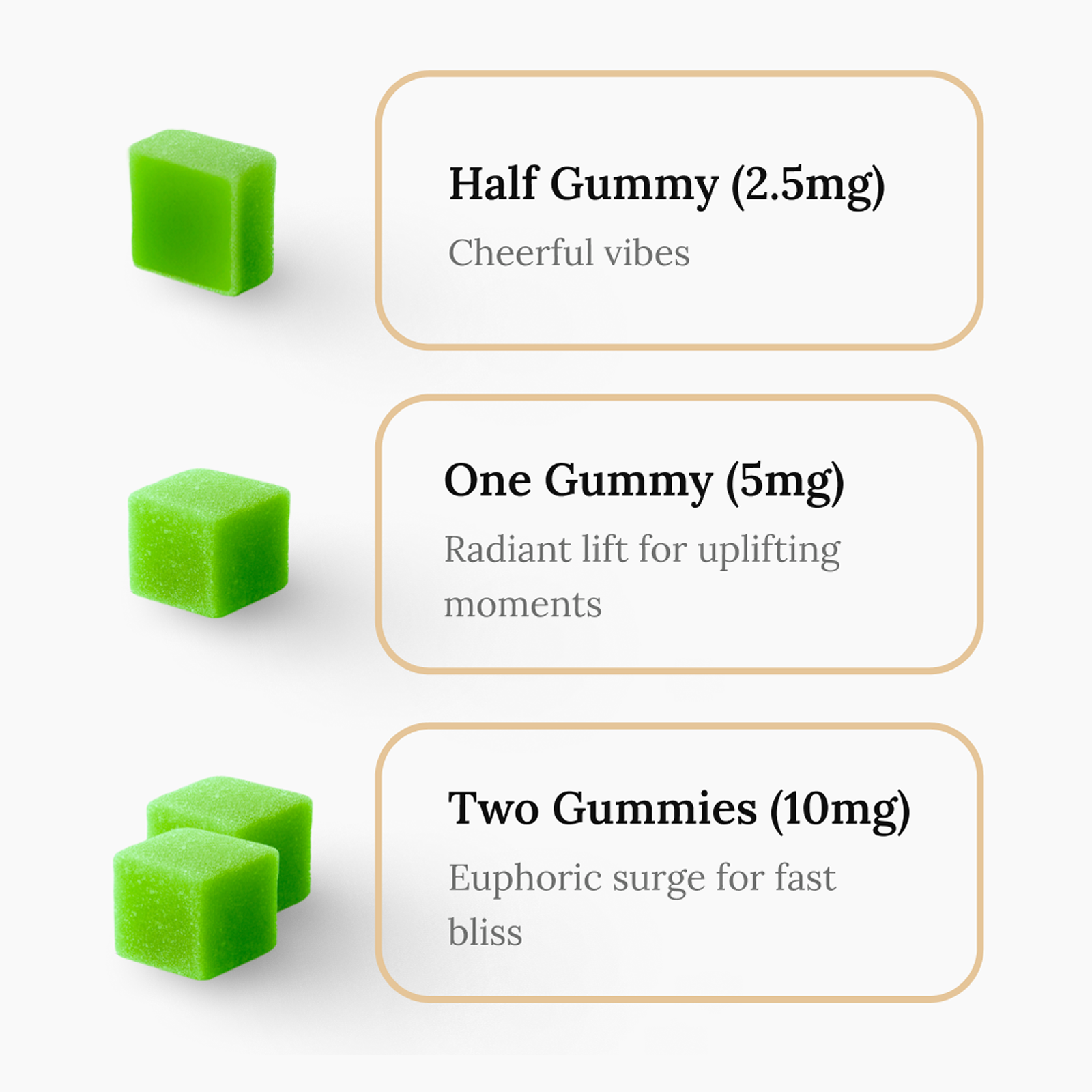
For seniors, starting with a lower dose and going slowly is usually the best approach. Most experts recommend beginning with a small amount, perhaps 5 to 10 milligrams of CBD per day, and then gradually increasing if needed. Every person is different, so what works for one person might not work for another.
The type of CBD product you choose also matters. Some products are oils that you place under your tongue, while others are gummies, capsules, or creams. Each type works differently in your body and may take different amounts of time to take effect.
For detailed guidance on dosing, read our complete CBD dosage guide for seniors. This resource will help you understand different product types and how to figure out the right starting dose for you.
Does Medicare Cover CBD for This Condition?
Medicare coverage for CBD is a question many seniors have. The answer is a bit complicated. Currently, Medicare does not cover CBD products in most situations because the FDA has not approved CBD as a treatment for appetite loss or most other conditions.
However, the rules around CBD are changing. Some seniors may have coverage through special programs or state programs. It is worth checking what your specific Medicare plan covers. You can find more information by visiting our pages on Medicare and CBD coverage and Medicare CBD eligibility requirements.
If Medicare does not cover CBD for you, you may want to explore other options. Some CBD products are available over the counter at reasonable prices. Always make sure you are buying from a trusted source that tests its products for quality and safety.
Next Steps
If you are interested in trying CBD for appetite loss, here are the steps to take:
Talk to Your Doctor First. Before starting CBD, schedule a conversation with your healthcare provider. They know your medical history, current medications, and health conditions. Your doctor can help you decide if CBD is safe for you and can watch for any problems. Learn more about how to talk to your doctor about CBD to prepare for this conversation.
If You Are a Caregiver. If you are helping a senior or cancer patient explore CBD options, you play an important role. Check out our CBD caregiver guide for tips on how to support your loved one safely.
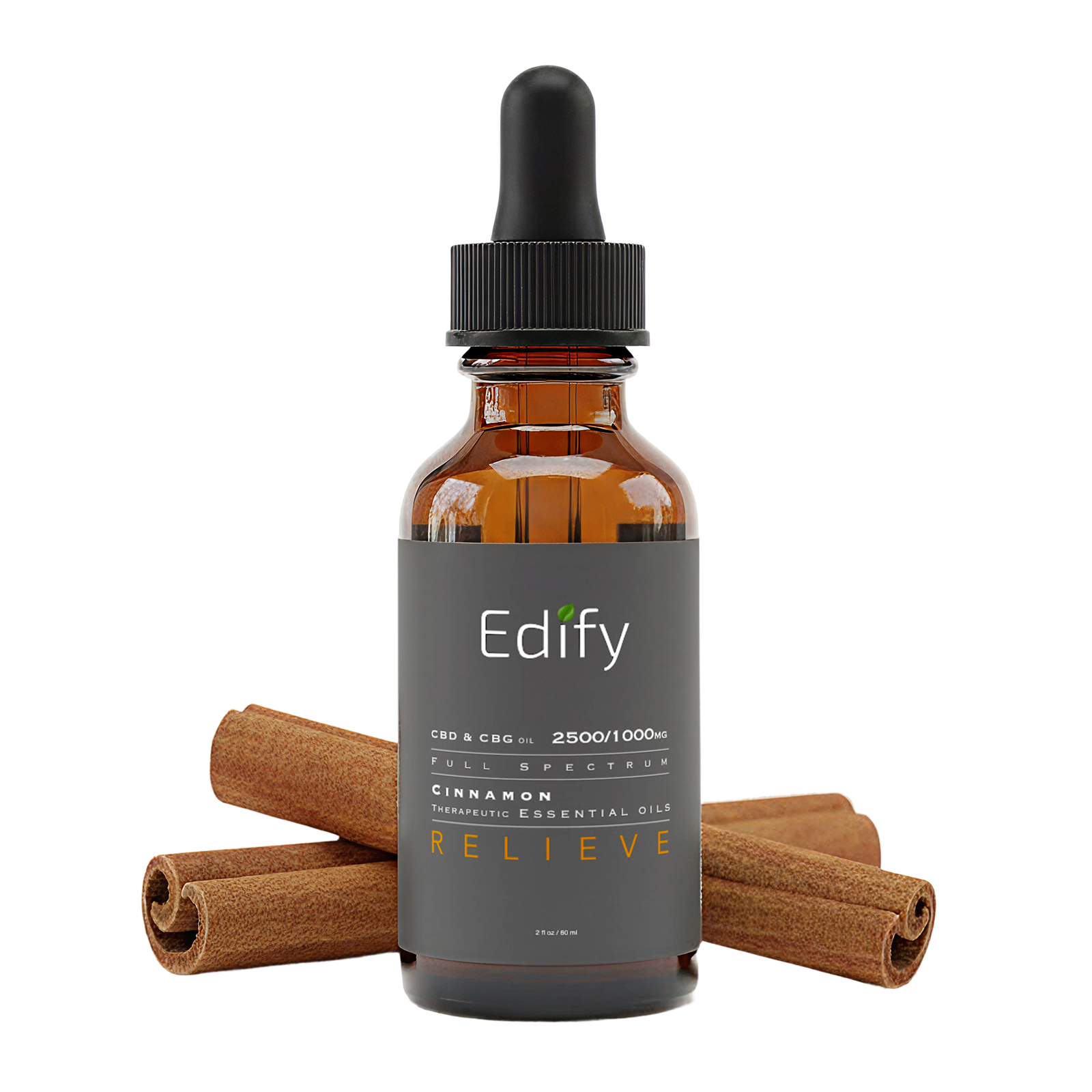
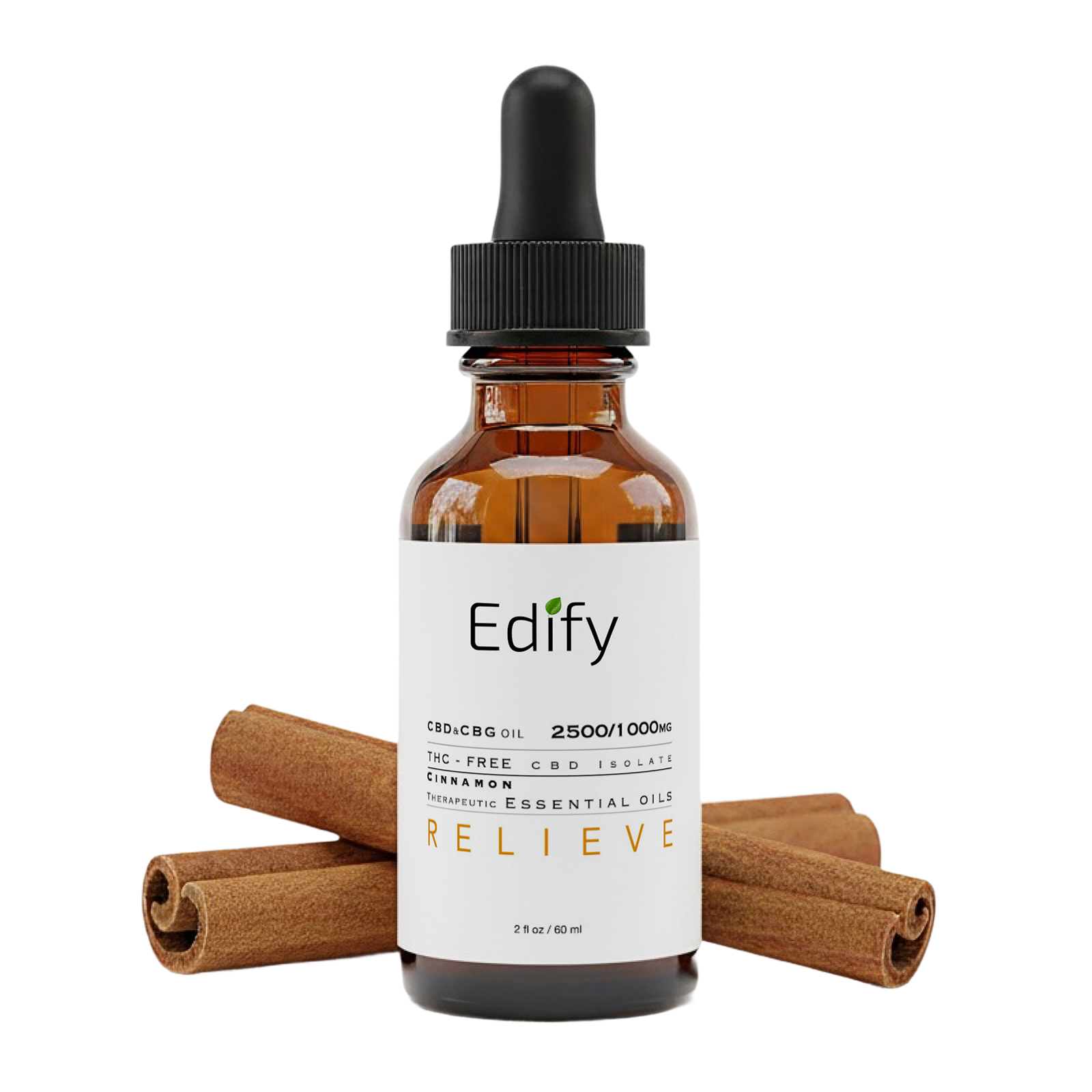
Choose Quality Products. When you are ready to try CBD, pick products from companies that test their items in independent labs. Look for third-party testing results and clear labeling. Our THC-free CBD oil with CBG is a good option for people wanting a pure, tested product.
Start Low and Go Slow. Begin with a small dose and give your body time to respond before increasing the amount. Keep notes about how you feel and whether your appetite is improving.
Monitor How You Feel. Pay attention to any changes in your appetite, energy level, or how you feel overall. If you notice any problems or if CBD seems to be helping, tell your doctor right away.
Appetite loss can be worrying, but you have options. While CBD may support appetite in some people, it is not a magic fix. Working with your healthcare team and exploring all available options gives you the best chance of feeling better and staying nourished.
Shop Edify CBD & Wellness Products
- CBD Gummies
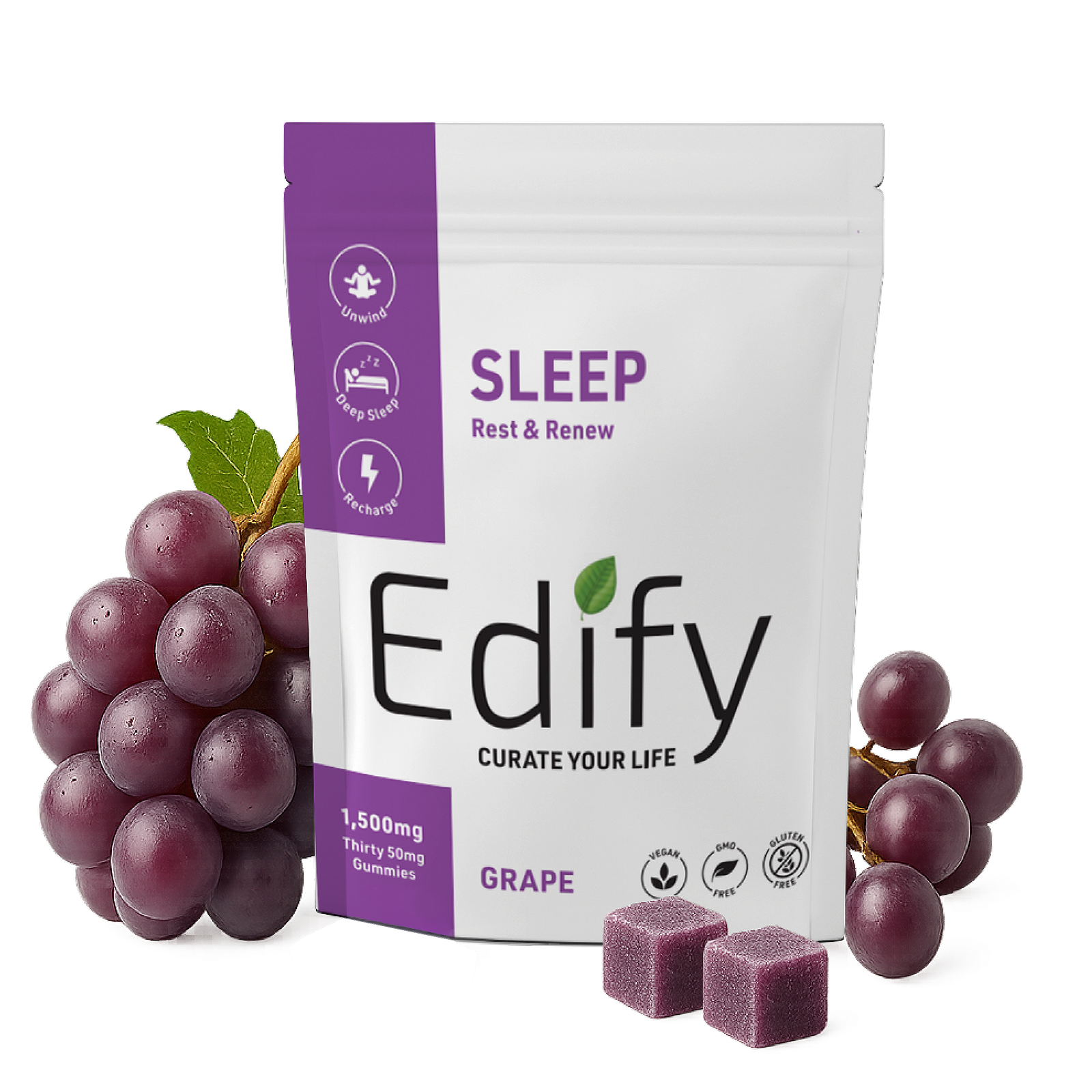
- Sleep CBD Gummies
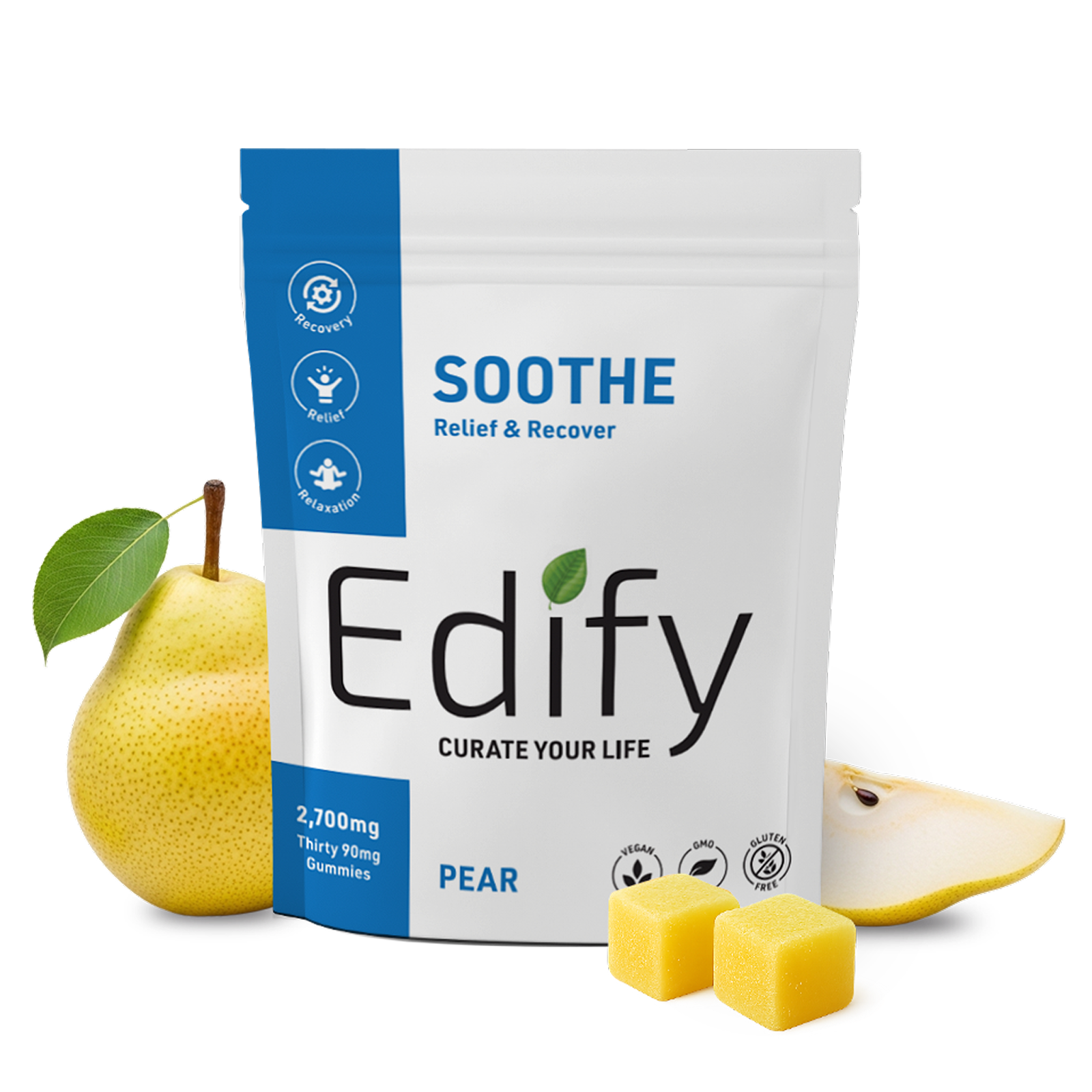
- Gummies for Pain Relief
- CBD Oil & Tinctures
- THC Gummies
- Mushroom Gummies
- CBN Gummies
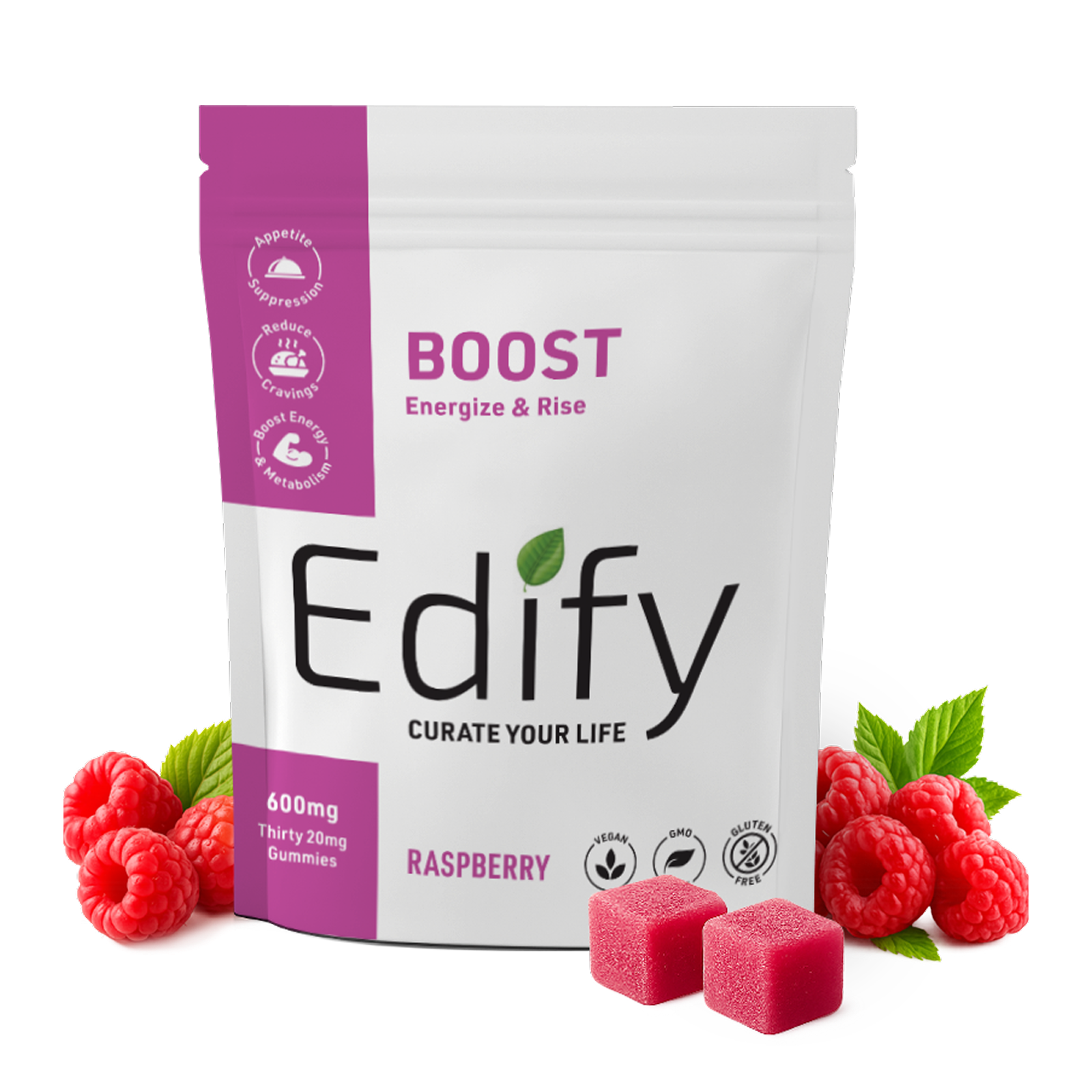
- Energy Gummies (THCV)
Medicare CBD Resources
- Does Medicare Cover CBD?
- Who Qualifies for Medicare CBD
- Medicare CBD Approved Products
- How the Medicare CBD Program Works
- Free CBD for Medicare Seniors
Written by the Edify Wellness Team
Disclaimer:












Share:
CBD for Chemotherapy Side Effects: What Oncology Patients Should Know
CBD for Back Pain: A Practical Guide for Seniors