
As an adult child or primary caregiver, you're already juggling a lot. Helping your parent or loved one navigate health decisions in an assisted living facility or nursing home adds another layer of complexity. One question that comes up more and more is about CBD: Can your parent use it? Should they? Will the facility allow it?
These are fair questions, and you're not alone in asking them. Many families are exploring CBD as a potential complement to their loved one's existing care routine. But when you're managing someone else's health in a facility setting, there's a lot to understand before moving forward.
This guide is here to help you make informed decisions about CBD in a care facility environment. We'll walk through what you need to know, how to talk with your parent's care team, and what practical steps you can take.
Understanding Your Facility's CBD Policy
The first thing to know: not all assisted living facilities and nursing homes have the same rules about CBD. Policies vary widely depending on the facility's state location, licensing requirements, and internal guidelines.
Some facilities allow CBD products under specific conditions. Others prohibit them entirely. A few haven't yet developed a formal policy, which can create gray areas and confusion.
Here's what you should do right away:
- Ask for the facility's CBD policy in writing. Don't rely on a casual conversation with one staff member. Request official documentation.
- Find out who makes decisions about supplements and alternative products. This is usually the facility's director, medical director, or pharmacy coordinator.
- Ask about the review process. If the facility doesn't currently allow CBD, ask whether they would consider it with proper documentation from your parent's doctor.
- Get specifics about what forms are allowed (or not allowed). Some facilities might accept oils or tinctures but reject edibles or topicals.
Bring a notebook or take notes on your phone. You want to have this information documented so you can reference it later if needed.
Talking to Your Parent's Care Team About CBD
Once you understand the facility's policy, it's time to involve your parent's medical team. This conversation is crucial, and it needs to happen before your parent starts using any CBD product.
Your parent's doctor needs to know about CBD because it can interact with other medications. This is especially important for seniors who may be taking multiple prescriptions. A medication interaction could cause unwanted side effects or reduce how well one of your parent's current medications works.
To prepare for this conversation:
- Gather a list of all your parent's current medications, supplements, and vitamins. Bring this list to the doctor's appointment.
- Be specific about why you're asking about CBD. Is your parent experiencing pain, sleep issues, anxiety, or something else? Doctors respond better to specific health concerns.
- Ask the doctor to review potential drug interactions. Our guide on CBD drug interactions for seniors can help you understand what questions to ask.
- Request a written recommendation if the doctor thinks CBD might be appropriate. This document helps with the facility and shows you've done your due diligence.
For more detailed guidance on having this conversation, check out our article on talking to your doctor about CBD.
CBD and Medicare: What You Should Know
Many adult children wonder whether Medicare will cover CBD for their parent. The answer is straightforward but worth understanding.
Medicare does not currently cover CBD products. This is because the FDA has not approved CBD as a medication for most conditions. While there is one FDA-approved CBD medication (Epidiolex, used for certain seizure disorders), standard CBD products fall into a different category.
This means that if your parent uses CBD, it will be an out-of-pocket expense. There's no insurance reimbursement.
This doesn't mean CBD isn't worth considering. But it does mean you should factor the cost into your decision. Quality CBD products for seniors are typically priced differently depending on strength, form, and brand.
For a deeper dive into how Medicare relates to CBD, visit our article on Medicare and CBD coverage.
Choosing the Right CBD Product for Your Senior Parent
If your parent's doctor supports using CBD and your facility allows it, the next step is choosing an appropriate product.
Not all CBD products are created equal. Seniors have different needs than younger adults, and products should be chosen with that in mind. Here's what matters:
- Third-party testing: Look for products that have been tested by an independent lab. This ensures the product contains what the label says it does.
- Starting low: Senior bodies metabolize products differently. A lower dosage is usually the right starting point.
- Easy administration: If your parent has difficulty swallowing or has dexterity challenges, avoid products that are hard to use. Soft gels or tinctures with droppers are often easier than capsules.
- No added ingredients: Keep it simple. Your parent doesn't need extra flavors, colors, or unnecessary additives.
One product designed with seniors in mind is Edify Wellness Senior CBD Softgels. These are formulated in smaller doses appropriate for older adults, are easy to swallow, and come from a company that prioritizes quality and testing. They're a practical option that many caregivers have found works well in facility settings.
Keeping Track and Following Up
Once your parent starts using CBD (if that's what you decide), your work as a caregiver isn't done. You'll want to monitor how it's going.
Keep a simple log:
- What product is your parent using, at what dose, and how often?
- How does your parent seem to be responding? Are they reporting any changes (positive or negative) in how they feel?
- Are there any side effects or unexpected reactions?
- Is the facility staff noticing any changes in your parent's mood, pain levels, sleep, or behavior?
Share this information with your parent's doctor at their next appointment. After a few weeks of use, the doctor may want to adjust dosage or explore other options if CBD doesn't seem to be helping.
Also, stay informed. Read our article on CBD for caregivers to keep learning as your parent's situation evolves.
Final Thoughts
Navigating CBD in an assisted living or nursing home setting takes patience and communication. There's no one-size-fits-all answer. What works for one family might not be right for another.
The key is to approach it step by step: understand the facility's policy, talk with the doctor, choose a quality product if appropriate, and monitor how it goes. By staying involved and informed, you're honoring your role as your parent's advocate.
If you have questions or need more information, your parent's care team is always a good starting point. And remember, decisions about CBD can be revisited over time if circumstances change.
Shop Edify CBD & Wellness Products
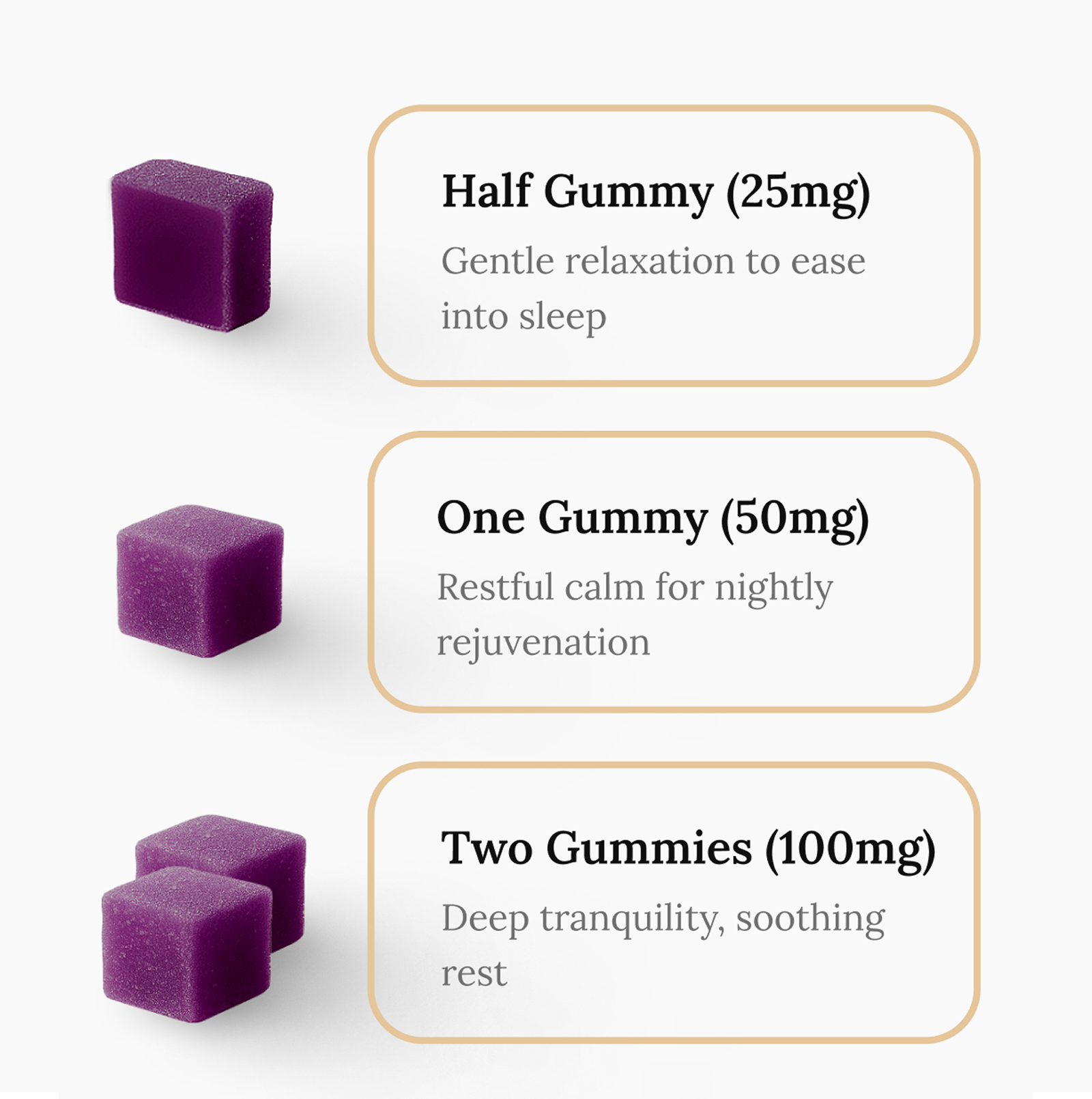
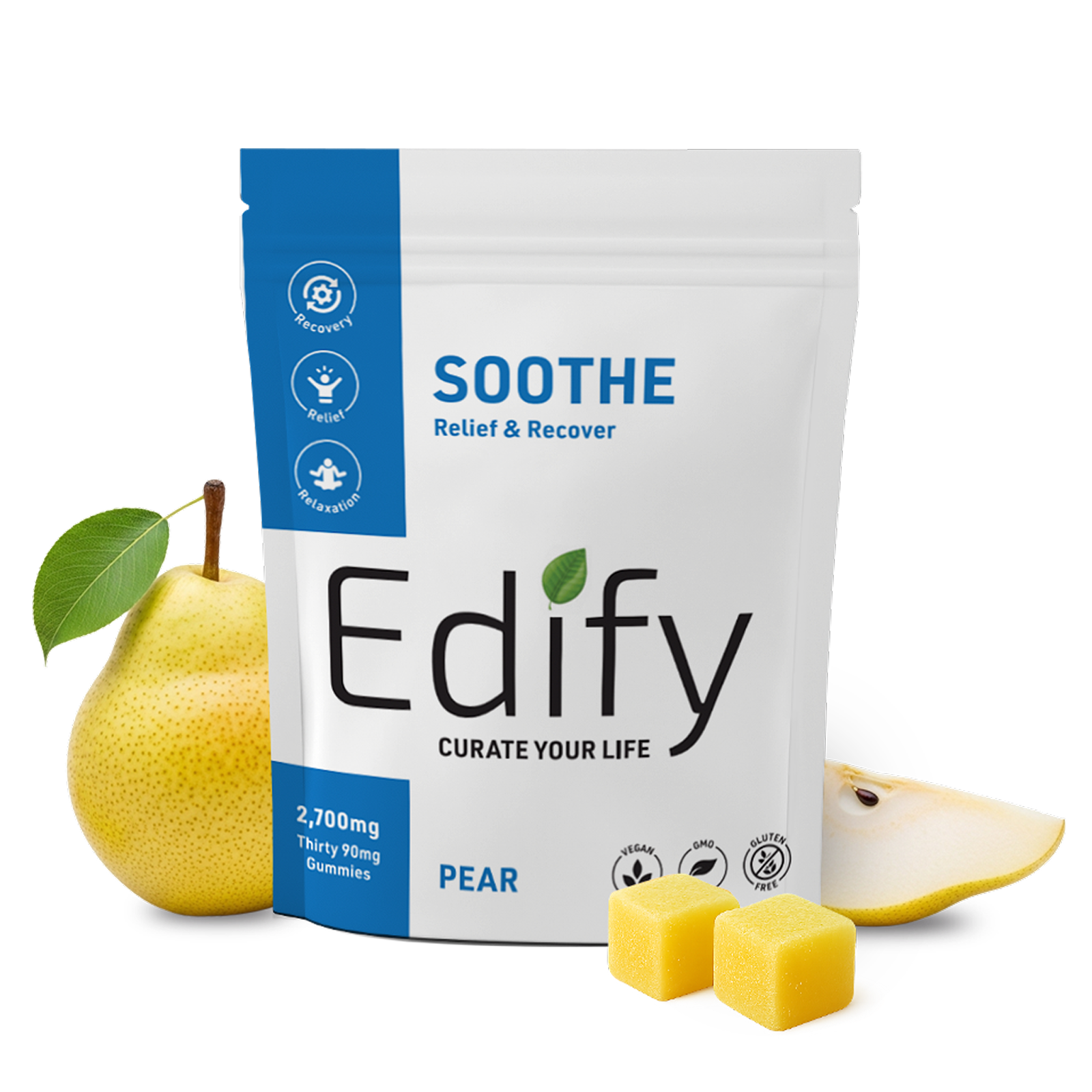
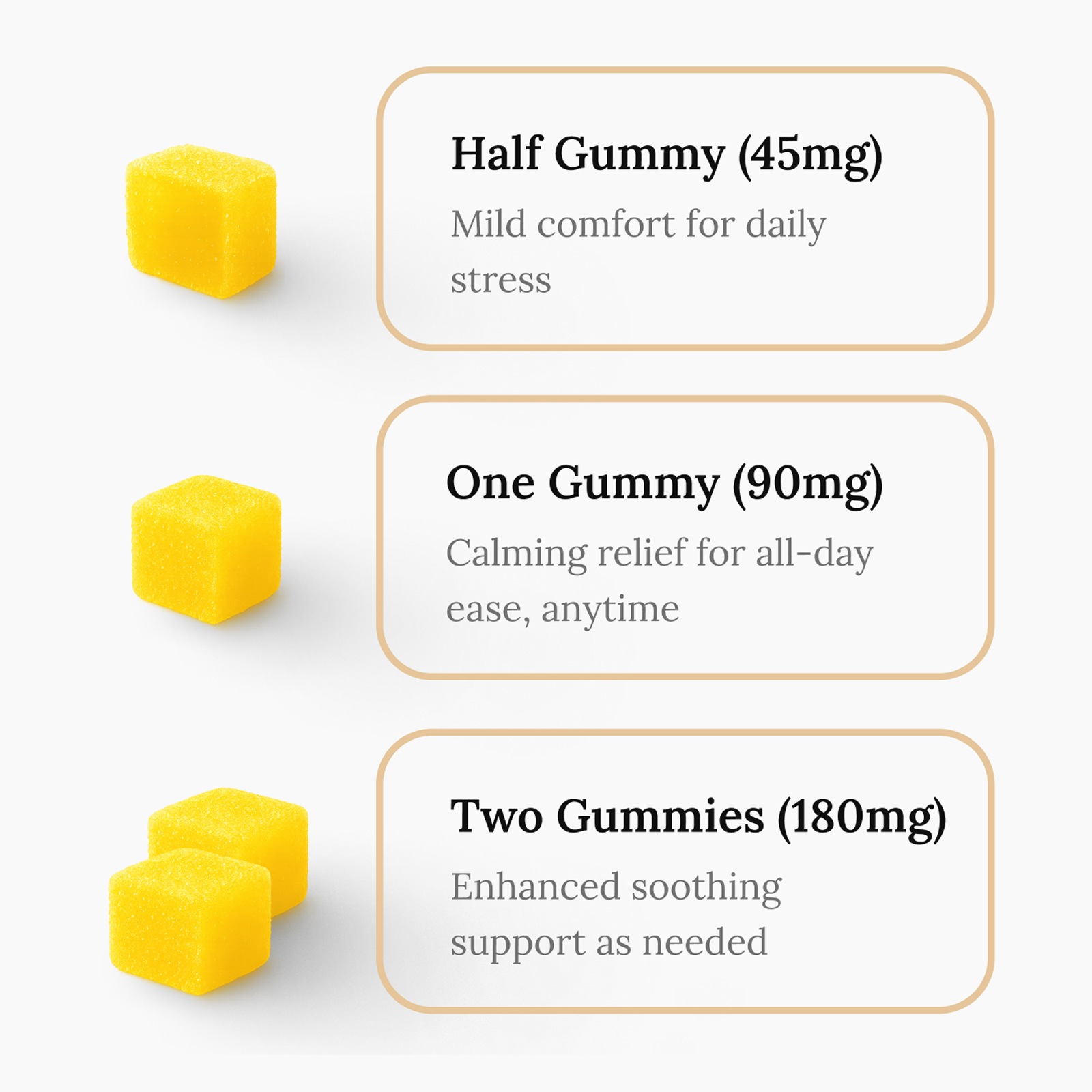
- CBD Gummies
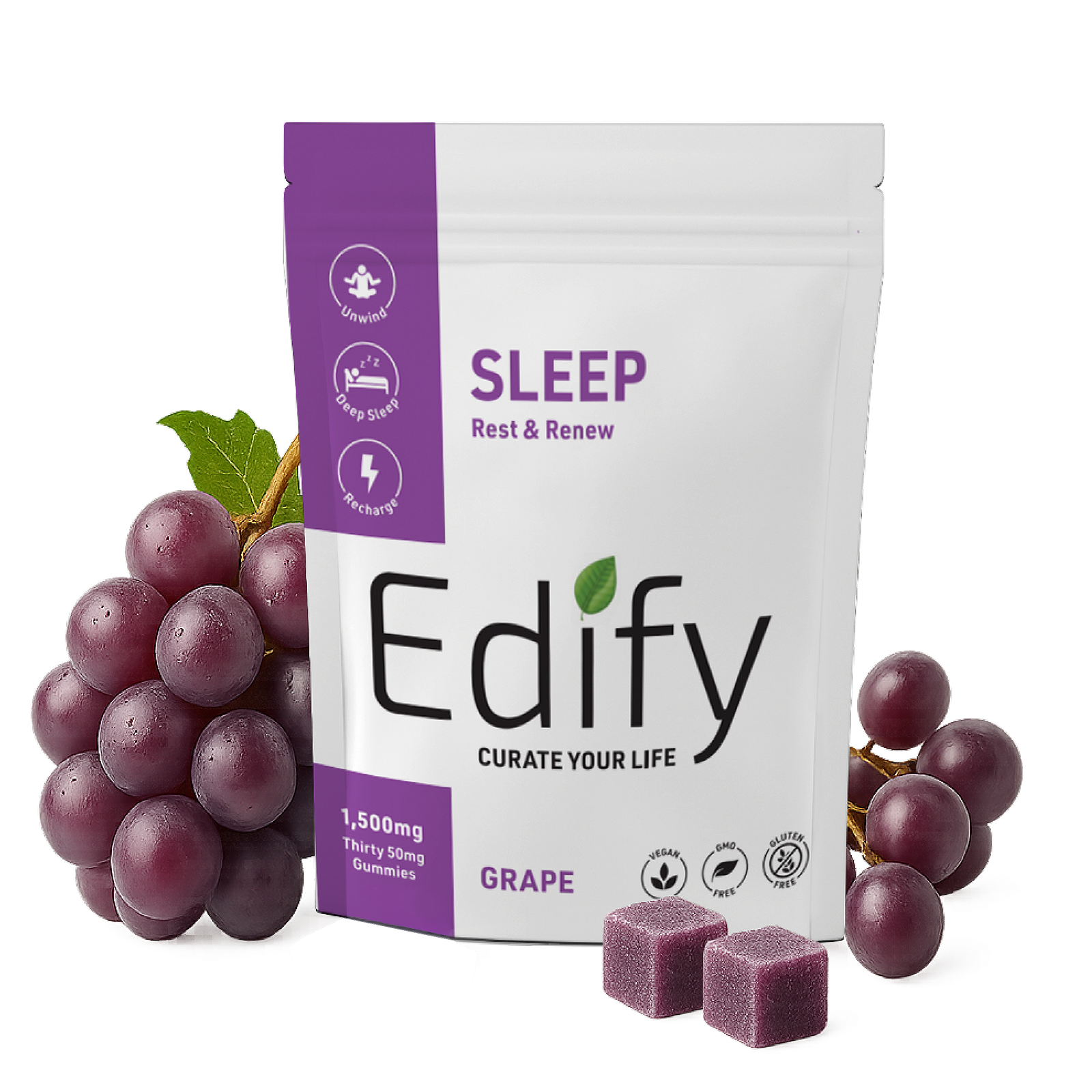
- Sleep CBD Gummies
- Gummies for Pain Relief
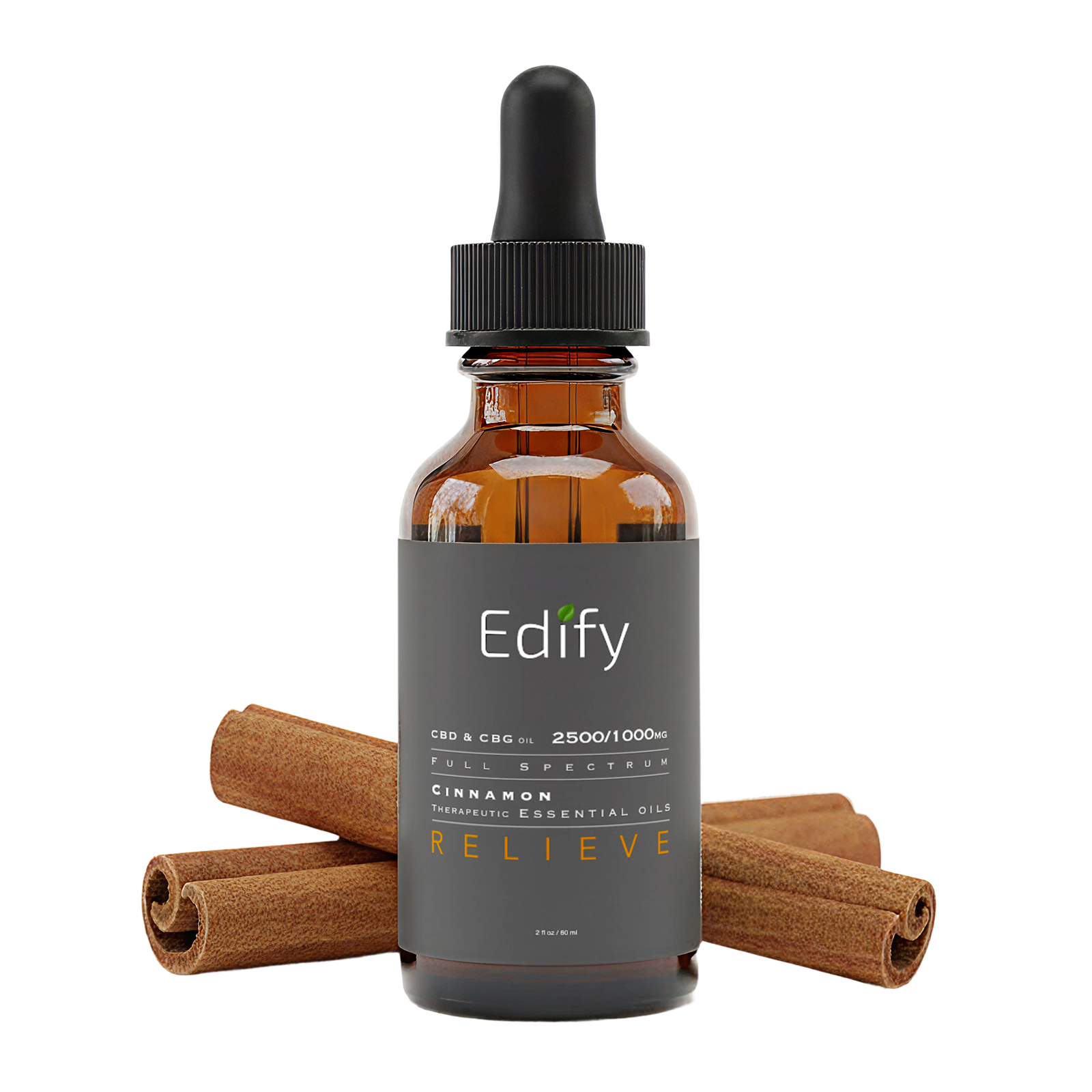
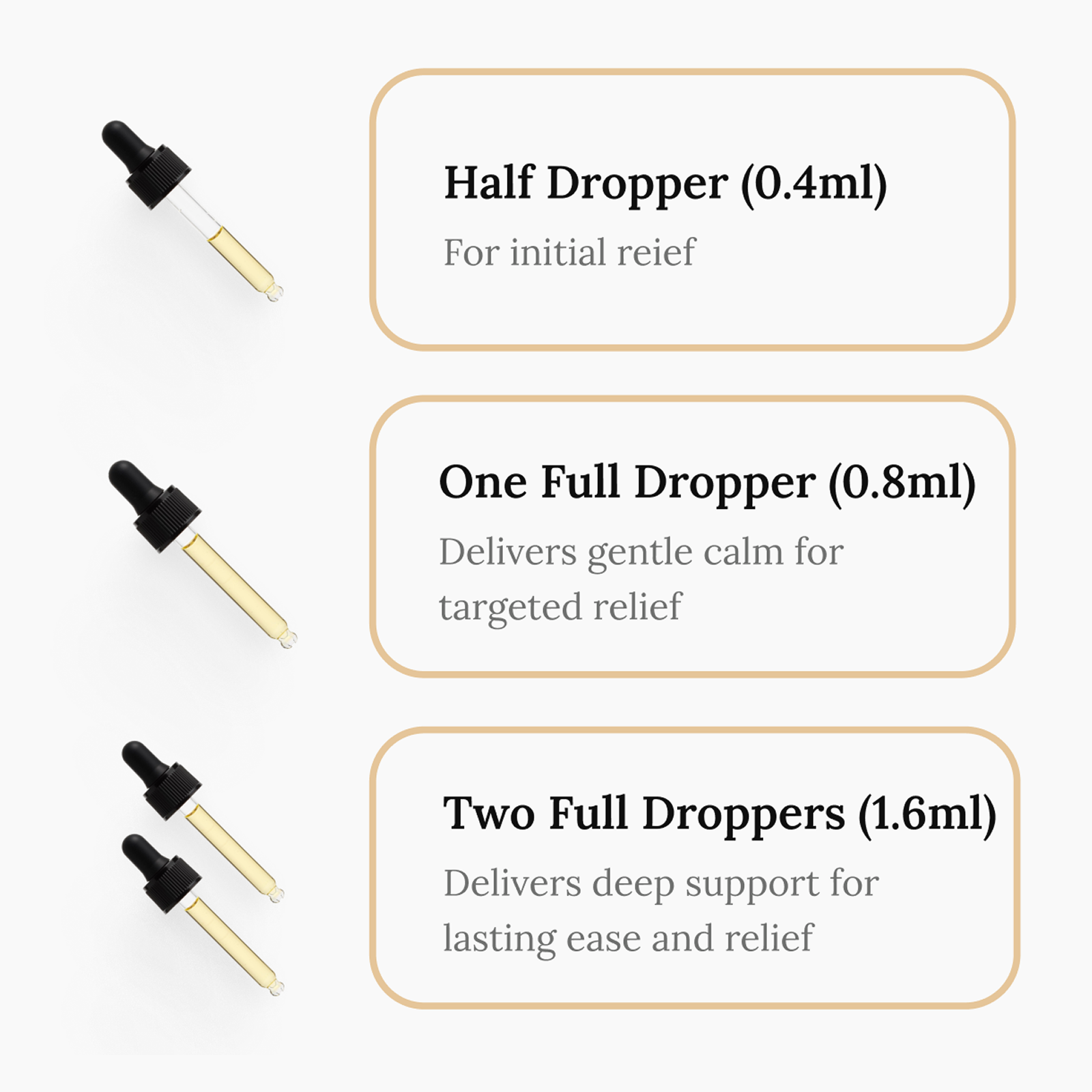
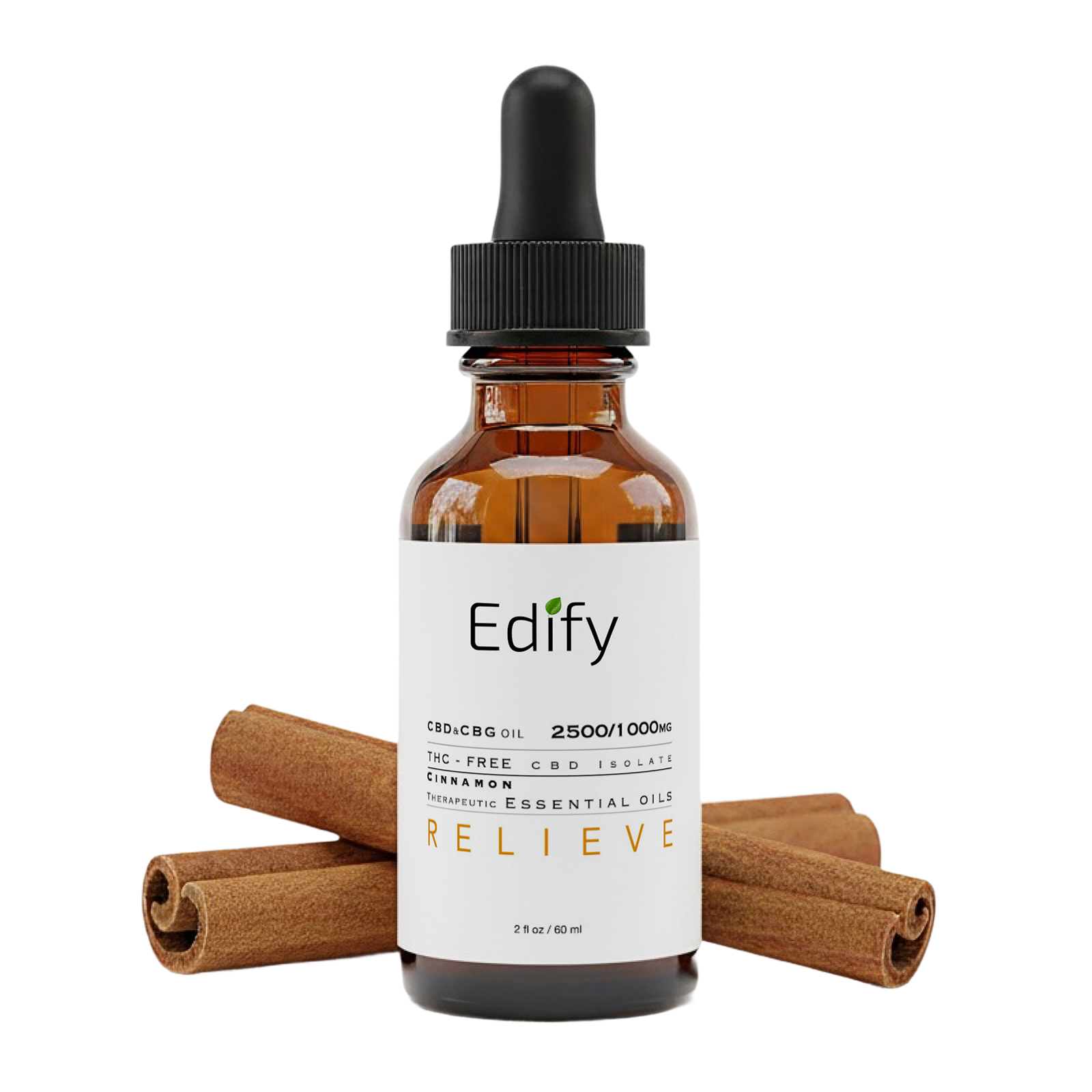
- CBD Oil & Tinctures
- THC Gummies
- Mushroom Gummies
- CBN Gummies
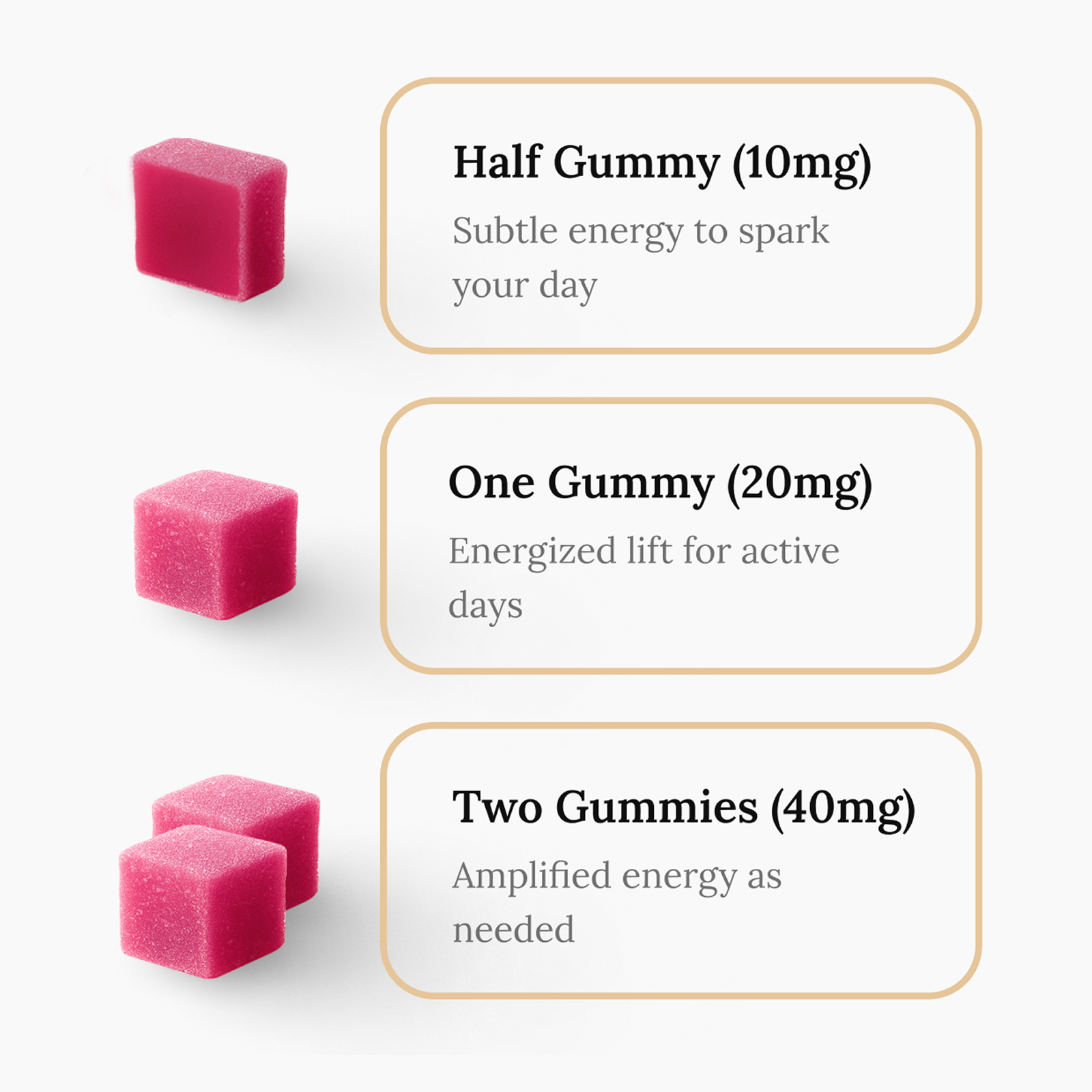
- Energy Gummies (THCV)
Written by the Edify Wellness Team
Disclaimer: This content is for informational purposes only and should not be considered medical advice. CBD is not approved by the FDA for most health conditions. Always consult with a healthcare provider before starting any new supplement, including CBD, especially for seniors taking multiple medications. Individual results vary, and CBD may not be appropriate for everyone.














Share:
Can I Submit a Medicare Claim for CBD? The Honest Answer
Adult Children's Guide to the Medicare CBD Program