
As a healthcare provider, ACO administrator, or clinic staff member, you face increasing patient inquiries about cannabidiol (CBD) as a complementary option for pain, anxiety, sleep disturbances, and inflammation. Understanding the published research helps you counsel patients with confidence, integrate evidence-based protocols into your care model, and make informed recommendations aligned with clinical standards.
This summary covers key clinical findings on CBD across four treatment areas most relevant to your practice. We have organized this information to help you quickly assess the evidence strength, identify patient populations where CBD may support conventional care, and understand quality and compliance standards when sourcing products for your patients.
CBD and Chronic Pain Management
Chronic pain affects millions of patients in ACO networks and represents a growing focus area for non-opioid treatment approaches. Multiple clinical trials have demonstrated that CBD modulates pain signaling through interactions with serotonin receptors, vanilloid receptors, and the endocannabinoid system.
A landmark review published in Frontiers in Pharmacology found that CBD reduced pain intensity in patients with neuropathic pain, arthritis, and cancer-related pain. The mechanism appears distinct from traditional NSAIDs or opioids, making CBD potentially valuable as an adjunctive therapy. Notably, CBD did not produce tolerance or dependency in these studies, a meaningful distinction for long-term pain management protocols.
In oncology settings specifically, CBD has been studied alongside conventional pain management in cancer patients. Clinical observations suggest CBD may enhance the effectiveness of existing pain regimens while reducing the required opioid dose, though further research is needed to establish optimal dosing and patient selection criteria.
For your practice: Consider CBD as a first-line adjunctive option for patients with chronic neuropathic or inflammatory pain who have not achieved adequate relief with standard approaches or who wish to reduce opioid dependence. Document baseline pain scores and establish clear assessment intervals.
Anxiety and CBD Clinical Applications
Anxiety disorders are prevalent in primary care and specialty practices. CBD has emerged as a focus of clinical research because it activates serotonin 5-HT1A receptors and does not produce the sedation, cognitive impairment, or abuse potential associated with traditional anxiolytics.
Published trials show CBD reduced anxiety symptoms in generalized anxiety disorder, social anxiety, and performance anxiety at doses ranging from 300 to 600 milligrams daily. A key finding is that CBD did not impair cognitive function or cause next-day sedation in these studies, making it suitable for working patients and those with professional responsibilities.
Hospital-based research has also examined CBD for preoperative and procedural anxiety. Several studies documented meaningful reductions in anxiety scores without respiratory depression or other adverse drug interactions, suggesting potential utility in perioperative settings when properly managed.
For your practice: Anxiety remains significantly undertreated in primary care. CBD offers an option for patients who decline SSRIs, cannot tolerate standard anxiolytics, or who prefer evidence-based botanical support. Establish baseline anxiety metrics using validated scales (GAD-7 or PHQ-9) and reassess after 4 to 6 weeks of consistent use.
Sleep Quality and CBD Research
Sleep disturbances affect quality of life and worsen outcomes across virtually all chronic disease categories. CBD has shown promise in clinical research for improving sleep onset, sleep quality, and reducing nightmares in patients with trauma exposure or chronic pain.
The research indicates that CBD's effects on sleep may be mediated through its anxiolytic properties, reduction of pain, and modulation of the sleep-wake cycle via serotonin and adenosine signaling. Doses of 150 to 600 milligrams per day have been evaluated in sleep studies, with most improvements observed after 2 to 4 weeks of consistent use.
An important distinction: CBD is not a sedative in the traditional sense. Rather, it appears to normalize sleep architecture and reduce hyperarousal, allowing patients' natural sleep processes to function more effectively. This mechanism makes CBD appropriate for patients who need daytime alertness and who seek to avoid dependency on prescription sleep medications.
For your practice: When sleep dysfunction is present, screen for underlying sleep apnea, restless leg syndrome, and mood disorders before recommending CBD. CBD works best when combined with sleep hygiene counseling and behavioral interventions. Consider CBD for patients with chronic pain-related insomnia or anxiety-driven sleep disturbance who have failed behavioral approaches alone.
Inflammation and Immunomodulatory Effects
Inflammatory conditions including rheumatoid arthritis, inflammatory bowel disease, and autoimmune disorders create substantial burden in primary care and specialist practices. CBD has demonstrated anti-inflammatory and immunomodulatory activity in laboratory and clinical studies.
Research shows CBD suppresses pro-inflammatory cytokine production (TNF-alpha, IL-6, IL-8) and may promote regulatory T cell function. In rheumatology patients, CBD reduced disease activity scores and inflammatory markers in observational studies. Gastroenterology research has documented CBD's potential to reduce intestinal inflammation in patients with ulcerative colitis and Crohn's disease.
The endocannabinoid system plays a regulatory role in immune function, and CBD's interaction with cannabinoid and non-cannabinoid receptors may restore homeostasis in hyperinflammatory states. However, the clinical evidence remains preliminary for most autoimmune conditions, and CBD should not replace proven disease-modifying therapies.
For your practice: CBD may serve as a complementary approach for inflammatory conditions in patients who have achieved disease stability on conventional therapy but continue to experience inflammation-related symptoms. Monitor inflammatory markers (CRP, ESR, cytokine panels where available) to assess response objectively.
Quality Standards and Compliance for Provider Partners
When recommending CBD to patients or sourcing products for your clinic, quality, purity, and regulatory compliance are non-negotiable. The FDA does not regulate CBD as a dietary supplement or drug in most cases, making third-party testing and transparent sourcing essential.
Edify Wellness maintains full compliance with all relevant state and federal requirements. All products are third-party tested for potency and contaminants, including heavy metals, microbial pathogens, and pesticide residues. We provide Certificate of Analysis (COA) for every product lot, and our documentation meets the standards required by ACOs, insurance networks, and compliance auditors.
Our product line includes formulations suitable for clinical settings, with consistent dosing, sterile production standards, and professional-grade quality. Whether you are interested in establishing an in-clinic CBD program, recommending products to patients, or integrating CBD into your ACO's chronic disease management protocols, we can provide the compliance documentation, COAs, and wholesale pricing your organization requires.
Learn more about our CBD compliance standards and documentation by visiting our CBD compliance documentation page. Review our lab results and certificates of analysis to verify product quality. For Medicare considerations and coverage information, see our Medicare CBD information page.
Interested in wholesale pricing or clinical partnerships? Visit our wholesale CBD quote page to request pricing for your practice or ACO.
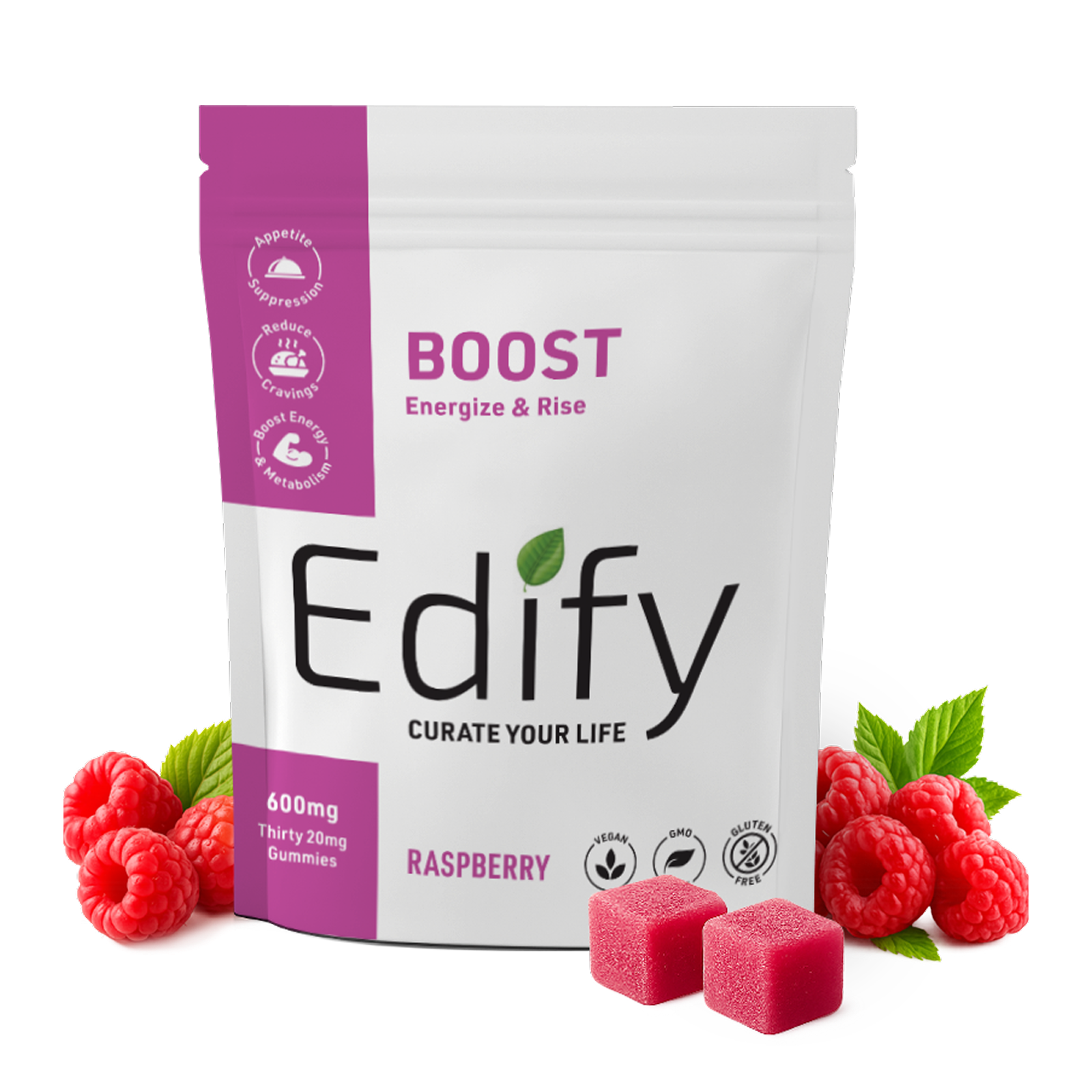
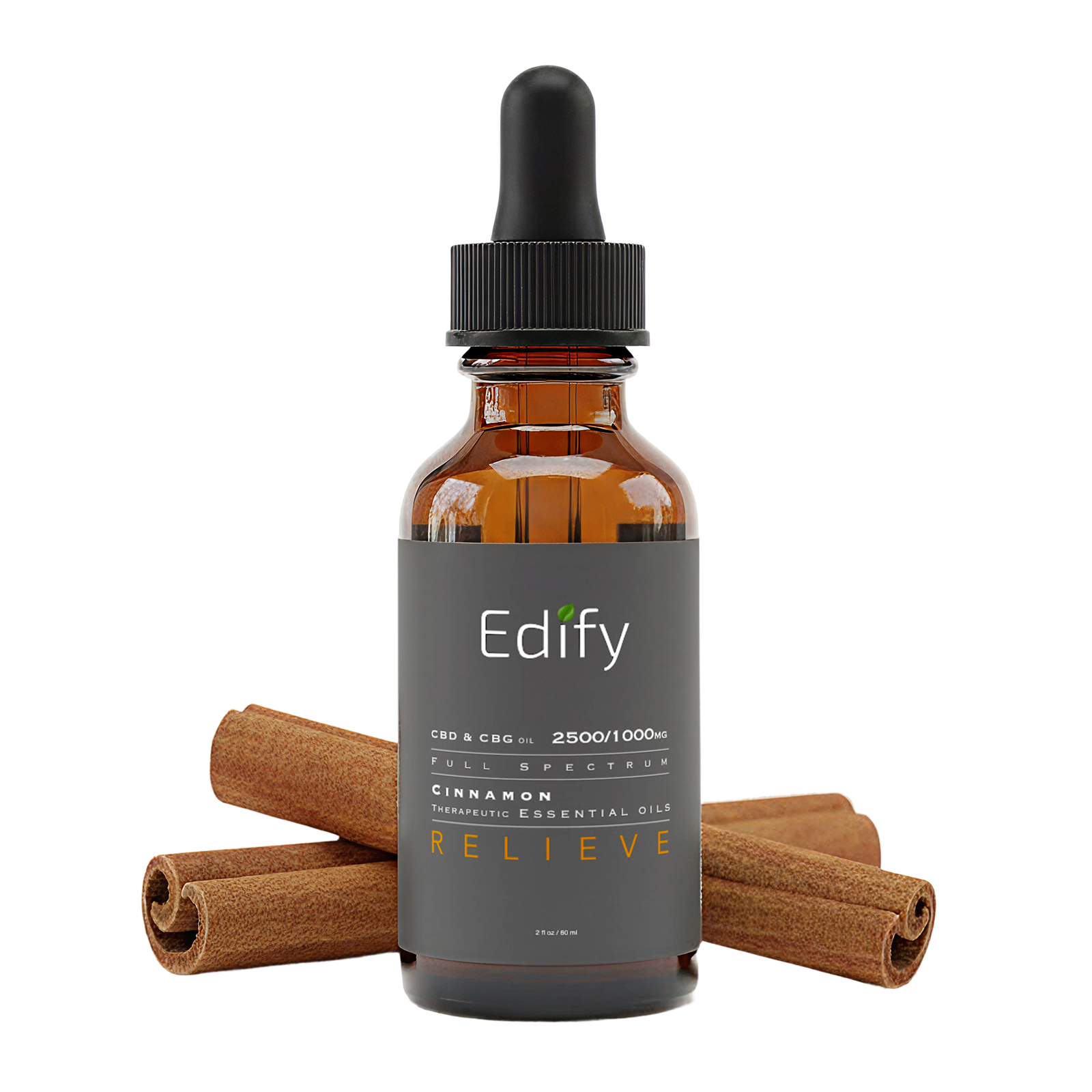
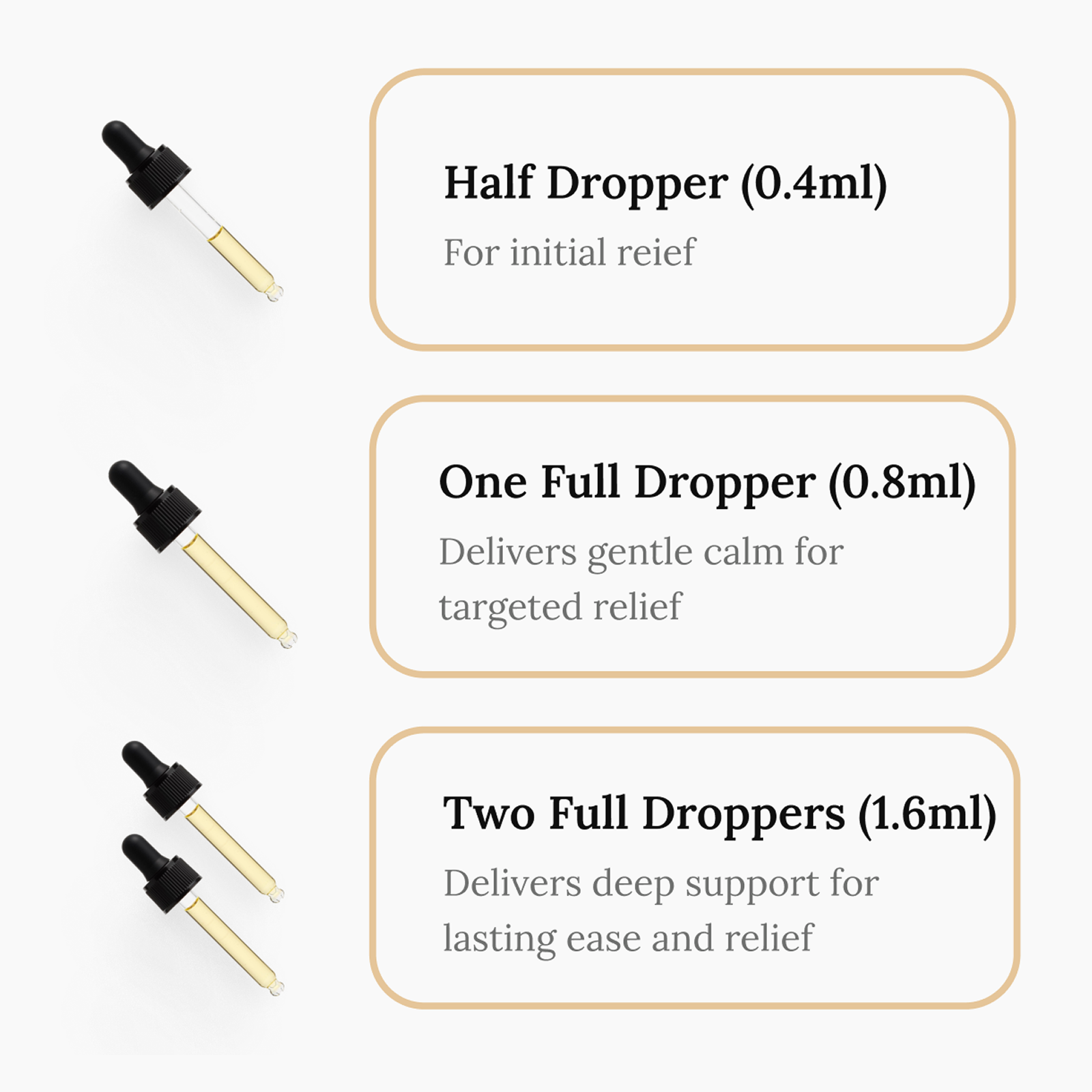
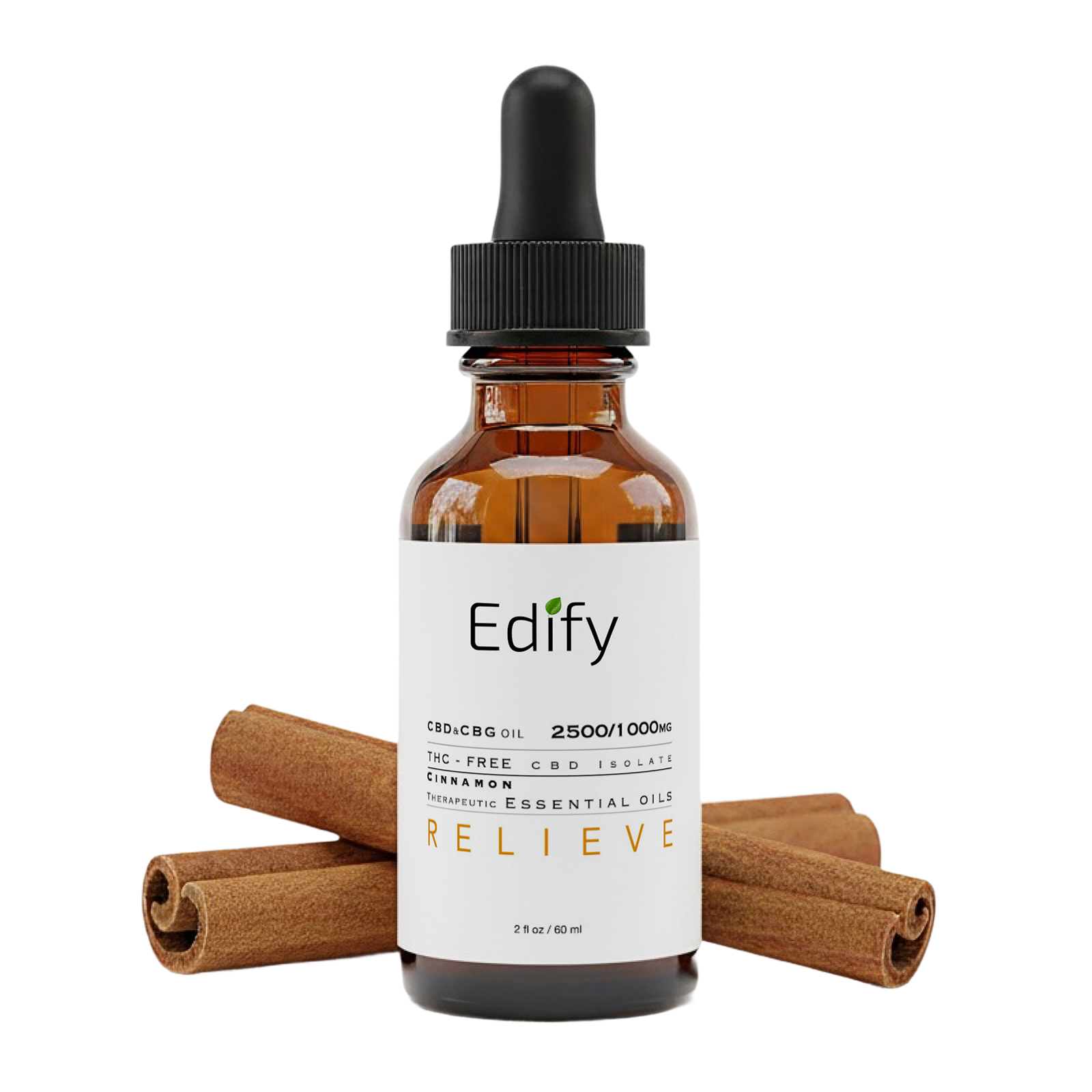
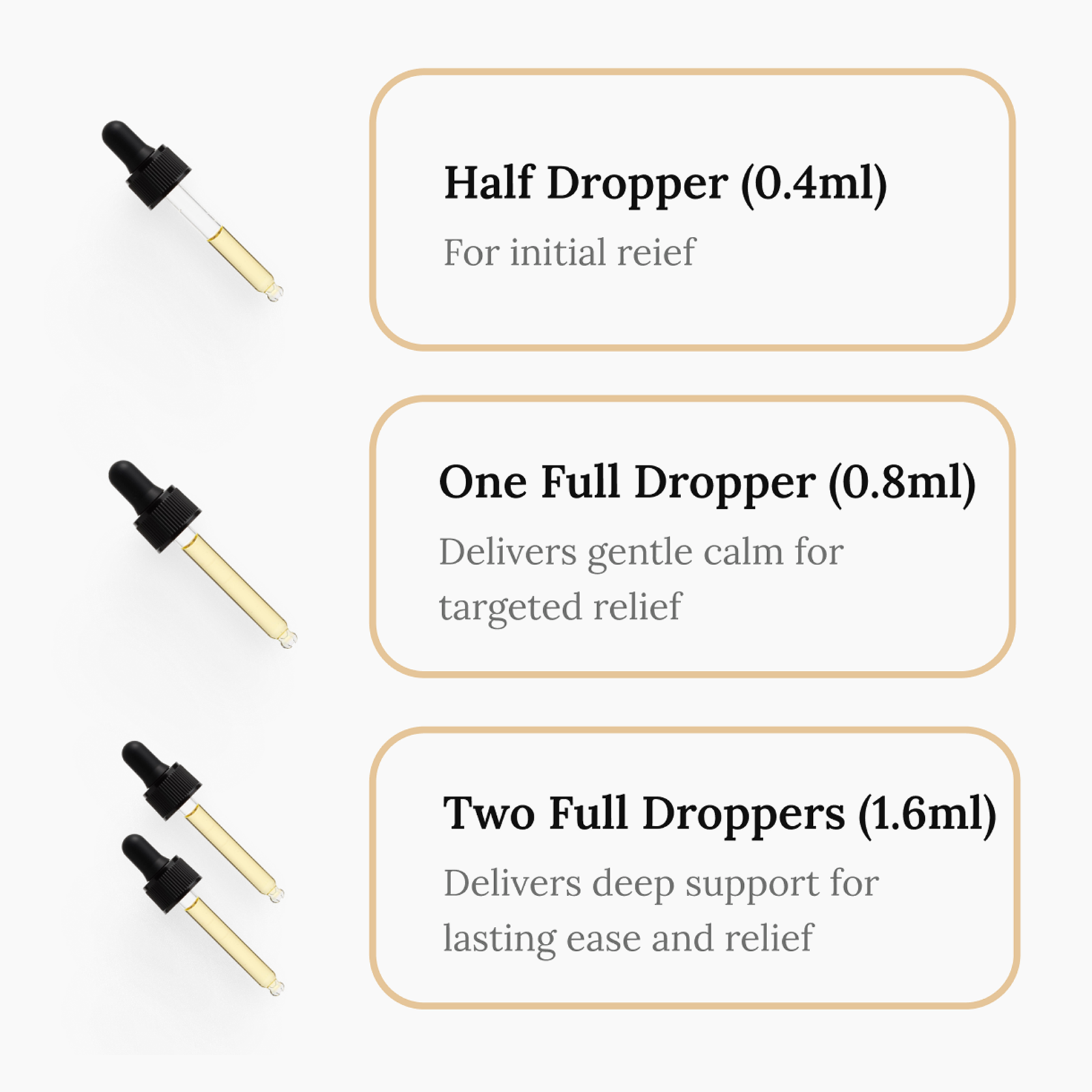
For patients ready to start a CBD regimen, we recommend our Broad Spectrum CBD Tincture, which provides precise dosing and rapid bioavailability for clinical use. All formulations come with complete batch testing documentation.
The clinical evidence for CBD continues to expand. As a healthcare provider, staying informed about emerging research and maintaining access to high-quality, compliant products positions your practice to offer patients evidence-based options within your comprehensive care model. We are here to support your clinical goals with transparent science, rigorous quality standards, and professional-grade CBD solutions.
Shop Edify CBD & Wellness Products
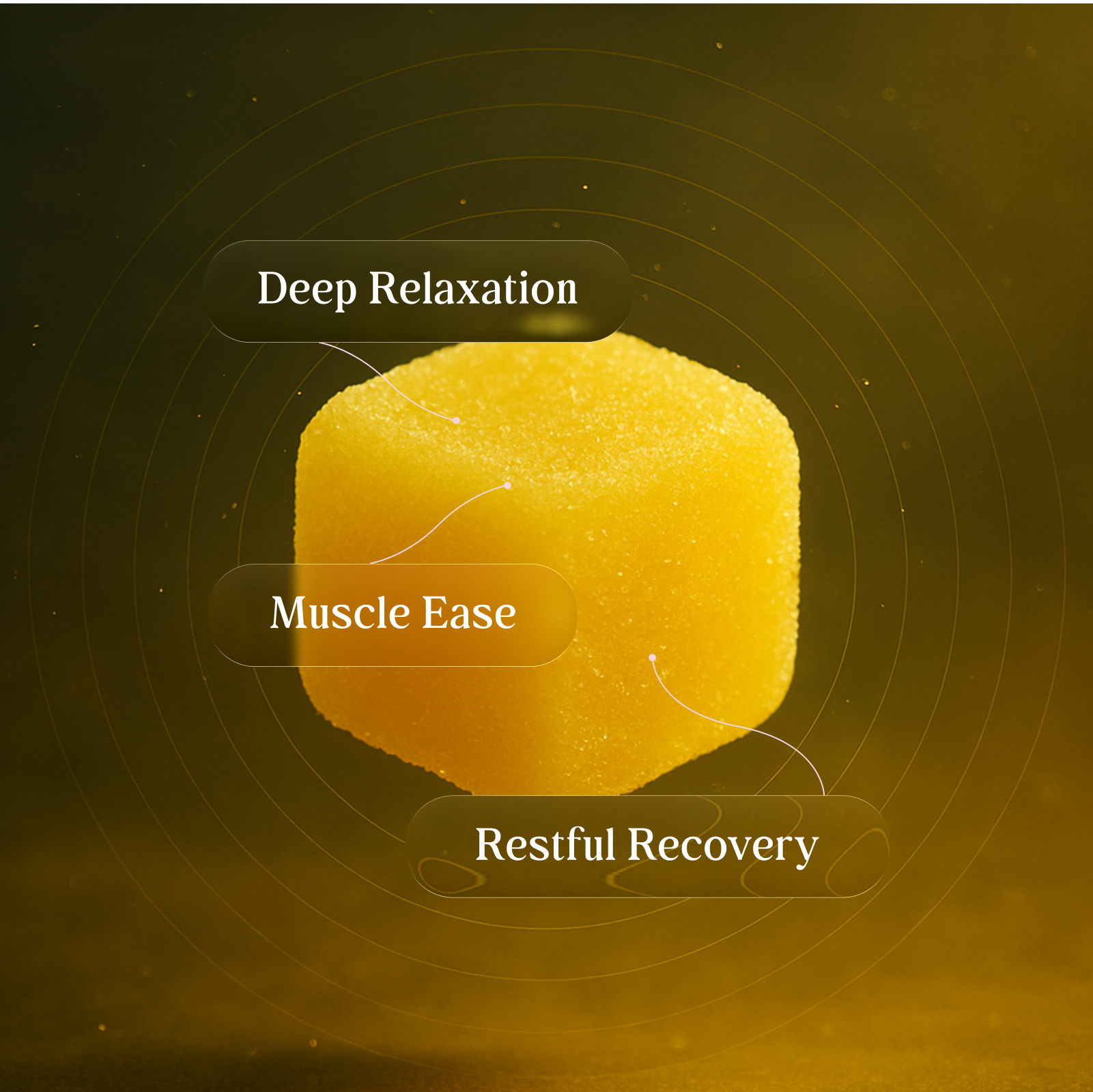
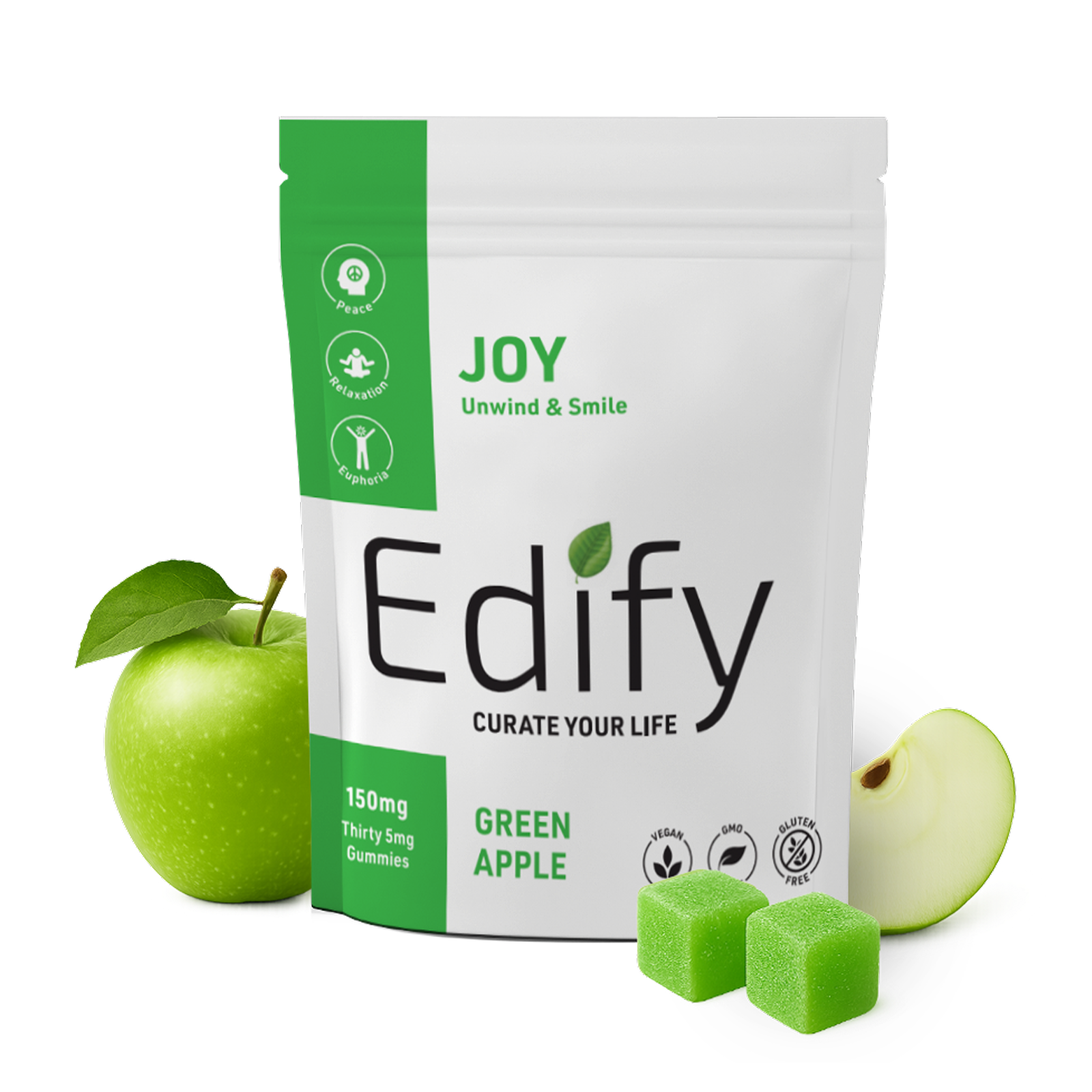
- CBD Gummies
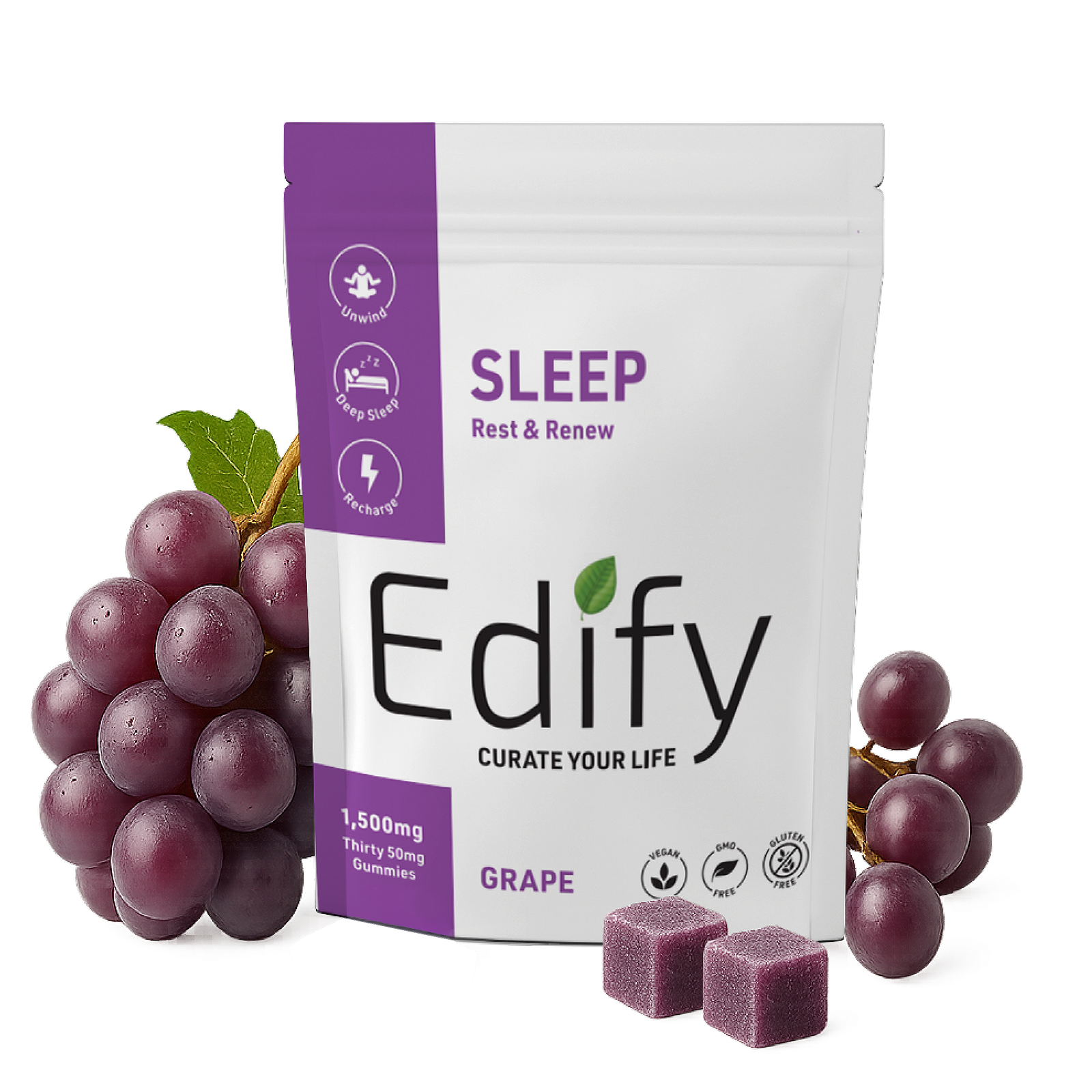
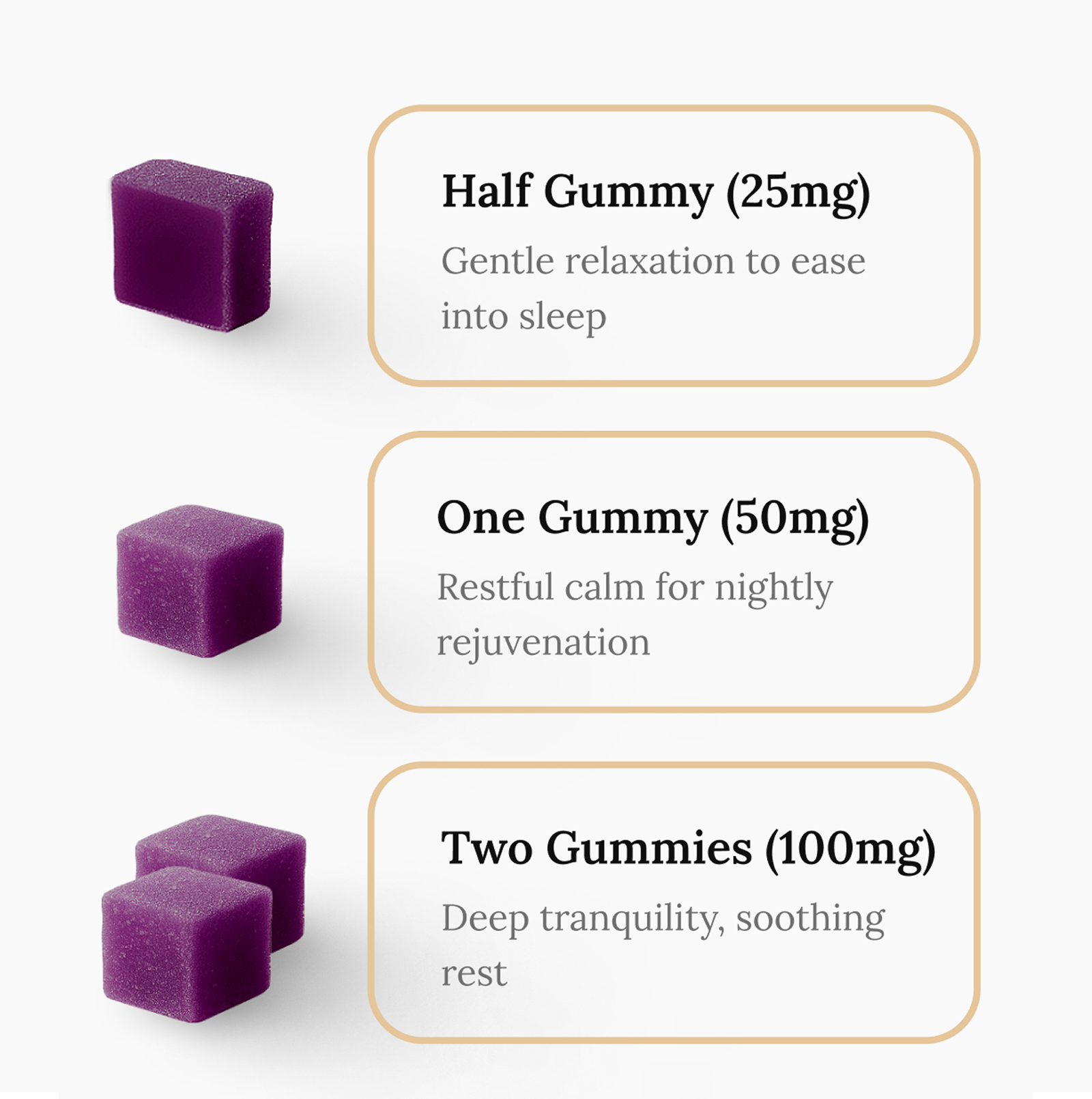
- Sleep CBD Gummies
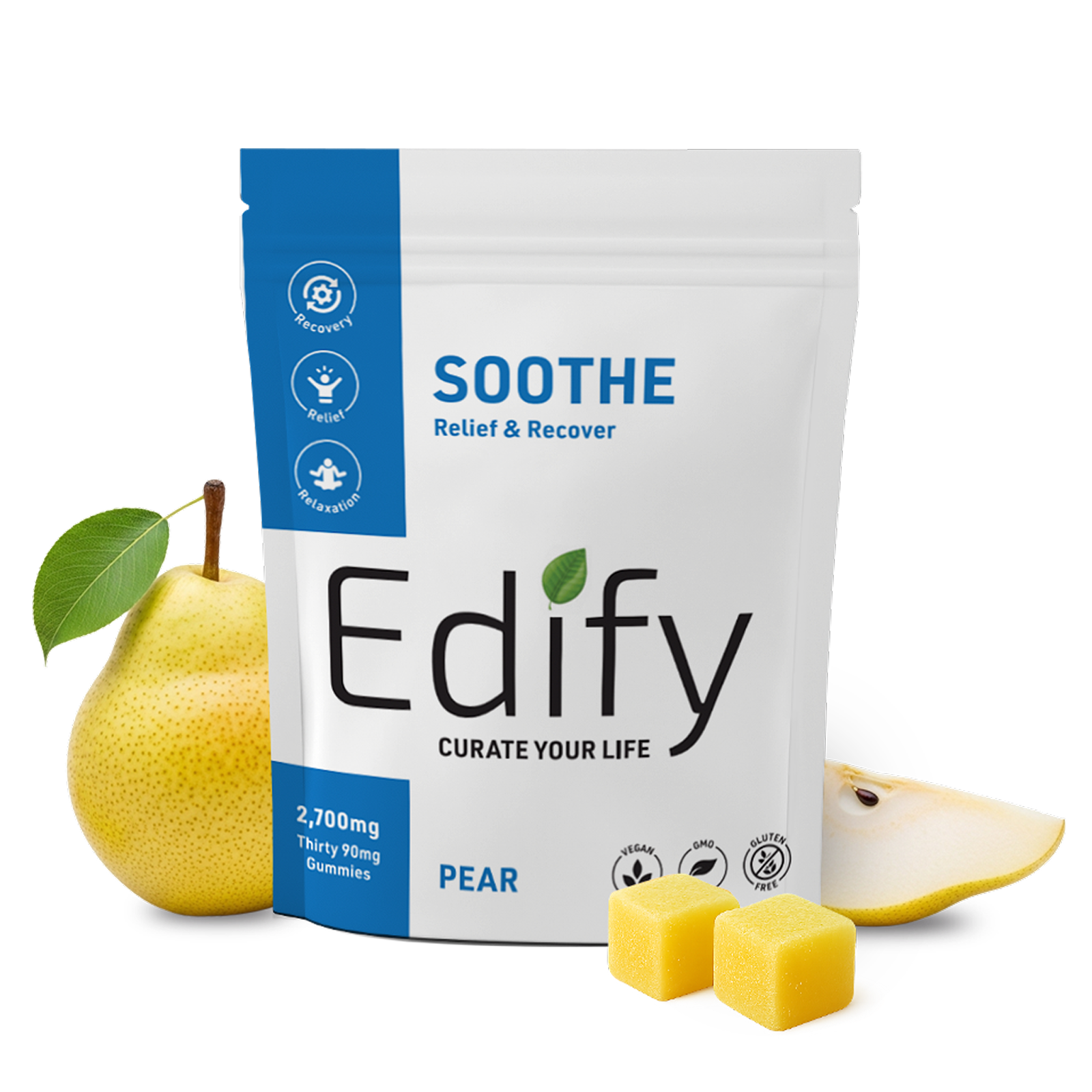
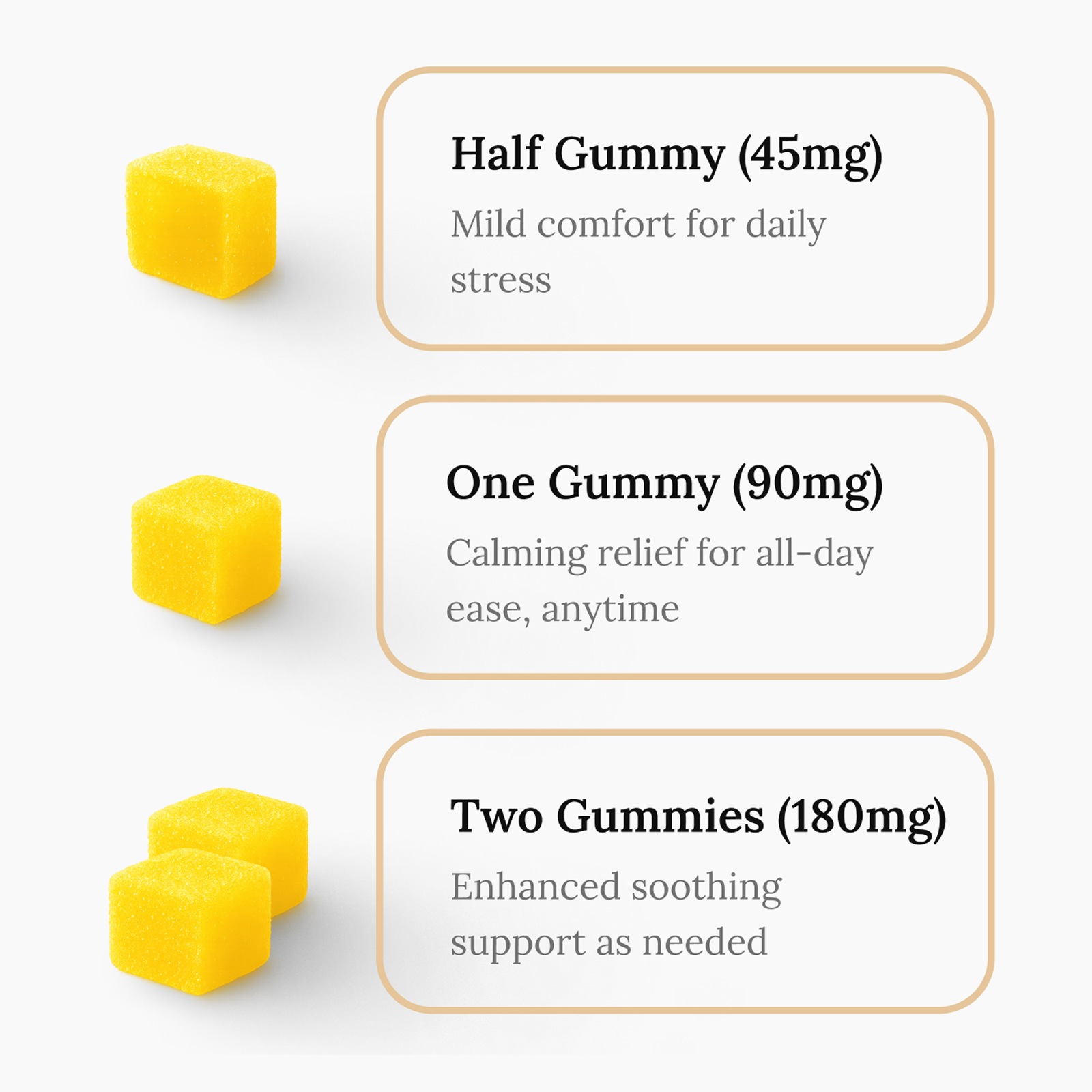
- Gummies for Pain Relief
- CBD Oil & Tinctures
- THC Gummies
- Mushroom Gummies
- CBN Gummies
- Energy Gummies (THCV)
Written by the Edify Wellness Team












Share:
What 'Seed-to-Self' Really Means and Why It Matters
From Kentucky Farm to Physician: Edify's Supply Chain Explained