
Sleep problems affect millions of seniors. In fact, fewer than half of older adults report sleeping well on a regular basis. Poor sleep can impact quality of life, affect memory and mood, and make managing other health conditions harder. Many seniors have turned to prescription sleep medications, but these options come with risks like dependency and side effects.
This is why many seniors are now exploring CBD as an alternative sleep support option. CBD, short for cannabidiol, is a natural compound from hemp plants. Unlike prescription sleep aids, CBD does not appear to carry the same dependency risks. Growing research suggests that CBD may support better sleep patterns in older adults. If you or a loved one struggles with sleep, understanding how CBD works and whether it might be right for you is an important first step. Learn more about how Medicare and CBD coverage may apply to your situation.
What the Research Says
Scientific interest in CBD for sleep support has grown significantly. Several journals have published research exploring this connection.
The Journal of Clinical Medicine has published multiple studies examining how CBD may influence sleep quality in different populations, including older adults. Researchers found that some people reported improvements in sleep onset and sleep duration when using CBD regularly.
Studies in Pharmaceuticals have also explored the relationship between cannabinoids and sleep regulation. Some research suggests that CBD may interact with the body's endocannabinoid system, which plays a role in sleep and wake cycles. These findings indicate that CBD may support the natural sleep process without forcing sedation the way prescription medications do.
The journal Frontiers in Pharmacology published research noting that CBD may help reduce anxiety and racing thoughts, which are common reasons seniors struggle to fall asleep. By calming the mind, CBD may create conditions where natural sleep becomes easier.
While these findings are promising, more research is ongoing. It is important to understand that CBD is not a cure for sleep disorders. Rather, some research suggests that CBD may support your body's natural ability to sleep better.
How CBD May Work for This Condition
To understand how CBD might help with sleep, it helps to know a little bit about how it works in the body.
Your body has an endocannabinoid system. This system helps regulate many functions, including sleep, mood, pain, and stress response. CBD interacts with this system in gentle ways that may promote balance.
For sleep specifically, CBD may work through several pathways. First, anxiety and stress often keep seniors awake at night. Some research suggests that CBD may help calm anxious thoughts and quiet a racing mind. When your mind is less active, falling asleep becomes easier.
Second, CBD may support the body's natural circadian rhythm, which is your internal 24-hour clock that tells you when to sleep and wake. A healthy circadian rhythm is key to good sleep quality.
Third, CBD may reduce physical discomfort that interferes with sleep. Many seniors wake up due to pain or stiffness. By potentially easing discomfort, CBD might help you stay asleep longer.
Unlike prescription sleep medications, CBD does not force your body to sleep. Instead, it may support the conditions that make sleep more likely. This means you are working with your body's natural processes rather than overriding them.
Dosing Considerations for Seniors
If you are thinking about trying CBD for sleep, dosing is an important question. Seniors often need different doses than younger people because of how our bodies change with age.
For sleep support, many seniors find that starting with a lower dose and gradually increasing works best. A common starting point is 5 to 10 mg of CBD taken 30 to 60 minutes before bedtime. Some people find they need more; others do well with less.
Several factors affect the right dose for you: your weight, overall health, other medications you take, and how your body responds to CBD. This is why working with a healthcare provider is so important.
For detailed guidance on finding your ideal dose, check out our CBD dosage guide for seniors. This guide walks through dosing step by step.
It is also important to know that CBD can interact with certain medications. If you take other drugs, especially those that affect the liver, talk to your doctor before starting CBD. Our guide on CBD drug interactions for seniors has more information about this topic.
Does Medicare Cover CBD for This Condition?
Since CBD is not FDA approved as a medication, Medicare generally does not cover CBD products at this time. However, the landscape is changing as research continues.
Currently, Medicare Part D (prescription drug coverage) does not include CBD. This means if you choose to use CBD, you would typically pay out of pocket. Some Medicare Advantage plans may offer wellness programs that could help offset costs, but this varies by plan.
For the most current information about Medicare and CBD coverage, visit our pages on Medicare and CBD and Medicare CBD eligibility. These resources explain exactly where things stand and what might change in the future.
Even though Medicare does not currently cover CBD, many seniors find that the cost of quality CBD products is reasonable compared to other sleep support options. When shopping for products, choose from trusted brands that provide third-party testing to ensure safety and quality.
Next Steps
If you are interested in trying CBD for sleep support, taking the right steps ensures safety and effectiveness.
Talk to Your Doctor First
Before starting any new supplement, talk with your healthcare provider. This is especially important if you take other medications. Your doctor knows your health history and can advise whether CBD is a good choice for you. Our guide on how to talk to your doctor about CBD gives tips on having this conversation.
Consider Your Needs
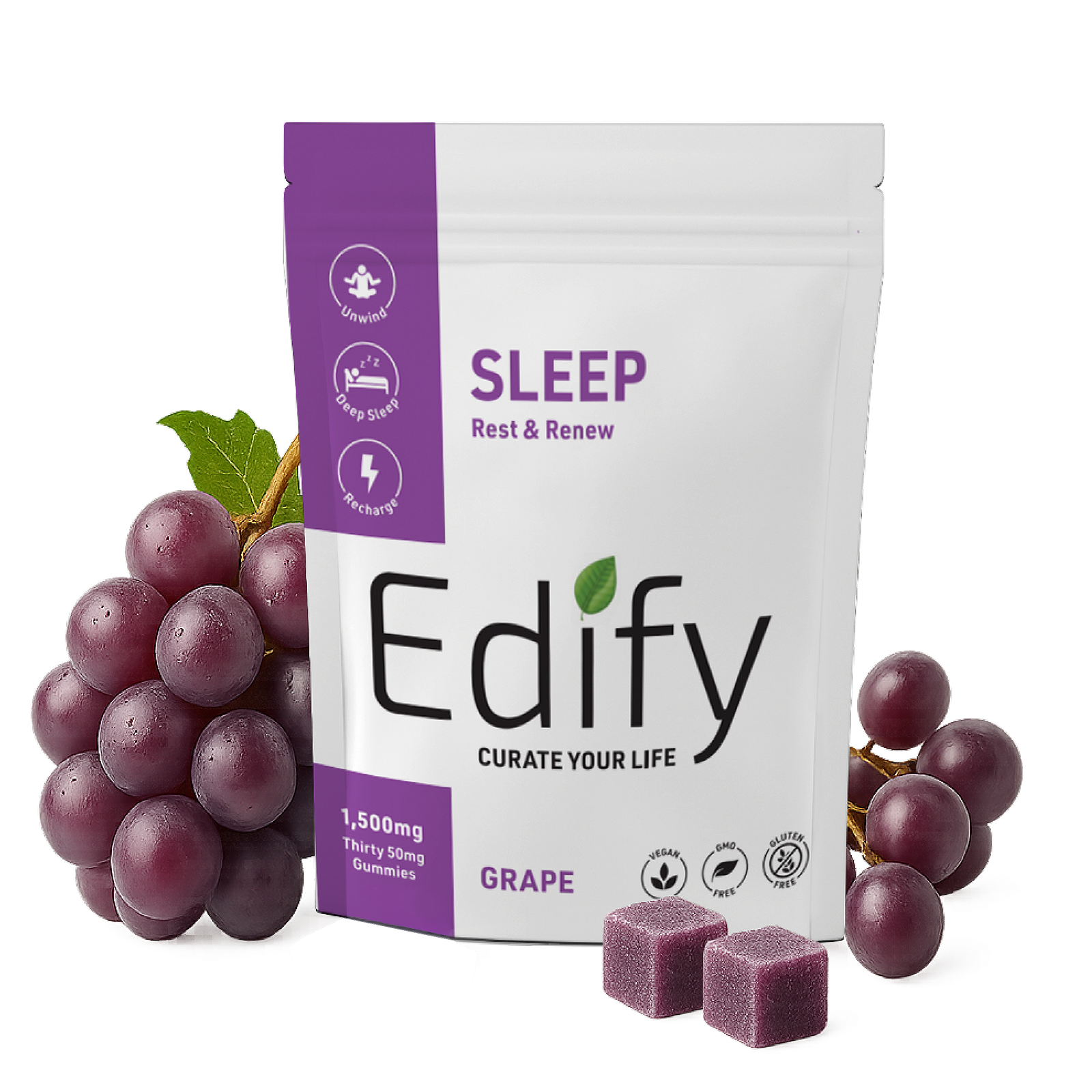
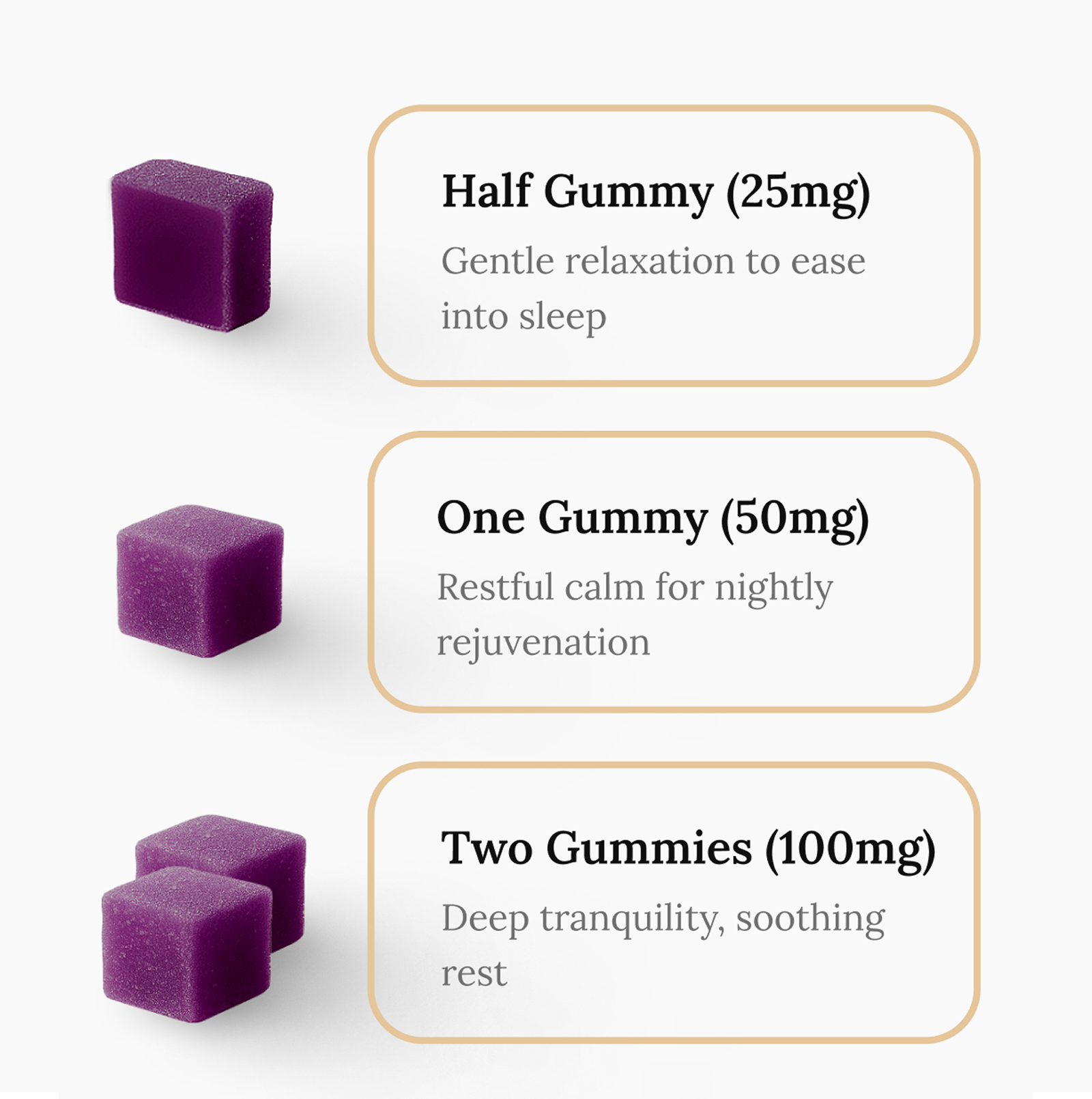
Are you looking for sleep support alone, or do you also struggle with pain or anxiety? If sleep is your main concern, our CBD gummies for sleep are a popular choice among seniors. They are easy to take and provide consistent dosing.
If You are a Caregiver
If you are helping a senior loved one explore CBD, you play an important role in their health journey. Our CBD guide for caregivers offers practical advice on supporting a senior through this process, including how to monitor results and adjust as needed.
Choose Quality Products
Not all CBD products are equal. Look for brands that provide third-party testing, clearly list CBD content, and use quality ingredients. Starting with a trusted brand helps ensure you get what you pay for.
Many seniors report that using CBD consistently for 2 to 4 weeks gives the best results. Sleep improvement does not always happen overnight, but with patience and the right product, many find that their sleep quality improves.
Sleep is one of the most important gifts you can give your body. If poor sleep has been affecting your health and happiness, exploring CBD with professional guidance could be a helpful step forward.
Shop Edify CBD & Wellness Products
- CBD Gummies
- Sleep CBD Gummies
- Gummies for Pain Relief
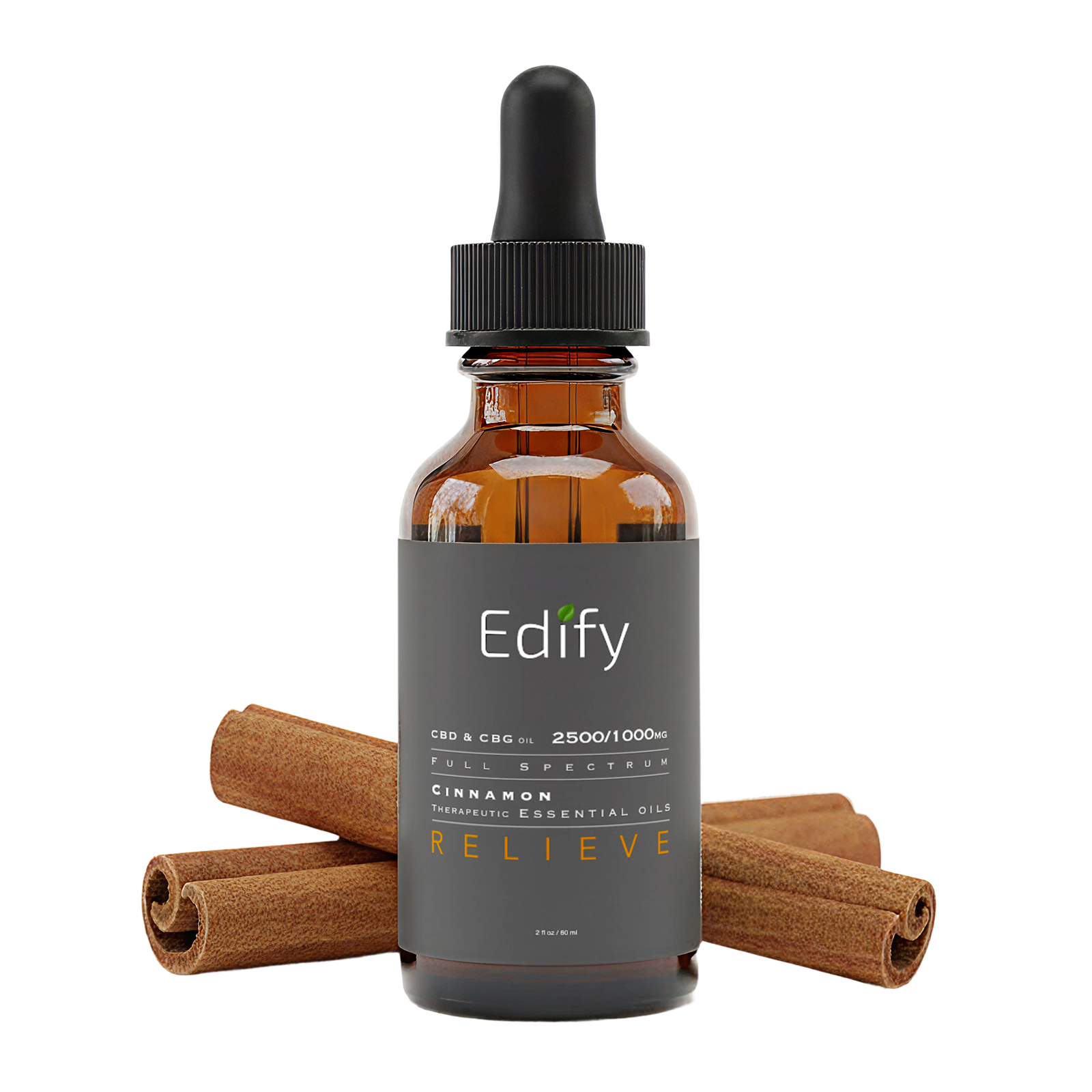
- CBD Oil & Tinctures
- THC Gummies
- Mushroom Gummies
- CBN Gummies
- Energy Gummies (THCV)
Medicare CBD Resources
- Does Medicare Cover CBD?
- Who Qualifies for Medicare CBD
- Medicare CBD Approved Products
- How the Medicare CBD Program Works
- Free CBD for Medicare Seniors
Written by the Edify Wellness Team
Disclaimer:















Share:
The Medicare CBD Pilot Program: Everything You Need to Know
CBD for Cancer Pain: What Oncology Patients Need to Know