
If you are a Medicare beneficiary, caregiver, or healthcare provider, you have likely heard about the Centers for Medicare and Medicaid Services (CMS) Substance Access Botanical Extract Initiative, commonly known as the BEI program. This groundbreaking program represents a significant shift in how Medicare covers certain botanical substances. Understanding what the BEI program offers and how it continues to change is essential for making informed decisions about your healthcare coverage and treatment options.
The landscape of Medicare coverage is evolving, and the BEI program sits at the center of this transformation. Whether you are seeking options for chronic pain management, exploring wellness alternatives, or helping an older adult access new treatments, knowing how this program works can directly impact your health outcomes and your wallet. Let us walk you through what you need to know right now.
What Is the BEI Program and How Does It Work?
The BEI program operates under the umbrella of the CMS Innovation Center, which is responsible for testing new payment and delivery models to improve the quality and affordability of healthcare for Medicare beneficiaries. The BEI program specifically addresses the availability and coverage of botanical extracts, expanding patient access beyond traditional pharmaceutical treatments.
Here is how the program functions in practical terms: eligible Medicare beneficiaries can receive coverage for botanical extract products, with annual coverage reaching up to five hundred dollars per year. This coverage applies to oral formulations only. The program operates through Accountable Care Organizations (ACOs) that participate in specific CMS models, including ACO REACH and the Enhancing Oncology Model.
What makes the BEI program noteworthy is that it represents CMS testing whether botanical extracts can provide safe, effective, and cost-conscious alternatives for certain patient populations. By working through ACOs, the program allows providers to integrate these substances into care plans while maintaining quality oversight and tracking patient outcomes.
For more detailed information about how this program affects Medicare coverage decisions, visit our comprehensive guide at Medicare CBD Coverage and the BEI Program.
Current Program Structure and Participating Organizations
The BEI program currently operates through Accountable Care Organizations that have opted into specific CMS Innovation Center models. These organizations coordinate patient care and manage coverage decisions for their Medicare beneficiaries. The program structure allows flexibility while maintaining accountability for both patient safety and program spending.
Several vendor relationships support the program. Notably, Cornbread Hemp holds a Group Purchasing Organization (GPO) contract related to the BEI program. However, it is important to understand that ACOs are not locked into using any single vendor. This means participating organizations can work with multiple suppliers and choose products that best match their patients' clinical needs and preferences.
The decentralized structure of the program, working through multiple ACOs and allowing vendor flexibility, creates a system where different regions and organizations may have somewhat different implementation approaches. This is intentional, as it allows CMS to test various models and gather data about what works best for different patient populations and geographic areas.
For healthcare providers managing ACO contracts and coverage policies, understanding these vendor relationships and organizational structures is crucial for advocating for your patients' access to appropriate treatments.
FDA Status and Legal Landscape
The BEI program operates within a complex regulatory environment. Currently, the Food and Drug Administration maintains an enforcement discretion memo regarding botanical extract products. This memo effectively allows certain botanical extract formulations to remain available to consumers and through healthcare programs like BEI, even though they have not undergone the full FDA approval process required of traditional pharmaceutical drugs.
It is important to note that enforcement discretion is not the same as approval. Rather, it represents the FDA's decision to prioritize enforcement resources elsewhere while the agency and Congress consider how botanical extracts should be regulated long term. This creates a period of availability that may change if policy or regulatory priorities shift.
The legal landscape continues to evolve. A lawsuit has been filed challenging certain aspects of the program and the underlying regulatory framework. Additionally, federal hemp law revision is expected as legislators and regulators work to clarify how botanical substances derived from hemp should be classified, regulated, and covered by insurance programs.
These legal and regulatory developments mean that the program's structure, coverage rules, and available products may change. Patients and providers should stay informed about these developments and understand that current program offerings may not remain static.
Patients should always speak with their healthcare provider before starting any new treatment, and providers should review current FDA guidance and CMS policies when making coverage and treatment recommendations.
Practical Implications for Medicare Beneficiaries and Their Caregivers
If you are a Medicare beneficiary or caring for an older adult, the BEI program may expand your treatment options in several meaningful ways. First, if your healthcare provider works with an ACO that participates in the program, you may have access to botanical extract products as part of your Medicare coverage, with the program covering up to five hundred dollars annually.
Second, this coverage could reduce your out-of-pocket costs if you are interested in botanical extract therapies. Rather than paying entirely on your own, part or all of the cost might be covered through this program.
Third, working through an organized program means these products come with medical oversight. Your doctor or care team will evaluate whether a botanical extract product is appropriate for your specific health situation, drug interactions, and goals of care. This is different from purchasing such products entirely on your own.
However, beneficiaries should understand several limitations and uncertainties. Not all Medicare beneficiaries have access to BEI coverage, as it depends on whether their healthcare provider participates in a qualifying ACO. Coverage is limited to oral formulations only. And as noted above, the regulatory and legal environment remains in flux, meaning program details could change.
We recommend discussing the BEI program with your doctor or your Medicare Advantage or Original Medicare plan to learn whether you are eligible and whether botanical extract products might be appropriate for your health needs.
What to Expect Going Forward
The BEI program continues to evolve as CMS gathers data about its effectiveness, safety, and impact on healthcare spending and patient outcomes. The CMS Innovation Center regularly reviews program performance and makes adjustments based on what the data shows.
Several developments are likely to shape the program's future. Federal hemp law revision is expected, which could clarify how botanical substances are regulated and covered. Leadership at CMS and the Department of Health and Human Services is actively engaged in healthcare innovation and policy development, creating an environment where significant changes to coverage and regulatory frameworks are possible.
The pending lawsuit will also influence the program. If the court issues rulings related to regulatory authority or coverage decisions, those rulings could reshape how BEI operates.
For patients and providers, this means staying informed is more important than ever. Policies that seem temporary may become permanent, or they may change direction entirely. Both beneficiaries and healthcare organizations should monitor CMS announcements and be prepared to adapt as the program evolves.
For more information about emerging coverage options and how to navigate Medicare choices, explore our resource on Medicare CBD and consider discussing these options with your healthcare team or Medicare counselor.
Healthcare providers and ACO leadership should consult recent CMS guidance and consider how BEI participation fits into their organization's clinical and financial strategies. More information about implementing innovative coverage models is available through our healthcare provider resources.
Shop Edify CBD & Wellness Products
- CBD Gummies
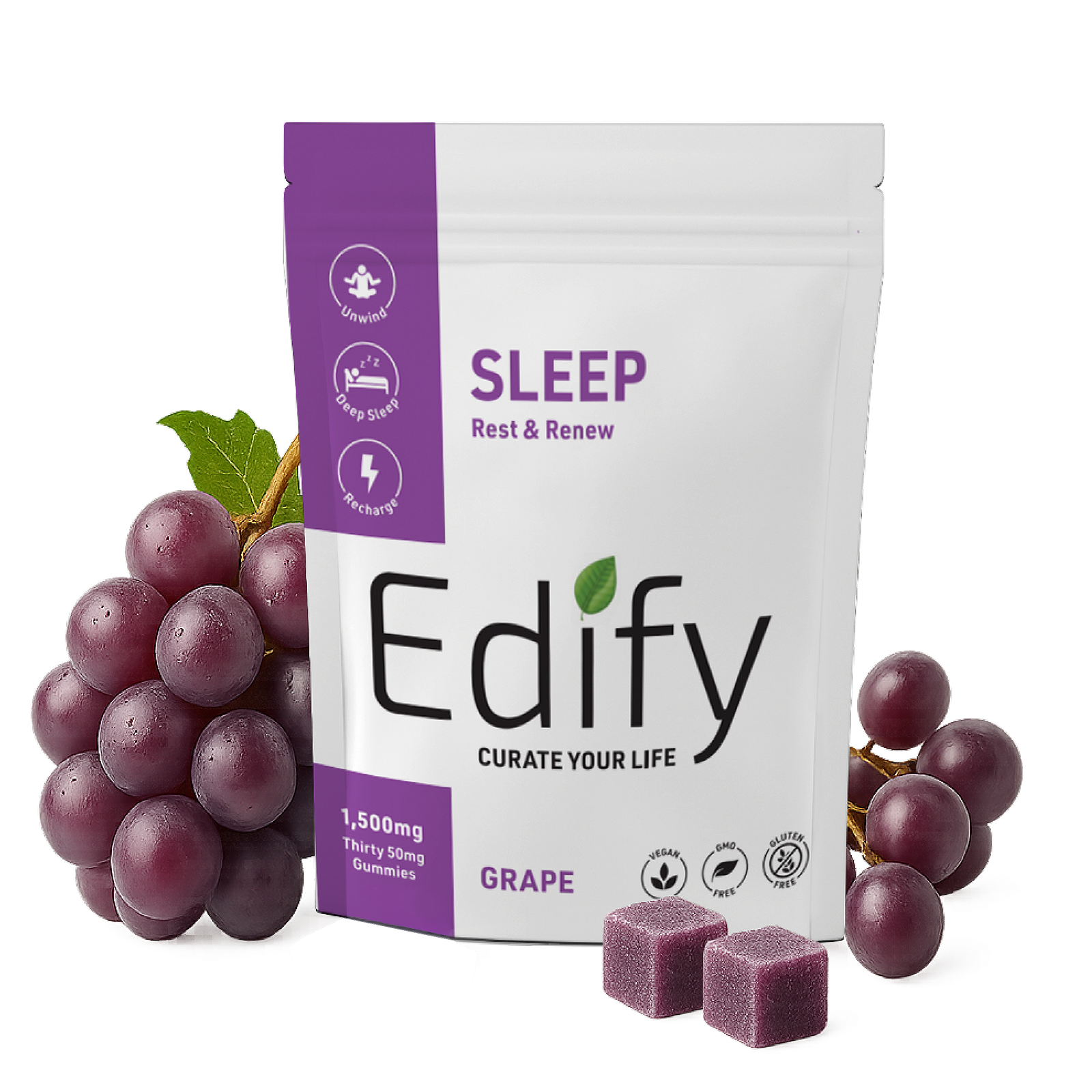
- Sleep CBD Gummies
- Gummies for Pain Relief
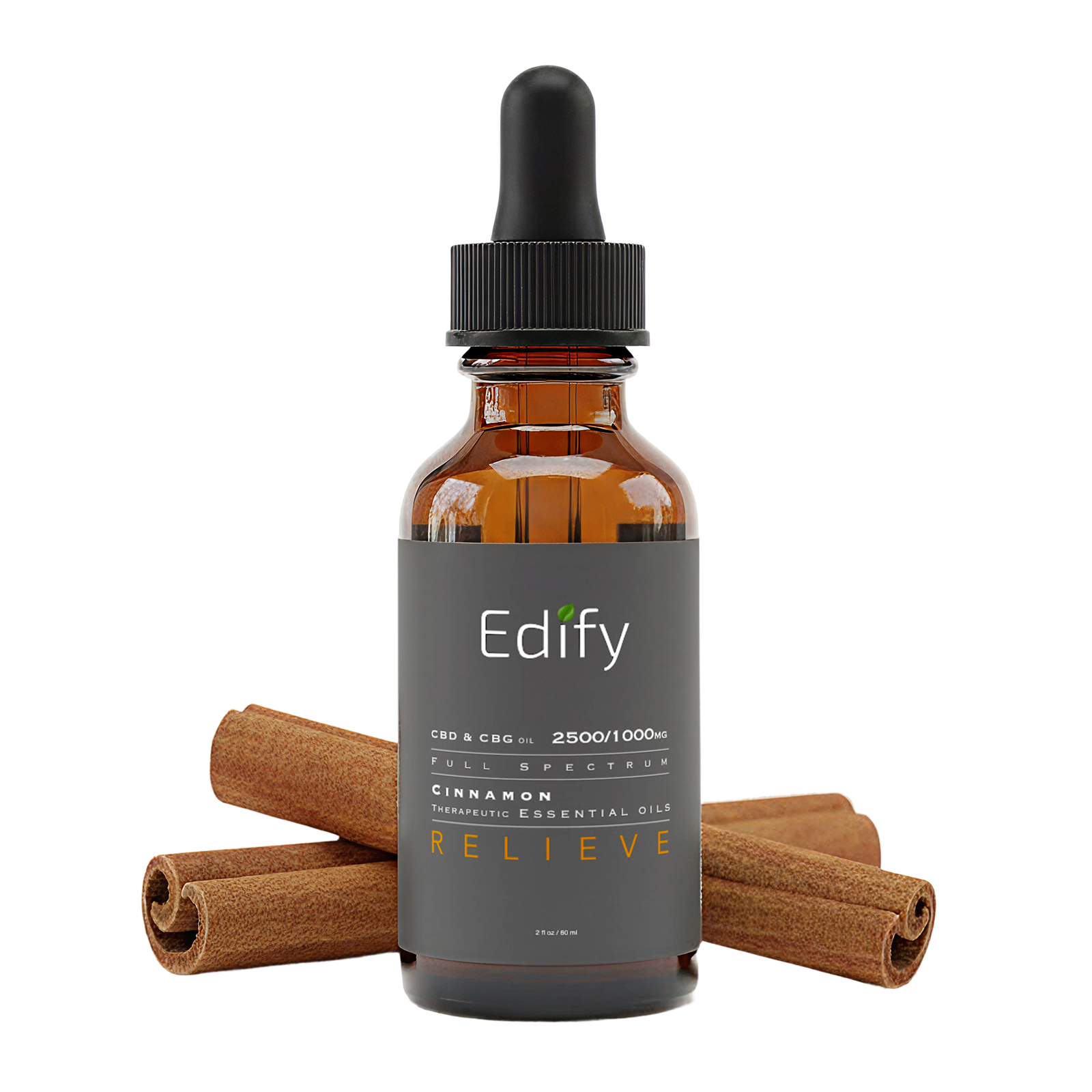
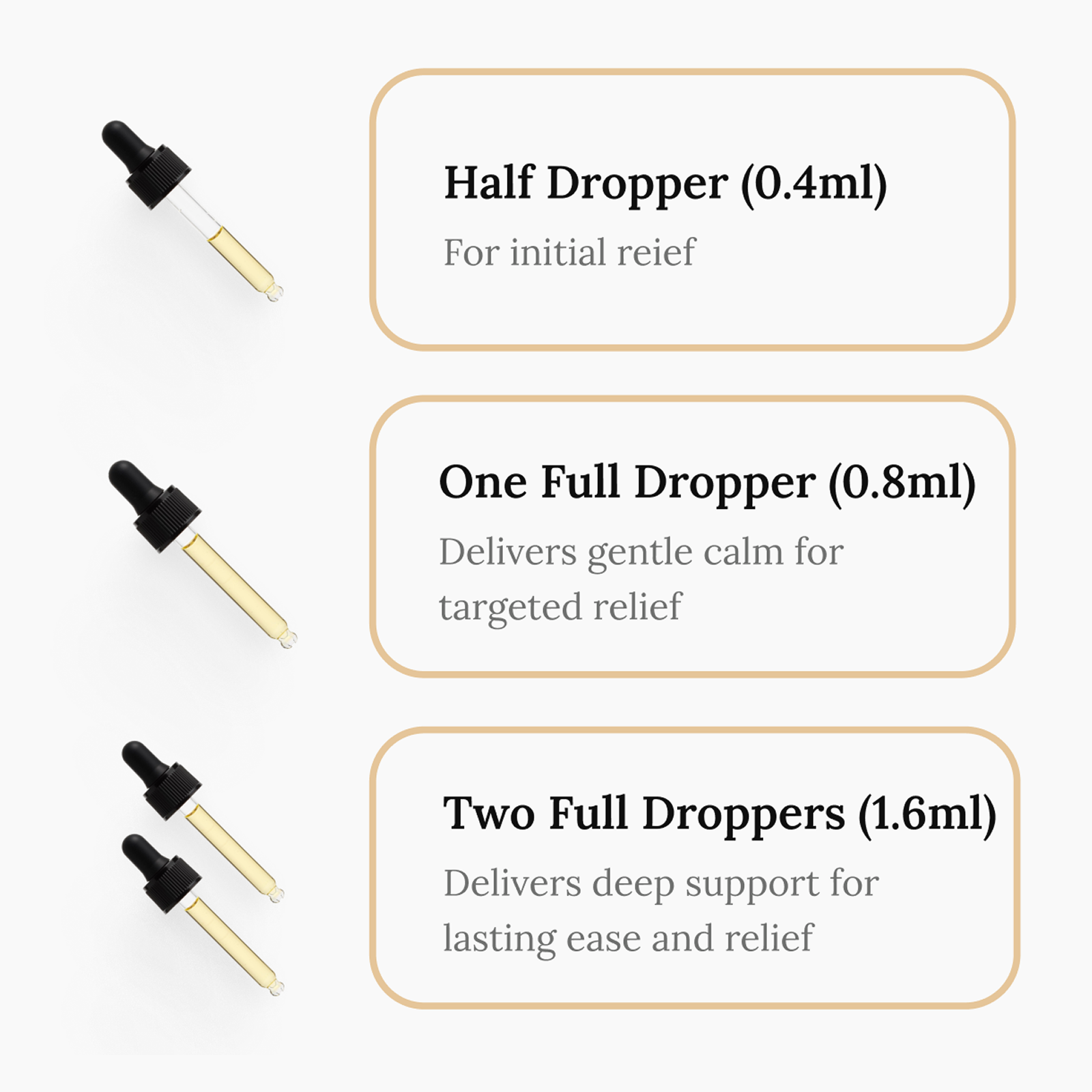
- CBD Oil & Tinctures
- THC Gummies
- Mushroom Gummies
- CBN Gummies
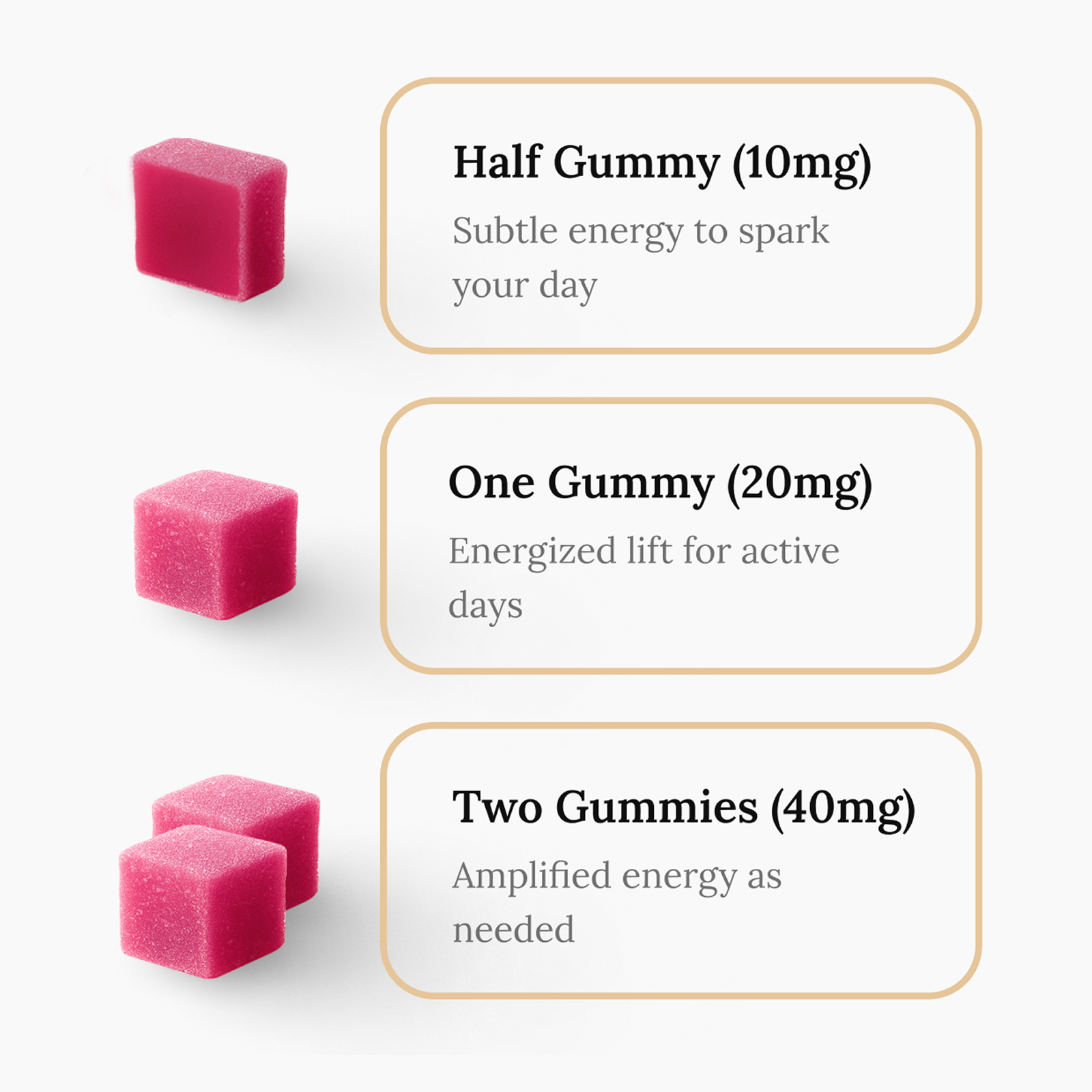
- Energy Gummies (THCV)
Medicare CBD Resources
- Does Medicare Cover CBD?
- Who Qualifies for Medicare CBD
- Medicare CBD Approved Products
- How the Medicare CBD Program Works
- Free CBD for Medicare Seniors
Written by the Edify Wellness Team














Share:
The Thoughtful Child's Guide to Giving CBD to an Aging Parent
The Medicare CBD Program: A Plain-English Guide for Patients