
Changes to federal hemp regulations could affect millions of seniors, caregivers, and the healthcare providers who support them. As the Centers for Medicare and Medicaid Services (CMS) explores expanded access to cannabidiol (CBD) products through new payment models, the underlying federal hemp law is also being revised. Understanding what's being proposed now helps you prepare for what may become available through your health plan or provider network.
For seniors managing chronic pain, anxiety, or other conditions, and for caregivers seeking evidence-based options, these changes matter. They affect which products may be covered, how they'll be prescribed, and what rules apply. This guide explains what's being considered at the federal level and how it connects to Medicare and your healthcare decisions.
What Federal Hemp Law Changes Are Being Proposed?
A revision to federal hemp law is expected that could modify the current THC (tetrahydrocannabinol) limits placed on hemp-derived products. Currently, hemp products are legally defined at the federal level as containing no more than 0.3 percent THC by dry weight. This strict limit was set to distinguish hemp from marijuana and to prevent intoxication.
Proposals under discussion suggest adjusting these THC thresholds, though specific new limits have not yet been finalized. The goal of revising the law is to create clearer standards for CBD products used in healthcare settings, particularly those being studied or deployed through Medicare models. A revision could also help standardize how hemp products are tested, labeled, and distributed across state lines.
These changes do not mean hemp products will become unregulated or that THC limits will be removed entirely. Instead, federal lawmakers and agencies are working to establish definitions that support medical use while maintaining public safety. The revision also aims to clarify the role of the FDA (Food and Drug Administration) in overseeing hemp-derived products, especially CBD.
It's important to note that the FDA has issued guidance memos indicating enforcement discretion for certain CBD products used in clinical research and care models. This discretion has allowed CMS to move forward with pilot programs while the broader legal framework is being updated.
How CMS Is Responding to Hemp Law Developments
The Centers for Medicare and Medicaid Services is not waiting for hemp law changes to be fully finalized. Instead, CMS is proactively developing models that make CBD available to Medicare beneficiaries under specific conditions. These efforts are being led through the CMS Innovation Center, which tests new care and payment approaches.
One major initiative is the Beneficiary Engagement Initiative (BEI), which includes CBD access as a covered benefit in limited settings. Seniors enrolled in participating Accountable Care Organizations (ACOs) may qualify to receive FDA-approved or clinically studied CBD products at no cost. The current pilot covers oral CBD products only, with a cap of up to 500 dollars per beneficiary per year.
CMS has also begun incorporating CBD considerations into other established models, including the ACO REACH program and the Enhancing Oncology Model. These programs allow providers and health systems to test whether offering CBD alongside standard treatment improves outcomes for conditions like cancer-related pain or chemotherapy side effects.
In response to the expected hemp law revision, CMS has indicated it will align its coverage policies with any new federal definitions and standards. This means that as THC limits or other regulations change, Medicare's rules for what counts as a covered CBD product may shift as well. CMS leadership has committed to making these policy adjustments quickly so that seniors are not caught between old federal law and new Medicare guidance.
What This Means for Seniors and Their Caregivers
If you are a senior or caregiver considering CBD, the changing legal landscape brings both opportunities and uncertainties. Here's what you should know:
Increased Access: Federal hemp law revisions combined with CMS pilot programs mean more seniors may become eligible for CBD products through Medicare. Instead of paying out of pocket, qualifying beneficiaries may access these products at no or low cost.
Clearer Product Standards: As federal law is updated, CBD products will be more clearly labeled and tested. You'll have better information about what's in a product, how much CBD it contains, and whether it meets federal standards. This reduces the risk of purchasing mislabeled or contaminated products.
Provider Guidance: As hemp law changes move forward, more healthcare providers will become comfortable discussing CBD with patients. Your doctor or nurse can help you understand whether CBD is appropriate for your specific condition and how it fits with your other medications.
State Variation: Even with federal hemp law changes, some states may have their own stricter rules. Your state's medical board or pharmacy board may impose additional requirements or restrictions on CBD products. Always check your state's current regulations.
Navigating the Transition: The period between the proposal of new federal hemp law and its final passage or implementation can be confusing. If you want to understand your options now, speak with your healthcare provider about joining a CMS pilot program or ask your insurance plan whether CBD coverage is available to you. You can also visit the Medicare CBD information page to learn about current programs.
How Healthcare Providers Are Preparing
Accountable Care Organizations, clinics, and health systems are preparing for federal hemp law changes by updating their policies and training staff. Many are enrolling in pilot programs through CMS to gain experience with CBD prescribing and monitoring before regulations are finalized.
Some ACOs have begun working with GPO (Group Purchasing Organization) contracts to secure supply agreements for high-quality CBD products. These contracts help ensure consistent product availability and fair pricing. However, ACOs are not locked into any single vendor, so they can adjust their sourcing as federal law and market conditions evolve.
Healthcare providers are also watching for updates from federal agencies, including any new guidance from the FDA or clarifications from HHS (U.S. Department of Health and Human Services) leadership on how hemp products will be regulated going forward. As federal hemp law changes are enacted, providers will receive updated guidance on which products meet Medicare standards and how to document CBD use in patient records.
For seniors already working with a healthcare provider, this preparation means your provider is likely considering how CBD might benefit you. It's a good time to ask questions about CBD, its benefits, any risks, and whether you qualify for any pilot programs or coverage.
Looking Ahead: What Remains Unclear
While federal hemp law changes are expected, some details remain uncertain. The exact THC limits that will be set, the timeline for finalizing new regulations, and how all 50 states will adapt their own laws are still being determined.
Additionally, ongoing litigation and regulatory debates continue in some areas. Stakeholders, advocacy groups, and industry representatives are engaged in the process, which means the final shape of federal hemp law may shift as these discussions unfold.
For seniors and caregivers, the message is clear: stay informed, talk to your healthcare provider, and check whether you qualify for any current CBD access programs through your Medicare plan. As federal hemp law changes come into focus, these conversations will become even more important.
To learn more about current Medicare CBD options and how to determine if you're eligible, visit the Medicare CBD information page. For information on specific programs like ACO REACH and how they work, explore our ACO REACH details page. You may also want to review CBD safety and drug interaction information before discussing options with your doctor.
Shop Edify CBD & Wellness Products
- CBD Gummies
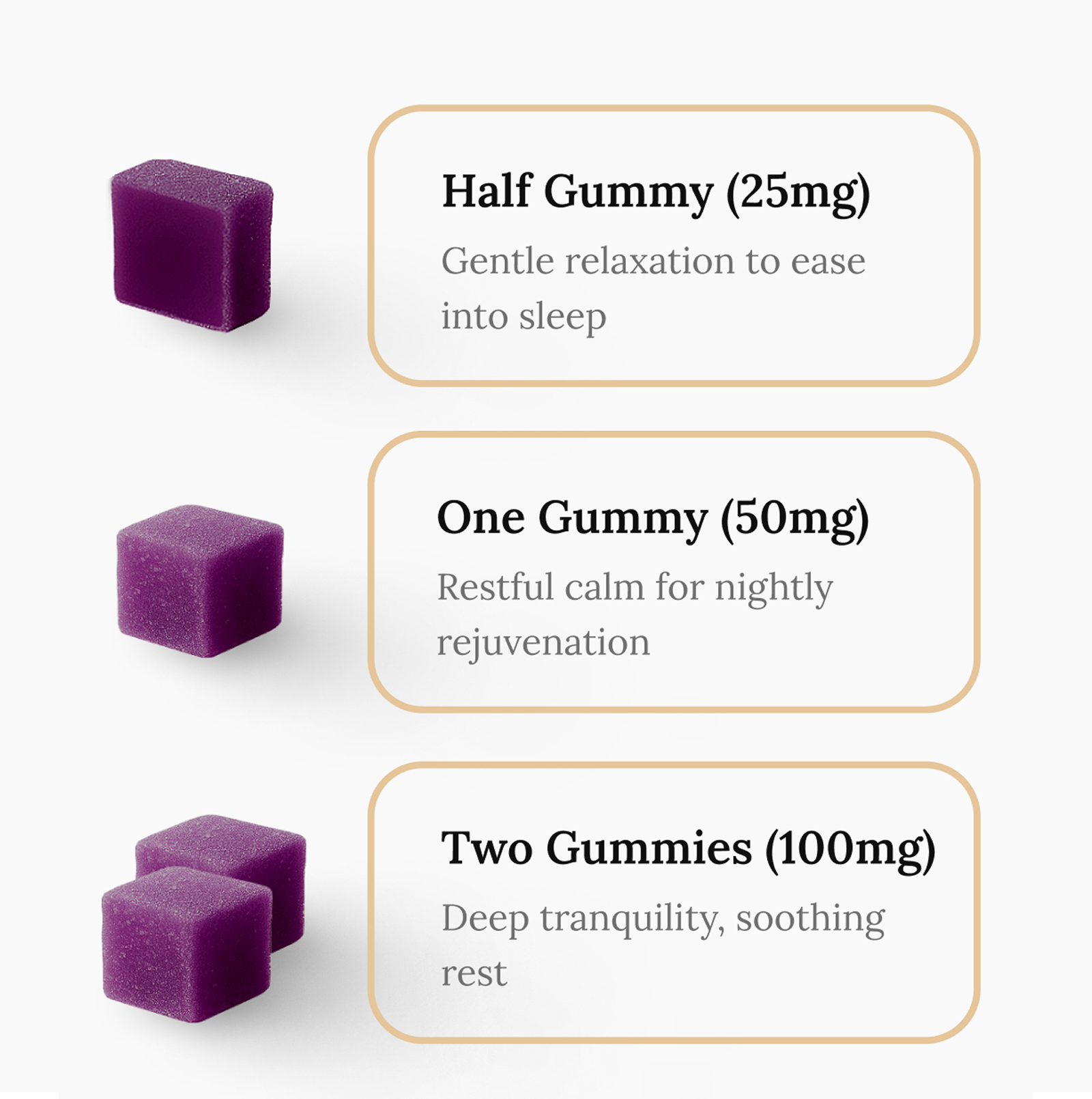
- Sleep CBD Gummies
- Gummies for Pain Relief
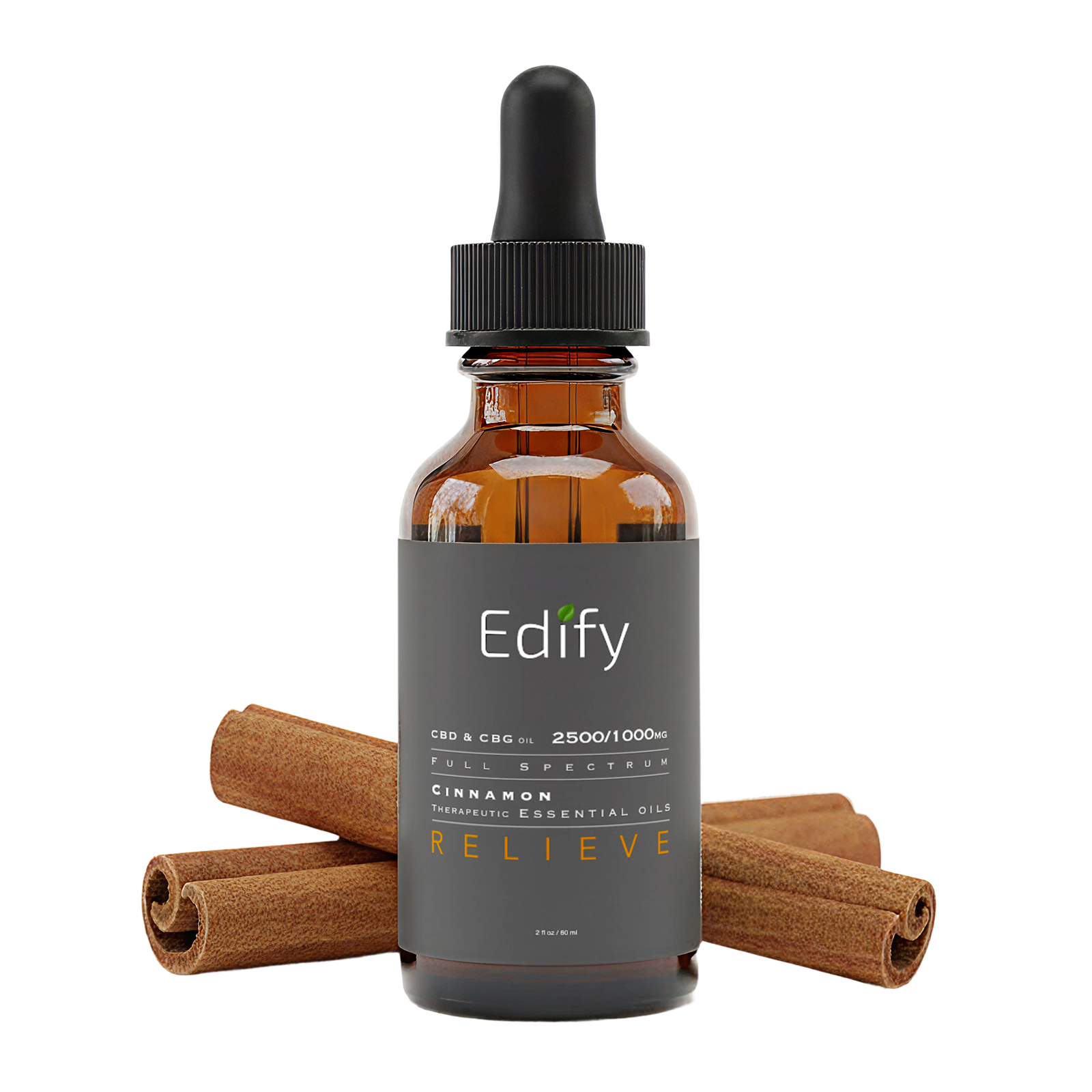
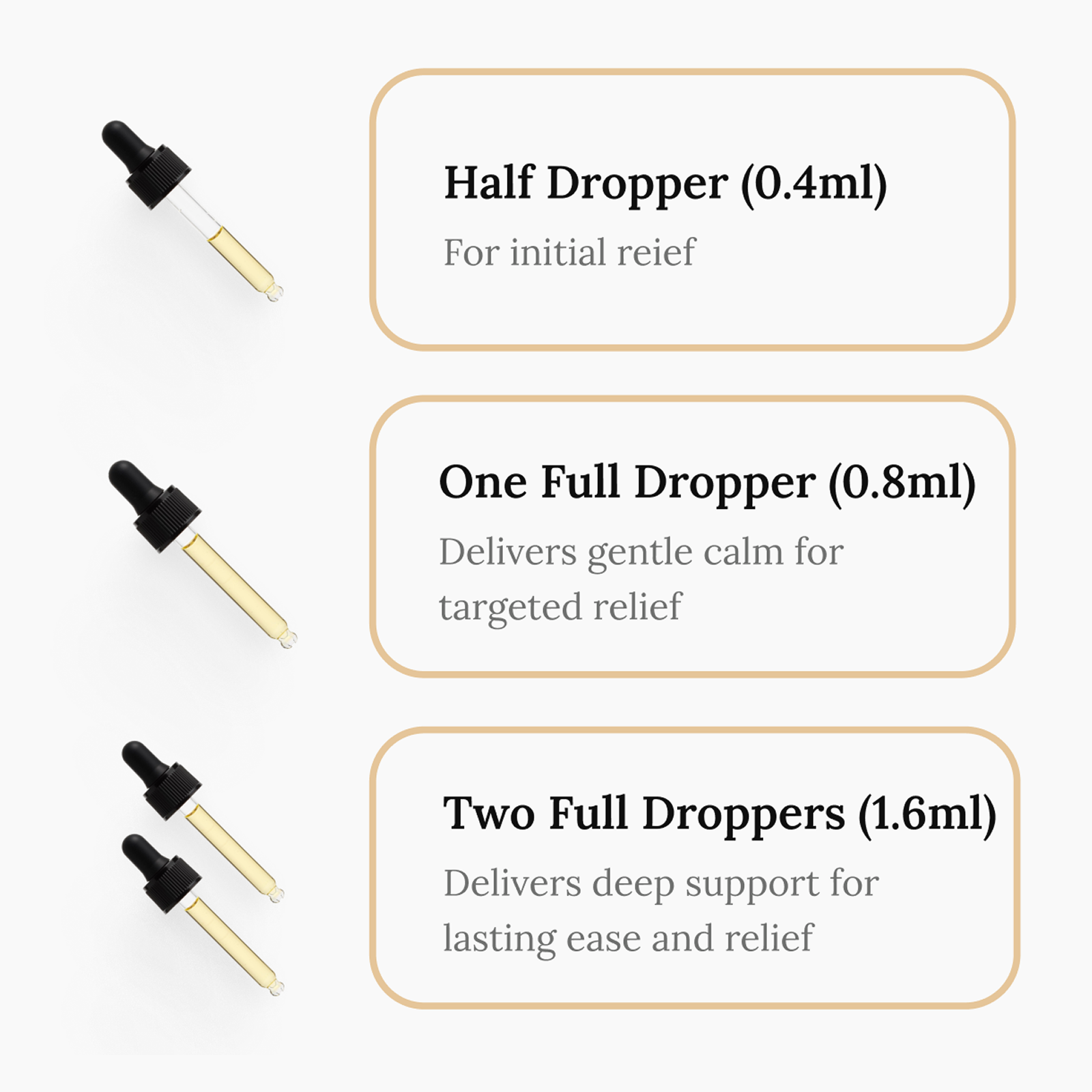
- CBD Oil & Tinctures
- THC Gummies
- Mushroom Gummies
- CBN Gummies
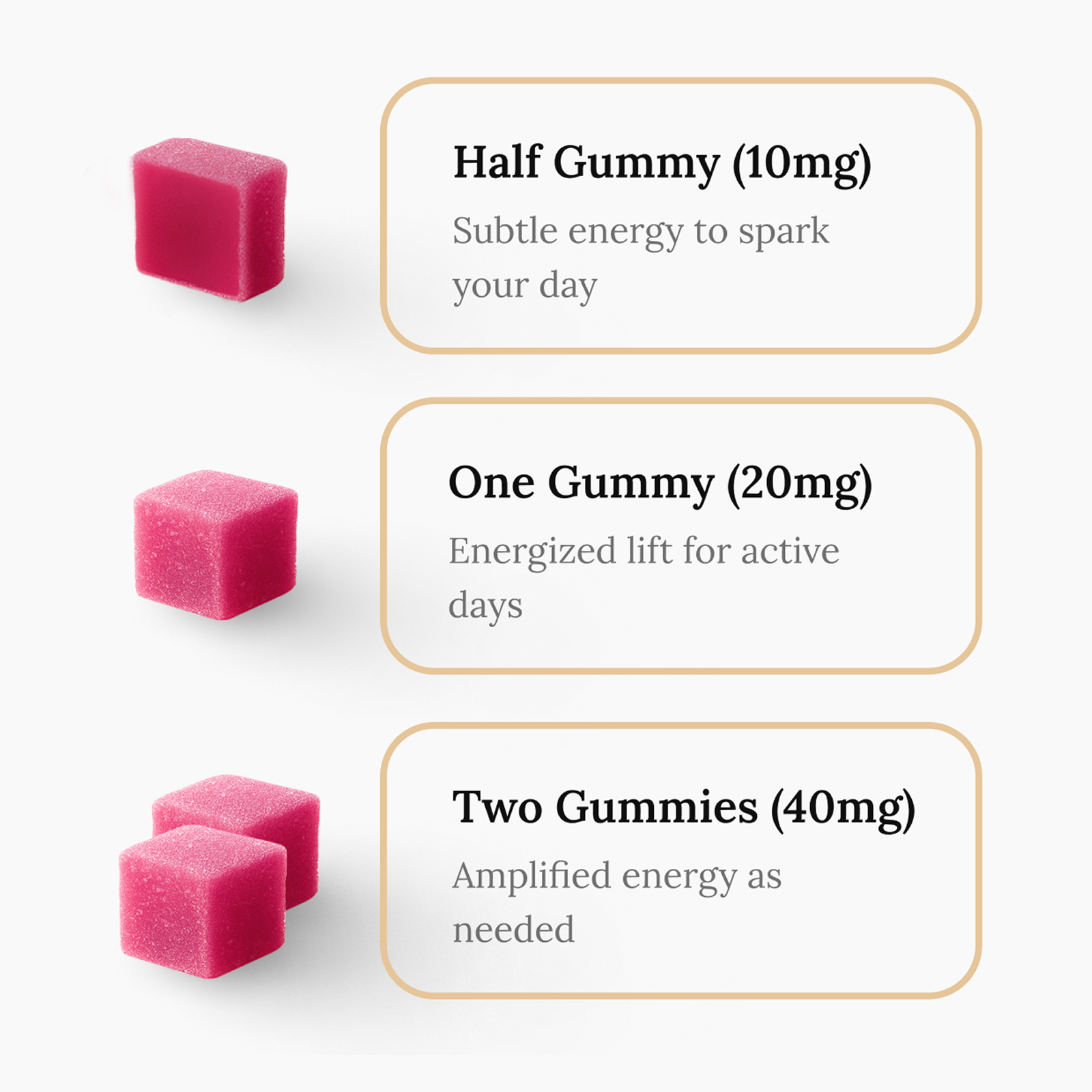
- Energy Gummies (THCV)
Written by the Edify Wellness Team
Disclaimer: This article is for informational purposes and does not constitute medical advice. CBD products referenced are not FDA-approved medications. Always consult with your healthcare provider before starting any new treatment, including CBD. If any CBD products are mentioned in connection with specific health claims, those claims have not been evaluated by the FDA, and such products are not intended to diagnose, treat, cure, or prevent any disease. Individual results may vary.
















Share:
How to Dose CBD for Seniors: Start Low, Go Slow
CBD Drug Interactions: The Complete List for Seniors