
As an ACO administrator, physician, or oncology clinic staff member, you know that patient outcomes depend on understanding what actually works in real-world practice. Clinical trials tell part of the story. But what do your patients and your colleagues experience when they use CBD? This post shares genuine feedback from seniors and the clinicians who care for them, providing practical insights that go beyond published research.
The growing interest in CBD among older adults presents both opportunities and questions for healthcare providers. With seniors representing a significant portion of ACO populations, understanding their actual experiences with CBD can help you make informed decisions about patient education, care protocols, and product recommendations.
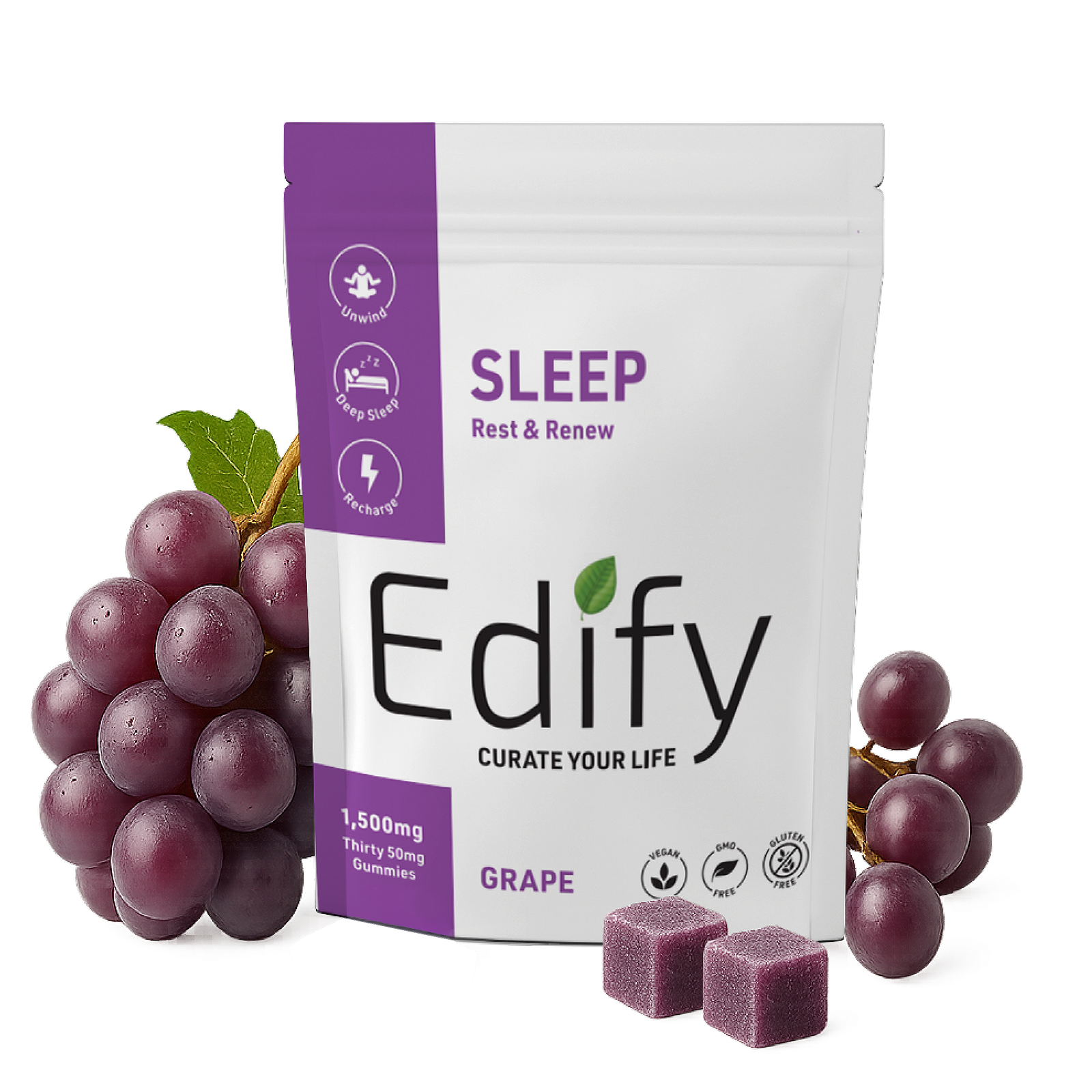
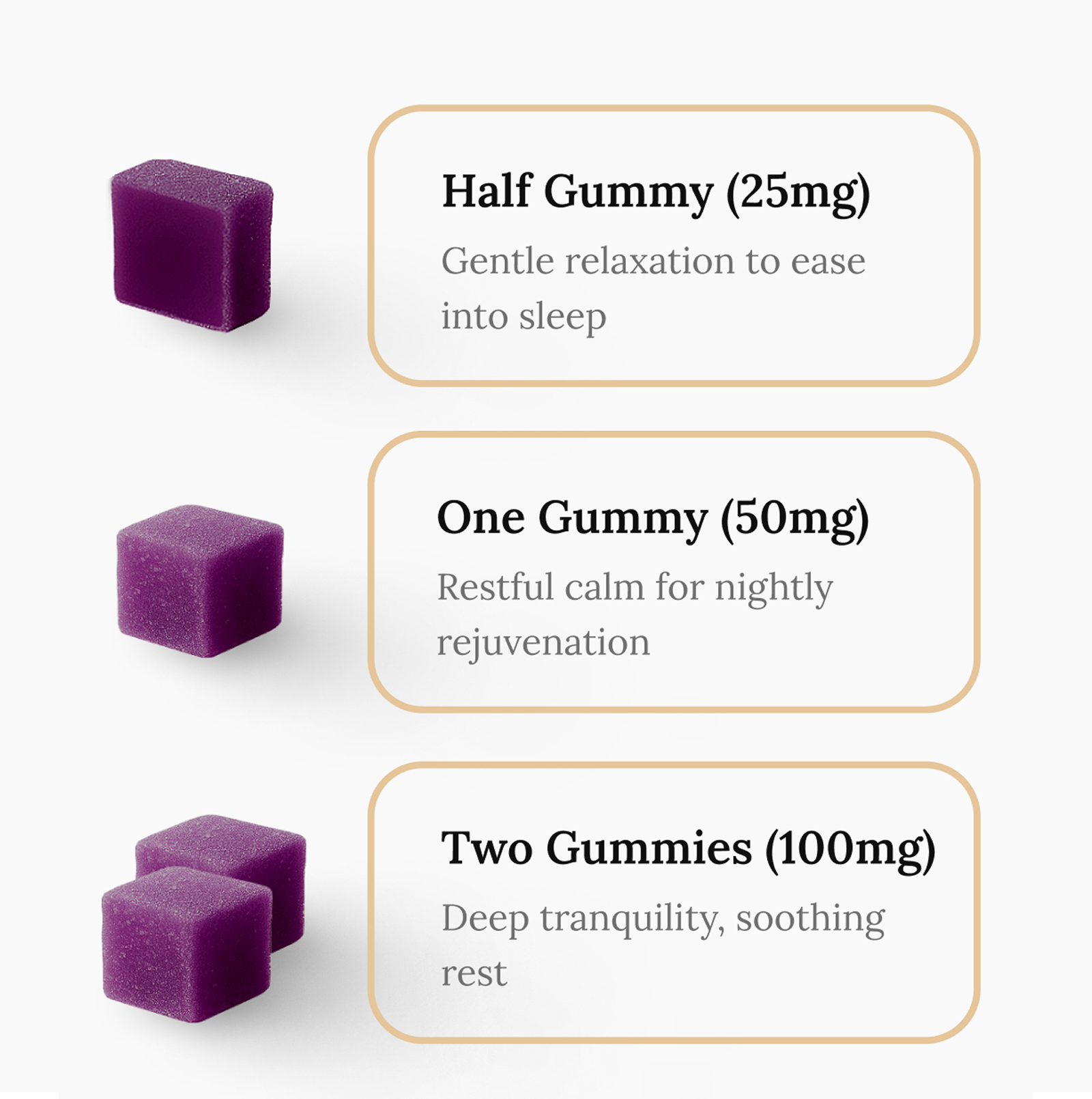
Seniors Report Improved Sleep Quality Without Morning Grogginess
One of the most consistent observations from seniors using CBD comes down to sleep. Unlike traditional sleep medications that often leave older adults feeling foggy the next morning, many report that CBD-based products support more natural sleep patterns without the hangover effect.
"I've tried everything for insomnia," one 72-year-old patient shared with her primary care physician. "The prescription medications left me feeling like I was moving in slow motion. With CBD, I actually feel like myself in the morning." This experience reflects a pattern clinicians are noting among their geriatric patients.
From a medical standpoint, this matters because poor sleep quality in older adults can compound existing health conditions and increase fall risk. When seniors find alternatives that support restful sleep without residual sedation, the downstream benefits for overall health management become significant. Many clinicians report that improved sleep quality in their older patients correlates with better medication compliance, improved mood, and fewer fall-related incidents.
The lack of morning impairment also means seniors can maintain independence and continue their daily routines without safety concerns. This preserves quality of life while addressing a genuine health need.
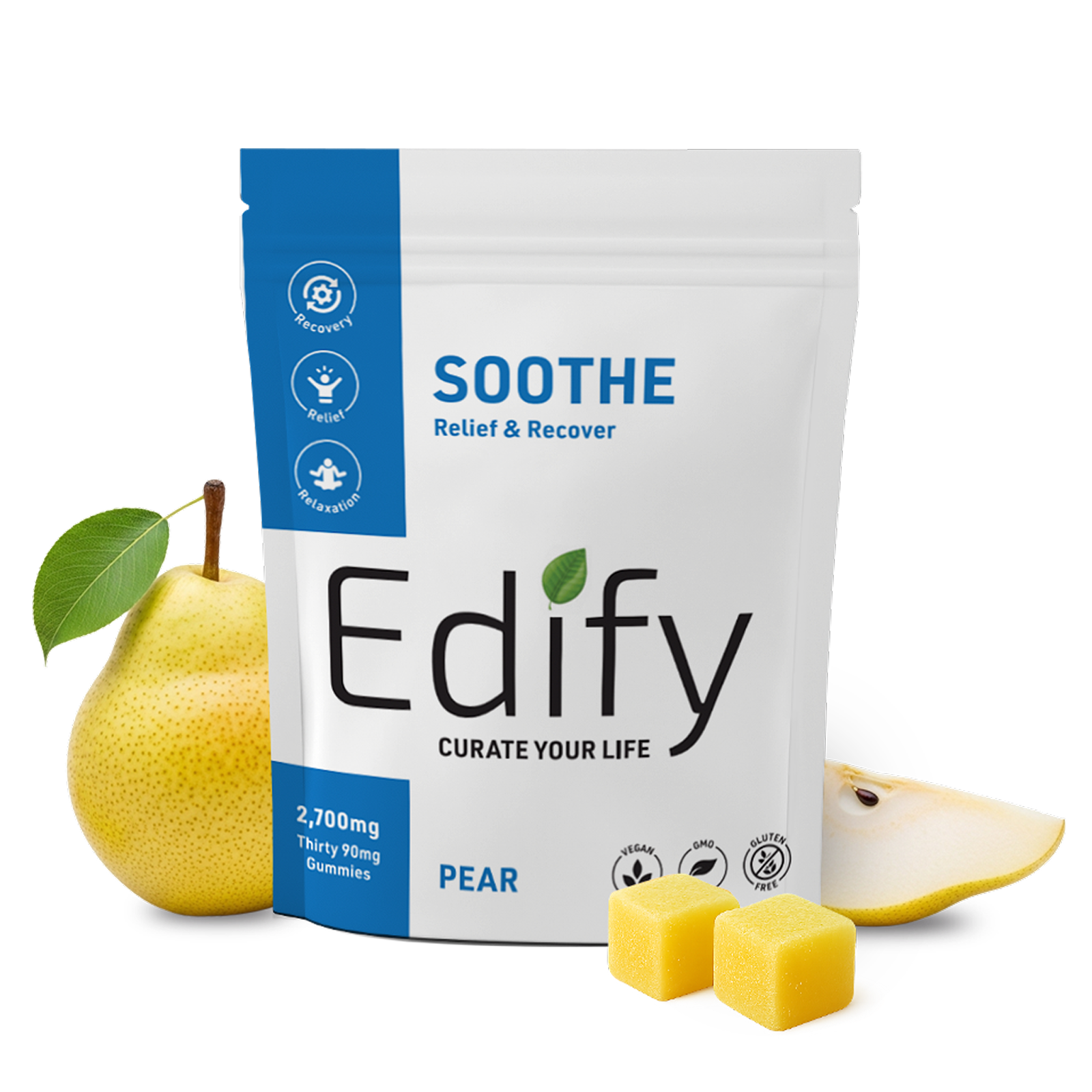
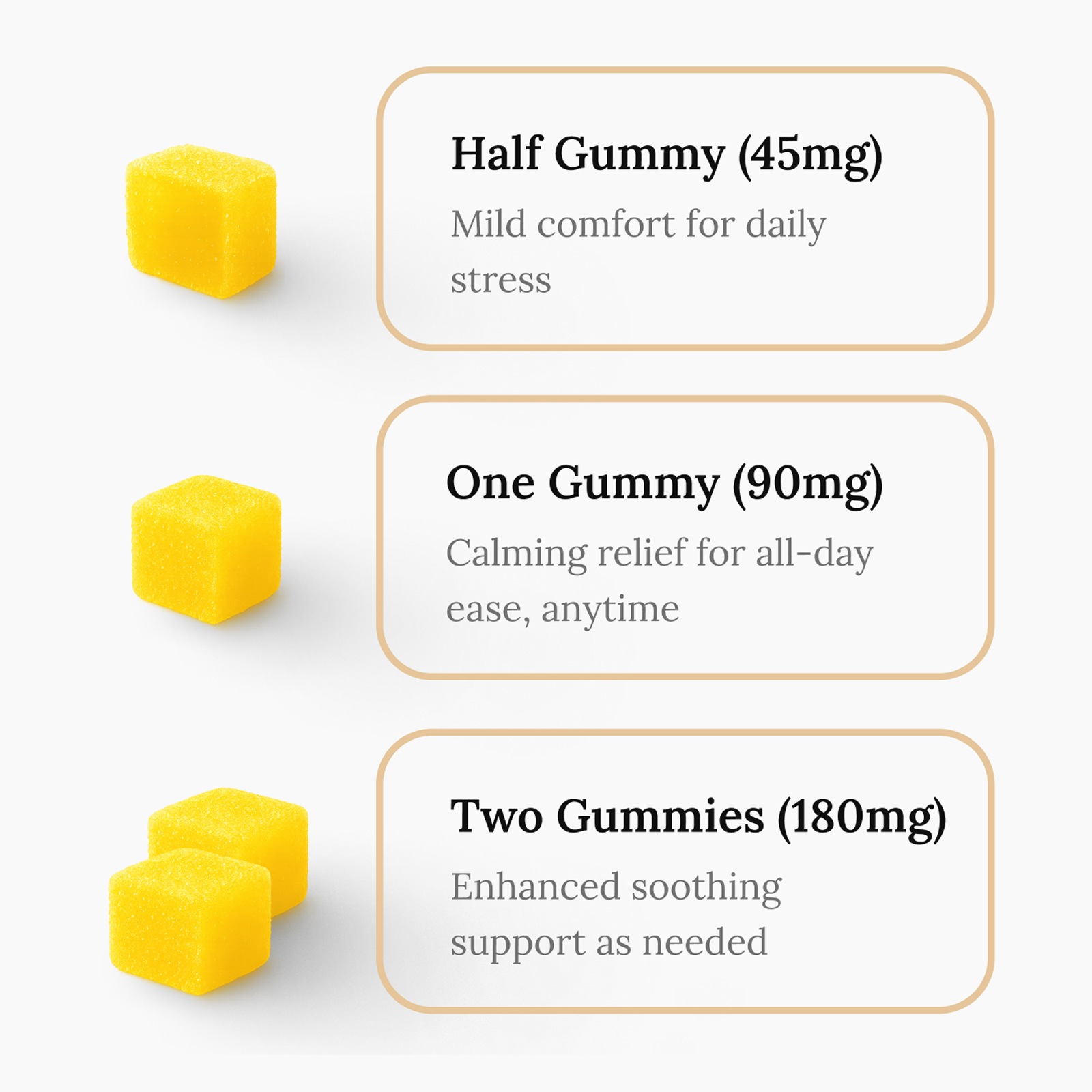
Clinicians Observe Reduced Pain-Related Mobility Decline
Pain management for older adults presents unique challenges. Traditional NSAIDs carry gastrointestinal risks with long-term use. Opioids bring concerns about dependence and cognitive effects. Oncology clinic staff, in particular, see patients struggling with cancer-related pain alongside their treatment protocols.
Several experienced oncologists report that CBD products offer their older patients another option for pain management that works synergistically with their existing care plans. "What I'm seeing is that patients who incorporate CBD report less reliance on additional pain medications," one clinic director noted. "More importantly, they maintain better mobility and participate more actively in their recovery."
This observation has significant implications for ACO administrators tracking mobility outcomes and functional status in aging populations. Maintaining movement capacity directly affects hospital readmission rates, falls risk, and long-term independence. When patients can manage pain more effectively without cognitive side effects, they engage better with physical therapy, continue daily activities, and often experience better overall outcomes.
Geriatric specialists emphasize that this is not a replacement for comprehensive pain management but rather a component that some patients find valuable within their broader treatment approach.
Anxiety Management Without Dependency Concerns
Healthcare providers working with seniors frequently encounter anxiety related to health conditions, treatment protocols, or life transitions. Traditional anti-anxiety medications carry their own considerations in older populations, including falls risk, cognitive effects, and dependency potential.
Feedback from both seniors and their clinicians suggests that CBD may help manage situational anxiety and generalized worry without some of these concerns. One geriatric psychiatrist observed, "I'm recommending CBD to patients with mild-to-moderate anxiety who want to avoid medication escalation. The feedback has been positive, and I'm not seeing the dependency patterns we see with benzodiazepines."
For ACO administrators, this represents potential value in reducing polypharmacy among your senior population. Polypharmacy increases medication interaction risks and often leads to cascading health complications. Options that reduce the need for additional prescriptions can improve safety metrics while supporting patient preference for lower-intervention approaches.
Many seniors specifically mention valuing CBD products because they feel they are taking an active role in their health management without feeling overly medicated.
Oncology Patients Report Better Nausea Management and Appetite Support
Oncology clinic staff hear directly from patients about treatment side effects. Cancer treatment, particularly chemotherapy, frequently causes nausea and appetite loss that complicate nutritional status and overall recovery.
Patients receiving cancer treatment report that CBD products help manage nausea and support appetite in ways that allow them to maintain nutrition during critical treatment phases. One oncology nurse specialist noted, "We're seeing patients actually maintain weight better and report less severe nausea episodes when they use quality CBD products alongside their treatment plans."
From a clinical perspective, maintaining adequate nutrition during cancer treatment directly impacts treatment tolerance, immune function, and recovery outcomes. When patients can eat more consistently and experience less distressing nausea, they often complete their treatment protocols more successfully and with fewer dose adjustments.
Oncology clinicians emphasize the importance of using verified, compliant CBD products and maintaining open communication with the care team. That's where working with a trusted supplier becomes essential.
What Healthcare Providers Need to Know About Product Quality and Compliance
Across all these patient experiences, one theme emerges from clinicians: product quality and compliance matter enormously. When seniors or their doctors discuss disappointing results with CBD, it often traces back to inconsistent products, questionable sourcing, or lack of verification.
As a healthcare provider, recommending or discussing CBD with patients requires confidence in product standards. This means working with suppliers who maintain rigorous compliance documentation, transparent lab testing, and consistent quality standards that meet healthcare-grade expectations.
Edify Wellness operates with full compliance documentation and third-party verification. Our products come with accessible lab results and Certificates of Analysis (COA) that allow you to verify potency and purity. For detailed compliance information, visit our compliance documentation page. You can also review lab results and COA for any product.
If you're exploring CBD options for your patient population or ACO protocols, we can discuss solutions tailored to healthcare settings. Request information about wholesale CBD options or learn more about CBD for Medicare populations.
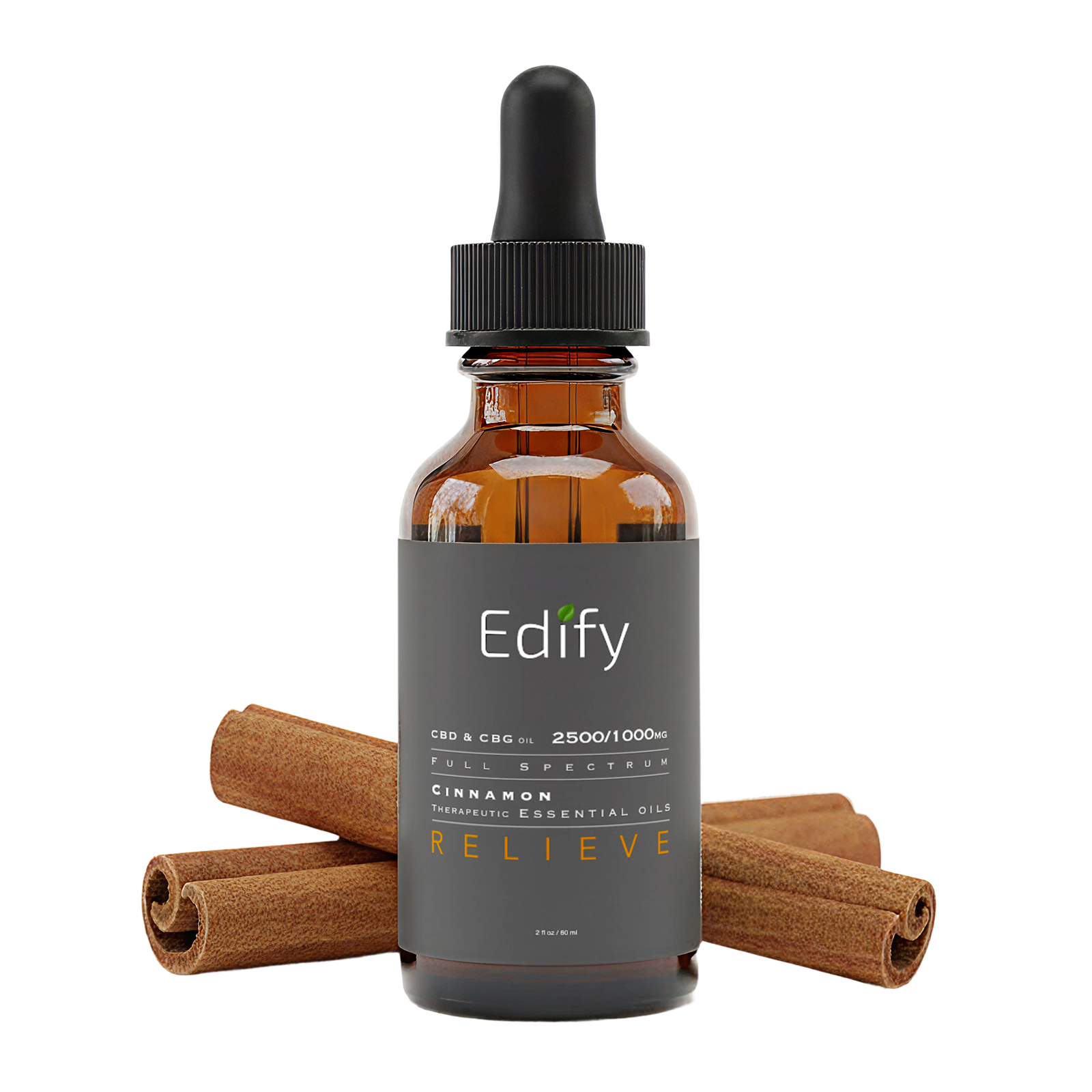
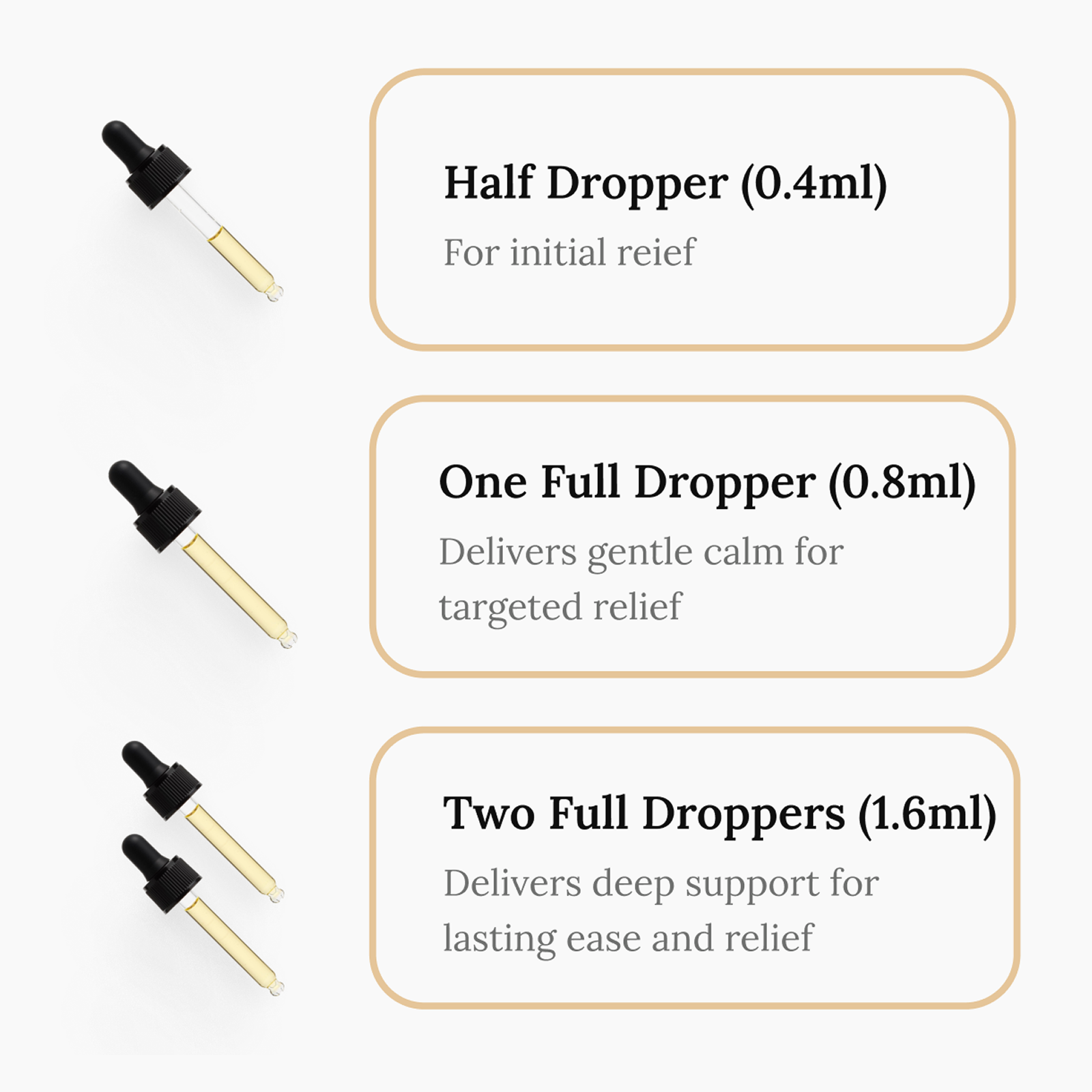
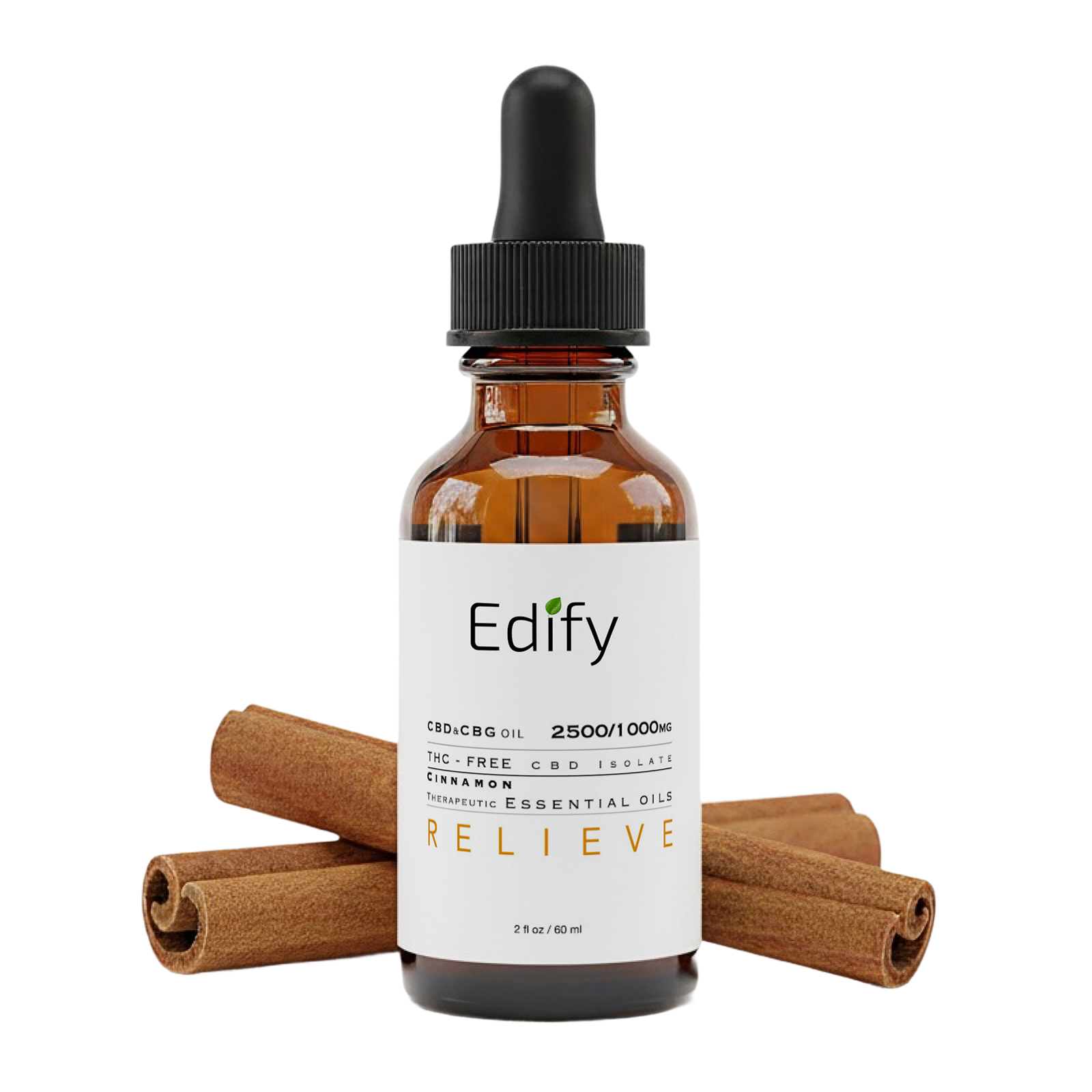
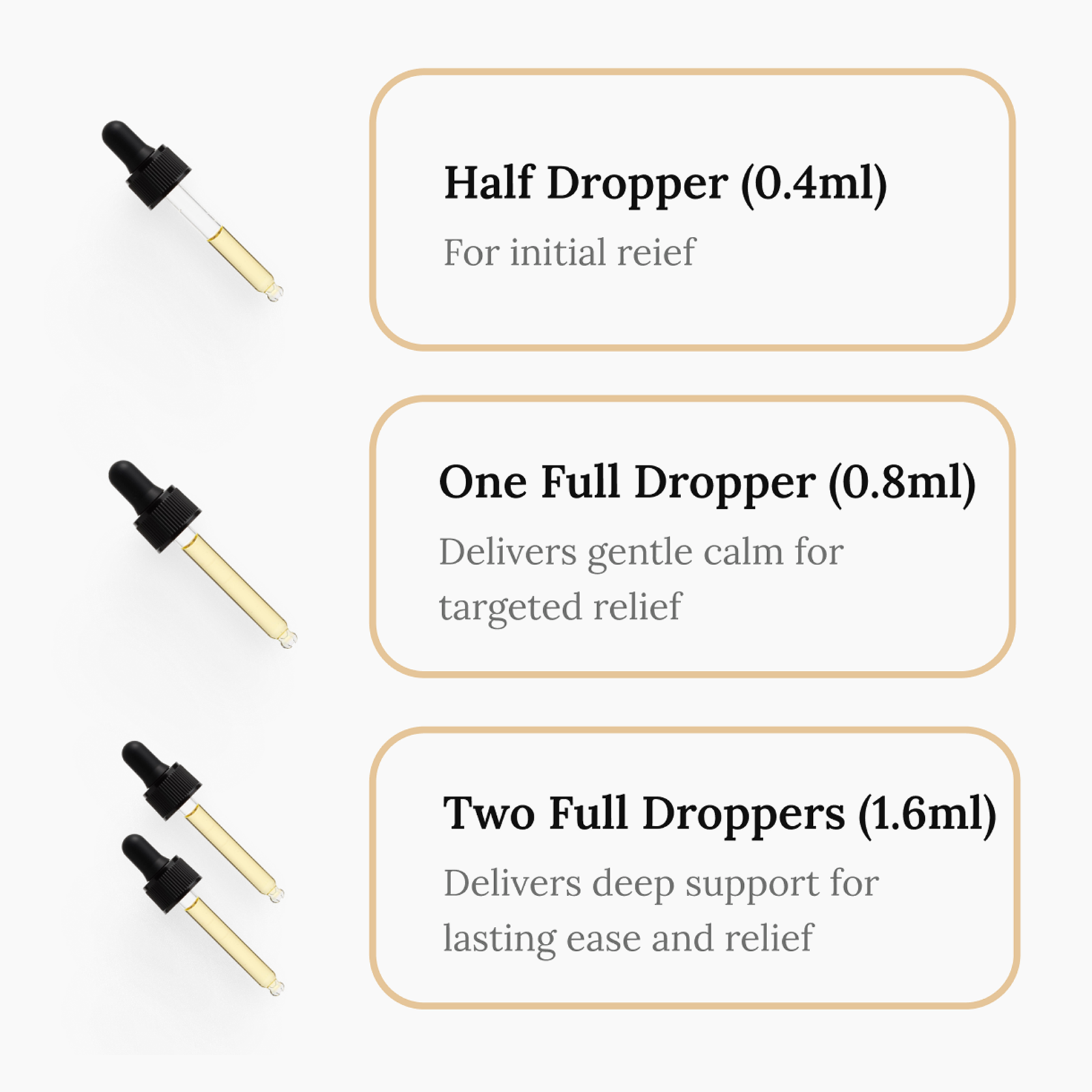
Many clinicians also find that having specific product options available helps facilitate conversations with patients who ask about CBD. Our CBD tincture designed for older adults provides a reliable option with clear dosing and quality assurance that meets healthcare standards.
Building Confidence in Patient Conversations
The real-world feedback from seniors and clinicians creates an important foundation for your own patient conversations. You don't need to recommend CBD universally, but understanding what patients and colleagues are actually experiencing allows you to discuss it knowledgeably when patients bring it up.
This matters because patients often research CBD independently and will ask their doctors about it anyway. Being prepared with current information, quality resources, and understanding of both potential benefits and limitations positions you as a knowledgeable partner in their care rather than dismissive of their interests.
The experiences shared by seniors and clinicians also highlight why working with verified, compliant suppliers matters. When a patient tries a low-quality product and has poor results, they may conclude CBD doesn't work and miss potential benefit from a quality option. Similarly, if you recommend something but can't verify its quality standards, you're putting your professional reputation at risk.
Moving Forward with Informed Recommendations
As healthcare providers serving older adults, you're positioned to help seniors make informed choices about CBD. That starts with understanding what real patients are experiencing, what clinicians are observing, and what quality standards matter for safe recommendations.
The feedback from seniors and clinicians suggests genuine value in specific applications: sleep support without morning impairment, pain management that preserves mobility, anxiety management without dependency concerns, and side effect support for cancer patients. These are meaningful healthcare applications worth considering as part of comprehensive care.
If you're ready to explore how CBD might fit into your ACO protocols or patient care offerings, Edify Wellness is here to support you with compliant, verified products and clear documentation. Learn more about our wholesale offerings, review our compliance standards, and access detailed product information through our lab results and COA.
Your patients deserve healthcare partners who understand both the research and the reality of living with health challenges. CBD represents one more tool in that toolkit for some patients. Making it available with confidence and quality assurance reflects the standard of care your patients deserve.
Written by the Edify Wellness Team
Shop Edify CBD & Wellness Products
- CBD Gummies
- Sleep CBD Gummies
- Gummies for Pain Relief
- CBD Oil & Tinctures
- THC Gummies
- Mushroom Gummies
- CBN Gummies
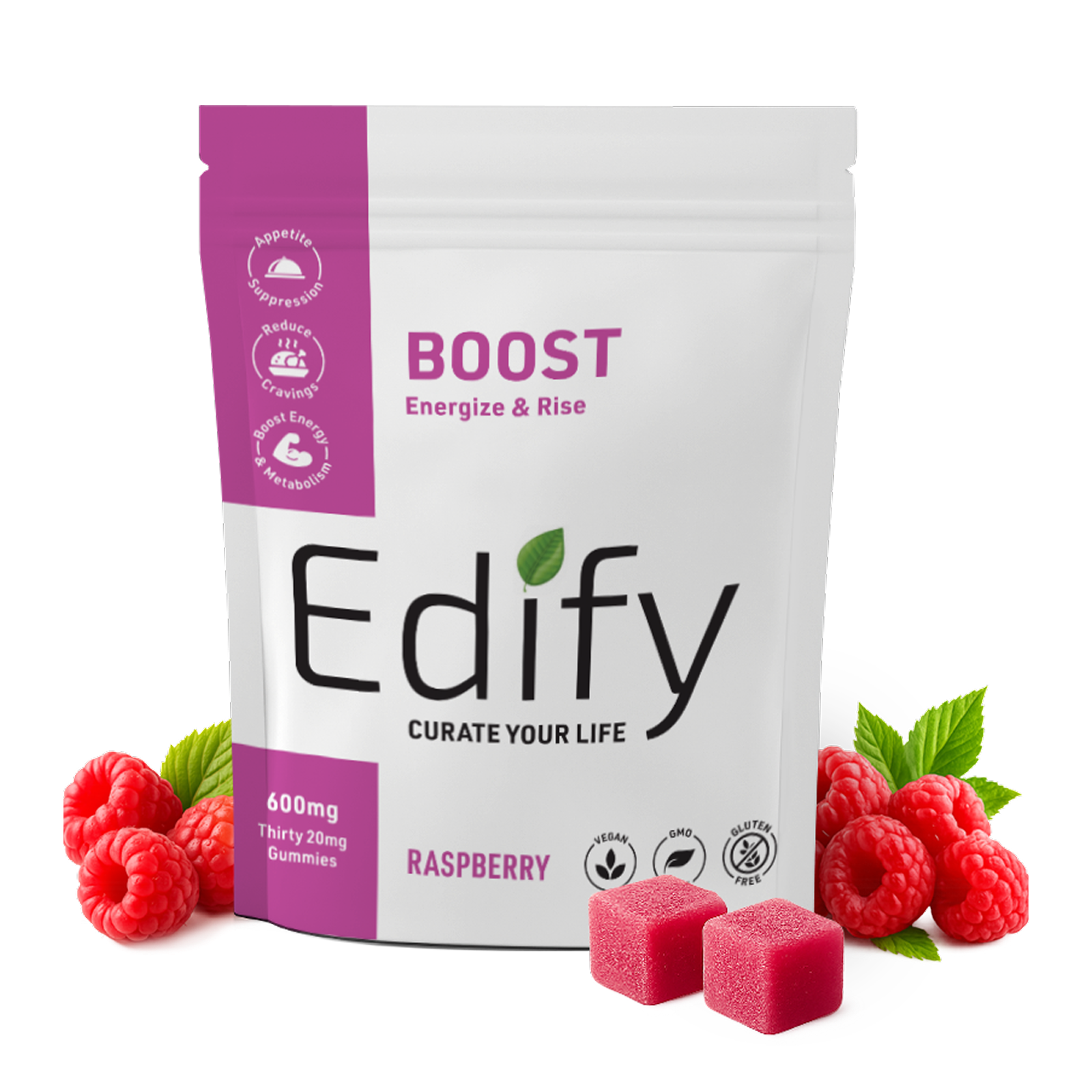
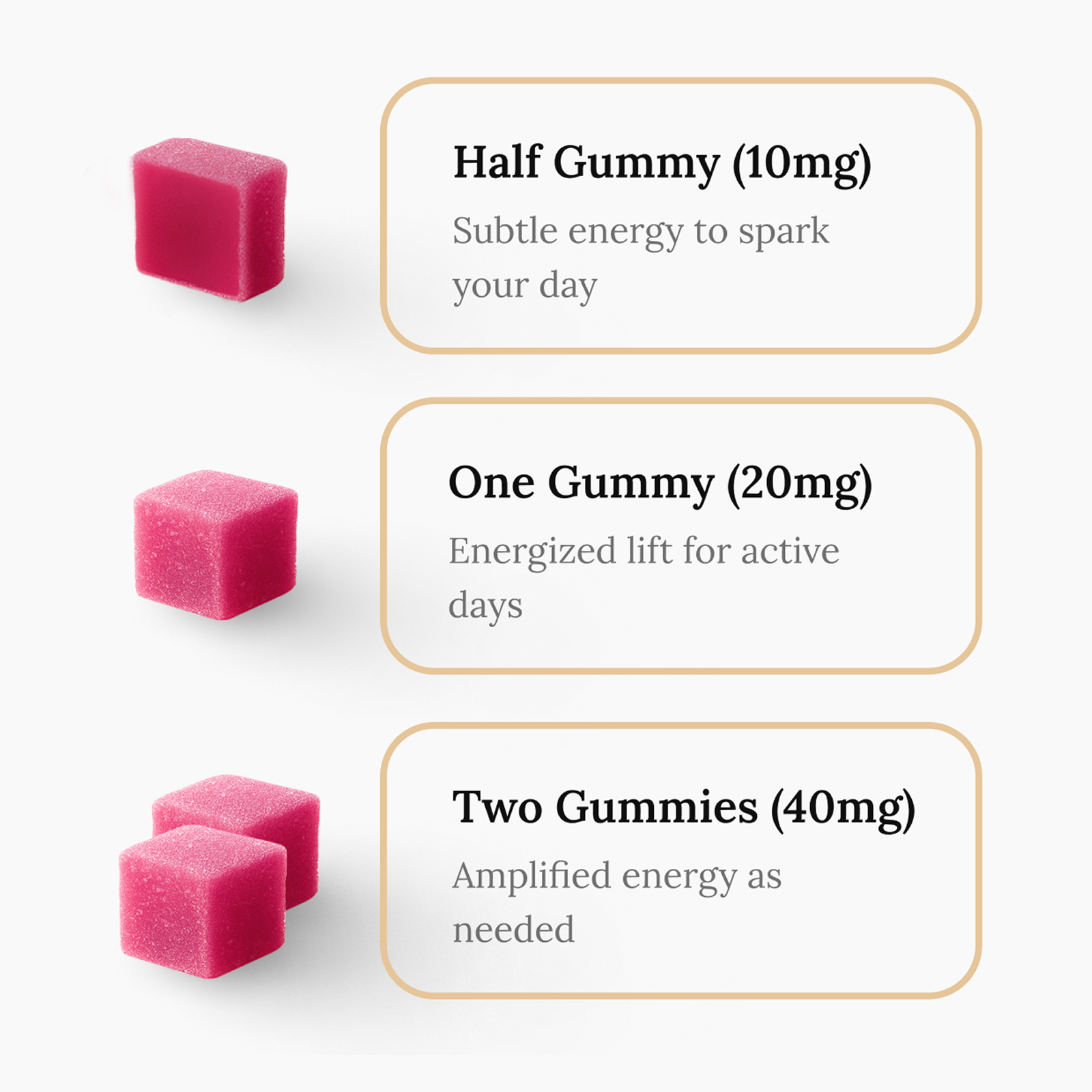
- Energy Gummies (THCV)












Share:
Why Seed-to-Self Traceability Matters for Healthcare-Grade CBD