
If you're reading this, you're probably in a familiar situation: you've heard about CBD, you think it might help your aging parent, but you're not sure how to bring it up. Maybe your parent is skeptical about anything "new." Maybe they worry about side effects or think CBD is the same as marijuana. Or maybe they're just set in their ways and resistant to change.
As an adult child or caregiver, you're trying to help. You want to support your parent's health and wellbeing. But you also know that pushing too hard can backfire. The good news is that this conversation doesn't have to be difficult. With the right approach, you can have a productive discussion about CBD that respects your parent's concerns while opening their mind to possibilities.
Here's how to navigate this important conversation.
Start by Understanding Their Perspective
Before you say anything about CBD, listen. Ask your parent what they already know or think about CBD. What have they heard? What worries them? Your parent might have legitimate concerns based on misinformation they've encountered online or on television.
Common concerns include:
- Fear that CBD will get them high
- Worry about addiction
- Concerns about government approval or safety
- Skepticism that it actually works
- Confusion about whether it's legal
When you understand what's really bothering your parent, you can address those specific concerns instead of giving a generic pitch. This approach shows respect for their intelligence and their autonomy. It also makes your parent feel heard, which makes them more open to listening to you in return.
Ask questions like: "What have you heard about CBD?" or "What concerns do you have about trying something new?" Let them talk. Don't interrupt or dismiss their worries, even if you think they're based on myths. Their fears are real to them, and validating those feelings is the first step toward change.
Share Credible Information, Not Hype
Once you know what your parent is worried about, you can address those concerns with facts. But here's the key: your parent is probably skeptical of hype. They've been around long enough to know when someone is overselling something. So don't oversell CBD.
Instead, share balanced, credible information. Explain what CBD actually is: a compound found in hemp plants that interacts with the body's endocannabinoid system. Talk about why many people use it, but be honest about what the research does and doesn't show.
Here are some facts that might help:
- CBD does not get you high. Only THC produces that effect.
- CBD is legal in all 50 states as long as it comes from hemp and contains less than 0.3% THC.
- Growing numbers of seniors are using CBD for wellness purposes.
- Many people find CBD helpful for managing everyday stress and occasional discomfort.
- Some insurance plans, including Medicare in certain circumstances, may cover CBD products. Learn more about Medicare and CBD.
If your parent asks about the science, be honest if you don't know something. Better to say "Let me find out" than to make something up. You could also suggest that your parent talk to their doctor about CBD. We have a resource on how to talk to a doctor about CBD that might help.
Connect CBD to Something They Already Care About
Your parent is more likely to be interested in CBD if they see how it connects to their own goals and concerns. What matters to them? What do they want to be able to do?
Maybe your parent wants to stay active and enjoy time with grandchildren. Maybe they're struggling with occasional discomfort that keeps them from gardening or golfing. Maybe they have trouble sleeping or managing stress. Maybe they want to reduce their reliance on multiple medications.
Frame the CBD conversation around these specific goals. For example: "I know your knee has been bothering you when we go hiking. Some people find that CBD helps them manage that kind of discomfort. Would you be open to trying it so we can get back to our hiking trips?"
This approach works because it's personal. It's not about CBD in general. It's about your parent's specific life and what matters to them. It shows that you're paying attention and that you care about their wellbeing, not just pushing a product.
Address the Drug Interaction Question
Many seniors take multiple medications, and your parent is right to be concerned about interactions. This is a legitimate worry, not a reason to dismiss CBD entirely. It's a reason to be smart and careful.
The first step is to talk to your parent's doctor. A healthcare provider who knows your parent's full medical history is the best resource for understanding whether CBD is appropriate and safe for them. You can also check out our guide on CBD and drug interactions for seniors.
If your parent is hesitant to bring this up with their doctor, offer to go with them to the appointment. Your presence might make them feel more confident raising the question. Write down any questions ahead of time so you don't forget anything.
When you talk to the doctor, bring the label from any CBD product you're considering. Information about dosage, ingredients, and third-party testing will help the doctor make an informed assessment.
Offer to Start Small and Track Results
One reason seniors resist trying new things is fear of the unknown. What if it doesn't work? What if it causes problems? One way to reduce this anxiety is to offer a low-risk trial.
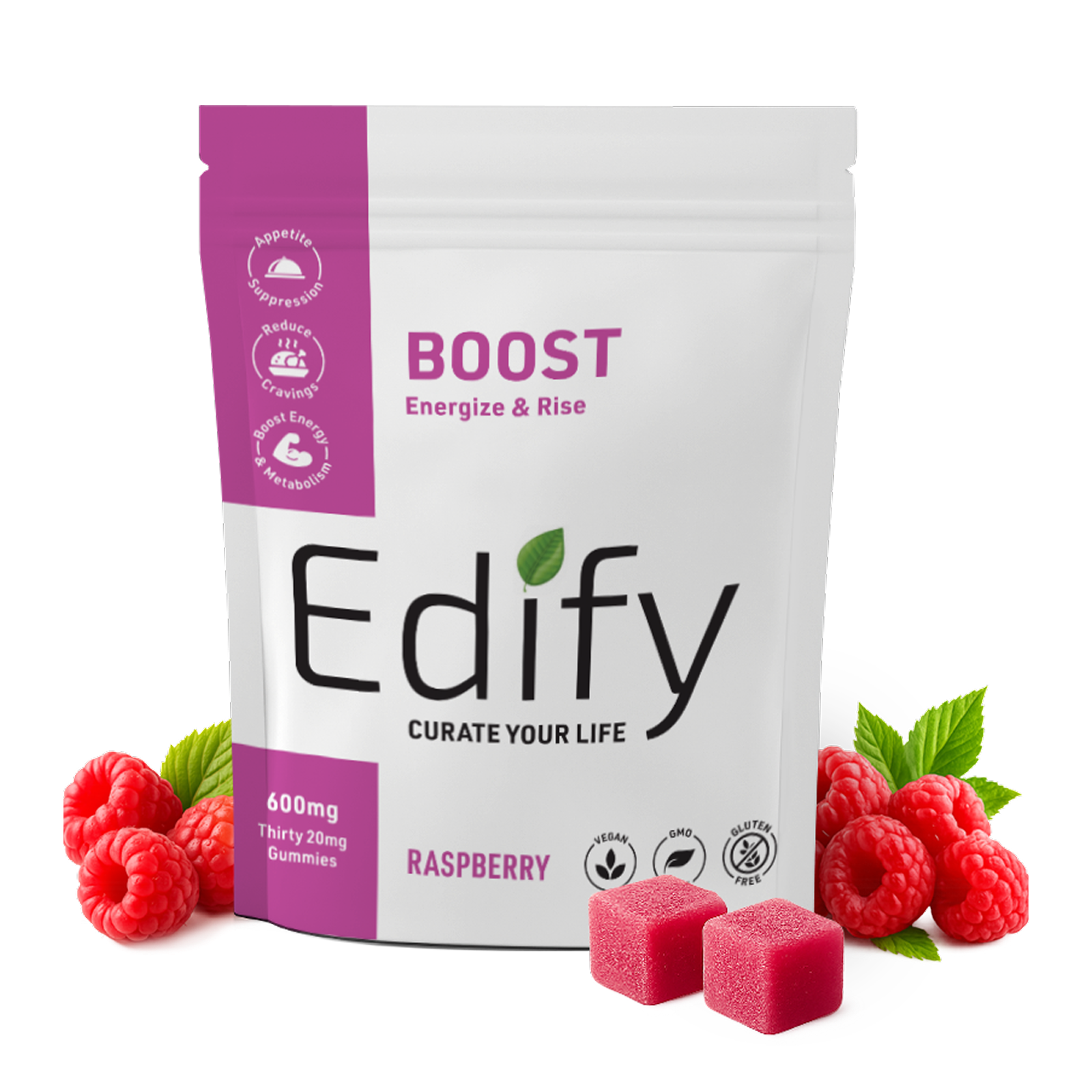
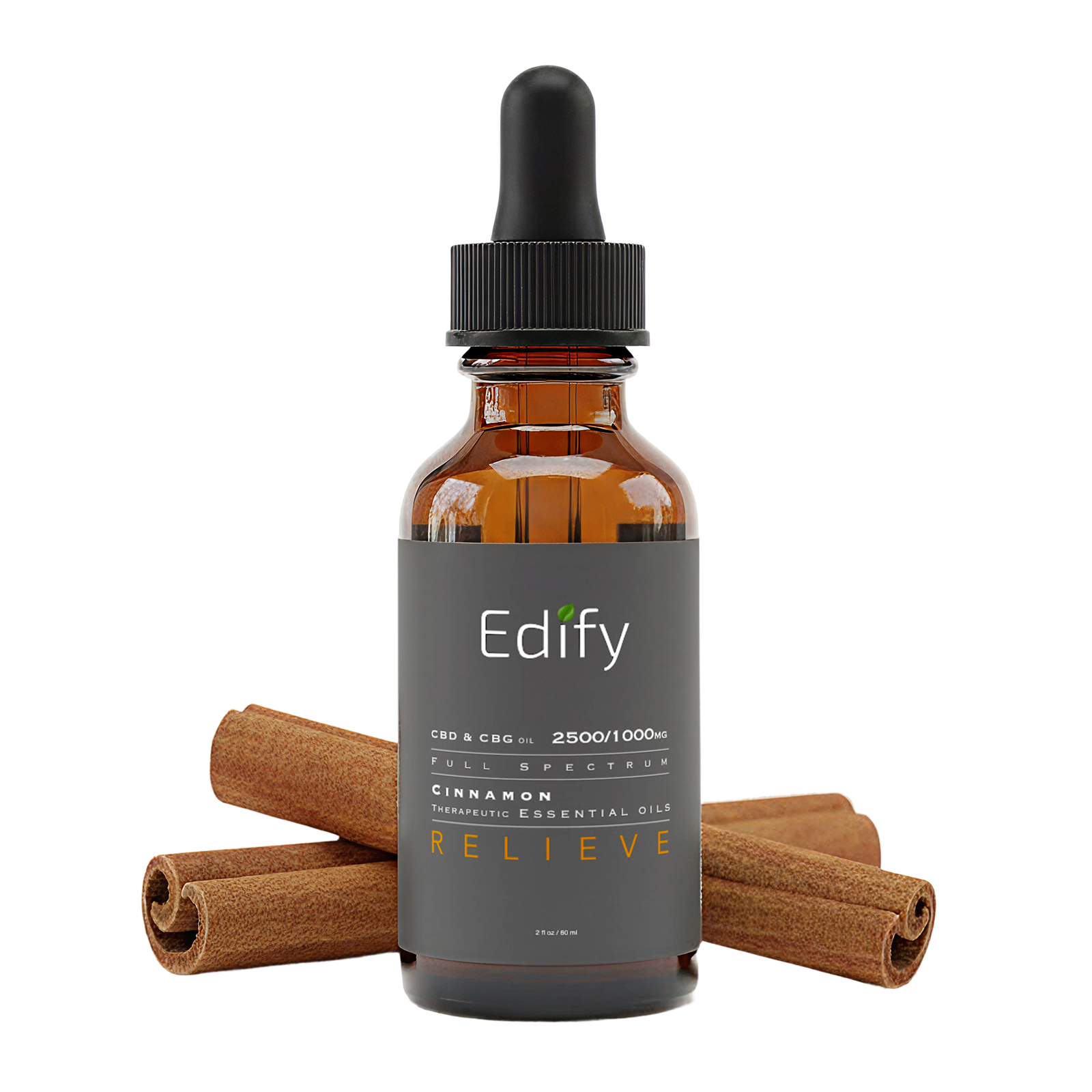
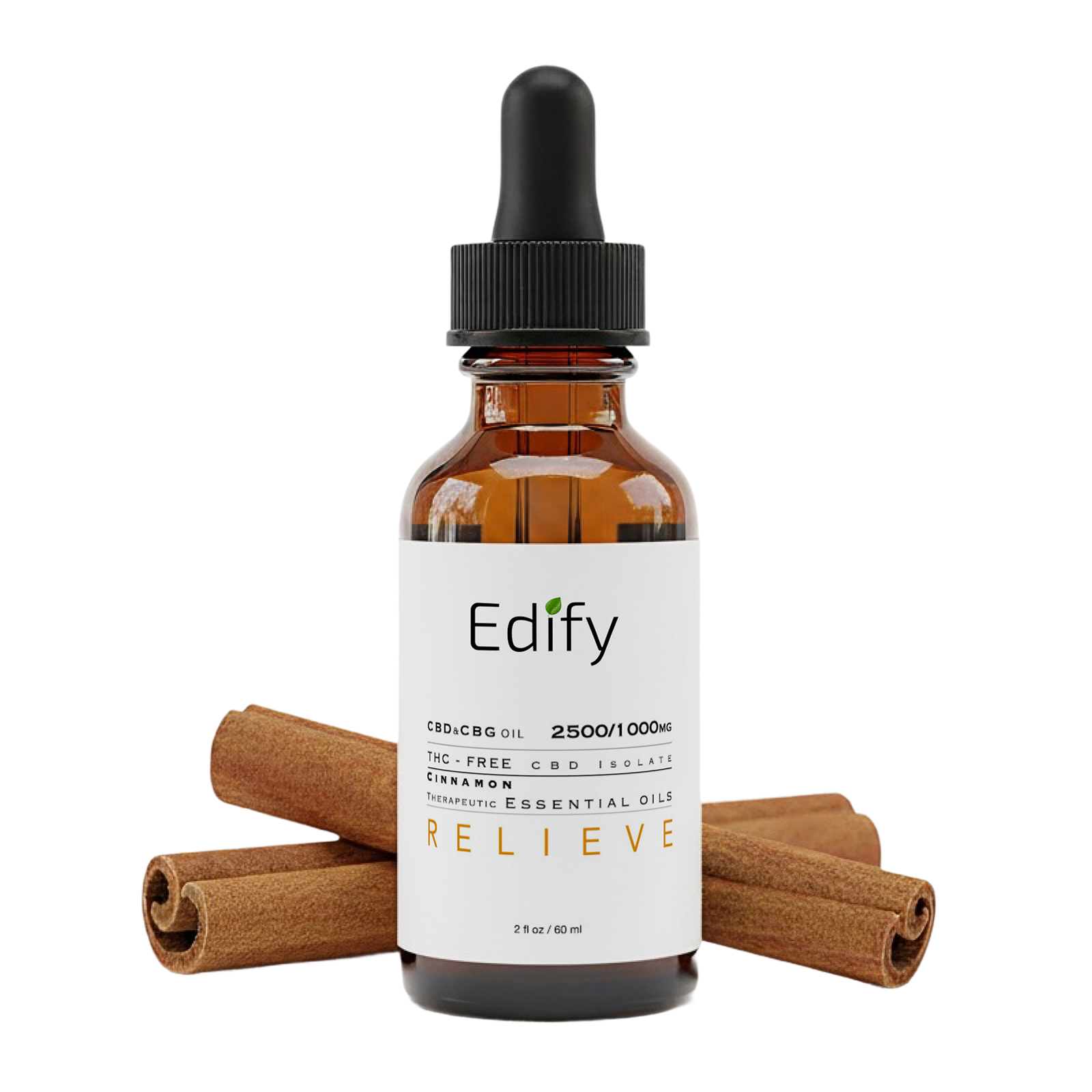
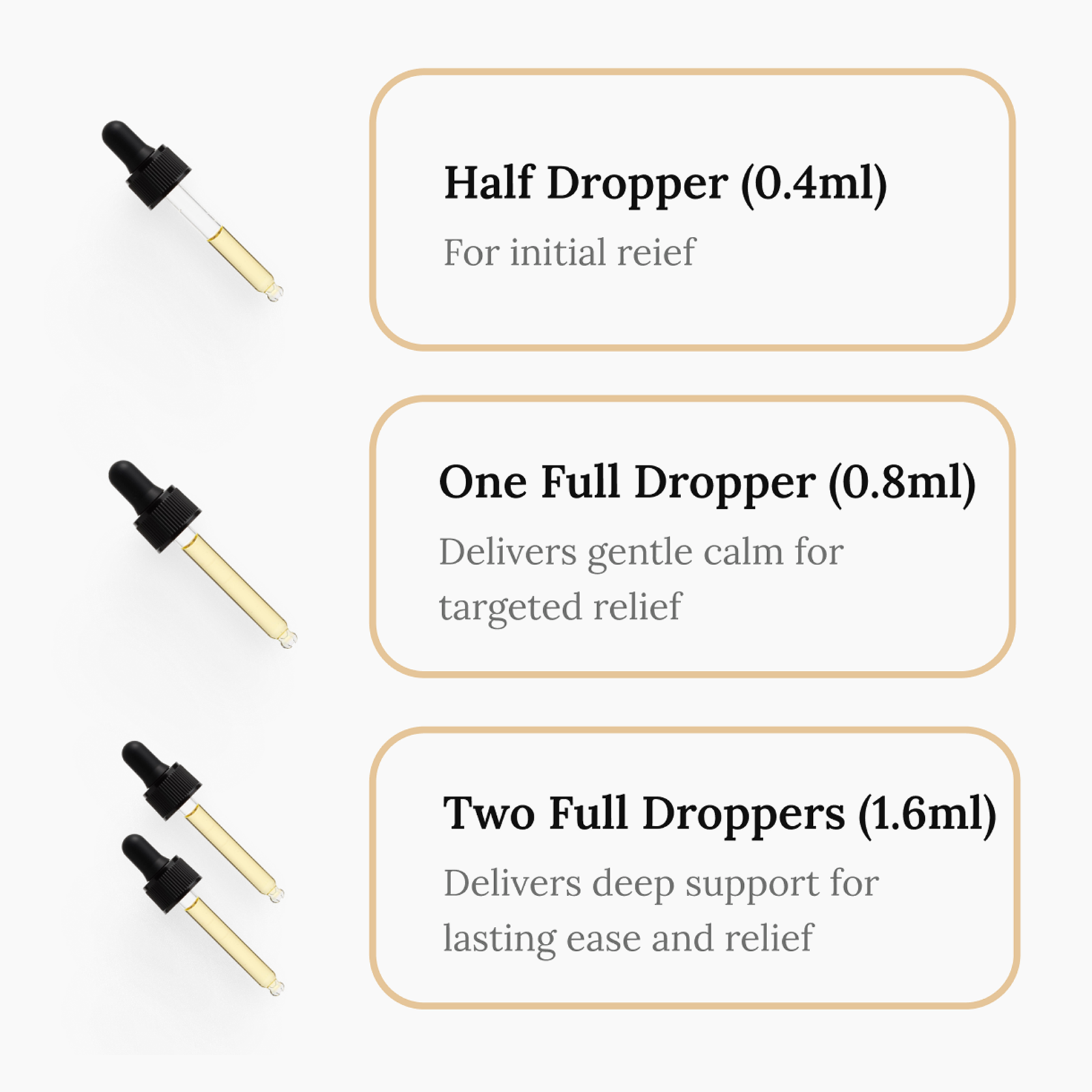
Suggest starting with a small dose of a high-quality CBD product designed for seniors. A product like Edify Wellness Senior CBD Tincture is specifically formulated for older adults and comes with clear dosing instructions.
Tell your parent: "Let's try this for two weeks and see how you feel. We can keep a simple log of how you're doing. If it's not working or if you don't like it, we'll stop. But if you notice improvement, we can keep going."
This approach gives your parent control. They're not making a permanent commitment. They're just trying something for a short period. And by tracking results, you're giving yourselves objective information instead of relying on feelings or guesses.
Keep the log simple. Note things like: Did you sleep better? Was your discomfort less? Did you feel more calm or focused? What side effects, if any, did you notice? After two weeks, sit down together and look at the results. Let your parent decide whether they want to continue based on what they observed.
Be Patient and Respectful of Their Decision
Even if you do everything right, your parent might still say no. That's okay. Respect their decision. Pushing too hard will only create tension and make them more resistant.
What you can do is leave the door open. Say something like: "I understand. If you change your mind or want to talk more about it, let me know. I'm here to help."
Sometimes people need time to warm up to an idea. A conversation that doesn't work today might plant seeds that grow later. Your parent might talk to a friend who uses CBD, or they might read something that sparks their interest, or they might decide they want to try it after all.
In the meantime, focus on supporting your parent's overall health and wellbeing. If you want more guidance on your own role as a caregiver, check out our CBD caregiver guide.
Shop Edify CBD & Wellness Products
- CBD Gummies
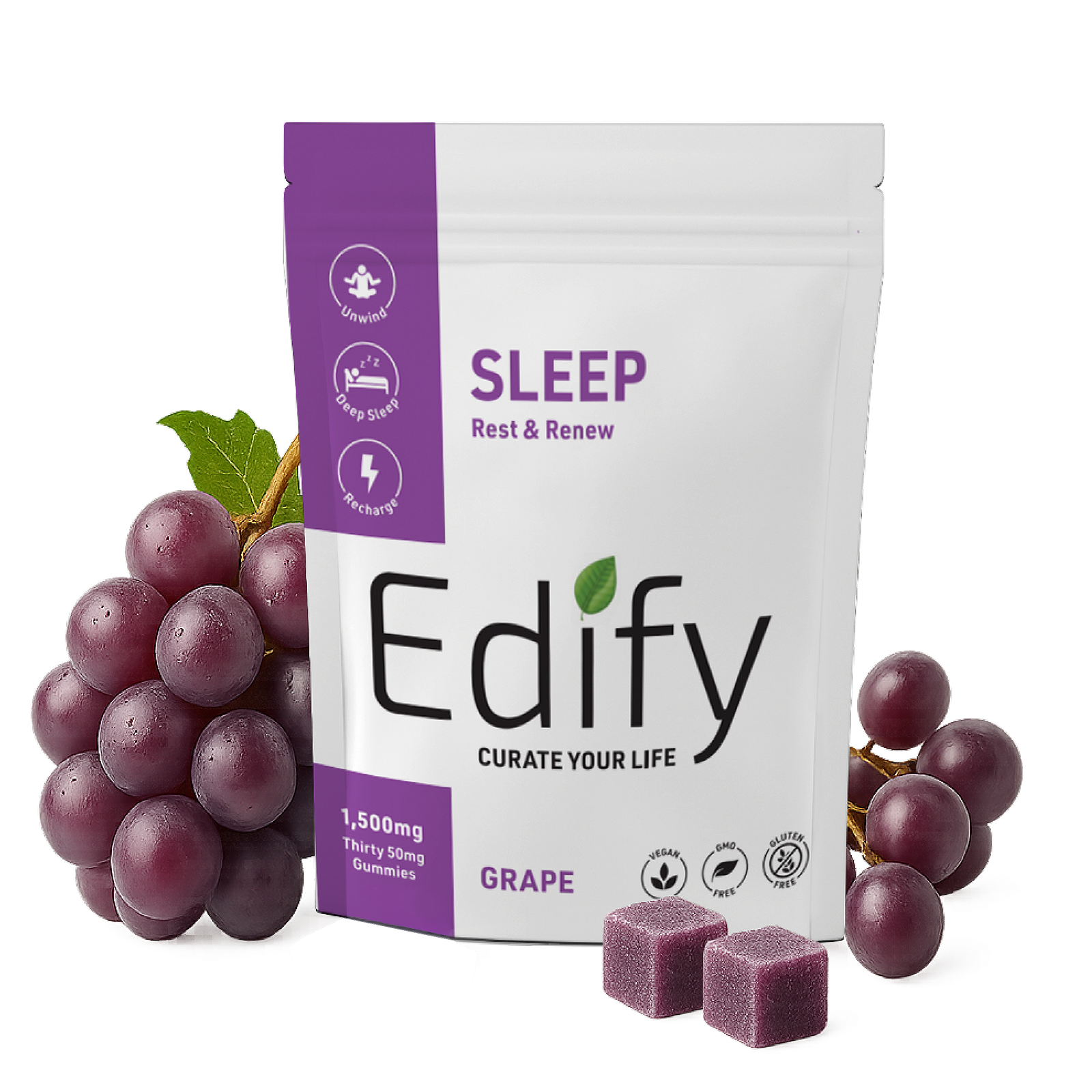
- Sleep CBD Gummies
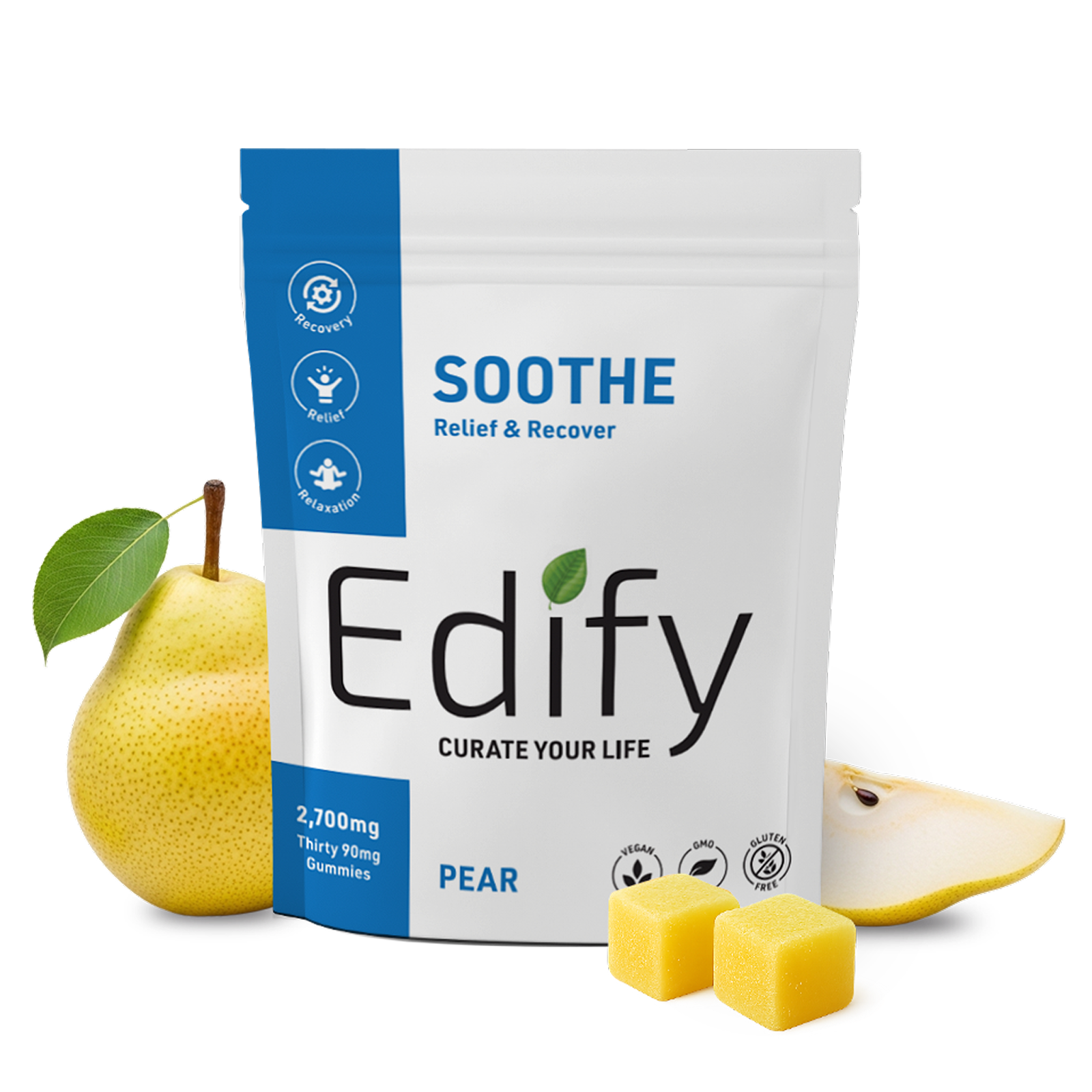
- Gummies for Pain Relief
- CBD Oil & Tinctures
- THC Gummies
- Mushroom Gummies
- CBN Gummies
- Energy Gummies (THCV)
Written by the Edify Wellness Team













Share:
Medicare CBD vs. Part D: What's the Difference?
Can I Submit a Medicare Claim for CBD? The Honest Answer