

A headline about hemp and memory can spark plenty of questions.
What is CBG? How is it different from CBD? And how much can a laboratory finding really tell us about everyday life?
A recent study has brought fresh attention to cannabigerol, better known as CBG. The finding gives researchers something worth exploring. For the rest of us, it offers a chance to understand this lesser-known cannabinoid and learn how to read promising research with a little more confidence.
First, what is CBG?
CBG and CBD, or cannabidiol, are different compounds found in the cannabis plant. Both are generally described as non-intoxicating, meaning they do not produce the characteristic high associated with THC.
Their similar names can make them sound interchangeable, but evidence about one cannot automatically be applied to the other. The same goes for products containing a blend of cannabinoids: a study of CBG alone does not establish what a CBD-and-CBG formula will do.
What the new study found
Published in Pharmacology Biochemistry and Behavior, the study examined male rats given MK-801, an experimental compound used to model aspects of cognitive impairment relevant to schizophrenia. This was an animal experiment, not a trial in people with the condition.
Researchers assessed recognition memory using a test involving familiar and unfamiliar objects. Repeated CBG treatment prevented the memory deficit associated with MK-801 in this experiment.
They also examined biological signals in the brain. CBG did not restore reduced levels of BDNF, a protein involved in brain function. The combined treatment increased messenger RNA for the TrkB receptor in the medial prefrontal cortex. That points to a possible explanation for further investigation; it does not establish exactly how CBG produced the observed result.
Why the details matter
The word “memory” covers a lot of ground. Recognizing an object in an animal experiment is different from remembering an appointment, concentrating through a busy afternoon, or treating a diagnosed memory disorder.
How a compound is given matters, too. The researchers administered CBG by injection. That is not equivalent to swallowing a gummy or using an oil, and the experiment cannot tell readers which retail serving to choose.
Before findings like these can guide care, researchers need to test whether the result holds up, understand its limits, and establish meaningful benefits and safety in the people who might receive treatment. An encouraging early result starts that conversation; it cannot finish it.
Has CBG been studied in people?
Yes, although the human evidence is still limited. A separate 2024 placebo-controlled crossover study involved 34 healthy adults who used cannabis and included a verbal-memory task. Participants performed better on that task after CBG than after placebo.
That small, short-term study adds useful context, but it was not a treatment trial for schizophrenia or a diagnosed memory disorder. It also does not establish lasting benefits from daily use. These are different experiments asking different questions, rather than interchangeable proof of a broad “memory-boosting” effect.
Reading a product label with the same care
Research literacy and label literacy go together. If you are reviewing a cannabinoid product, look beyond the largest number on the front of the package.
Check which cannabinoids are listed, whether the amounts refer to one serving or the entire container, and what other ingredients are included. A combined cannabinoid total is not necessarily the amount of CBG.
Look for a certificate of analysis, often called a COA, and check that it corresponds to the product and batch. Laboratory testing can help describe what was measured in a sample. It is not evidence that a product improves memory or treats a health condition.
Where Edify fits in
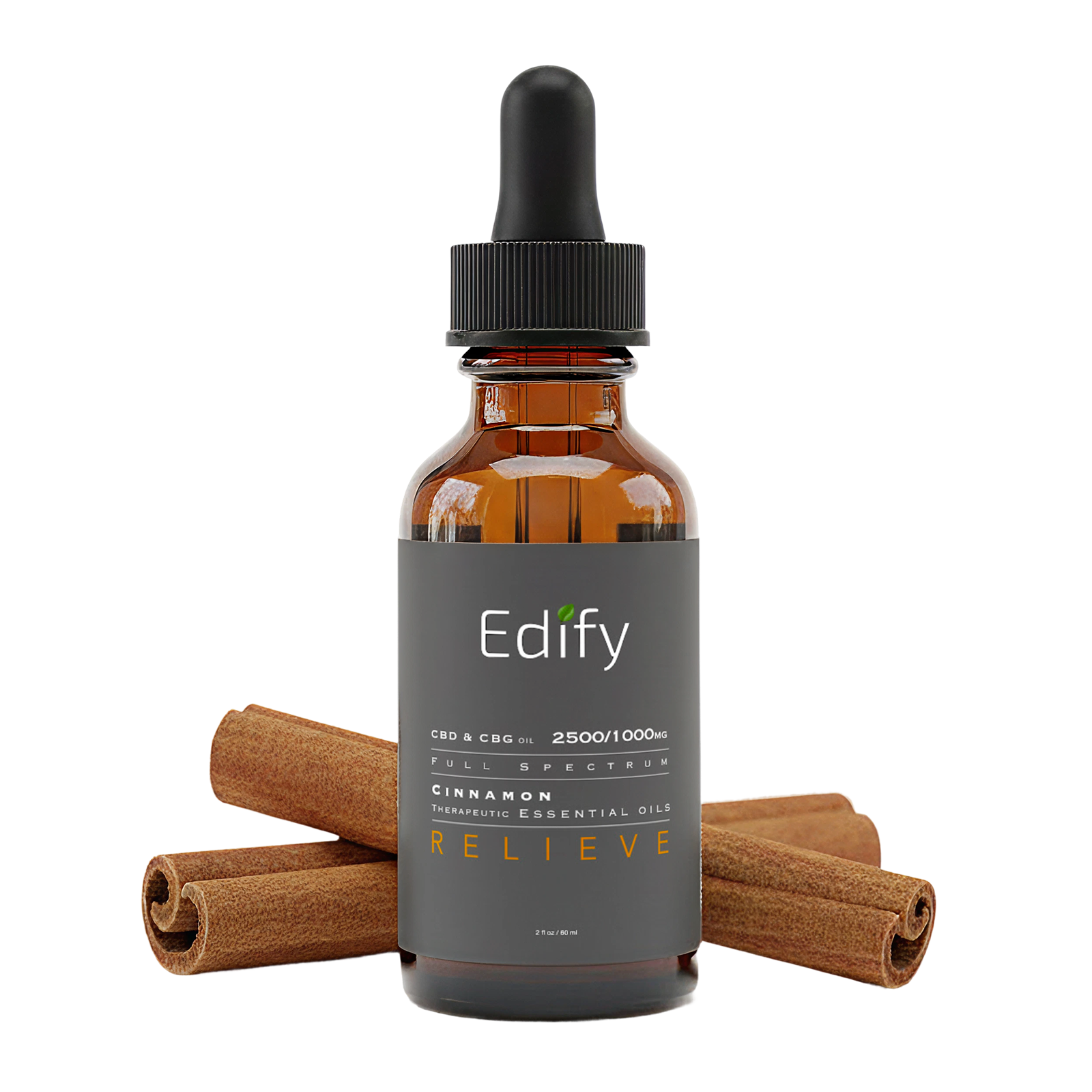
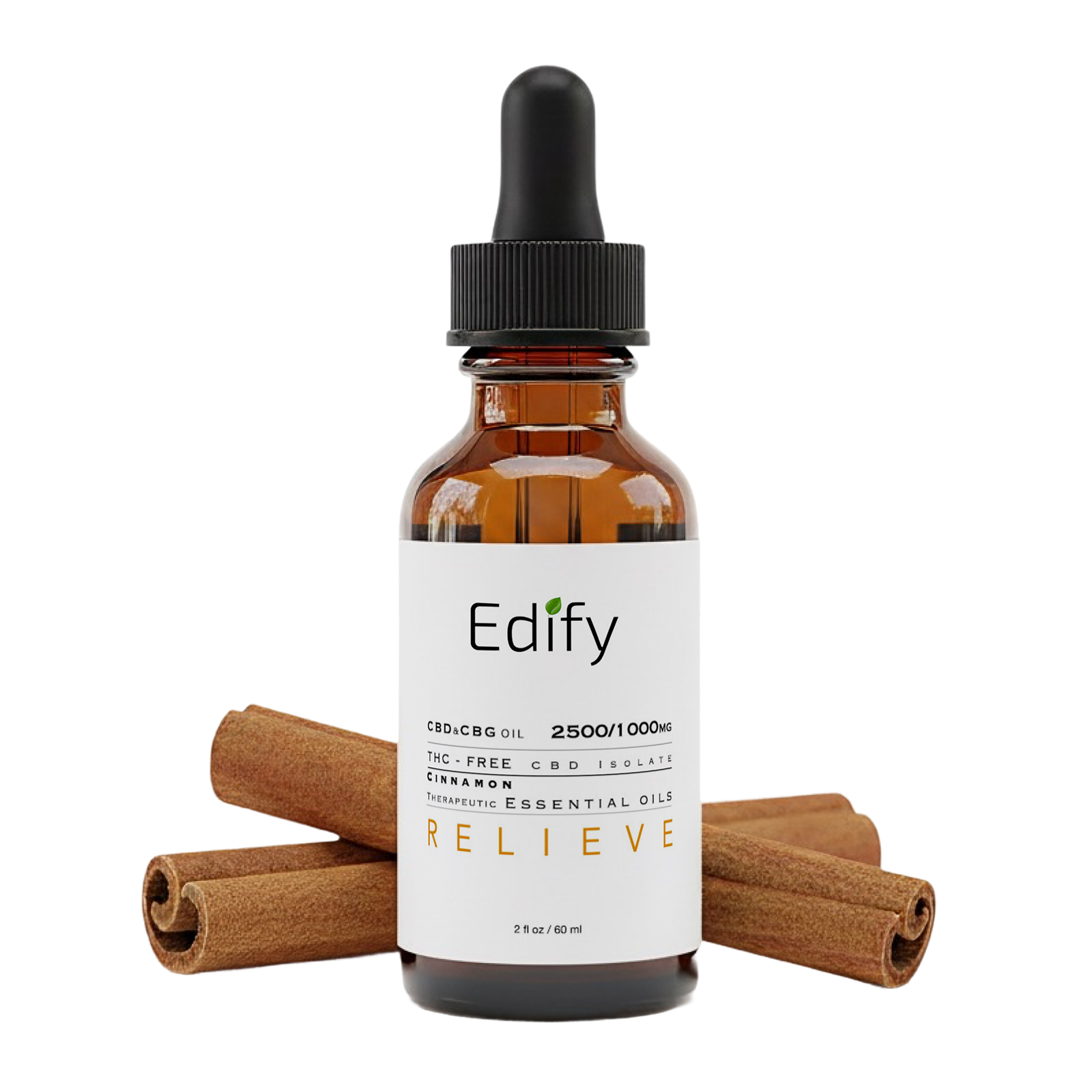
For a straightforward example of a blended formula, Edify lists a CBD + CBG oil tincture. Its product information can be read alongside Edify’s lab reports when reviewing ingredients and testing.
This catalog reference is separate from the research above. Neither study evaluated this Edify product, and the findings should not be read as a claim about its effects on memory.
Curiosity, with perspective
CBG is a worthwhile subject to keep learning about. The most useful takeaway today is an informed question, rather than a promise: what will well-designed research show next?
If you are considering a cannabinoid product, discuss it with your healthcare professional, particularly if you take medication. CBD can interact with medicines. Avoid CBD products during pregnancy or breastfeeding. Persistent or concerning changes in memory deserve medical attention rather than self-treatment.
Educational information only; not medical advice.
Edify products are not intended to diagnose, treat, cure, or prevent disease.












Share:
Does Hemp-Derived THC Improve Sleep? What a 2025 Study Found
Why Don’t I Feel My CBD Gummies? What to Check First