

Sleep Hygiene Myths: What Matters Most (and What Doesn't) When You're Trying to Improve Sleep Consistency
In our quest for better sleep, we often stumble upon a plethora of advice—some of which are less accurate than others. Today, we're debunking some common sleep hygiene myths and shedding light on what truly matters for improving sleep consistency.
Myth 1: You Need Exactly 8 Hours of Sleep Every Night
The notion that everyone requires exactly eight hours of sleep per night is a pervasive myth. While eight hours is an average, individual sleep needs can vary significantly. Some people may feel refreshed with seven hours, while others might need up to nine. The key is to focus on how restful you feel upon waking rather than strictly adhering to universal sleep hour prescriptions.
Myth 2: Weekend Sleep-Ins Can Compensate for Weekday Sleep Loss
While it might feel indulgent to snooze a few extra hours over the weekend, this habit can actually disrupt your natural sleep cycle. Instead of using weekends to catch up on lost sleep, aim for a stable sleep schedule throughout the week. This consistency will help regulate your body's internal clock, making it easier for you to fall asleep and wake up naturally.
Myth 3: Napping Ruins Your Sleep
Napping has a bad rap, but when done correctly, it can be beneficial. A short nap of 20-30 minutes can boost alertness and performance. The key is to nap early in the afternoon, so it doesn't interfere with your nighttime sleep. Avoid long or late naps to keep your body’s sleep-wake cycle intact.
What Matters Most for Consistent Sleep
Now that we've busted some myths, let's focus on the practices that truly enhance sleep consistency:
1. Create a Relaxing Bedtime Routine
Engage in calming activities before bed, such as reading or meditating, to signal to your body that it's time to wind down. This helps transition you from wakefulness to sleepiness.
2. Limit Caffeine and Nicotine
Both caffeine and nicotine are stimulants that can interfere with your ability to fall asleep. Try to avoid consuming them in the late afternoon or evening to improve your chances of a restful night.
3. Optimize Your Sleep Environment
Ensure your bedroom is conducive to sleep: dark, cool, and quiet. Consider using blackout curtains, a white noise machine, or a fan to create a perfect sleep sanctuary.
4. Watch Prenight Eating
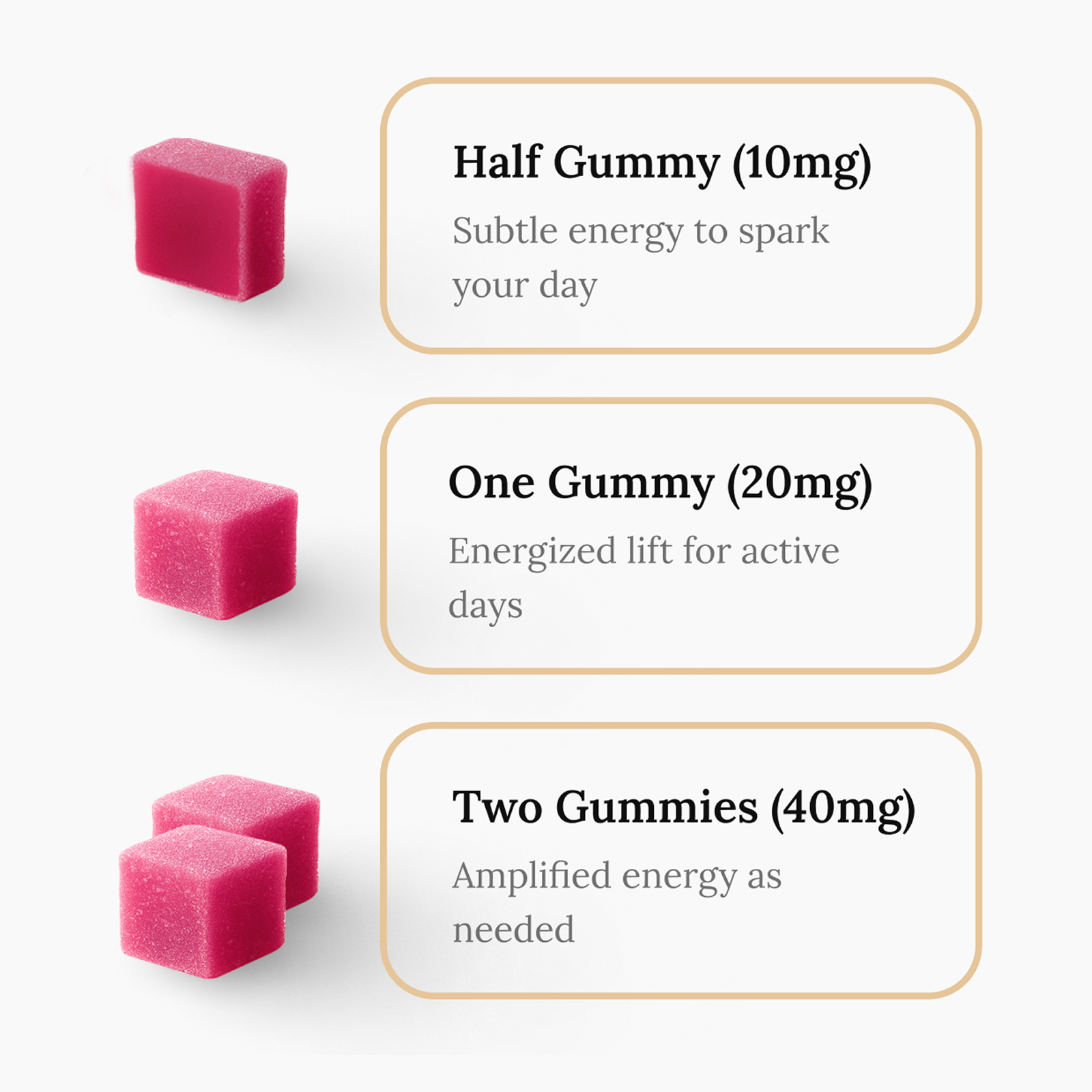
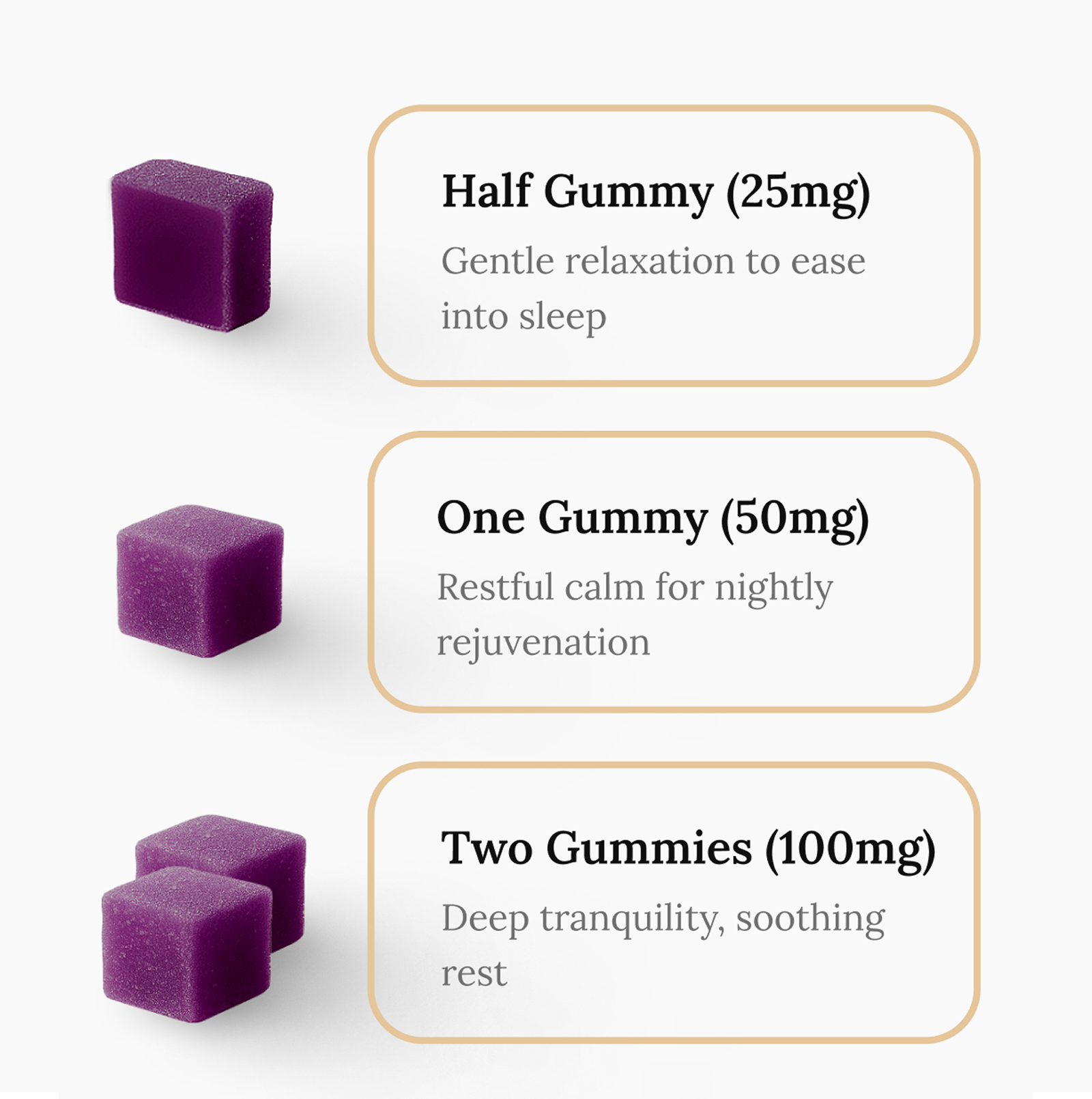
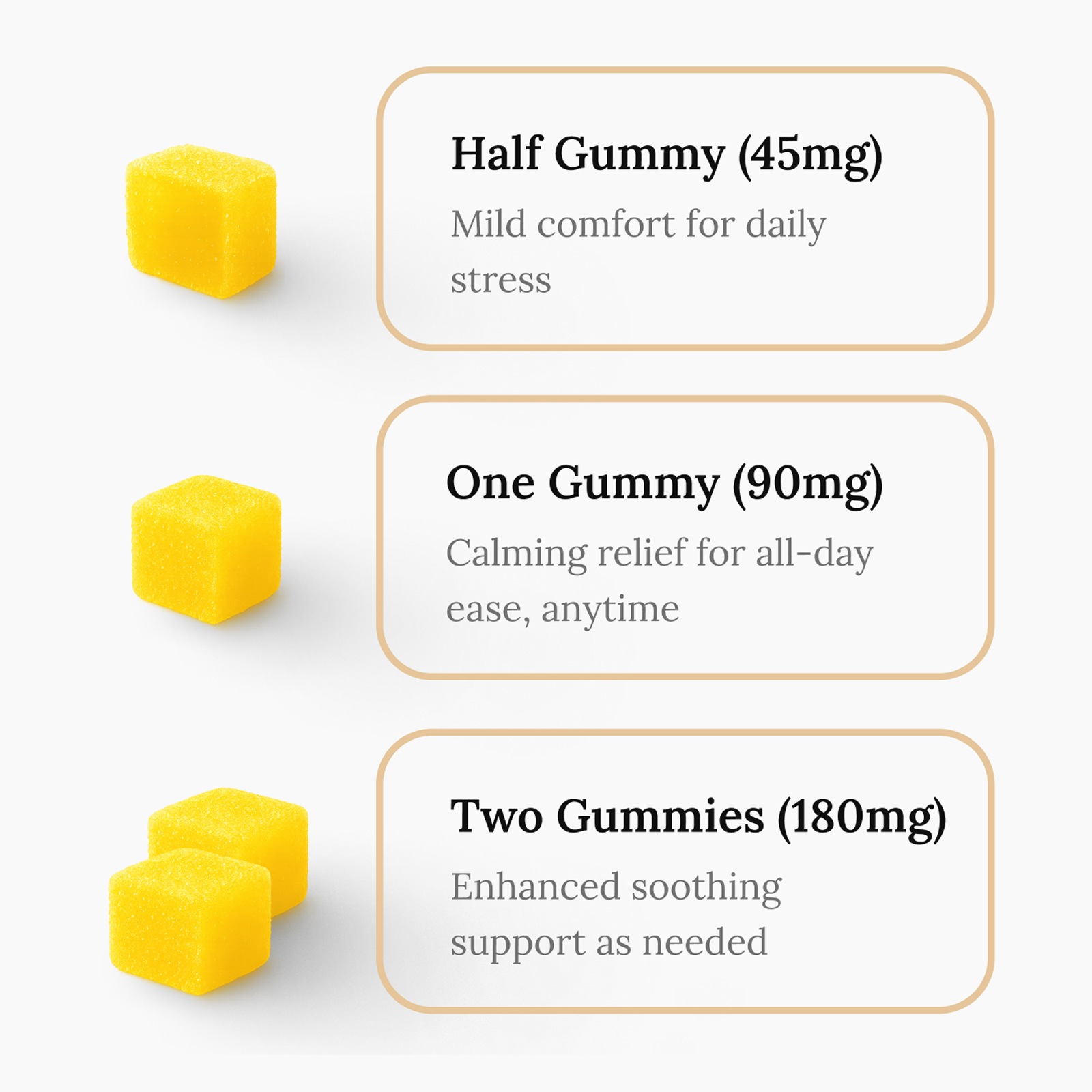
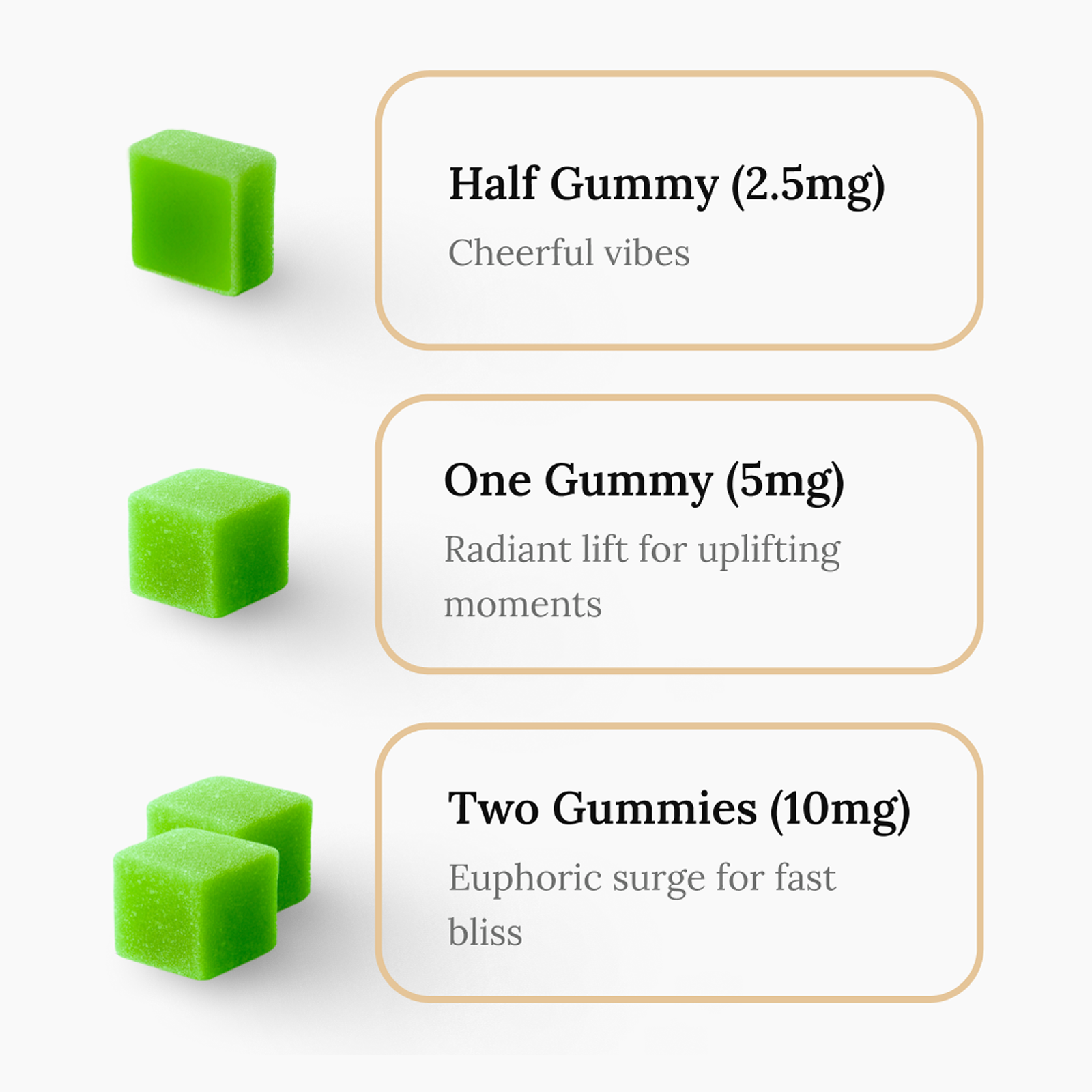
Try not to consume large meals, caffeine, and alcohol before bed. Instead, a light snack can help if you're hungry. If you're exploring options, you might be interested in delta 9 thc gummies or mushroom gummies for mood to support a relaxed state.
With these insights and practices, you are better equipped to promote consistent, restorative sleep. By prioritizing what truly matters, you can enhance your sleep hygiene and feel more refreshed each morning.


















Share:
Harnessing Morning Sunlight for Improved Sleep Naturally
Unlocking Wellness with a Supplement Consistency Tracker