

Functional Mushroom Myths: Separating Tradition, Modern Use, and Realistic Expectations from Internet Hype
In the realm of alternative health, functional mushrooms have garnered significant attention as natural remedies promising a wealth of health benefits. However, alongside genuine therapeutic potential, a swirl of myths and internet hype often clouds the reality of their capabilities. This blog aims to delineate the historical significance, contemporary applications, and reasonable expectations from these fascinating fungi, empowering you to make informed decisions for your health journey.
The Tradition Behind Functional Mushrooms
Functional mushrooms have been a staple in traditional medicine practices for centuries, particularly in Eastern cultures. Mushrooms such as Reishi, Lion's Mane, Chaga, and Cordyceps have been used in Chinese and Ayurvedic medicine for their perceived ability to promote health and longevity. These mushrooms were traditionally consumed in teas, decoctions, or raw form to harness their immune-modulating, anti-inflammatory, and neuroprotective properties.
Modern Use and Scientific Backing
Today, the integration of functional mushrooms into modern health regimens is fueled by scientific research supporting some of their traditional claims. For instance, lion's mane mushroom gummies have gained popularity for their potential cognitive benefits, such as enhanced memory and focus. Similarly, Cordyceps are often marketed as a natural energy booster, rooted in studies suggesting improved oxygen uptake and endurance.
With advancements in formulations, these mushrooms are now conveniently available in numerous forms, including capsules, powders, and even delectable mushroom gummies, making them accessible additions to daily routines.
Dispelling Common Myths
Despite their increasing popularity, functional mushrooms are not without their share of misconceptions. One prevalent myth is the belief that consuming any type of mushroom can yield miraculous health transformations overnight. It’s crucial to understand that while these mushrooms are rich in bioactive compounds, their effects are gradual and require consistent use.
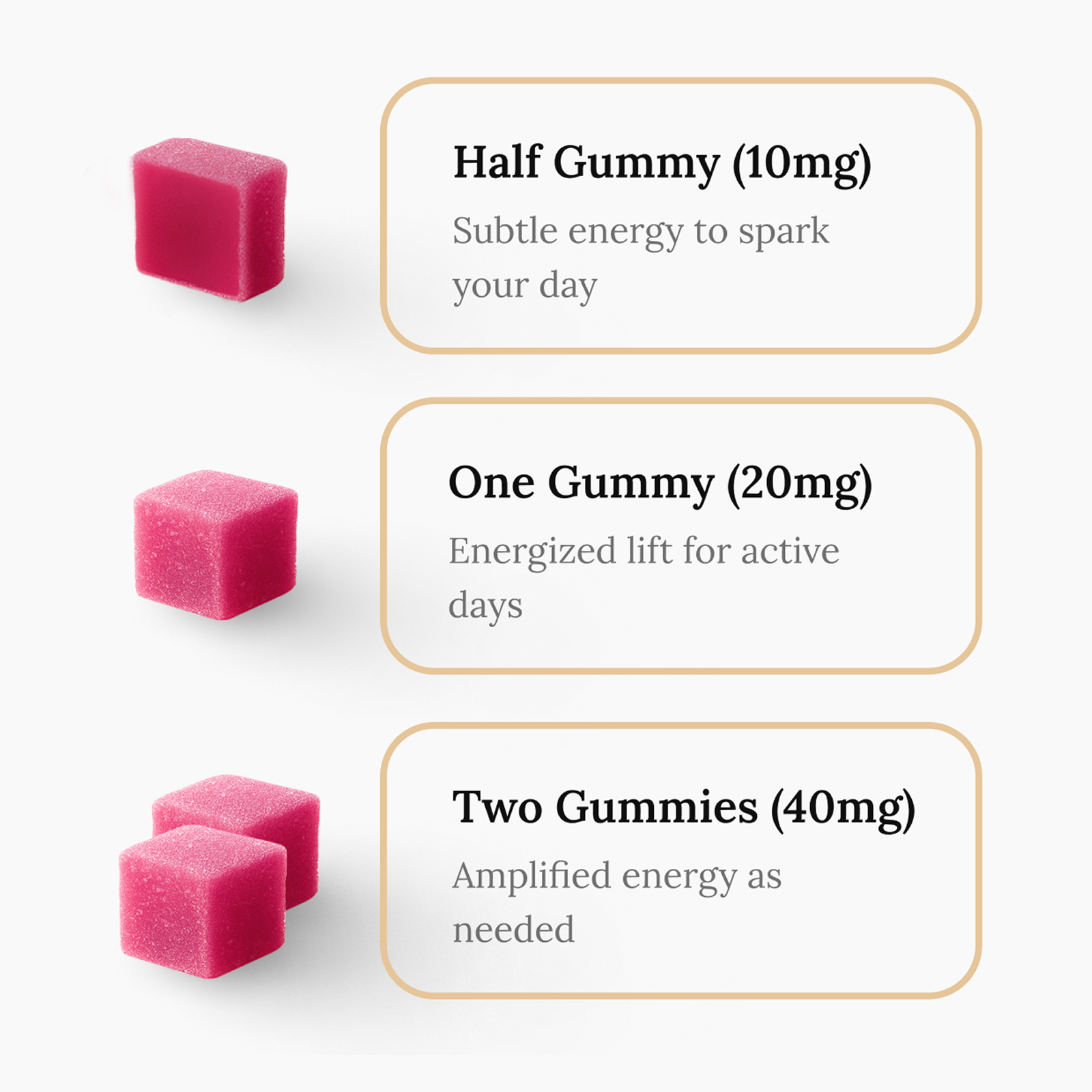
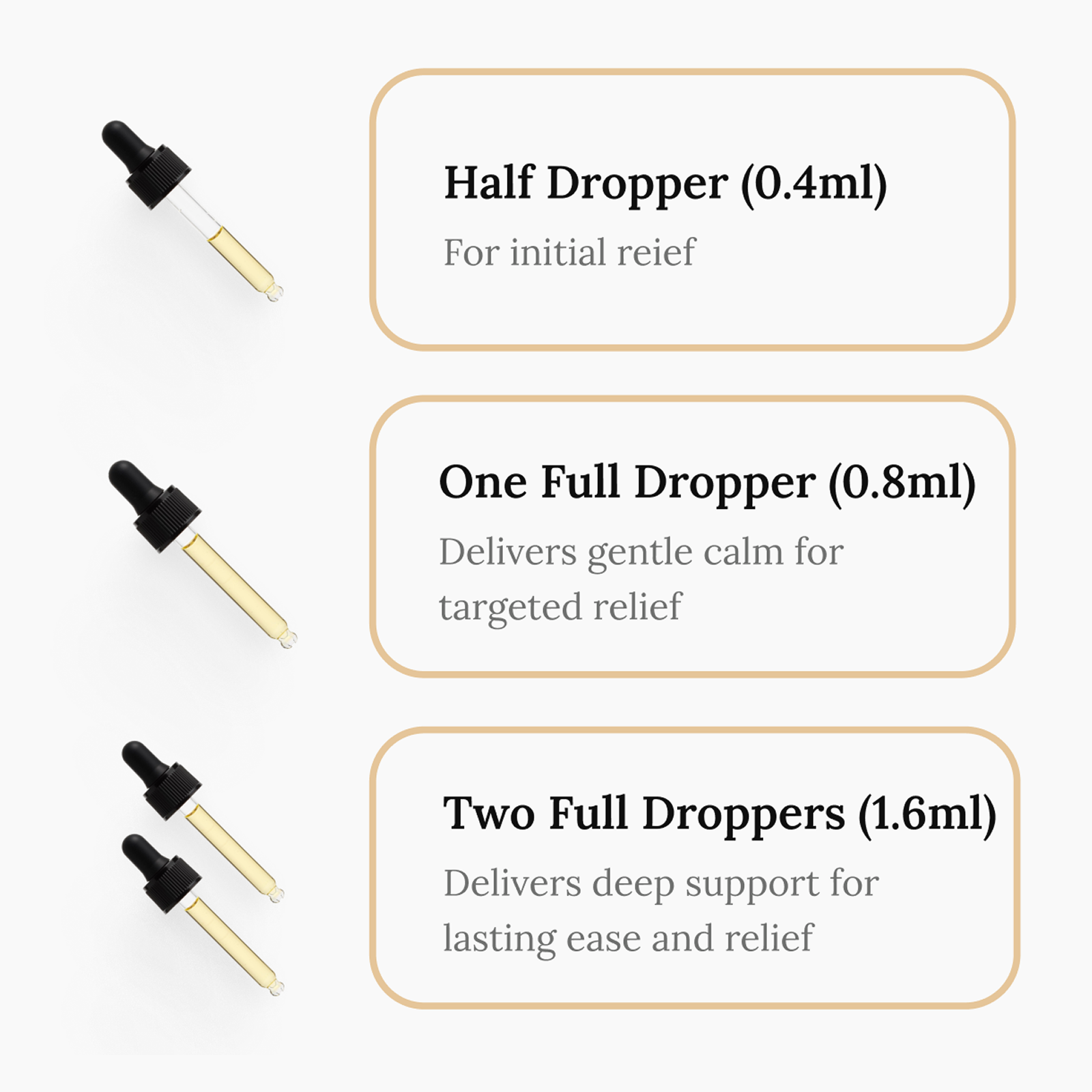
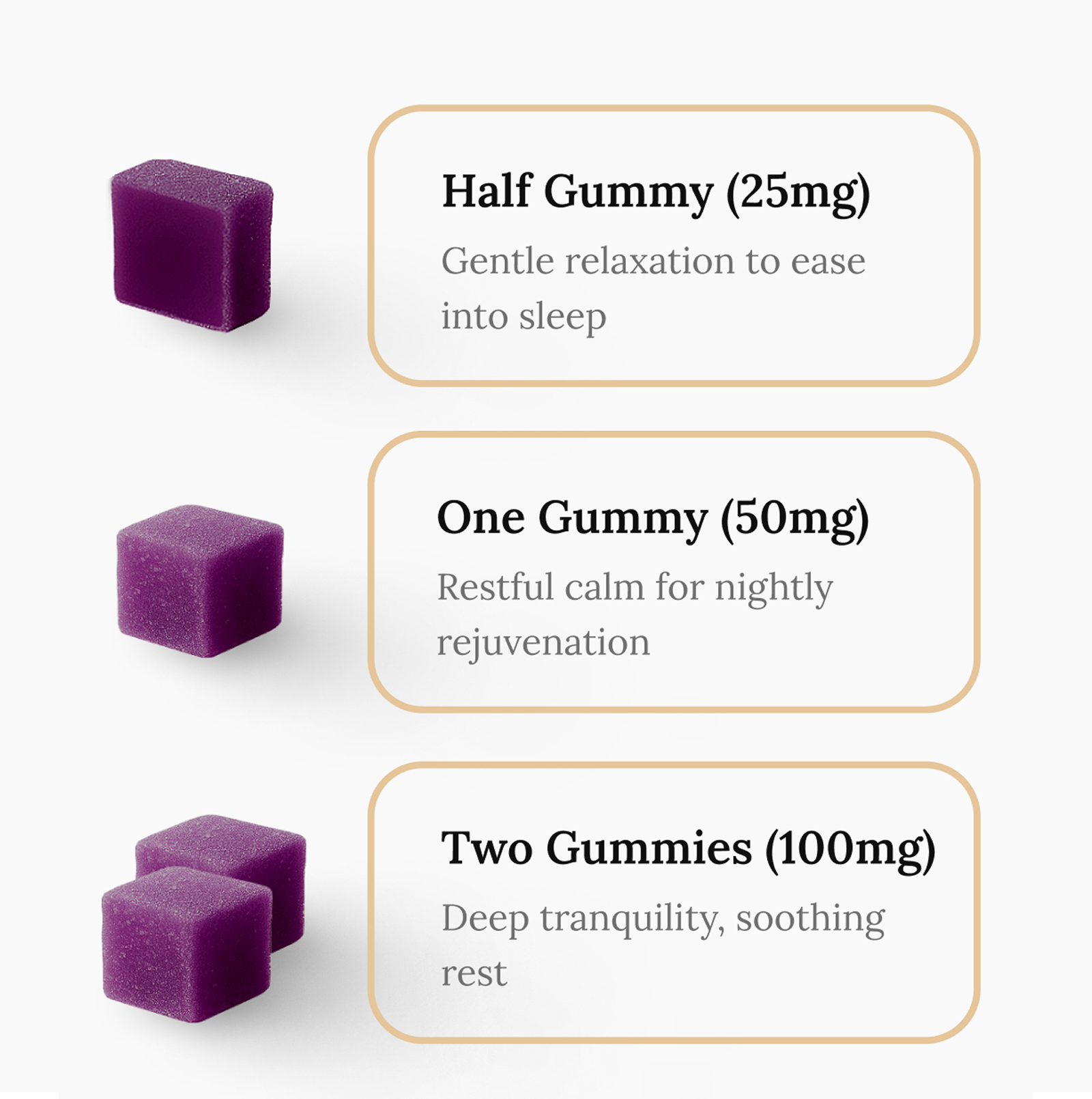
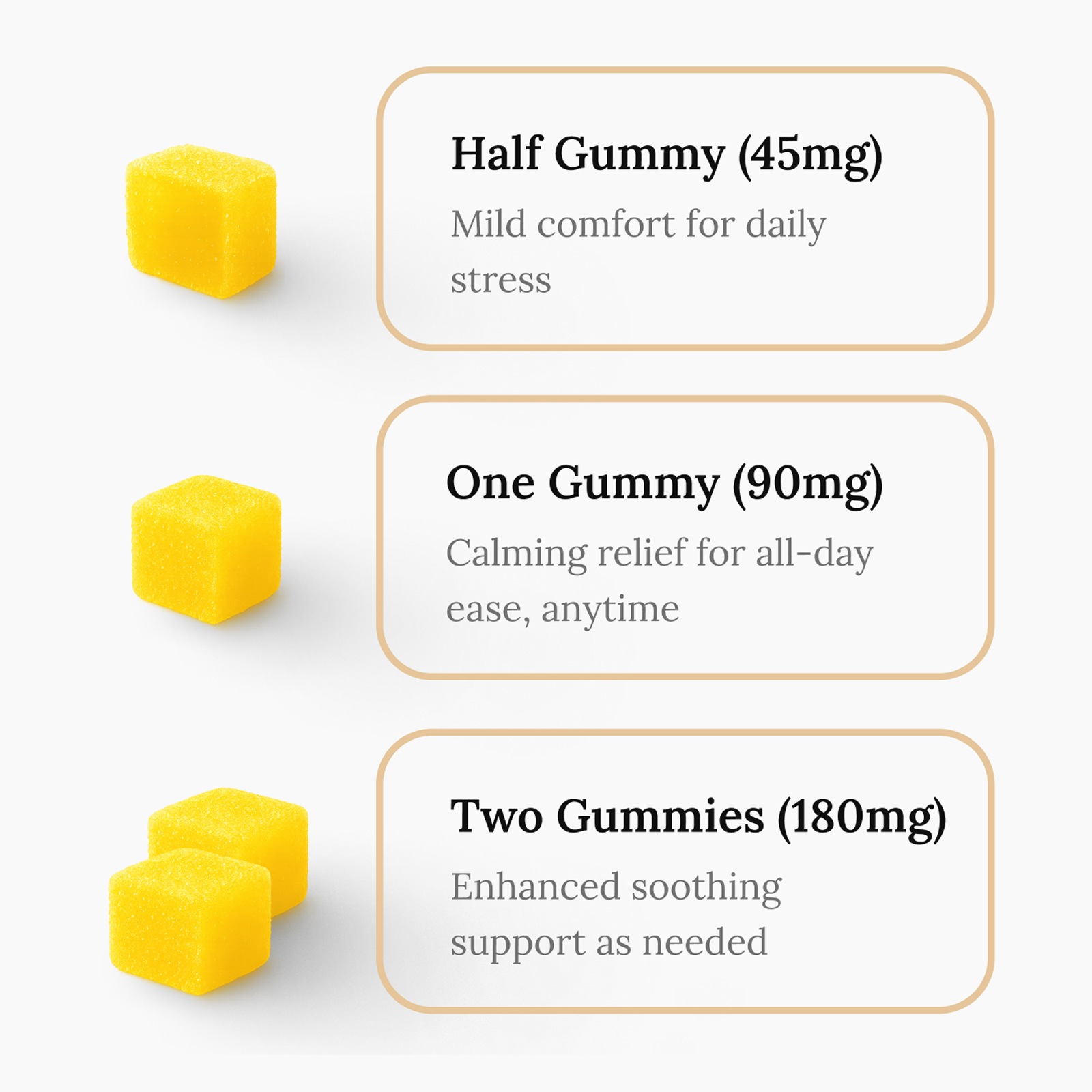
Another myth is the idea that if some is good, more is better. However, like any supplement, balance is key. Overconsumption can lead to adverse effects, and it is essential to follow recommended dosages or consult a healthcare provider.
Realistic Expectations and Choosing Wisely
When incorporating functional mushrooms into your wellness journey, set realistic expectations. Understand that they are part of a comprehensive approach to health, complementing a balanced diet, regular exercise, and other lifestyle factors. To choose the best products, look for those with transparent labeling, evidence of third-party testing, and sourced from reputable manufacturers.
For those interested in mood-enhancing properties, mood cannabis products offer an intriguing blend of mushrooms and cannabinoids designed to support emotional well-being. As always, initiate use cautiously and be informed about how these products interact with your body.
Conclusion
Functional mushrooms, when understood and utilized correctly, can be a valuable addition to your alternative health toolkit. While they hold genuine potential for enhancing various aspects of well-being, cutting through the myths and internet hype is vital to reaping their true benefits. Adopt these fungi with a well-informed mindset, alongside other health strategies, to embark on a fulfilling and balanced wellness journey.
For more on enhancing your health with nature's offerings, explore our range of specialized products like THC-V gummies and 10 mg THC gummies to support your unique energy and wellness needs.













Share:
How to Build a Routine for Stress Reduction and Calmness
Lions Mane Mushroom Unlocking Creativity and the Flow State