

Screen Time & Sleep: How Late Scrolling Affects Your Wind-Down Routine
In our digital age, screens have woven themselves into the very fabric of our daily lives. From smartphones and tablets to computers and televisions, we are consistently surrounded by glowing screens. But have you ever paused to consider how this digital habit might be affecting your sleep quality? Late-night scrolling has become a common ritual for many, but it could be the very thing preventing you from getting the restful sleep you need. In this blog post, we'll explore how screen time impacts your sleep and what changes you can make to improve your nightly wind-down routine.
The Science Behind Screen Time and Sleep
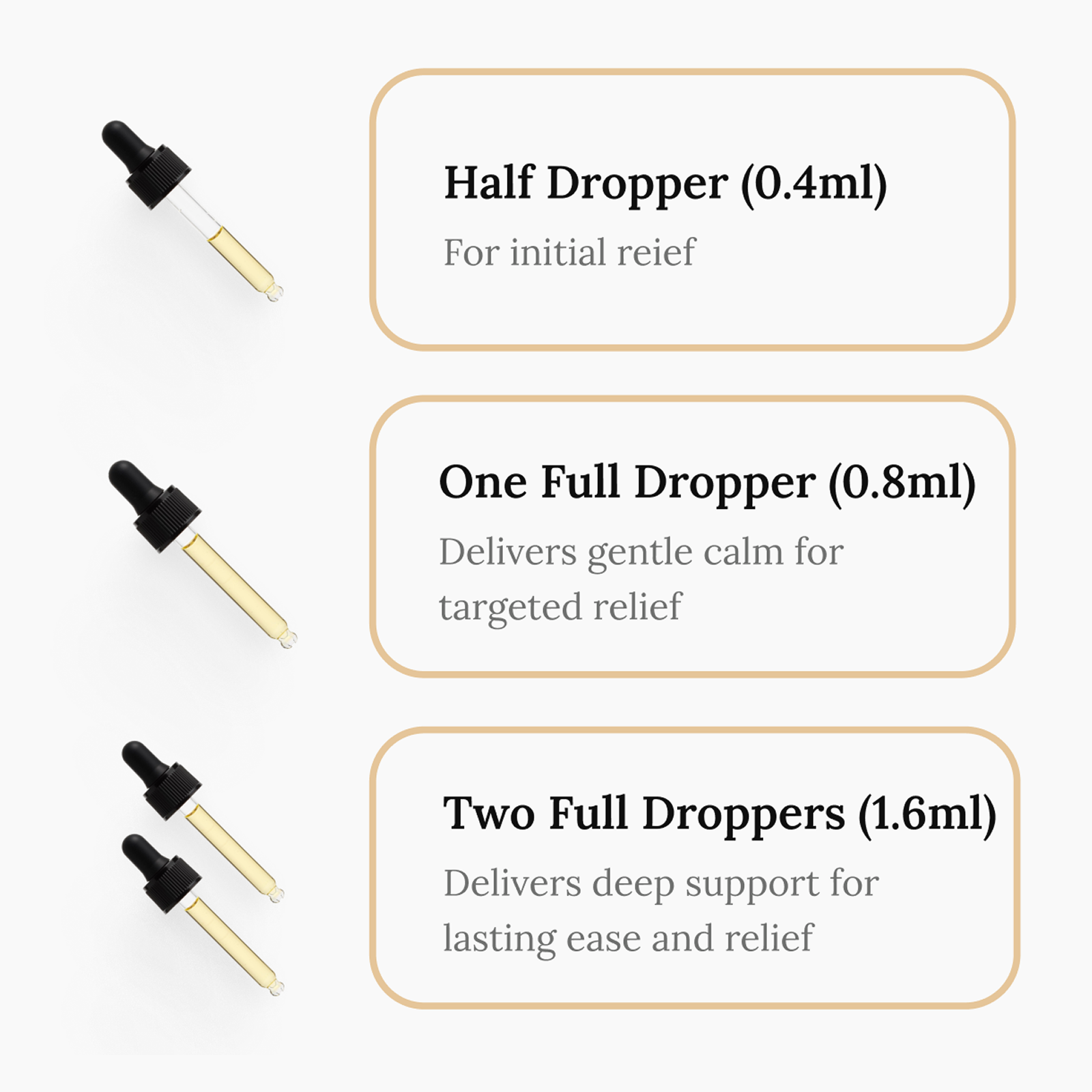
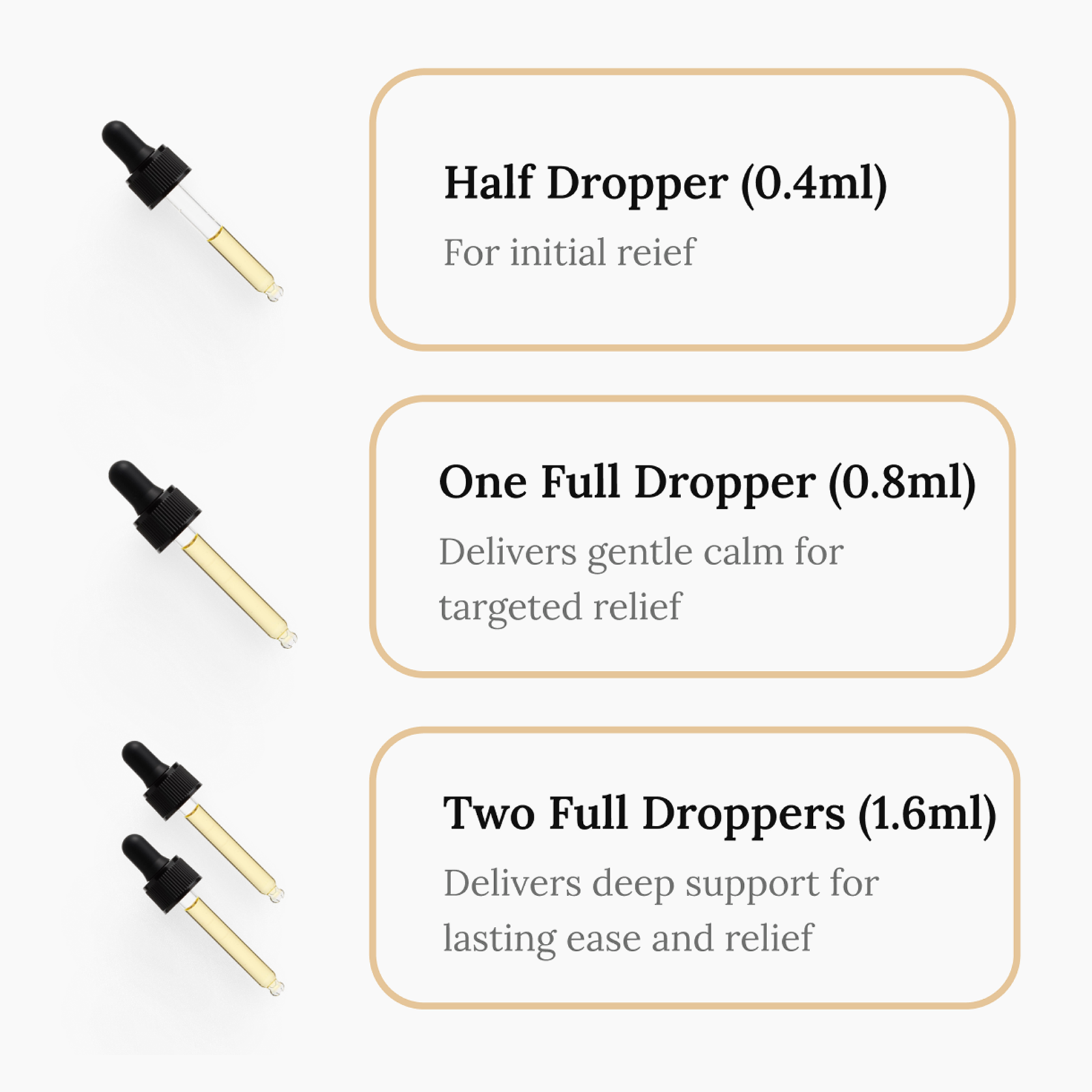
Our bodies follow a natural sleep-wake cycle known as the circadian rhythm. Central to this cycle is the hormone melatonin, which signals your body that it's time to prepare for rest. Unfortunately, the blue light emitted by screens can interfere with melatonin production. This disruption confuses your brain into thinking it's still daytime, preventing your body from winding down naturally. This is where the cbd muscle balm might come in handy as part of a relaxing wind-down routine, promoting relaxation for a better night's sleep.
Impact of Late-Night Scrolling
You might not realize it, but that nightly scroll through social media or binge-watching your favorite series can do more harm than good. Not only does the light from your device affect melatonin levels, but engaging with exciting or stressful content also stimulates your brain, making it harder to switch off. This increased brain activity can delay the onset of REM sleep, crucial for cognitive functions such as memory and problem-solving. Moreover, late-night scrolling often leads to reduced sleep duration, impacting overall health and wellbeing.
Effective Changes for a Better Wind-Down
While reducing screen time before bed might seem challenging, implementing the following changes can significantly enhance your sleep quality:
- Set a Digital Curfew: Aim to turn off all electronic devices at least one hour before bedtime. Use this time to engage in relaxing activities such as reading a book, practicing deep breathing, or enjoying a warm bath.
- Adjust Your Device Settings: Many devices have a "night mode" that reduces blue light. Consider enabling this feature to lessen its impact on melatonin production. Additionally, reduce screen brightness to minimize stimulation.
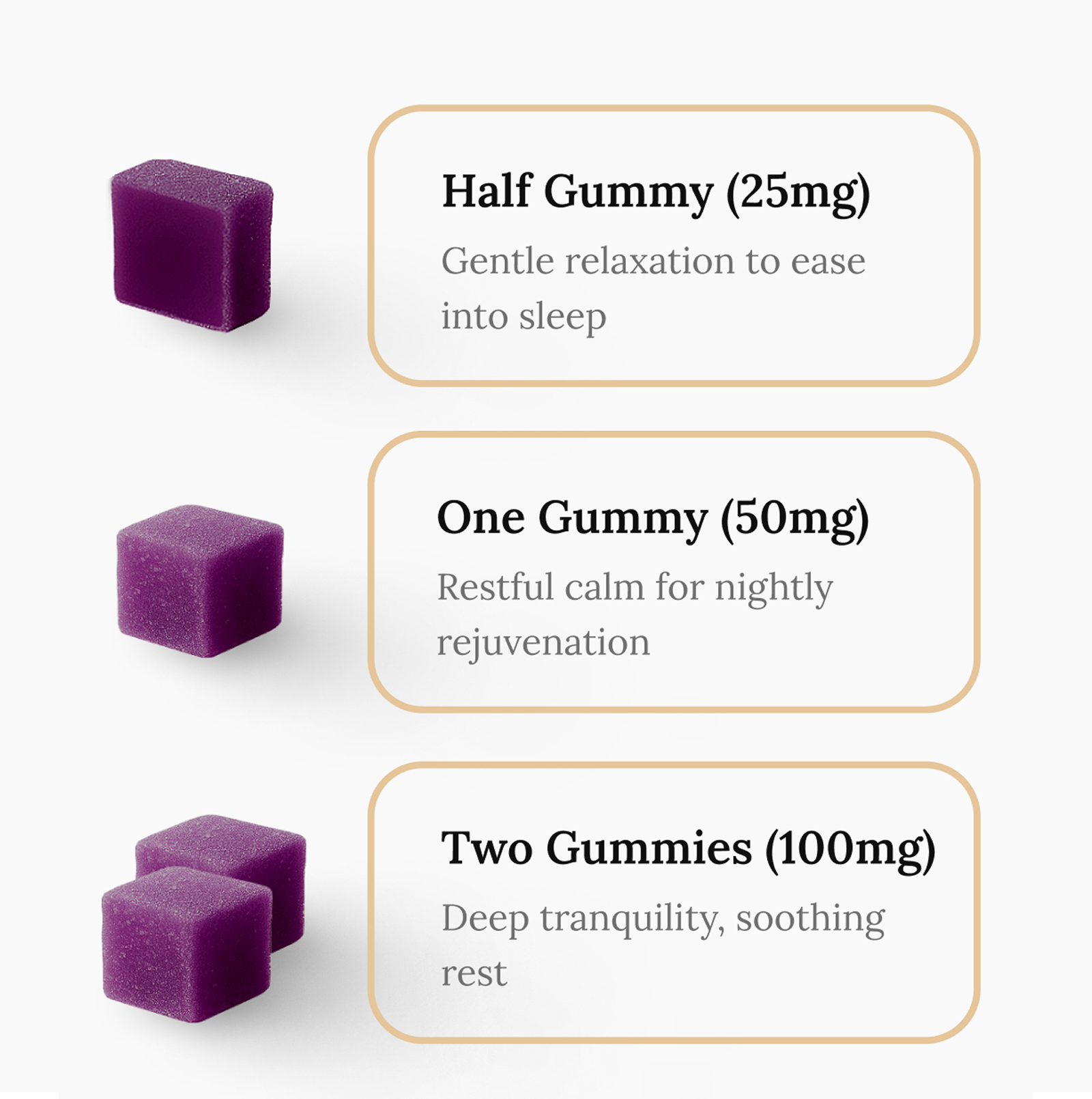
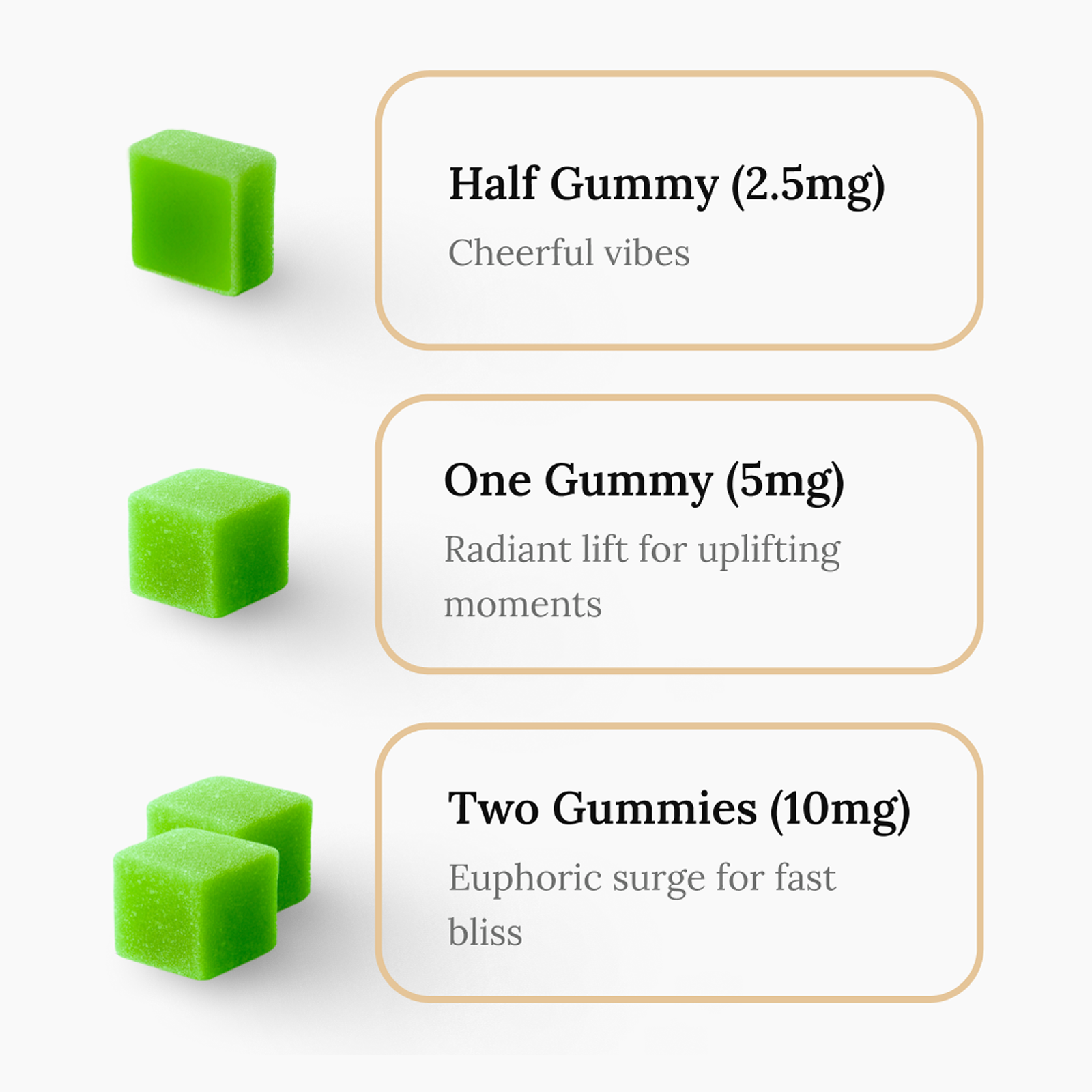
- Explore Alternative Relaxation Aids: Consider using mood gummies for a calming effect before sleep. Alternatively, cbn gummies might also support a restful night's sleep by enhancing the body's natural circadian rhythm.
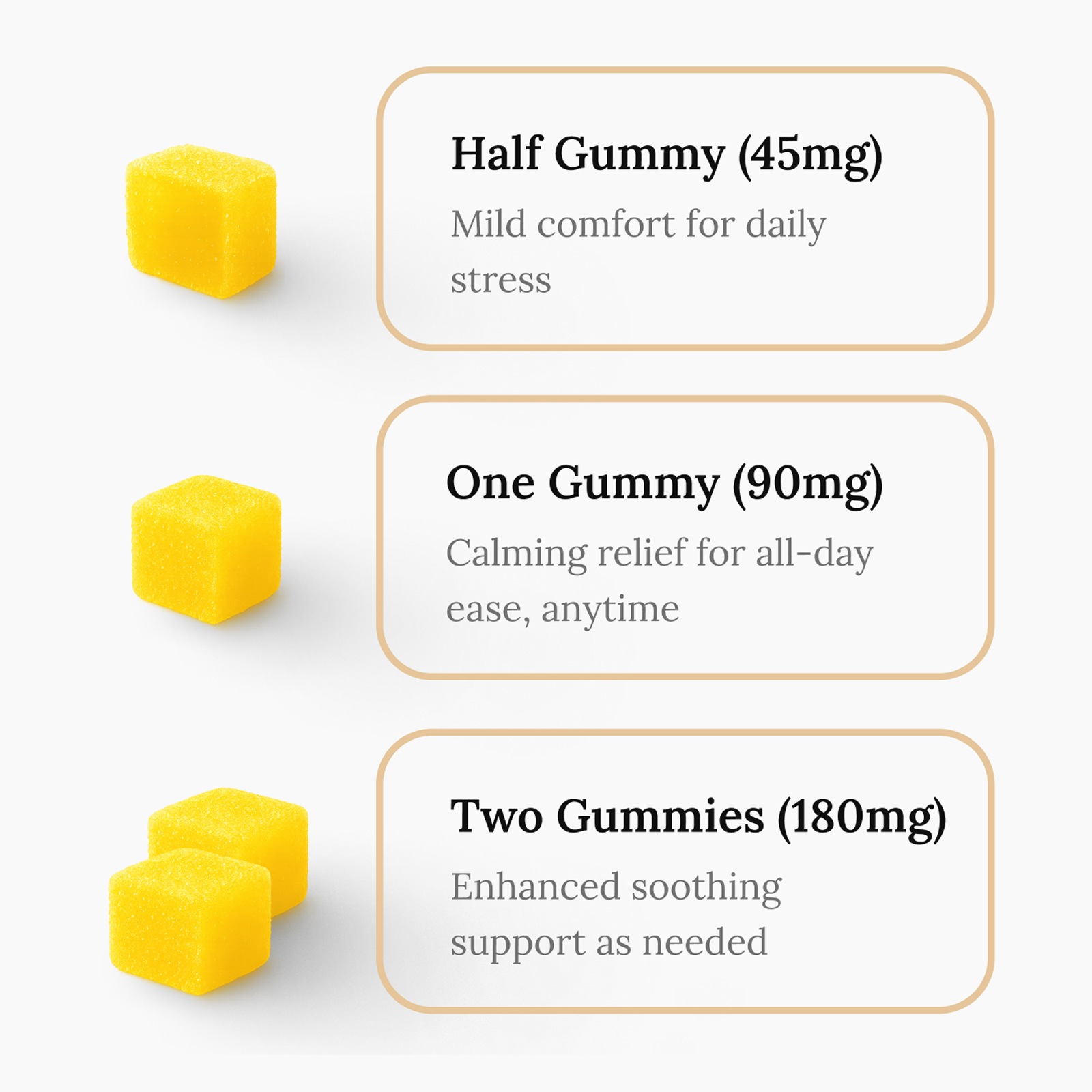
- Prioritize Sleep Hygiene: Create a bedtime routine that prioritizes a calming atmosphere. This might include dimming the lights, playing soft music, or taking a moment for personal reflection or meditation. You might also find interest in trying delta 9 gummies for a more restful experience.
Conclusion
In today's fast-paced, digital world, guarding your sleep is imperative for maintaining both physical and mental health. By understanding the impact of late-night scrolling on your sleep and taking deliberate steps to limit screen time, you can pave the way for a healthier, more restful night's sleep. Making mindful changes to reduce screen exposure and bolster your sleep routine can have profound benefits on your overall health. So, disconnect a bit earlier tonight, and let your body wind down naturally. Sweet dreams!



















Share:
Boosting Study Success with Lions Mane Gummies and Healthy Habits
Caffeine Cutoff Trial A Seven Day Plan for Better Sleep and Energy