

During the menopause transition, estrogen levels fluctuate and eventually decline. Many women notice shifts in sleep quality, temperature comfort, mood, and everyday physical ease.
The endocannabinoid system (ECS) is one of the body’s internal signaling networks involved in mood, pain perception, and sleep. Laboratory and animal research suggests that estrogen can influence this system. Hemp-derived compounds such as CBD have drawn research interest, but these biological connections do not establish that CBD relieves menopause symptoms or steadies the stress response during this transition.
Insights from real-world patterns and early research
What women report
Observational surveys provide a window into how midlife women are exploring plant-based options. In an Alberta, Canada, survey of 1,485 women aged 35 and older, 499 reported current cannabis use. Sleep difficulties, anxiety, and muscle or joint aches were commonly reported reasons for use.
Among current users, about 74% reported finding cannabis helpful for menopause symptoms. These findings reflect personal experiences in a self-selected survey, rather than controlled clinical results. The survey covered cannabis products broadly, including products containing THC, CBD, or both; it cannot tell us whether CBD alone was responsible for any perceived benefit.
What early CBD research can tell us
A 2022 Rutgers University study, published in Frontiers in Pharmacology, examined oral CBD over 18 weeks in mice whose ovaries had been removed, a research model of estrogen deficiency.
Compared with mice given the carrier oil alone, CBD-treated mice showed improvements in measures of bone density and structure, glucose tolerance, and energy expenditure. Researchers also observed gene-expression changes consistent with reduced inflammation in intestinal and bone tissue, along with changes in gut bacteria.
These findings support further investigation. They do not establish benefits for women going through menopause. Human research remains limited, and CBD has not been established as a treatment for menopause symptoms or menopause-related bone loss.
Combining approaches for personal comfort
Because every transition is unique, many women draw on more than one strategy:
-
Work with a qualified healthcare provider. Discuss options such as menopausal hormone therapy or non-hormonal prescription treatments, based on your symptoms, health history, and preferences.
-
Explore botanicals thoughtfully. Black cohosh, red clover, and Shatavari are among the ingredients women ask about. Evidence and safety vary by ingredient and preparation. Discuss these products with your healthcare provider rather than assuming that a natural ingredient is suitable for everyone.
-
Prioritize everyday foundations. Weight-bearing movement supports bone health, while yoga, breathing practices, and a consistent bedtime routine can be part of caring for your overall well-being. Notice whether alcohol, caffeine, or spicy foods affect your own comfort or sleep, and adjust accordingly.
If you are considering CBD as part of your personal wellness routine, discuss it with a qualified healthcare professional first. CBD can interact with medicines and may cause side effects, including drowsiness and liver injury. Individual experiences vary, and a wellness product should not replace appropriate medical care.
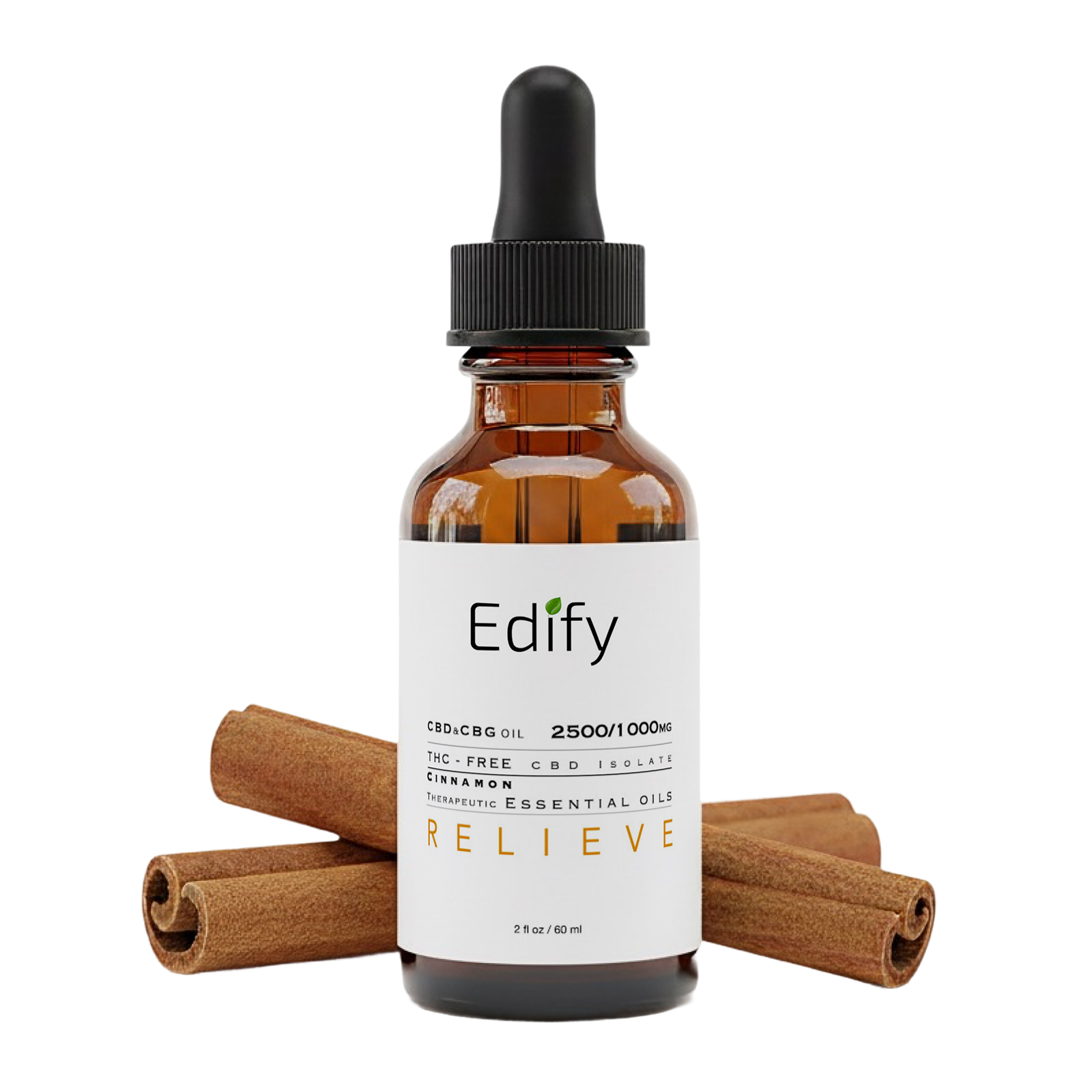
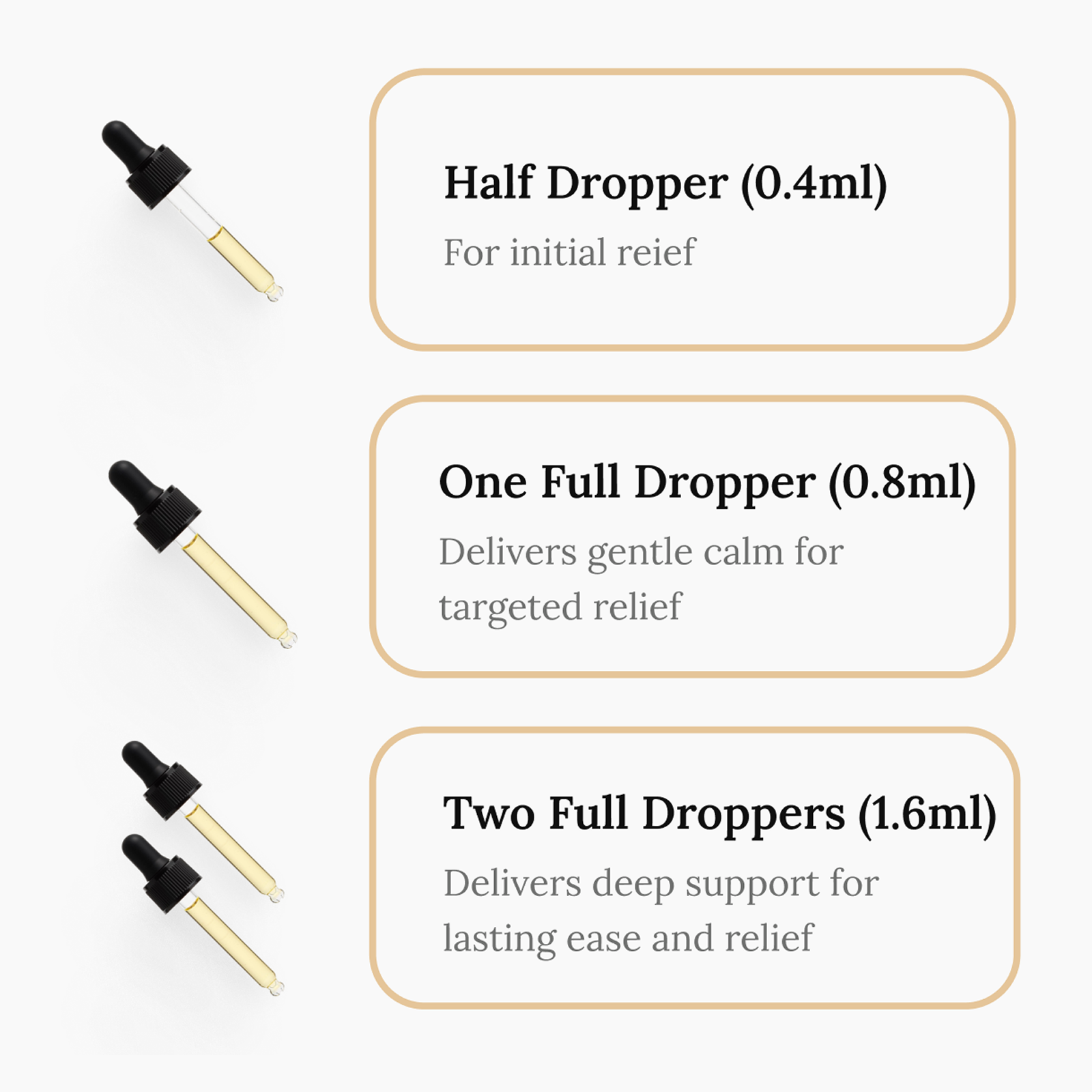
For product details, view Edify’s CBD+CBG Oil Tincture.

The research discussed above does not establish benefits for this product.
This content is educational only and is not medical advice. It is not intended to diagnose, treat, cure, or prevent any condition. Always consult a qualified healthcare professional before adding any new approach, especially during hormonal transitions.










Share:
What is CBN? The Science of Nighttime Cannabinoids | Edify®
Does Hemp-Derived THC Improve Sleep? What a 2025 Study Found