

Inflammation Support Without Hype: Understanding 'Anti-Inflammatory' Routines
Inflammation is a buzzword in the health and wellness community, often linked to chronic diseases and a host of other health concerns. But what does an 'anti-inflammatory' lifestyle really entail? Let's cut through the hype and explore practical, sustainable strategies for supporting your body's natural inflammatory response.
What Is Inflammation?
Inflammation is the body’s natural response to injury or infection. It’s a critical part of the immune system’s process, designed to heal wounds and fight off viruses and bacteria. However, chronic inflammation can be problematic, leading to conditions like arthritis, heart disease, and even some cancers.
Common Misconceptions About 'Anti-Inflammatory' Techniques
Many people think adopting an anti-inflammatory lifestyle involves radical changes or following the latest fad diets. While these approaches might be exciting at first, they are often unsustainable. A realistic routine focuses more on balance and consistency.
Diet: The Cornerstone of Anti-Inflammatory Support
Your diet plays a crucial role in managing inflammation. Incorporating more fruits, vegetables, whole grains, and healthy fats like omega-3s can significantly impact your inflammatory response. For instance, fatty fish, nuts, seeds, and leafy greens are excellent choices.
It's also important to limit the intake of processed foods, sugar, and trans fats. Over time, these can contribute to chronic inflammation.
The Role of Exercise and Lifestyle Modifications
A consistent, moderate exercise routine is another effective way to combat inflammation. Exercise reduces inflammation by regulating hormones and boosting immune function. Aim for at least 30 minutes of moderate exercise most days of the week.
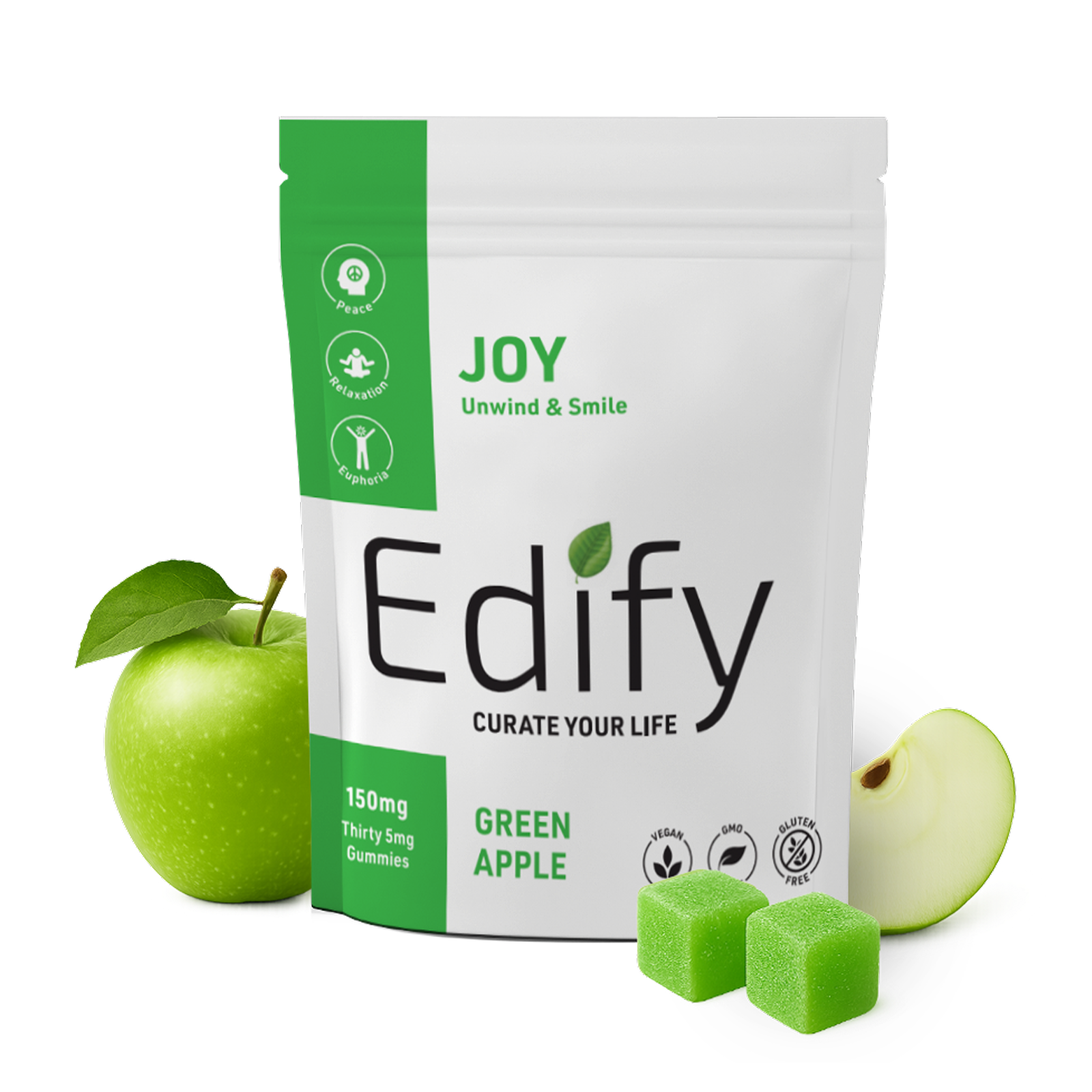
Additionally, managing stress through techniques such as mood boost supplements or meditation can further support your inflammatory response. Sleep is also an essential piece of the puzzle—poor sleep quality can increase inflammatory markers in the body.
Supplements to Consider
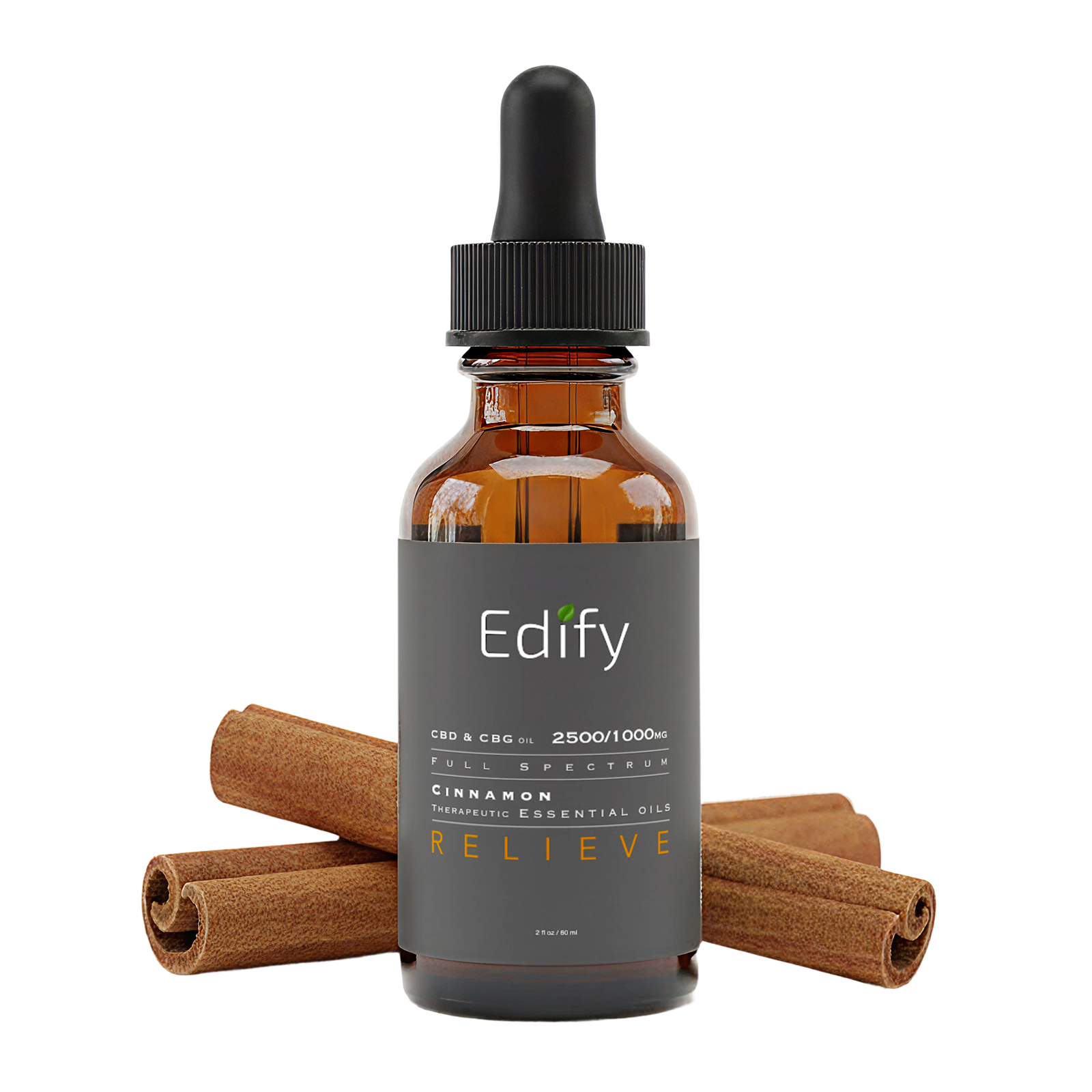
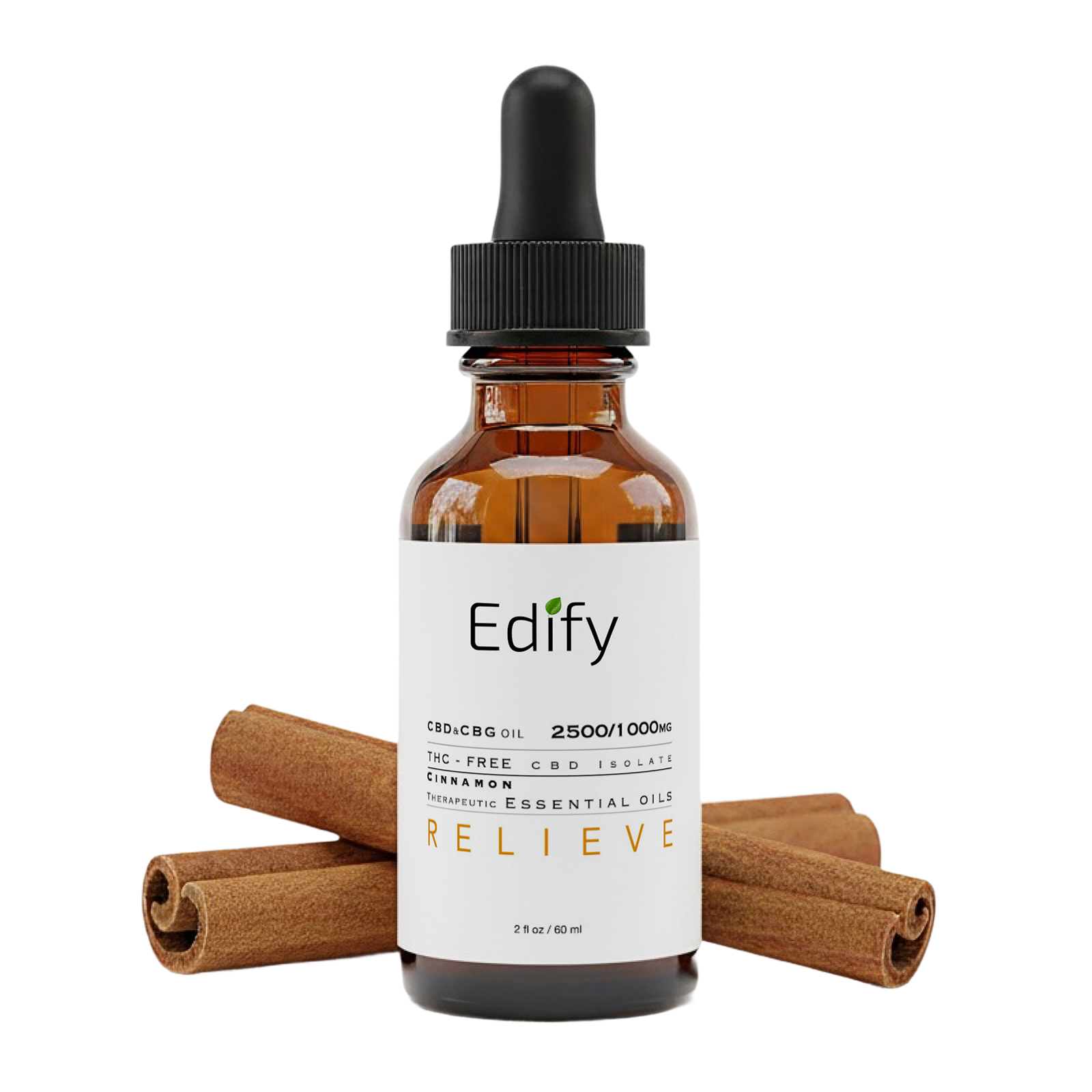
While a balanced diet is crucial, supplements can provide additional support. Consider products like cbd oil for its potential anti-inflammatory benefits. Adding cordyceps mushrooms or similar supplements can also be beneficial for their immune-supporting properties.
It’s essential to approach supplementation cautiously; always consult with a healthcare provider before starting any new supplement.
Conclusion: Practical Steps Are Key
Adopting an anti-inflammatory lifestyle doesn't mean overhauling your life overnight. By gradually incorporating more anti-inflammatory foods, committing to regular exercise, and managing stress, you can realistically support your body’s inflammatory response.
Remember, balance and consistency will yield the best results in the long run. Don’t fall for the hype—focus on what works sustainably for you and your lifestyle.













Share:
Enhance Sleep and Relaxation with Reishi in Your Evening Routine
Achieving Everyday Balance with CBD How to Track Your Two Week Journey