
Anxiety vs Stress: Understanding the Language, Patterns, and Practical Routines for Daily Calm
In our fast-paced modern world, distinguishing between anxiety and stress can be challenging. Both can influence our emotional and physical well-being, but understanding their differences and learning how to manage them can pave the way for a more serene life. This blog post will delve into the language and patterns of anxiety and stress, offering practical routines to foster a state of daily calm.
Understanding Anxiety and Stress
Though often used interchangeably, anxiety and stress are fundamentally different. Stress is a response to a specific external trigger, such as a looming deadline or a traffic jam. It is often temporary and dissipates once the source is removed. Anxiety, on the other hand, tends to linger without an identifiable source, often manifesting as a persistent worry or fear about the future. These feelings can build over time and may not be tied to a specific event or problem.
Recognizing and understanding this distinction is the first step in managing them effectively. By identifying whether your symptoms are stress-related or anxiety-driven, you can employ the appropriate strategies to tackle them.
Patterns of Anxiety and Stress
Both anxiety and stress exhibit distinct patterns that can help you understand their nuances. Stress is often characterized by irritability, increased heart rate, and muscle tension. It typically arises in response to an immediate challenge and subsides as the situation resolves. Anxiety, meanwhile, is marked by excessive worry, insomnia, and difficulty concentrating. It can be continuous, even when the immediate stressor is absent.
Being aware of these patterns can help you recognize when you're dealing with stress or anxiety, allowing you to apply suitable coping mechanisms.
Practical Routines for Daily Calm
Incorporating specific routines into your daily life can help mitigate the effects of both anxiety and stress, promoting mental clarity and emotional balance. Here are some practical strategies:
1. Mindfulness and Meditation
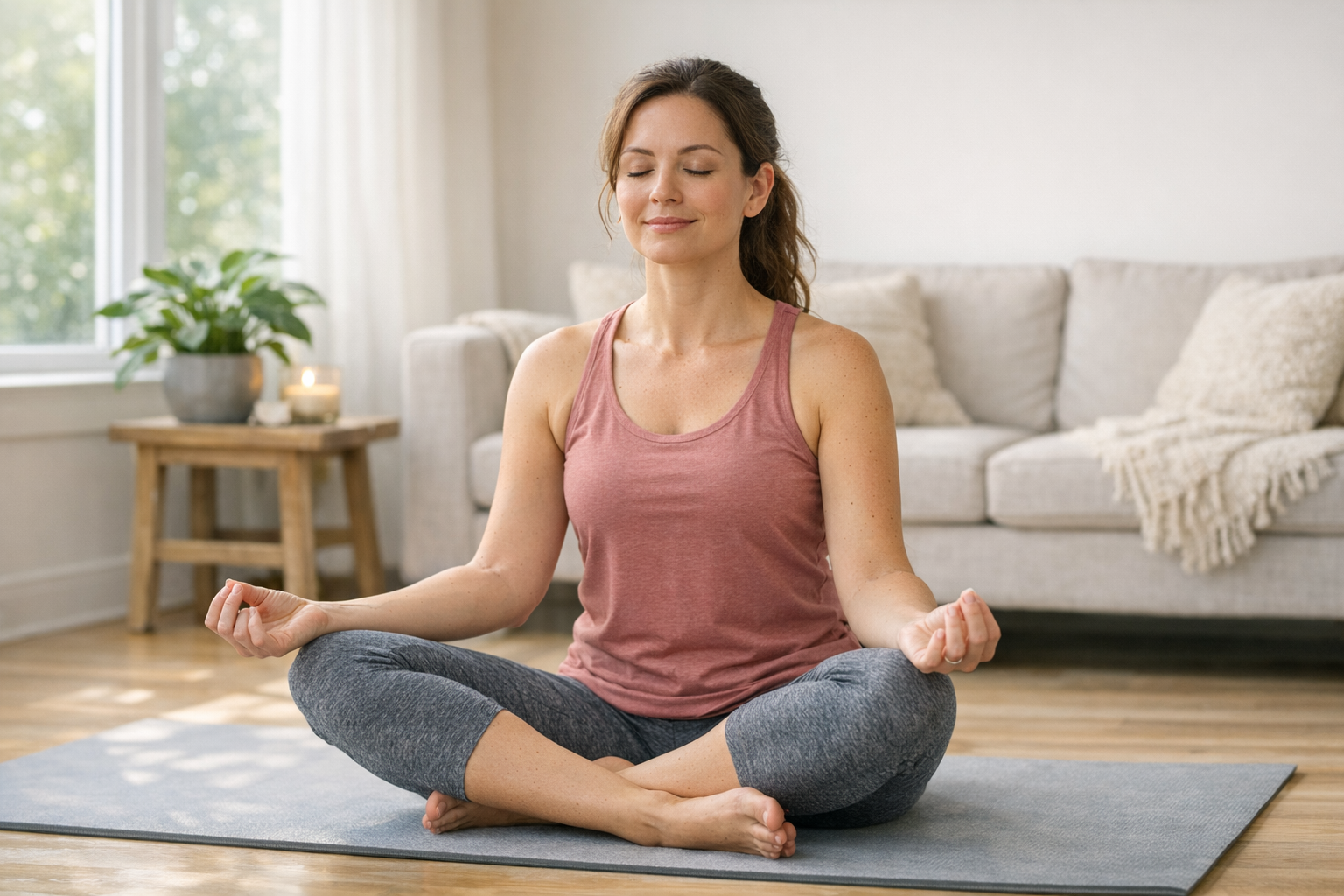
Mindfulness practices, such as meditation and deep breathing exercises, can be effective in calming the mind and reducing anxiety. Set aside a few minutes each day to focus on your breath and bring awareness to the present moment.
2. Physical Activity
Regular exercise is a powerful antidote to stress. It releases endorphins, which act as natural mood enhancers, and can help reduce anxiety levels. Aim for at least 30 minutes of moderate exercise most days of the week.
3. Nutritional Support
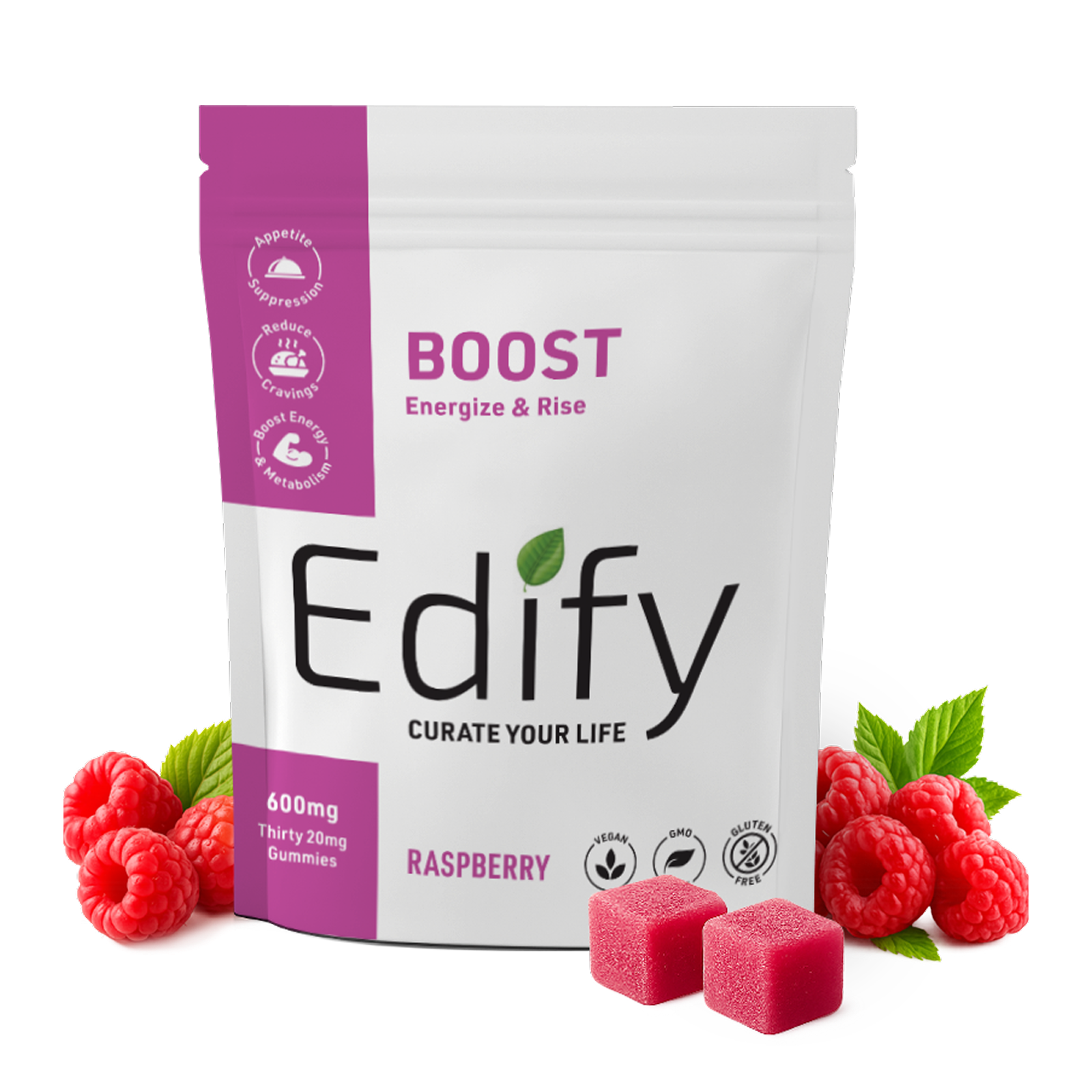
Maintaining a balanced diet can aid in stabilizing your mood and reducing anxiety. Supplements such as ashwagandha and cordyceps mushroom are known for their adaptogenic properties, helping the body resist stressors of all kinds.
4. Sleep Hygiene
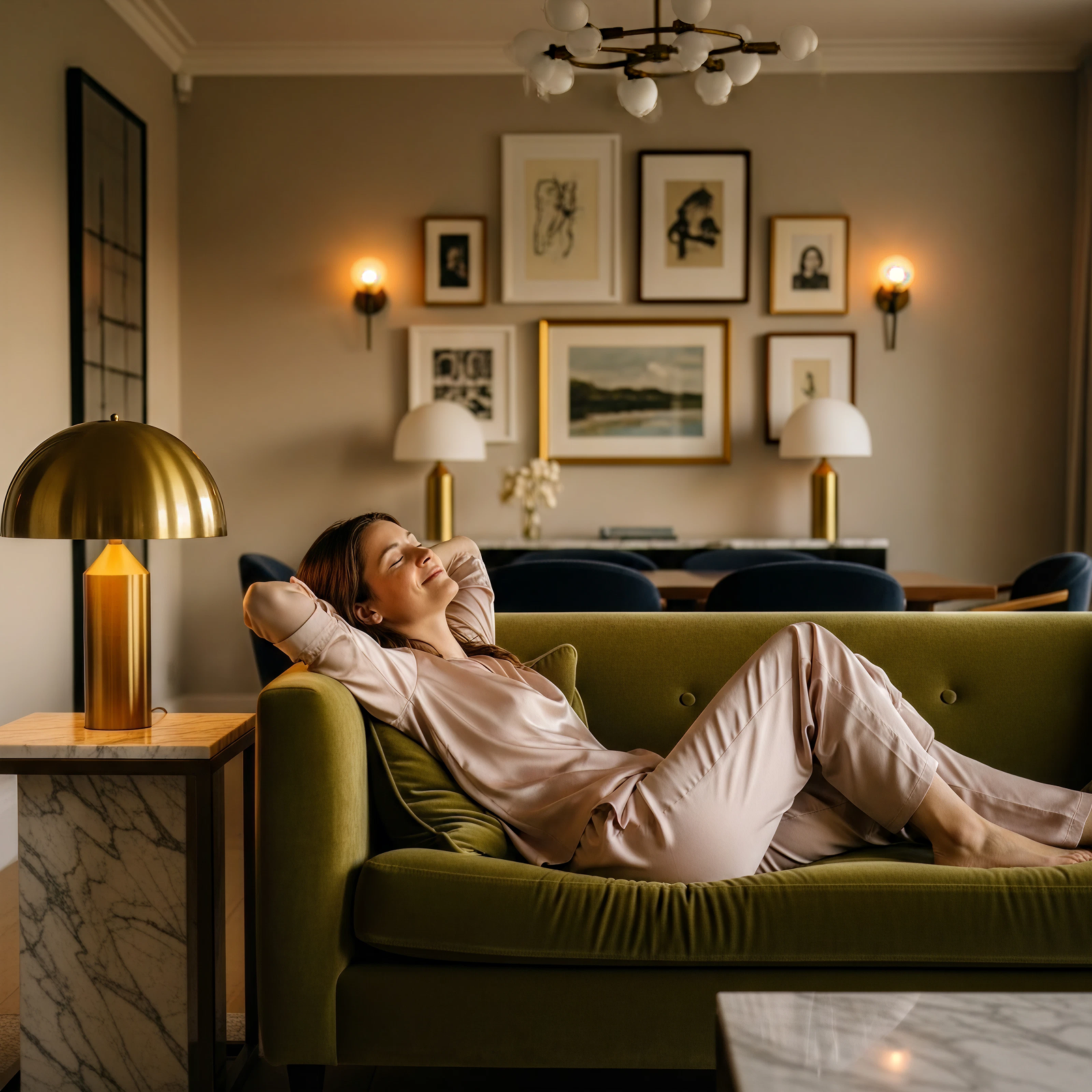
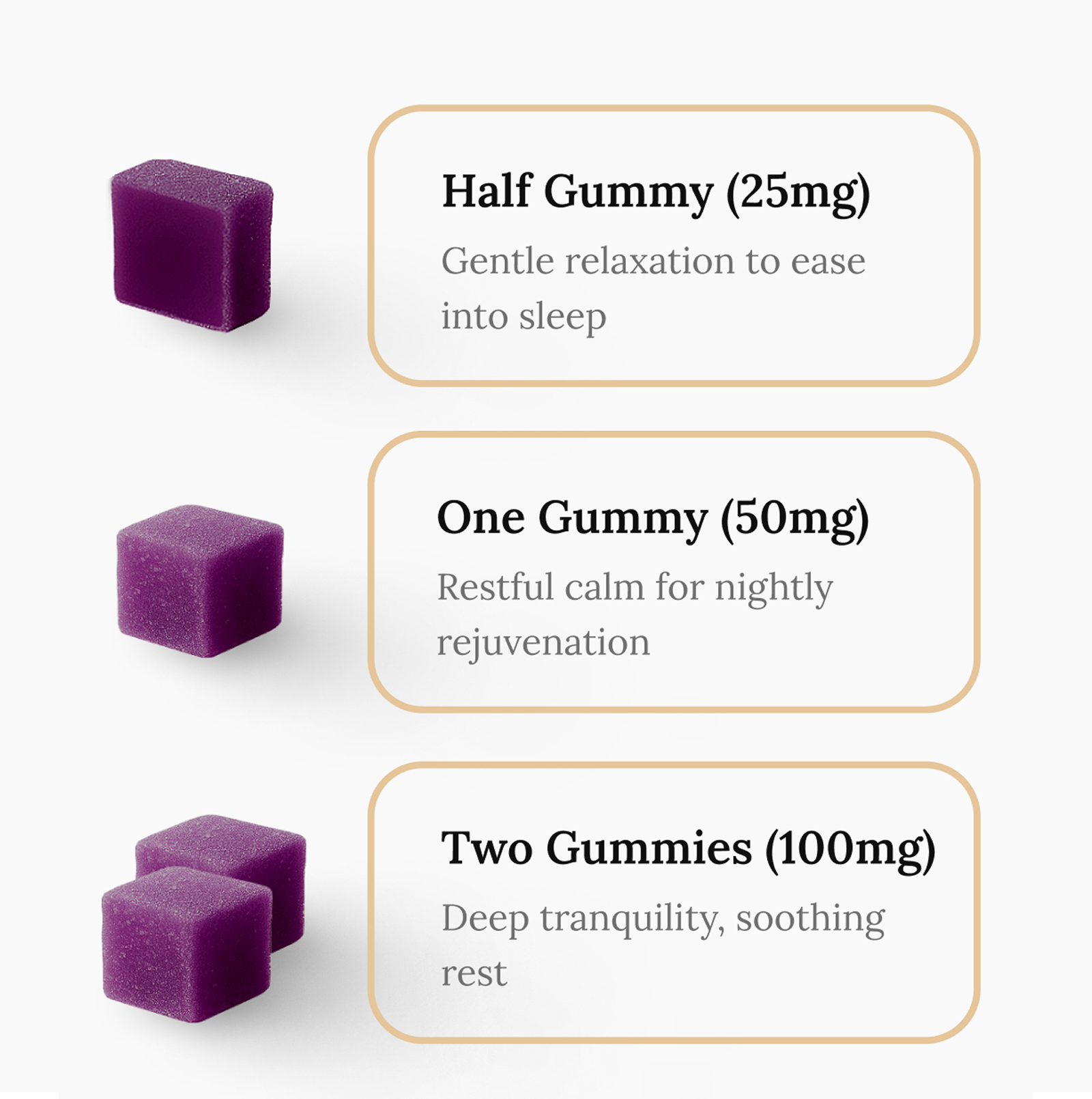
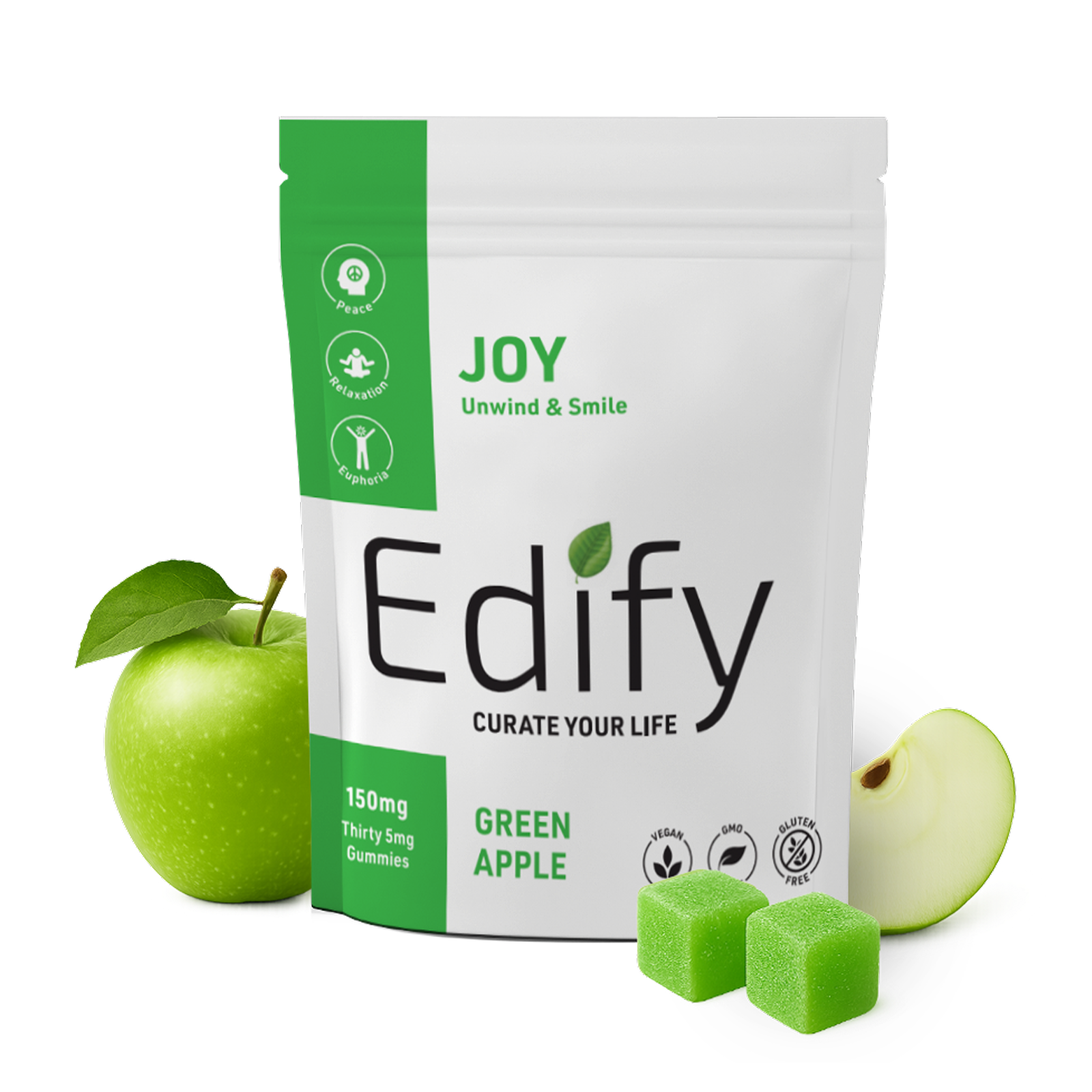
Good quality sleep is essential for managing stress and reducing anxiety. Create a bedtime routine that encourages relaxation, such as limiting screen time before bed, enjoying a warm bath, or taking mood gummies to help wind down.
5. Social Connections
Spending time with friends and family, and sharing your thoughts and feelings with loved ones, can alleviate stress. Social interactions provide emotional support and foster a sense of belonging and security.
Conclusion
Understanding and managing anxiety and stress is fundamental to maintaining emotional balance and overall well-being. By recognizing the differences in language and patterns and adopting daily routines that support calm, you can navigate life's challenges with greater ease. Remember, small changes in your daily habits can lead to significant improvements in how you feel.












Share:
Optimizing Your Evening Nutrition for Better Sleep Quality
Enhance Productivity Naturally with Pomodoro and Adaptogens