
As an ACO administrator, physician, or oncology clinic manager, you understand the pressure to manage costs while maintaining quality standards. When it comes to CBD sourcing, many healthcare organizations assume they must work through group purchasing organizations (GPOs) like Alliant. The reality is different. You have direct access to compliant, farm-direct CBD suppliers that offer better pricing, transparency, and control over your supply chain.
This guide walks you through the process of evaluating any CBD supplier for compliance with Bureau of Economics and Innovation (BEI) standards, understanding what true farm-direct pricing looks like, and building a sourcing strategy that works for your organization without a GPO middleman.
Why ACOs Are Moving Beyond GPO Contracts
GPO contracts offer convenience, but they come with trade-offs. Middleman markups, limited supplier options, and reduced negotiating power mean your ACO may be paying more than necessary for compliant CBD products. Many ACOs don't realize they qualify to source directly from manufacturers and distributors who hold proper compliance certifications.
The shift toward direct sourcing reflects three key advantages:
- Cost reduction through elimination of GPO fees and markups
- Full transparency into sourcing, testing, and manufacturing practices
- Direct relationships with suppliers who understand healthcare requirements
For organizations treating chronic pain, cancer-related symptoms, and other conditions where CBD may play a supportive role, this level of control is essential. Your patients and clinicians deserve products sourced with the same rigor you apply to pharmaceuticals and medical devices.
Understanding BEI Compliance for Healthcare CBD
Before evaluating any supplier, you need to understand what BEI compliance actually means in the context of CBD sourcing for ACOs. The Bureau of Economics and Innovation sets standards that protect patient safety, ensure product consistency, and maintain audit trails required by most value-based care agreements.
Key BEI compliance requirements include:
- Third-party laboratory testing of cannabinoid content and purity
- Testing for pesticide residues, heavy metals, and microbial contaminants
- Batch tracking and traceability from farm to patient
- Documentation of sourcing practices and manufacturing conditions
- Chain of custody records for regulatory audits
When you source through a compliant supplier, you receive comprehensive documentation including Certificates of Analysis (CoA), farm certifications, and third-party lab results. This documentation protects your ACO legally and clinically.
Edify Wellness holds full BEI compliance certification and publishes all testing results openly. You can review our lab results and Certificates of Analysis before making any commitment. This transparency is standard among reputable suppliers and should be non-negotiable in your evaluation process.
The Five-Step Supplier Evaluation Process
When you're ready to evaluate CBD suppliers, use this framework to assess compliance, quality, and pricing:
Step 1: Verify Third-Party Testing and Lab Results
Ask any potential supplier for their complete lab testing documentation. Legitimate suppliers test every batch for:
- CBD and THC content (to ensure compliance with federal guidelines)
- Pesticides and herbicides
- Heavy metals including lead, cadmium, and mercury
- Microbial contaminants like E. coli and Salmonella
- Mycotoxins
The testing laboratory must be independent and accredited. Red flags include suppliers who won't share lab results or who use internal testing only. Review the detailed lab results available here as an example of the standard you should expect.
Step 2: Confirm BEI Compliance Certification
Request documentation of BEI compliance certification. This should include:
- Current certification letter from the Bureau of Economics and Innovation
- Scope of certification (which products are covered)
- Audit history and any corrective actions
Edify Wellness maintains active BEI compliance across our entire product line. Organizations can access our full compliance documentation through our compliance documentation page.
Step 3: Evaluate Farm and Manufacturing Standards
CBD quality begins at the farm. Ask suppliers about their farming practices, pesticide protocols, and hemp variety selection. For manufacturing, confirm:
- Whether the facility is Good Manufacturing Practice (GMP) certified
- How extraction and processing are performed
- Quality control checkpoints throughout production
- How the supplier handles batch failures or contamination
Farm-direct suppliers can tell you the specific farms where their hemp is grown. This traceability is essential for healthcare organizations.
Step 4: Analyze Pricing Against Market Standards
Direct sourcing typically offers 25 to 40 percent savings compared to GPO contracts, depending on volume and product specifications. Request a detailed quote from potential suppliers that breaks down:
- Cost per unit or per milligram of CBD
- Volume discounts and tiered pricing
- Shipping and handling
- Any service fees or minimum orders
Use our wholesale quote request tool to get transparent pricing from Edify Wellness based on your ACO's specific needs.
Step 5: Review Regulatory and Insurance Support
Ask whether the supplier provides documentation for insurance verification, patient education materials, and physician guidance. Some suppliers offer regulatory support for Medicare compliance or help with state-specific requirements. This is particularly valuable if your ACO serves Medicare Advantage populations.
Learn more about Medicare CBD sourcing requirements on our Medicare CBD page.
Common Supplier Red Flags to Avoid
As you evaluate options, watch for these warning signs that indicate a supplier may not meet your compliance needs:
- Reluctance to share laboratory test results or compliance documentation
- Prices significantly lower than competitors (often indicates lower quality or untested products)
- Claims that CBD is approved by the FDA for specific conditions (it isn't)
- No traceability back to specific farms
- Inconsistent product potency between batches
- No written quality guarantee or return policy
Organizations that source CBD without proper compliance documentation expose your ACO to regulatory risk and potentially compromise patient safety. The savings from direct sourcing should never come at the expense of quality or compliance.
Building Your Direct Sourcing Agreement
Once you've selected a compliant supplier, your ACO should negotiate a direct sourcing agreement that includes:
- Fixed pricing for a committed volume over 12 to 24 months
- Regular batch testing results provided automatically
- First notification if any batch fails quality standards
- Right to audit the supplier's facilities and processes
- Clear procedures for product recalls or safety issues
- Flexible ordering to match your clinic's patient census
Direct sourcing agreements often include volume commitments, but they give you pricing stability and predictable supply. Many suppliers, including Edify Wellness, offer flexible terms designed specifically for healthcare organizations.
Getting Started With Compliant Direct Sourcing
The transition from GPO sourcing to direct relationships typically takes 4 to 8 weeks from initial evaluation through first delivery. Start by requesting samples and complete compliance documentation from potential suppliers. Involve your compliance and quality teams early to ensure the new supplier meets all internal standards.
Edify Wellness specializes in helping ACOs transition to direct sourcing. Our team understands healthcare procurement, compliance requirements, and the specific needs of physicians and oncology clinics. We provide transparent pricing, complete lab testing results, and ongoing regulatory support.
Explore our full product line and request a wholesale quote tailored to your ACO at our wholesale pricing page. Review detailed lab results and compliance documentation to understand the standard you should expect from any supplier.
By sourcing compliant CBD directly, your ACO reduces costs, increases transparency, and builds supply chain relationships that support long-term value-based care goals. You no longer need GPO contracts to access quality, compliant products. You just need the right partner.
Shop Edify CBD & Wellness Products
- CBD Gummies
- Sleep CBD Gummies
- Gummies for Pain Relief
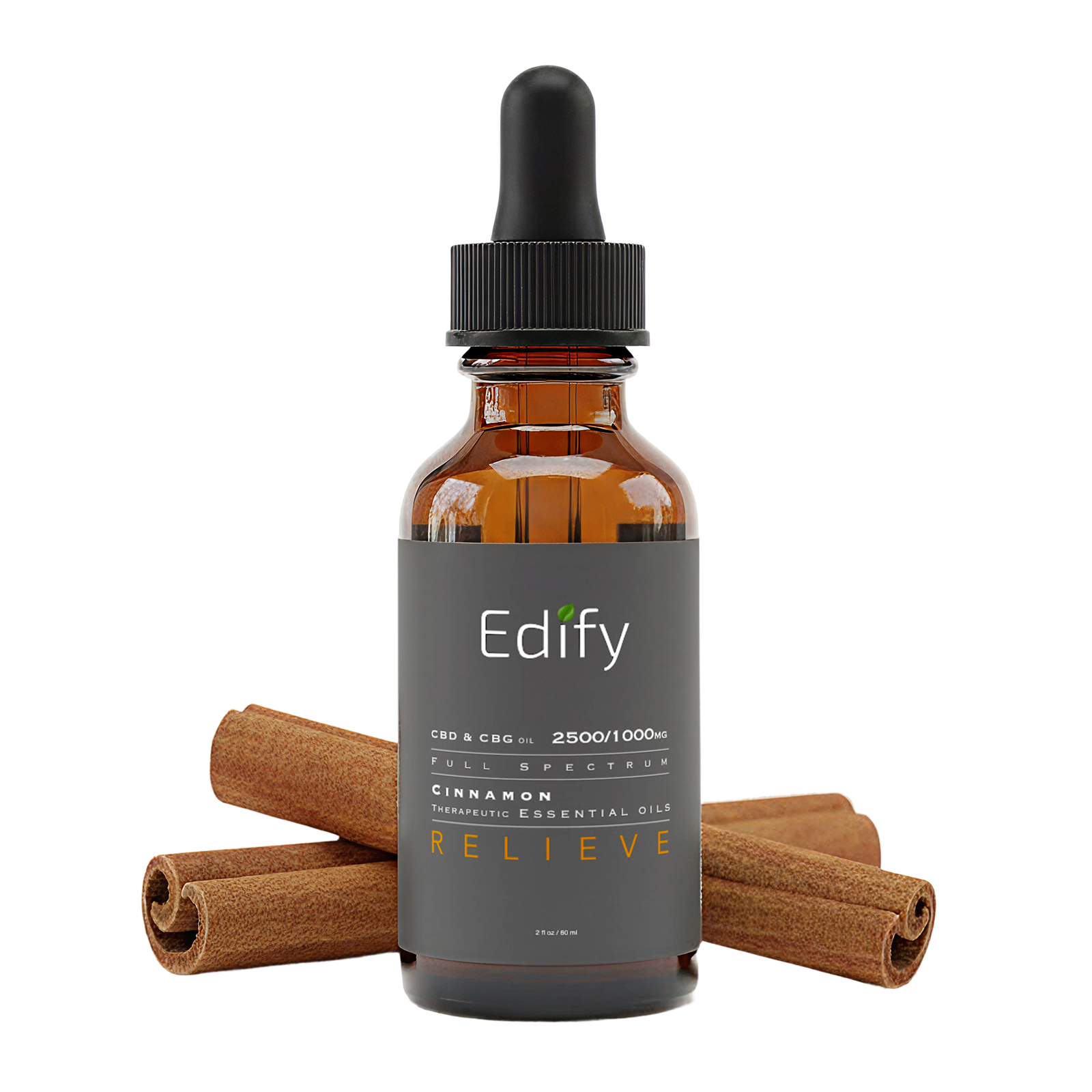
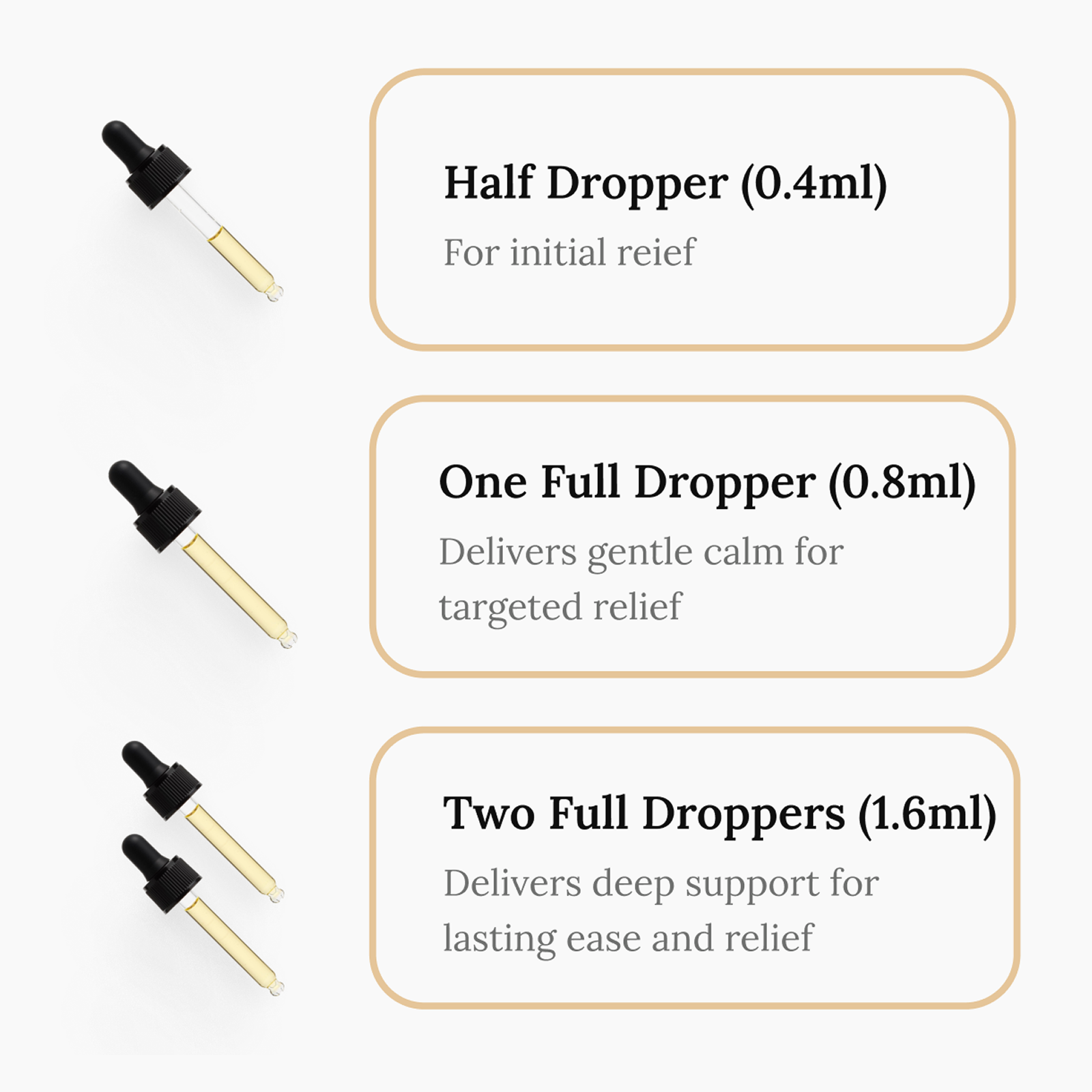
- CBD Oil & Tinctures
- THC Gummies
- Mushroom Gummies
- CBN Gummies
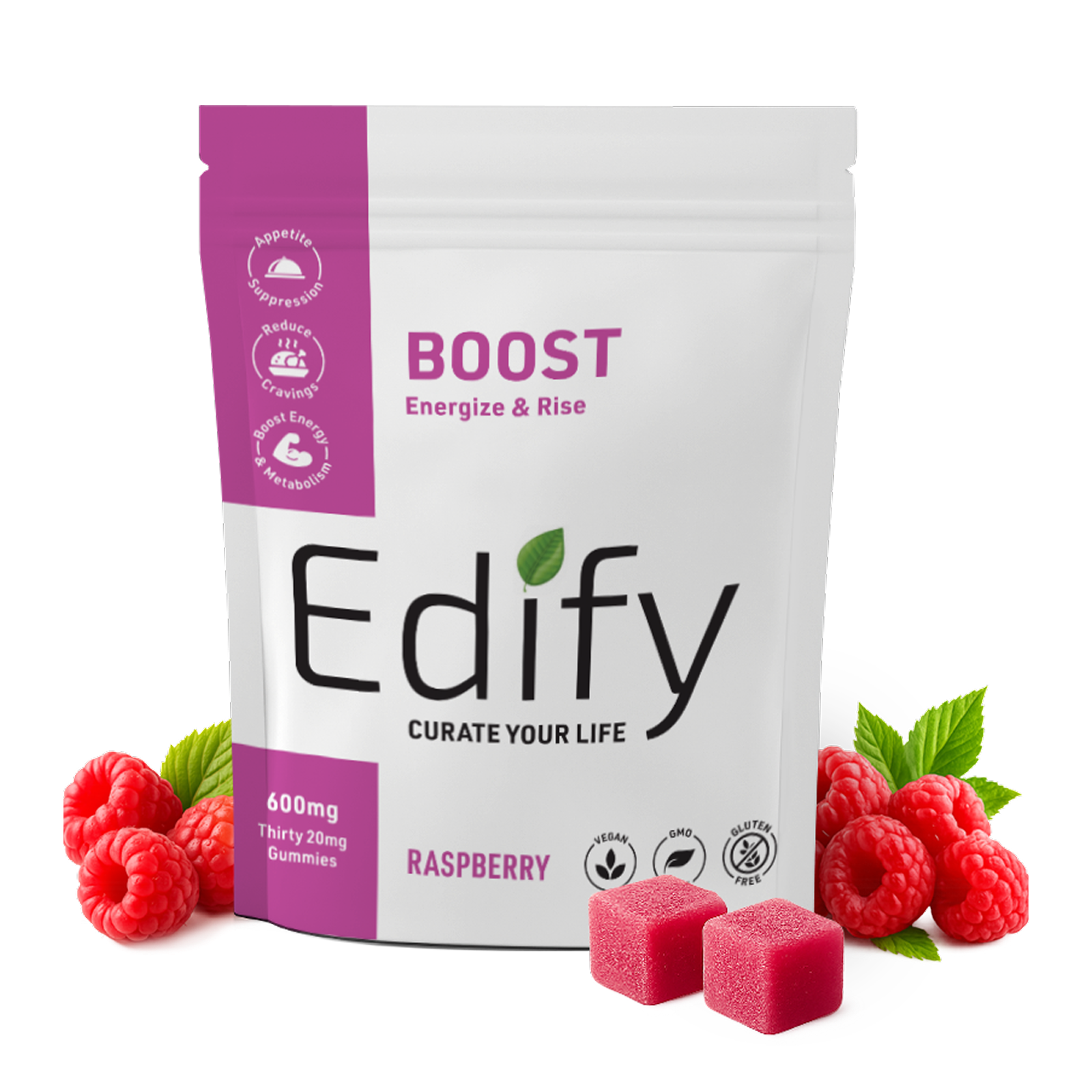
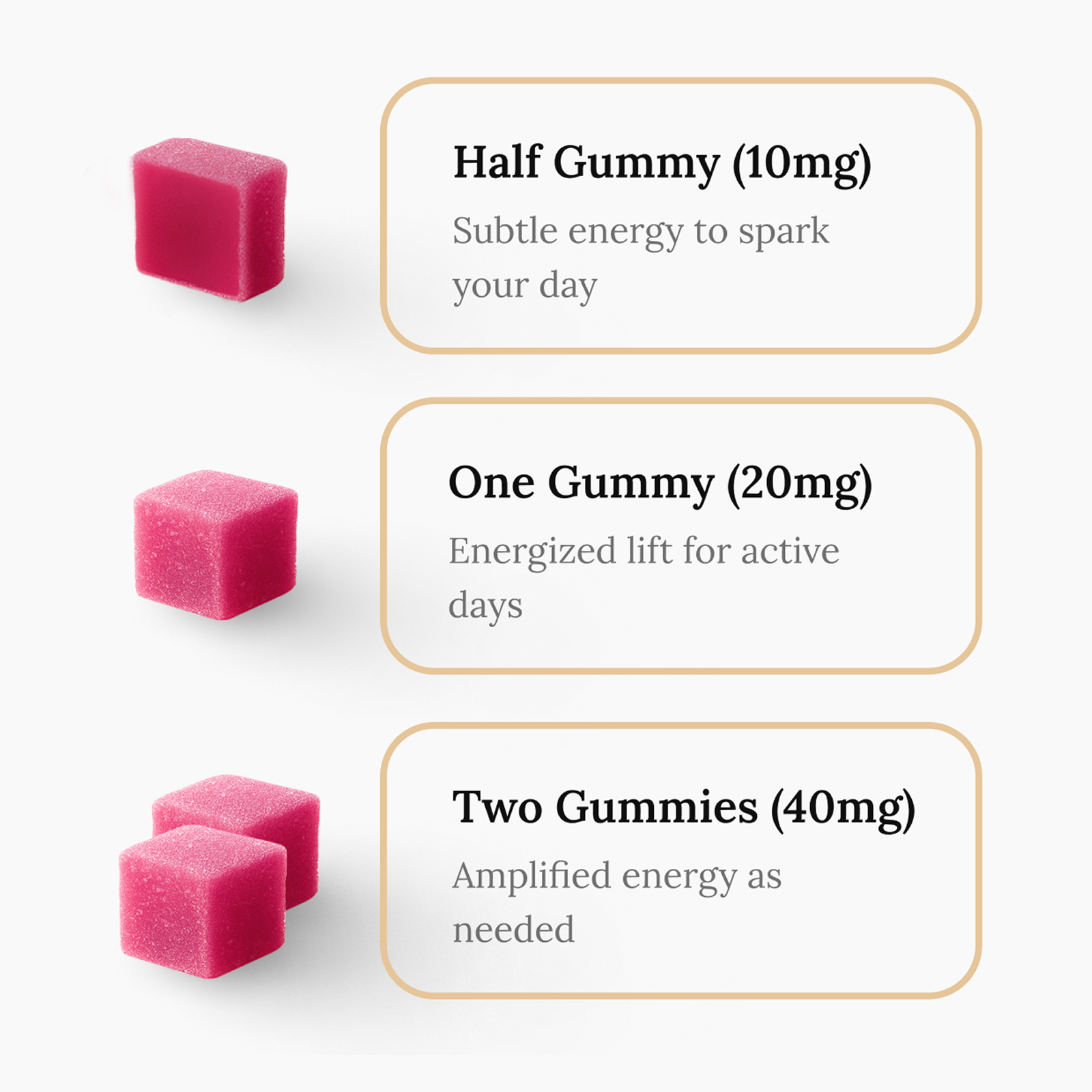
- Energy Gummies (THCV)
Medicare CBD Resources
- Does Medicare Cover CBD?
- Who Qualifies for Medicare CBD
- Medicare CBD Approved Products
- How the Medicare CBD Program Works
- Free CBD for Medicare Seniors
Written by the Edify Wellness Team












Share:
CBD and Blood Thinners: What Warfarin Users Must Know
How to Talk to Your Doctor About CBD: A Script That Works