
Imagine taking a medication for years to keep your blood flowing safely, only to discover that a supplement you just started could make that medicine work too well. That's the real concern many seniors face when considering CBD while taking warfarin or other blood thinners. If you or a loved one takes warfarin to prevent blood clots, this information could be lifesaving.
The relationship between CBD and blood thinners is one of the most important drug interactions that seniors need to understand. It's not about CBD being dangerous on its own, but rather how it interacts with the medications you're already taking. Let's explore what you need to know.
Understanding Warfarin and How It Works
Warfarin is one of the most commonly prescribed blood thinners for seniors. Your doctor likely prescribed it to prevent blood clots that could cause strokes, heart attacks, or other serious complications. Warfarin works by slowing down your body's ability to form blood clots.
The tricky part about warfarin is that it has a narrow therapeutic window. This means there's a specific range where it works best. Too little warfarin, and you don't get the clot protection you need. Too much, and you face a serious bleeding risk. That's why your doctor regularly checks your INR (International Normalized Ratio) through blood tests. These tests measure how thin your blood is and help your doctor keep the dose just right.
Many things can affect warfarin levels. Changes in diet (especially foods high in vitamin K), other medications, and supplements can all tip the balance. This is why warfarin users need to be extra careful about what they take, including CBD products.
How CBD Interacts With Warfarin
CBD works with your body through something called the cytochrome P450 enzyme system. This system in your liver breaks down many medications, including warfarin. Think of these enzymes as the workers in your liver's processing plant. They break down warfarin at a consistent rate to keep it at the right level in your body.
When you add CBD to the mix, it can slow down these enzymes. This means your liver takes longer to process the warfarin. Instead of warfarin working its way out of your system at the normal rate, it builds up. Higher levels of warfarin mean your blood gets thinner and thinner, which increases your risk of bleeding.
This isn't a small effect either. Studies show that CBD can significantly raise warfarin levels in your blood. For someone already trying to maintain a careful balance with their blood thinner, even a modest increase can be dangerous. The risk of bleeding complications increases alongside rising warfarin levels.
Warning Signs of Excessive Bleeding
If you're on warfarin and concerned about this interaction, knowing the warning signs of excessive bleeding is critical. Don't wait to see your doctor if you notice any of these symptoms:
- Unexplained bruises that are larger than usual or appear without an obvious injury
- Bleeding gums or blood in your saliva
- Nosebleeds that are frequent or last longer than usual
- Blood in your urine or stool
- Vomit that contains blood or looks like coffee grounds
- Unusual heaviness or pain in your joints or muscles
- Excessive bleeding from minor cuts that won't stop
- Headaches, dizziness, or confusion that come on suddenly
These symptoms need immediate attention. Call your doctor right away, or go to the emergency room if you're experiencing severe symptoms. Don't assume it's nothing. With blood thinners, it's always better to check things out.
What Warfarin Users Should Do Before Trying CBD
The first and most important step is simple: talk to your doctor before starting CBD. This conversation needs to happen before you buy anything, not after. Your healthcare provider knows your complete medical history, all your current medications, and your specific health situation. They're the best person to help you decide whether CBD is safe for you.
When you talk to your doctor, bring specific information about the CBD product you're considering. Is it full-spectrum (containing all the plant compounds including THC), broad-spectrum (with THC removed), or CBD isolate (pure CBD only)? What's the dose? Where does it come from? This information helps your doctor make an informed decision.
If your doctor approves CBD, they may want to increase how often they check your INR. More frequent blood tests help catch any changes in your warfarin levels early. Your doctor might also adjust your warfarin dose to account for the CBD interaction.
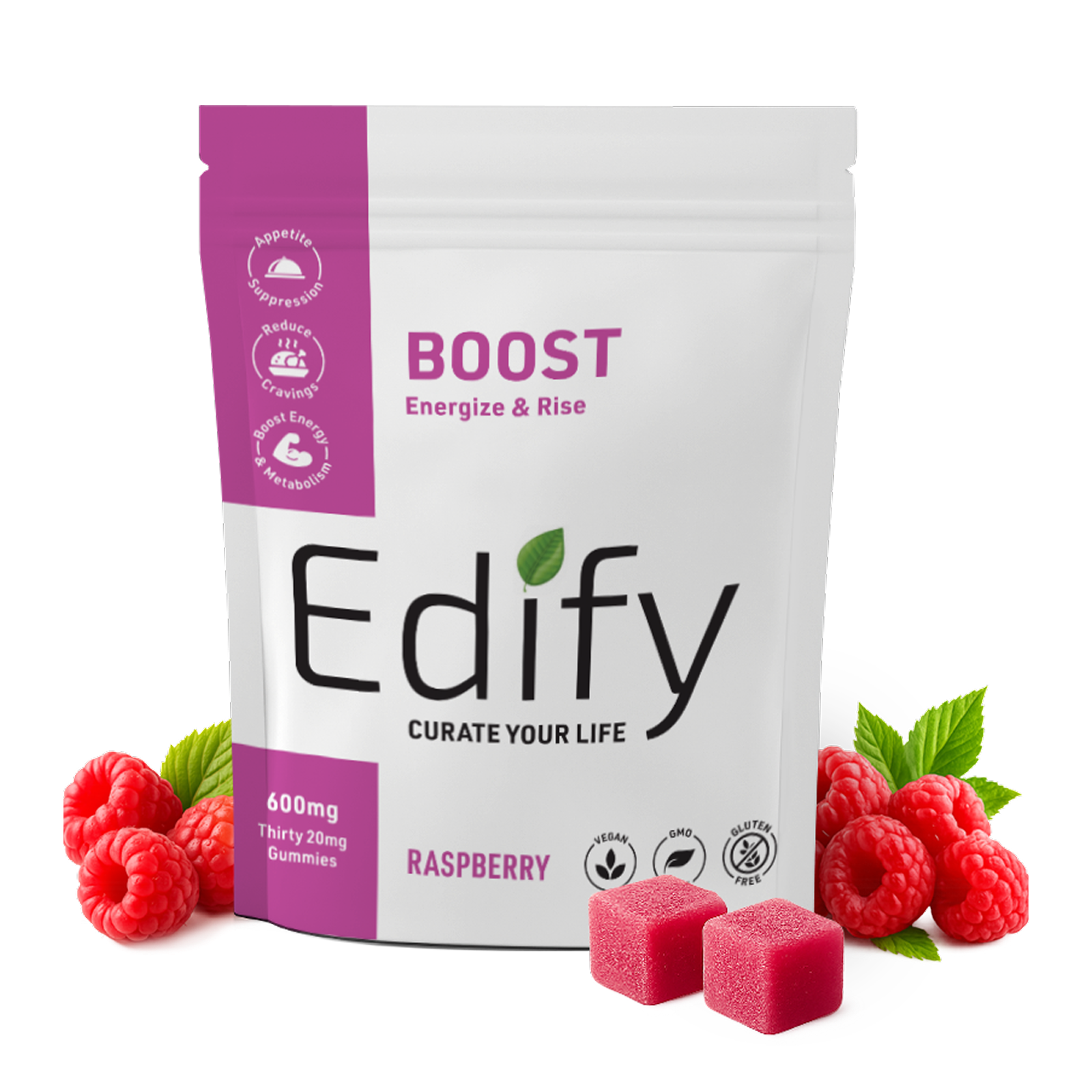
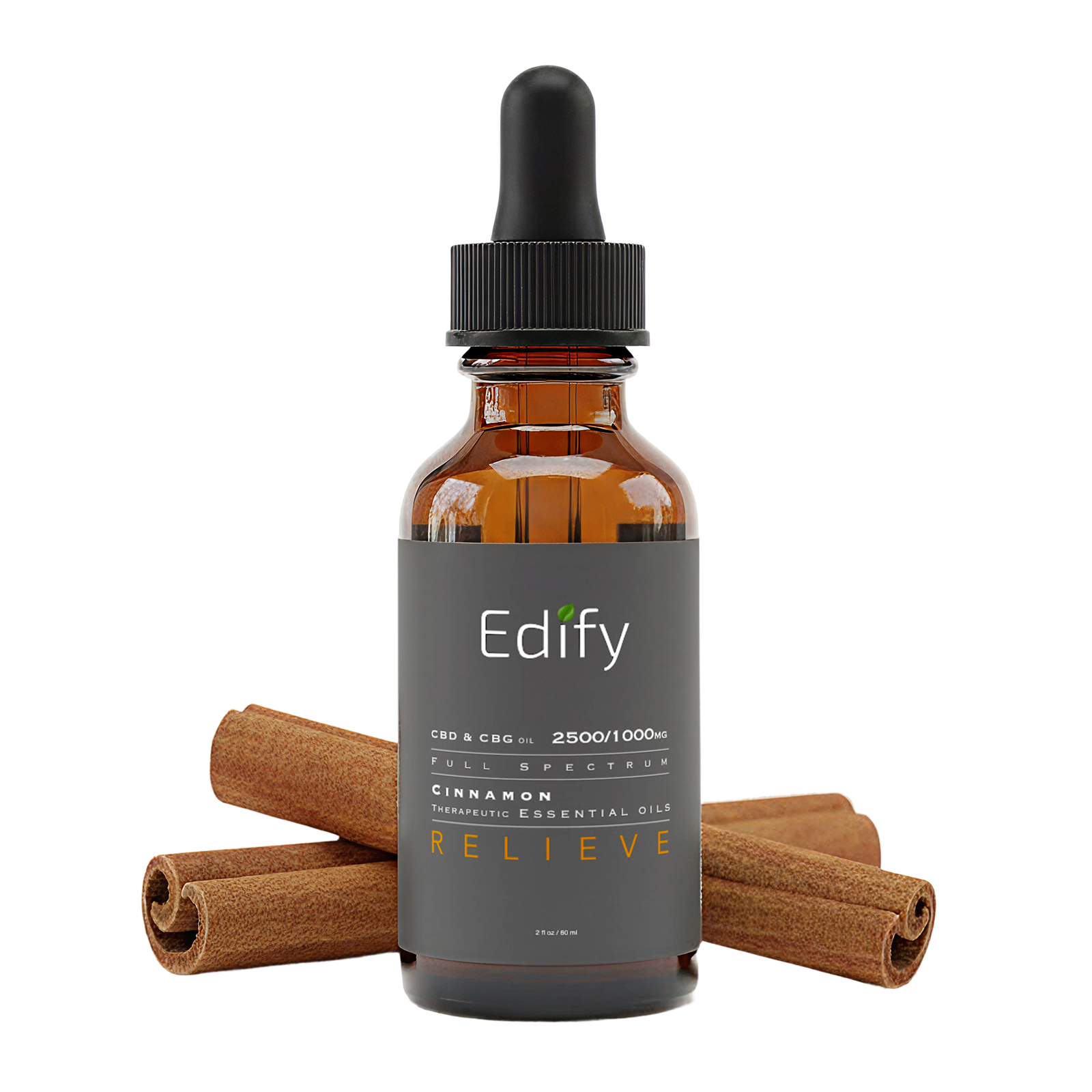
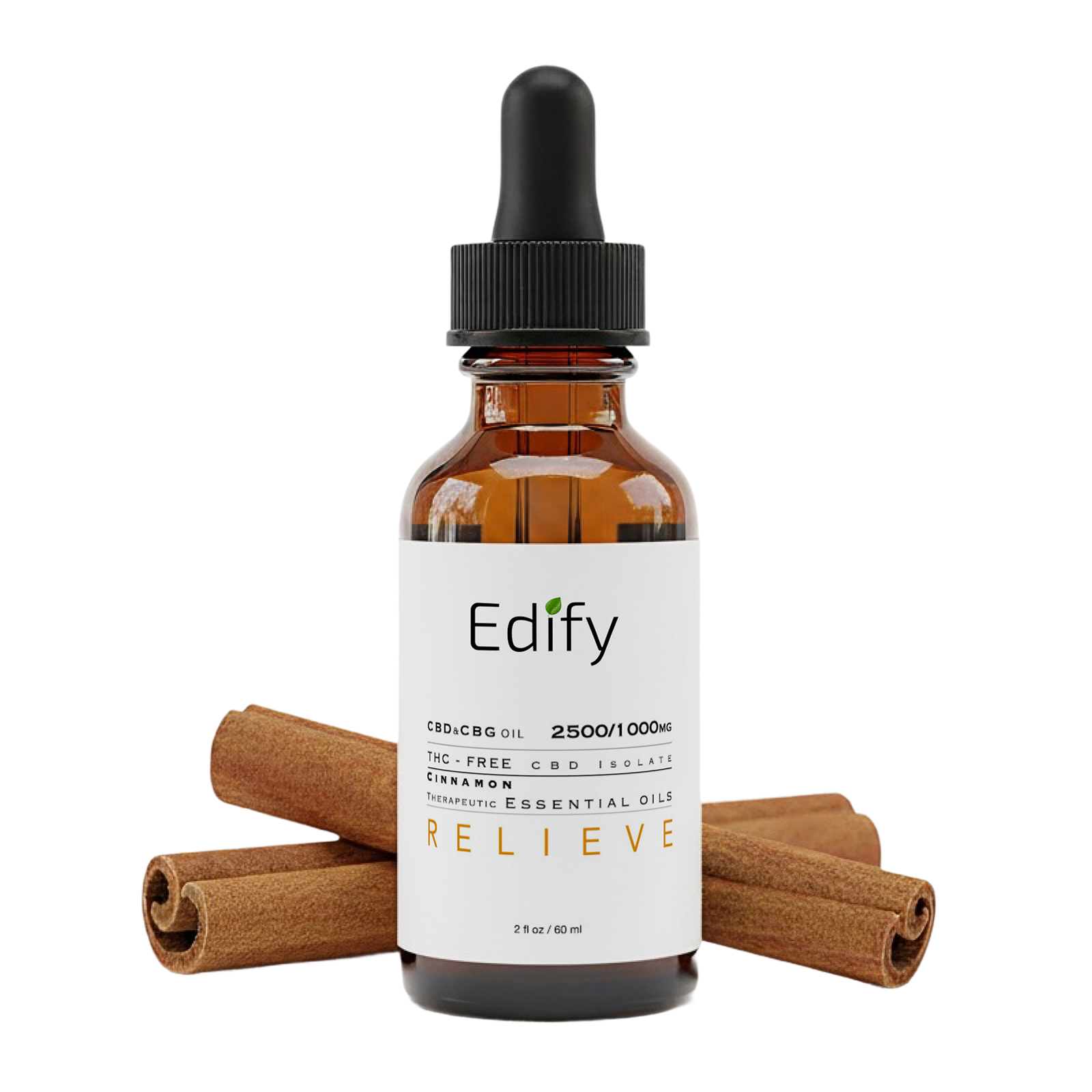
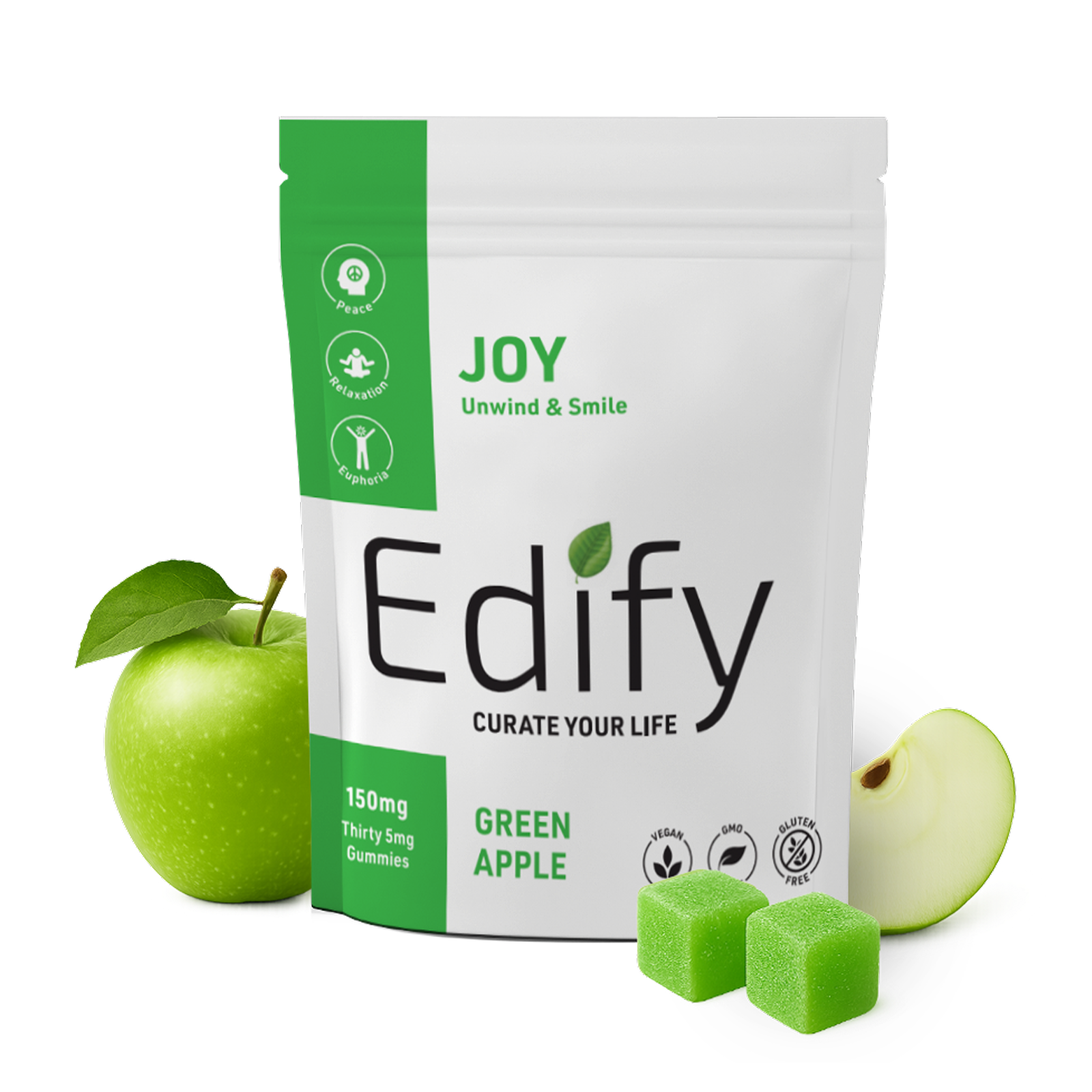
Look for products that are third-party lab-tested and come from trusted sources. Edify produces nano-enhanced CBD from Kentucky farm-grown hemp with rigorous lab testing to ensure purity and potency. When choosing any CBD product, transparency about testing and sourcing matters, especially when you're managing a serious medication.
Many seniors find success working closely with their doctors to find the right solutions. Our guide on talking to your doctor about CBD offers conversation starters and questions to ask.
Other Blood Thinners and CBD Interactions
Warfarin isn't the only blood thinner that can interact with CBD. Dabigatran, rivaroxaban, apixaban, and other anticoagulants may also be affected. The mechanism might differ slightly from warfarin, but the basic principle is the same: CBD can interfere with how your body processes these medications.
If you take any blood thinner, you should talk to your doctor about CBD just as you would with warfarin. Don't assume that because your medication isn't warfarin, you're safe to use CBD without checking first. Each medication has its own interaction profile, and your doctor needs to evaluate your specific situation.
Our comprehensive resource on CBD and drug interactions for seniors covers more medications and interactions you should know about.
Safe Alternatives and Next Steps
If your doctor determines that CBD isn't safe for you while on warfarin, don't feel discouraged. There are many ways to support your wellness. Discuss other options with your healthcare provider, such as physical therapy, lifestyle changes, or other supplements that don't interact with your blood thinner.
If your doctor gives you the go-ahead to use CBD despite taking warfarin, work with them on a monitoring plan. Frequent INR checks will help ensure your warfarin levels stay in the safe range. Start with the lowest dose possible, and increase only under your doctor's guidance.
For more information about CBD dosing for seniors, visit our CBD dosage guide for seniors. We also have detailed information about CBD and Medicare coverage that might help you understand your options.
The Bottom Line
CBD can raise warfarin levels significantly, increasing your risk of dangerous bleeding. If you take warfarin or any blood thinner, you must talk to your doctor before starting CBD. Don't skip this step or try to handle it on your own. Your healthcare provider can help you weigh the potential benefits against the risks and create a safe plan if CBD is right for you.
Your safety is the priority. Blood thinners save lives by preventing clots, but they need to be managed carefully. Adding CBD to the mix requires professional guidance and close monitoring. When you work with your doctor and use trusted, lab-tested products, you give yourself the best chance of making informed decisions about your health.
If you're exploring CBD for wellness but concerned about interactions with your medications, start the conversation with your doctor today. It's the most important step you can take.
For more resources on managing medications and wellness as a senior, explore our complete guide to CBD and drug interactions, or learn more about our CBD options and Medicare information.
Shop Edify CBD & Wellness Products
- CBD Gummies
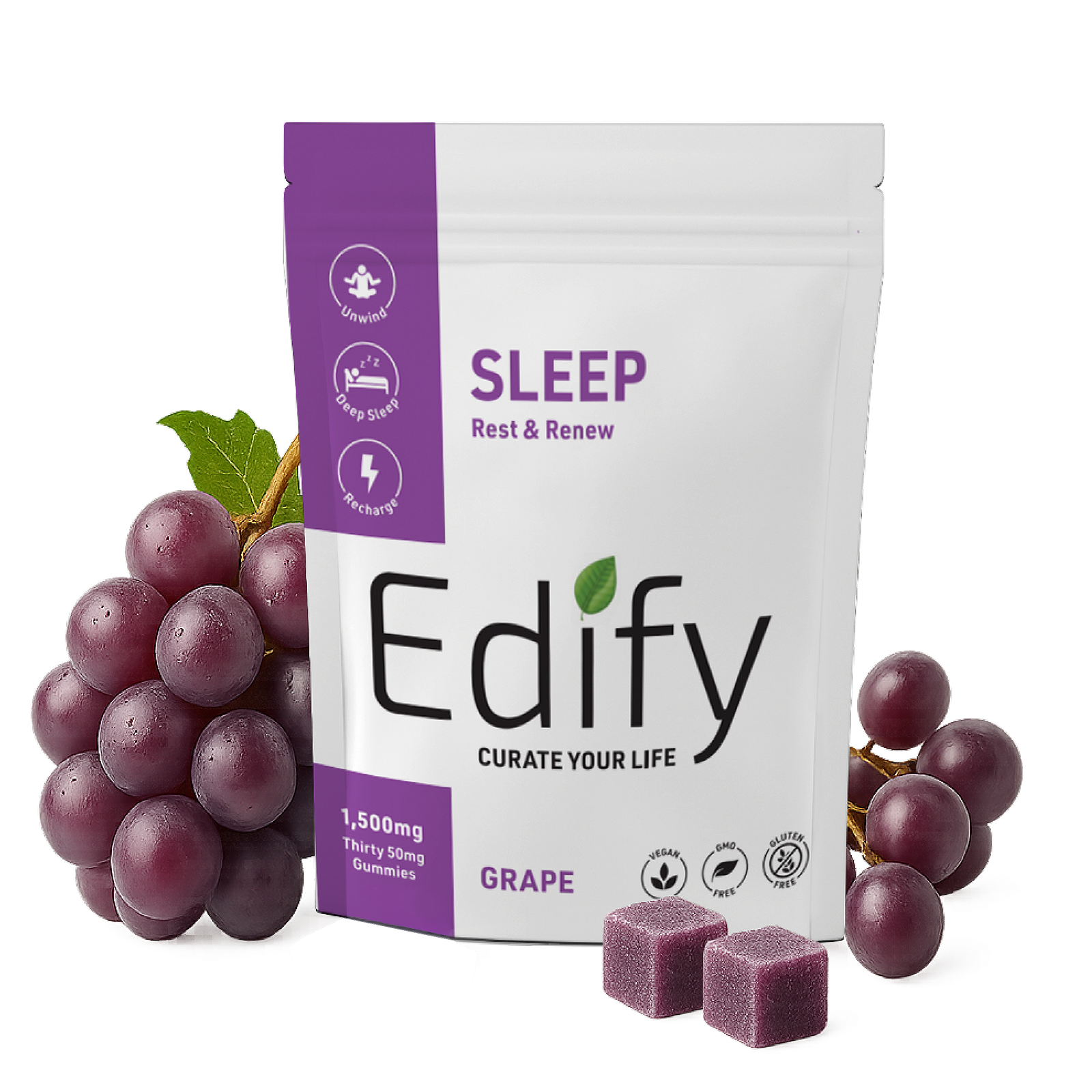
- Sleep CBD Gummies
- Gummies for Pain Relief
- CBD Oil & Tinctures
- THC Gummies
- Mushroom Gummies
- CBN Gummies
- Energy Gummies (THCV)
Written by the Edify Wellness Team
Disclaimer: This article is for informational purposes only and should not replace professional medical advice. Always consult with your healthcare provider before starting any new supplement, especially if you're taking prescription medications like warfarin or other blood thinners. The FDA does not regulate CBD products in the same way as medications, so quality and consistency can vary. Edify products are third-party lab-tested for purity and potency, but individual results may vary. Never stop taking prescribed medications without your doctor's guidance.












Share:
Veterans, Medicare, and CBD: Navigating Two Systems
How ACOs Can Source Compliant CBD Without a GPO Contract