
If you're helping your parent or aging loved one manage their health, you already know how complicated medication management can become. Adding CBD to their routine might feel like one more piece of a complicated puzzle. You probably have questions: Will CBD interfere with their current prescriptions? Is it safe? How do you even start this conversation with their doctor?
You're not alone in feeling overwhelmed. Many adult children and caregivers face these exact questions when exploring CBD as a potential option for their seniors. The good news is that with some solid information and the right approach, you can help your loved one safely explore CBD while protecting their overall health and medication plan.
This guide will walk you through the key things you need to know about CBD and medication interactions, practical steps for managing multiple medications, and how to communicate with your loved one's healthcare team.
Understanding How CBD Interacts with Common Medications
CBD works differently in the body than many other substances, and that's why interactions can happen. When your parent takes any medication, their liver metabolizes it using special enzymes. CBD also uses some of these same enzymes, particularly one called CYP3A4.
Think of it like a busy checkout line at a grocery store. When CBD and another medication both need processing at the same time, they might compete for the cashier's attention. This can mean the medication stays in the system longer than expected, potentially making it more powerful or causing side effects.
Common medications that seniors take and may interact with CBD include blood thinners like warfarin, heart medications, seizure medications, and some blood pressure drugs. This doesn't mean your loved one can't take CBD, but it does mean careful monitoring is essential.
For more detailed information about specific drug interactions, our CBD drug interactions guide for seniors provides a comprehensive reference list of medications to discuss with their healthcare provider.
Starting the Conversation with Your Loved One's Doctor
The best first step is always talking with your parent's primary care doctor or pharmacist before adding CBD to their routine. This conversation might feel awkward, but doctors are much more receptive to CBD discussions than they were just a few years ago.
Here's how to prepare for this conversation:
- Make a complete list of all current medications, supplements, and vitamins your parent takes
- Write down the specific health concerns your parent hopes CBD might help with
- Research the type of CBD product you're considering (full-spectrum, broad-spectrum, or isolate)
- Bring questions about dosing, timing, and potential side effects
- Ask about possible interactions with their specific medications
Your parent's pharmacist is also an excellent resource. Pharmacists have detailed knowledge about medication interactions and can often provide insights that doctors might not think to mention. They see the complete picture of what your loved one takes every day.
Visit our guide on talking to your doctor about CBD for specific conversation starters and questions to ask.
Creating a Safe Medication Management System
Once you and your parent's healthcare team have decided that CBD is appropriate, the next step is creating a system that keeps everything organized and safe.
Organization matters because it helps you track dosing, timing, and any changes in how your parent feels. A good system includes:
- A medication log that tracks what, when, and how much your parent takes
- Clear labeling on all CBD products with dosage and ingredients
- A calendar or reminder system for taking CBD at consistent times
- A list of any side effects or changes in symptoms to report to the doctor
- Contact information for the pharmacy and doctor readily available
Consider using a pill organizer with time slots, or setting phone reminders for medication times. For seniors who are managing multiple medications, timing matters. Some medications should be taken with food, others on an empty stomach. CBD products vary in this way too. Your system should account for these details.
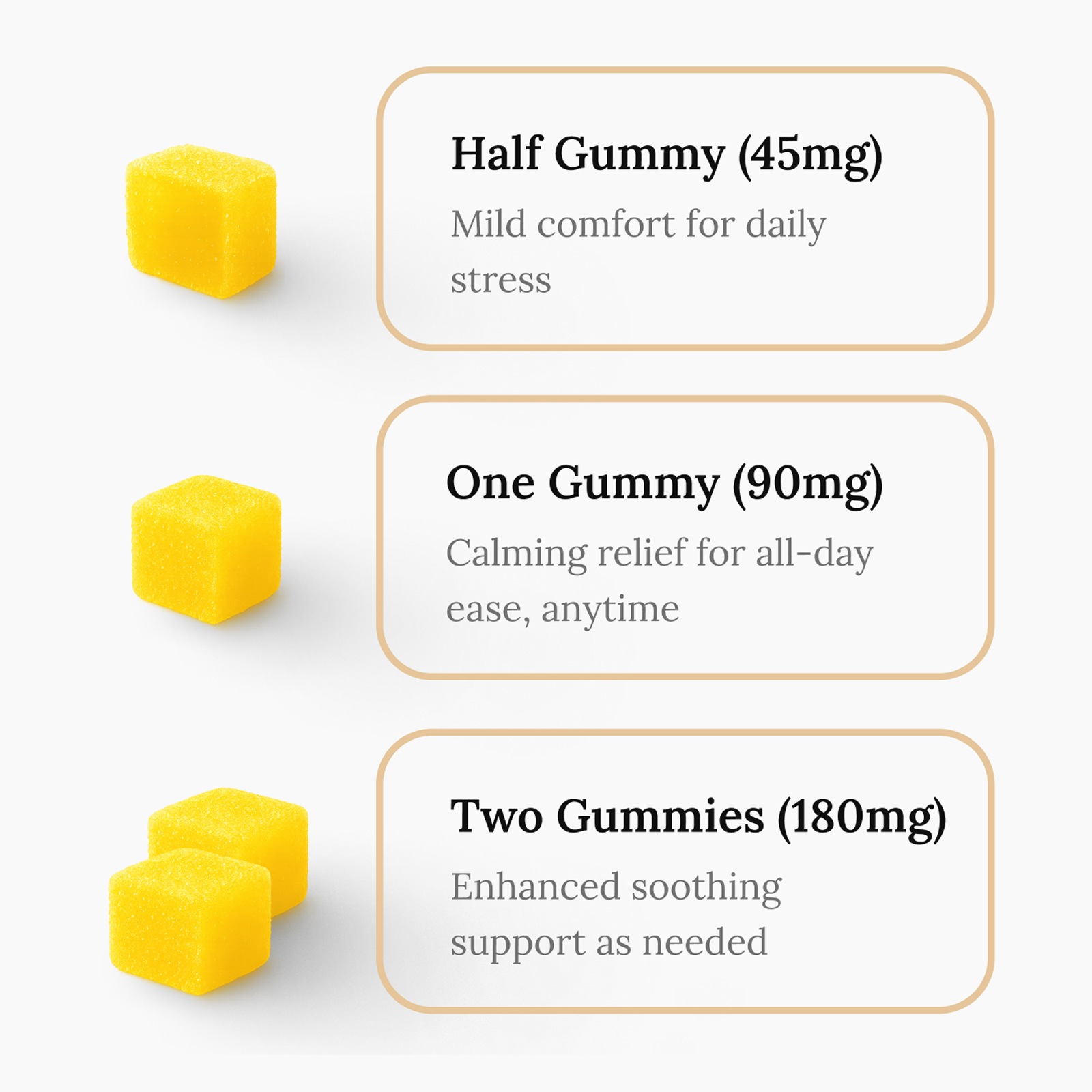
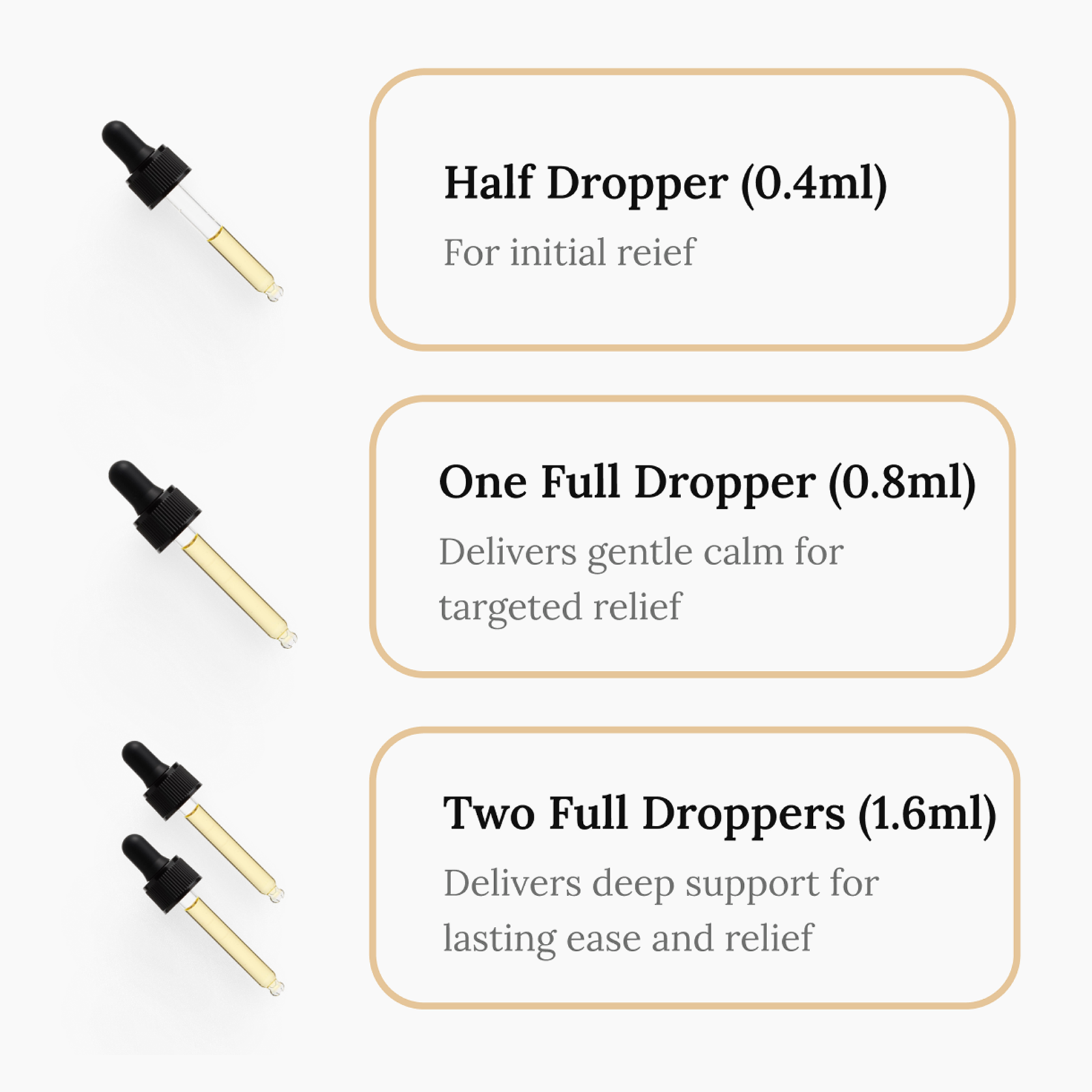
Start with a lower CBD dose and increase gradually while monitoring how your parent feels. This approach helps you catch any potential interactions or side effects early, before they become a bigger concern.
Monitoring for Side Effects and Changes
After your parent starts taking CBD alongside their other medications, it's important to watch for any changes in how they feel or how their existing medications seem to work.
Some subtle signs that something might be off include:
- Increased drowsiness or unusual fatigue
- Changes in appetite
- Dizziness or lightheadedness
- Digestive changes
- Mood changes or anxiety
- Any medication side effects that seem worse than before
Keep notes about what you observe. Write down the date, time, and what happened. This information is incredibly valuable when you talk with your parent's doctor at their next visit. Patterns often become clear when you have written documentation.
If your parent experiences serious side effects like chest pain, severe dizziness, or difficulty breathing, contact emergency services immediately and notify their doctor right away.
Regular check-ins with the doctor are important. Plan to revisit the CBD decision after a few weeks to discuss how things are going and whether any adjustments need to be made.
Choosing Quality CBD Products and Understanding Medicare Coverage
Not all CBD products are created equal. When you're selecting a product for your parent, quality matters for both safety and effectiveness.
Look for products that have been third-party tested and come from reputable manufacturers. The label should clearly show the amount of CBD, any other ingredients, and have clear dosing instructions. Avoid products making unrealistic health claims, as the FDA has not approved CBD for treating specific medical conditions.
For seniors on Medicare or other insurance plans, understanding coverage options can help with costs. Learn more about CBD and Medicare coverage to see what options might be available for your parent.
If your parent's doctor recommends CBD, ask about specific product recommendations. They may suggest particular brands or types that work best with your parent's health situation. Our caregiver guide to CBD includes recommendations for senior-friendly products designed with their specific needs in mind.
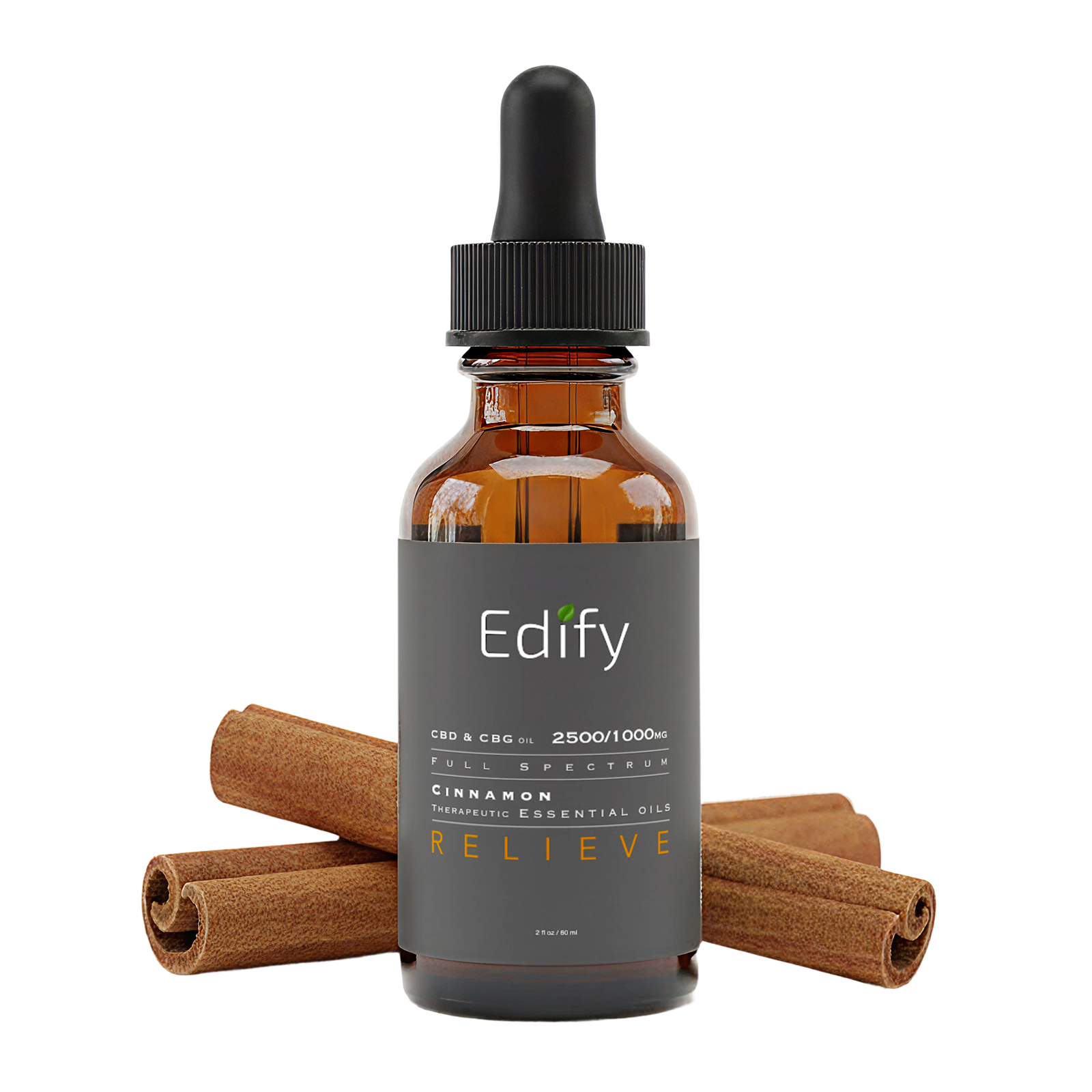
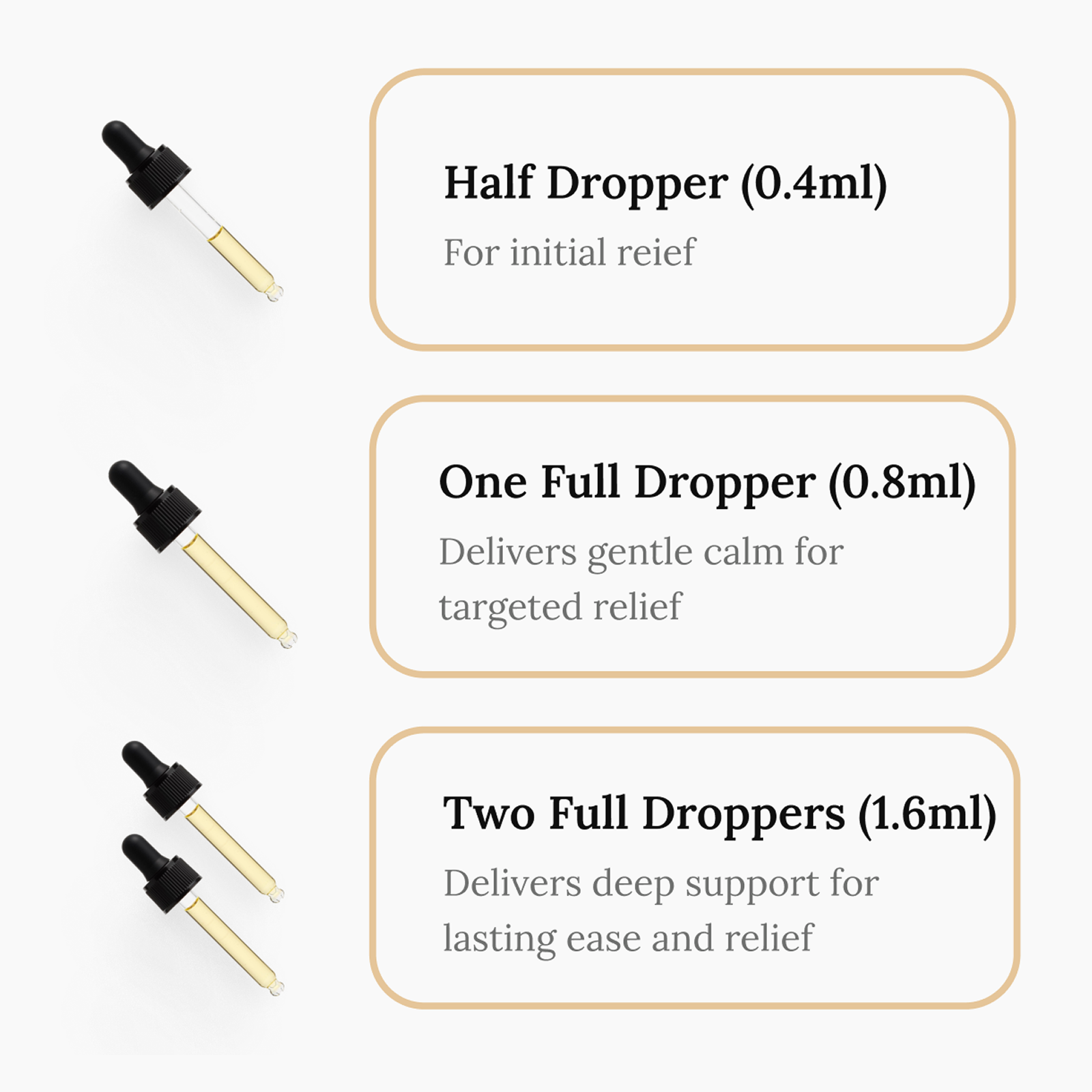
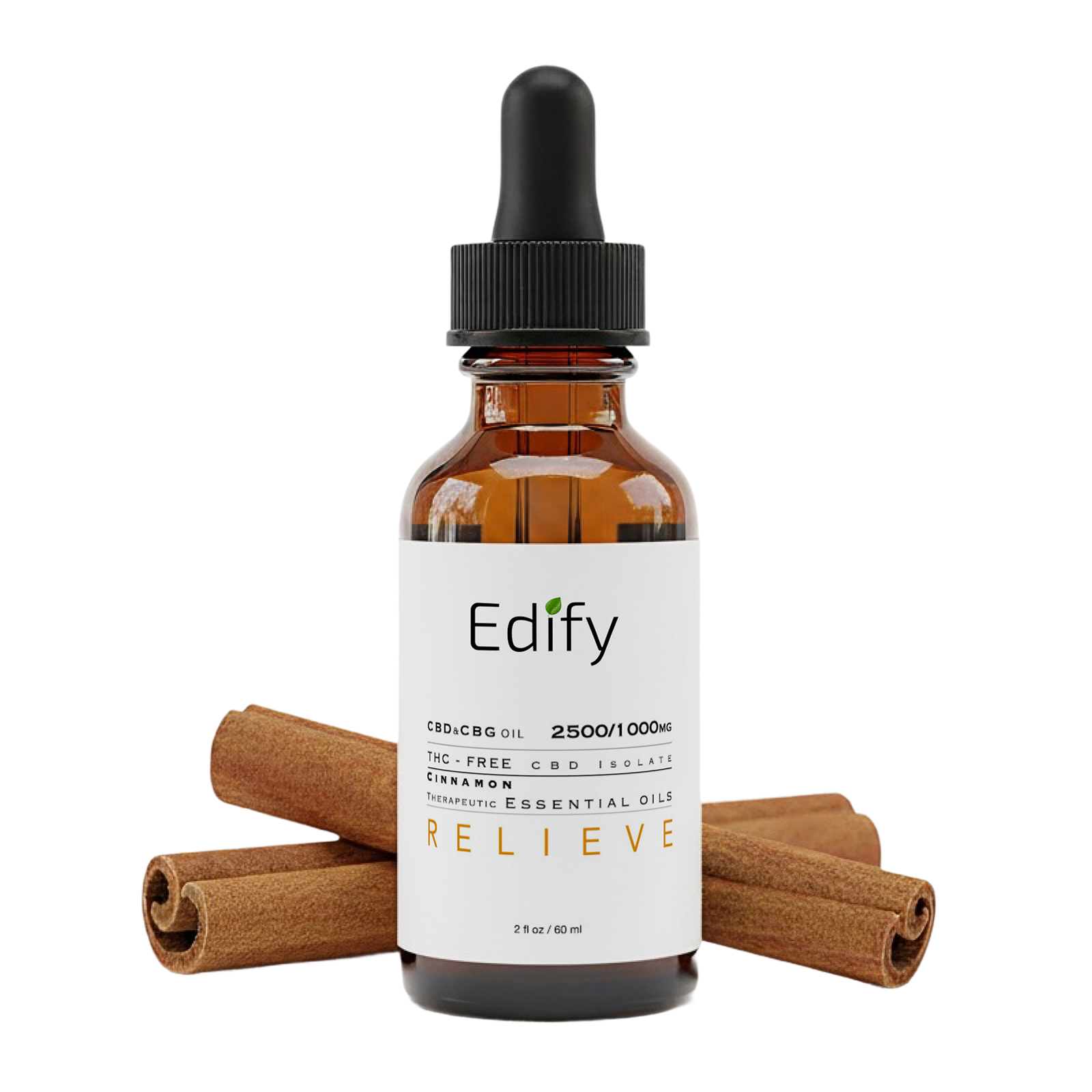
Many seniors find that CBD tinctures (liquid drops) or capsules work best because they're easy to dose and track. These formats also integrate well into a medication routine, making them simpler to remember as part of daily medication management.
Managing your parent's health with CBD and other medications requires attention to detail, good communication with their healthcare team, and careful monitoring. The time you invest in understanding interactions and creating good systems now will pay off in smoother, safer healthcare management for your loved one.
Shop Edify CBD & Wellness Products
- CBD Gummies
- Sleep CBD Gummies
- Gummies for Pain Relief
- CBD Oil & Tinctures
- THC Gummies
- Mushroom Gummies
- CBN Gummies
- Energy Gummies (THCV)
Medicare CBD Resources
- Does Medicare Cover CBD?
- Who Qualifies for Medicare CBD
- Medicare CBD Approved Products
- How the Medicare CBD Program Works
- Free CBD for Medicare Seniors
Written by the Edify Wellness Team
















Share:
CBD for Post-Surgery Recovery: Can It Help Seniors Heal?
The Thoughtful Child's Guide to Giving CBD to an Aging Parent