
Surgery recovery is challenging at any age, but for seniors, the healing process can feel especially slow and uncomfortable. Pain, inflammation, and sleep problems are common concerns after procedures. Many older adults are now exploring CBD as a potential way to support their recovery journey. While research is still emerging, a growing number of studies suggest that CBD may offer some benefits for post-surgery healing. Let's look at what the science tells us and what seniors should know before considering CBD as part of their recovery plan.
If you're interested in learning more about CBD coverage and eligibility, you can visit our Medicare and CBD resource page to understand your options better.
What the Research Says
The scientific community has been studying CBD's potential benefits for several years now. Researchers publishing in the Journal of Pain Research have examined how CBD may help with discomfort management. Similarly, studies in Phytotherapy Research have looked at CBD's anti-inflammatory properties. Additionally, the European Journal of Pain has explored CBD's role in supporting comfort during recovery.
While these journals have published promising findings, it's important to note that most research is still in early stages. Some research suggests that CBD may support the body's natural response to pain and inflammation. However, more large-scale studies are needed to fully understand how effective CBD might be for post-surgery recovery specifically.
The key takeaway from current research is that CBD shows potential, but seniors should approach it as one tool among many in a comprehensive recovery plan. Always discuss any new supplement with your healthcare provider before starting.
How CBD May Work for This Condition
To understand how CBD might help after surgery, it helps to know a bit about what happens in your body during recovery. After a procedure, your body experiences inflammation as part of the healing process. While some inflammation is necessary and helpful, excessive inflammation can slow recovery and increase discomfort.
CBD interacts with your body's endocannabinoid system, which plays a role in regulating pain, inflammation, and sleep. Some research suggests that CBD may help support your body's natural ability to manage these responses. This means CBD may potentially help reduce post-surgery inflammation, support more comfortable rest, and promote overall wellness during recovery.
For seniors specifically, this is important because aging bodies sometimes struggle with managing inflammation naturally. Additionally, many seniors experience sleep disruption after surgery, which can slow healing. Some research suggests that CBD may help support better sleep quality, allowing your body to heal more effectively during rest periods.
The way CBD works is gentle and different from many traditional pain medications. It doesn't simply mask discomfort but rather may help your body's natural systems work more effectively. This is why some seniors find it attractive as a complementary approach to their recovery plan.
Dosing Considerations for Seniors
If you're thinking about trying CBD during post-surgery recovery, getting the dosage right is crucial. Seniors often need different dosing than younger adults for several reasons. Older bodies process medications and supplements differently, and many seniors take other medications that could interact with CBD.
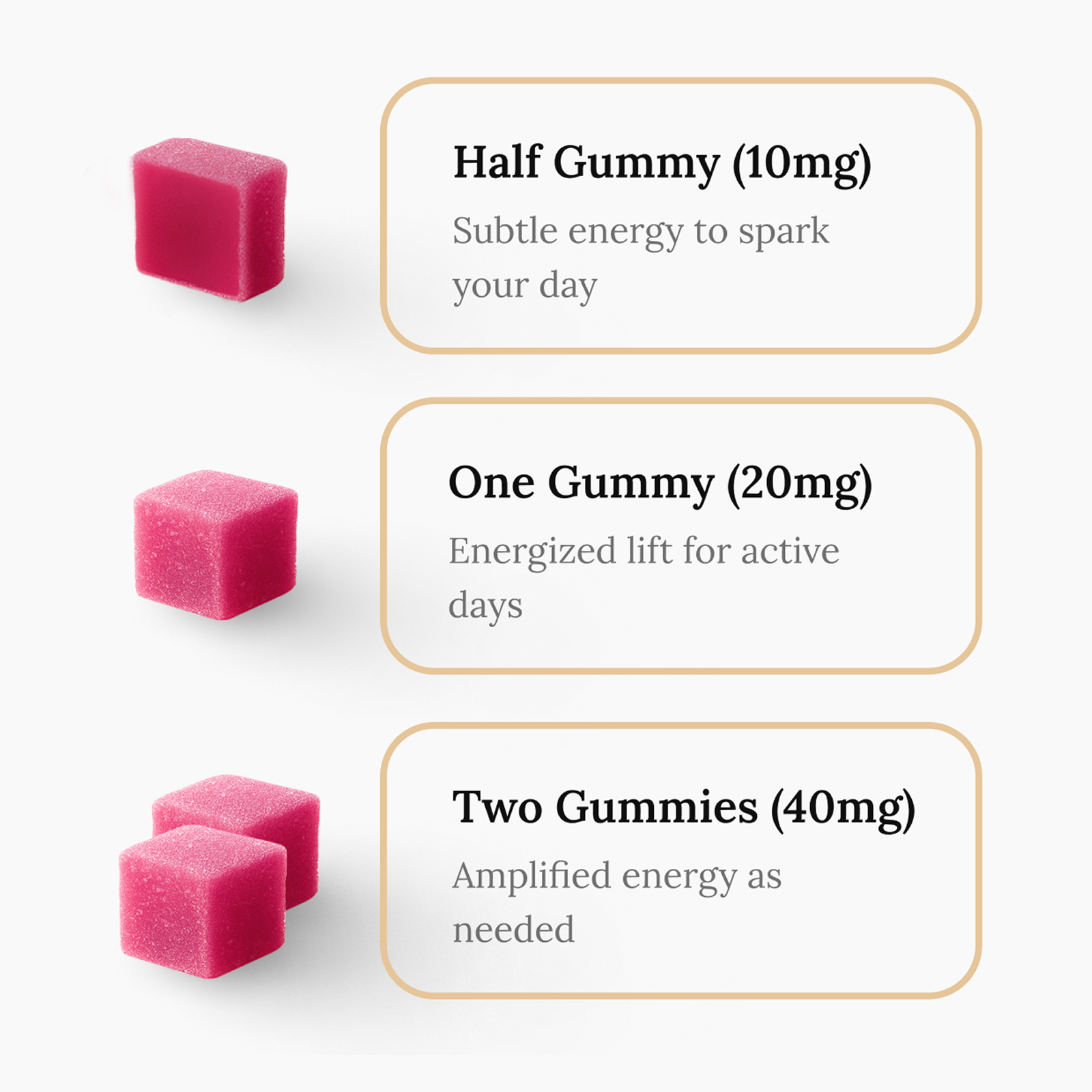
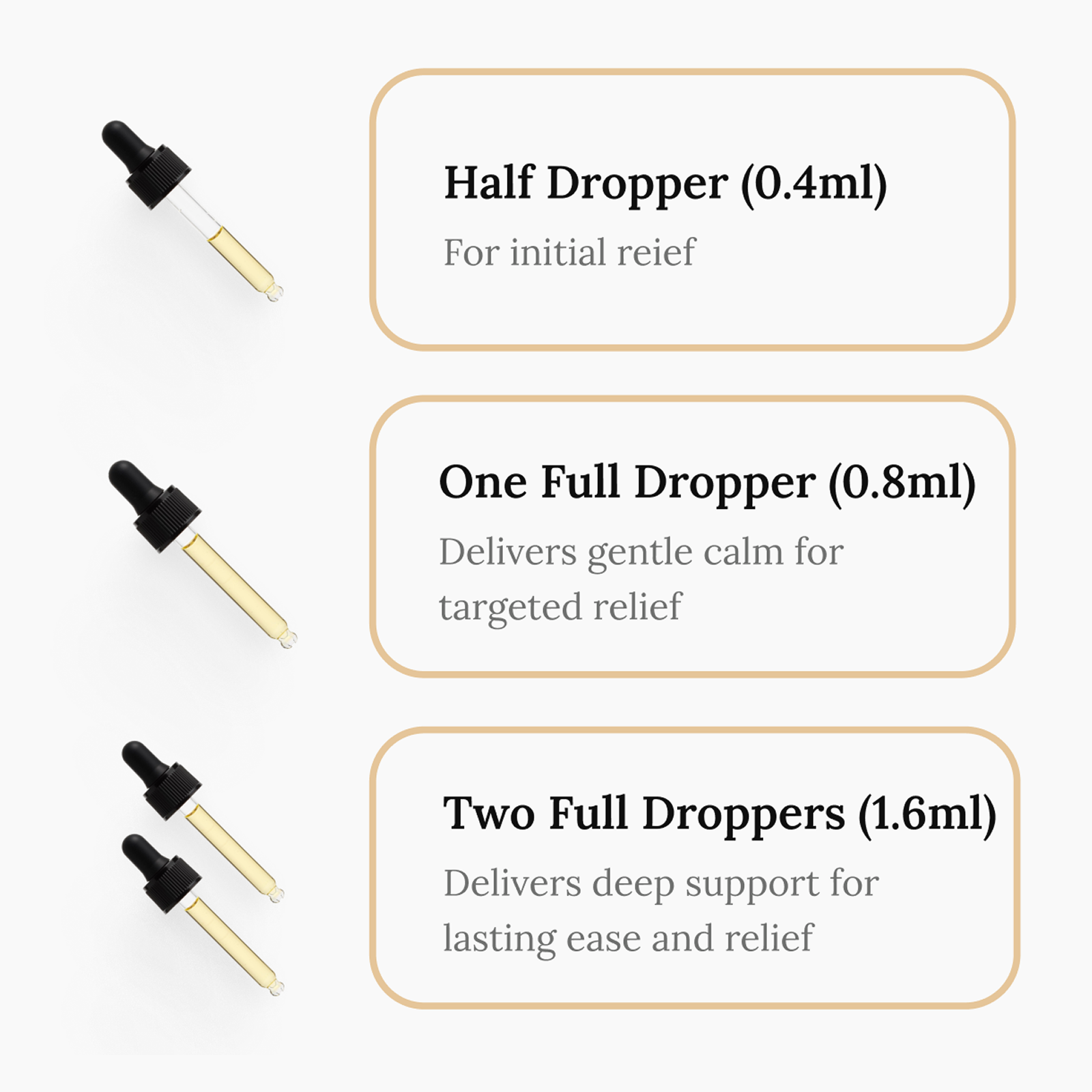
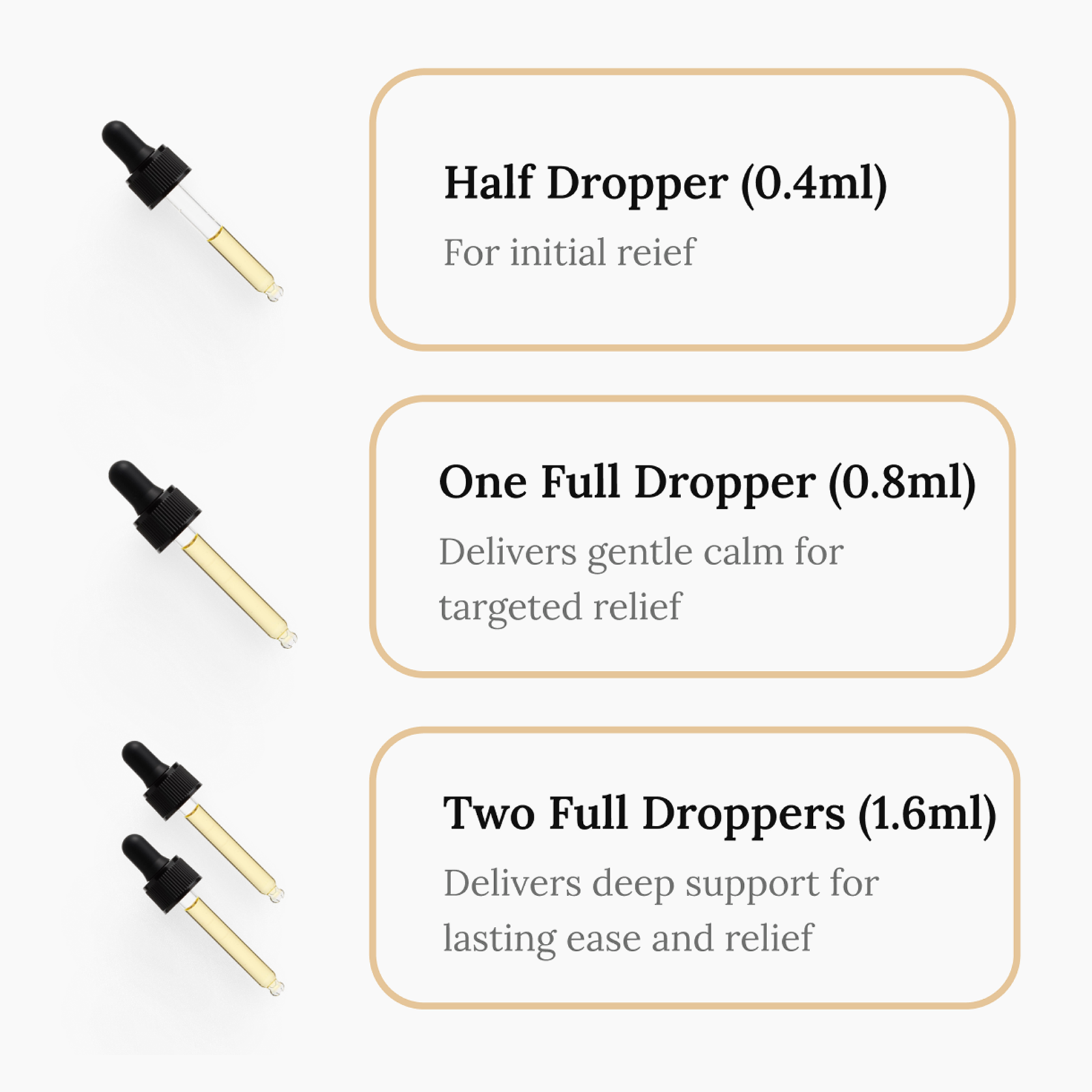
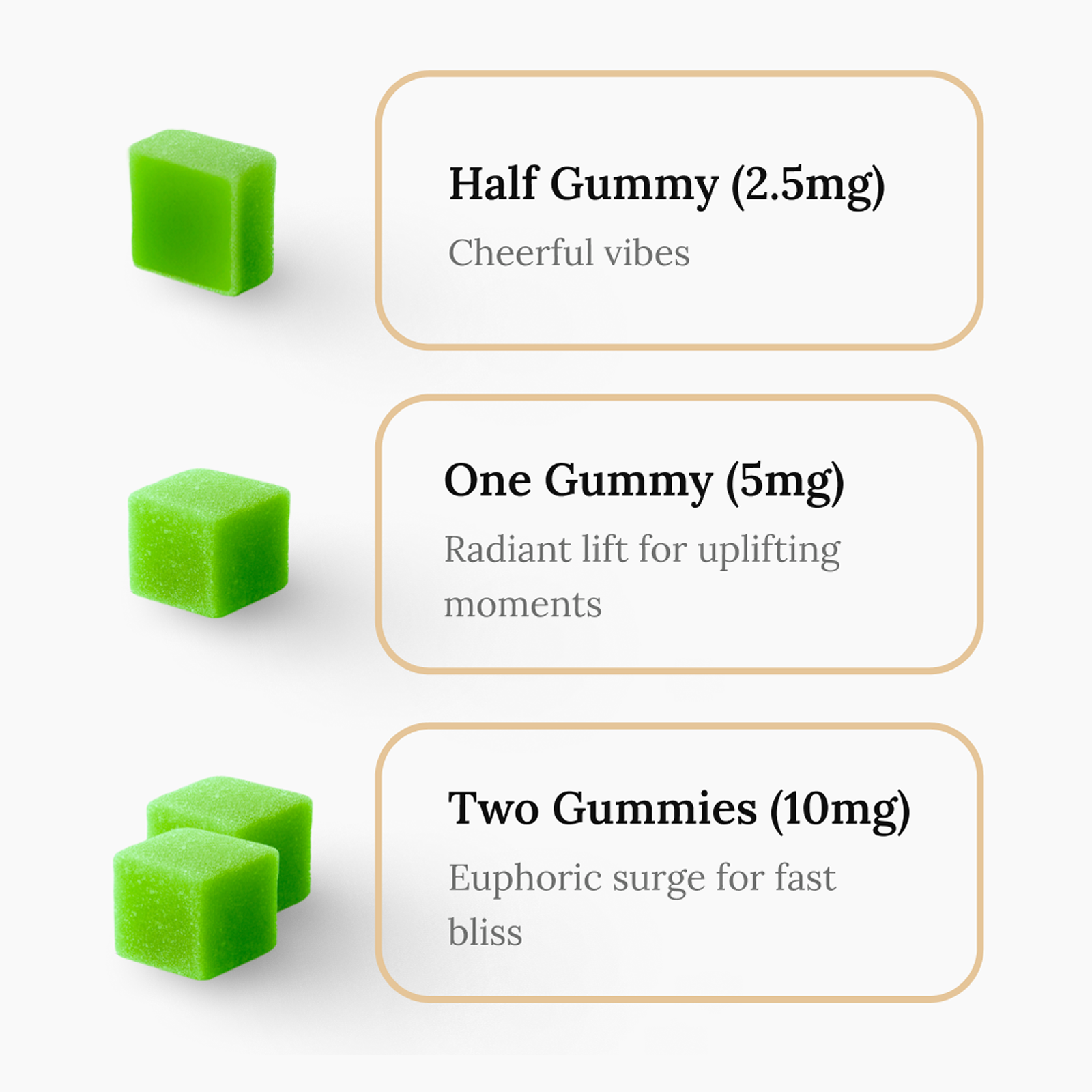
The general approach for seniors is to start low and go slow. This means beginning with a smaller dose and gradually increasing it if needed while monitoring how your body responds. Most seniors find that starting with 5 to 10 mg of CBD per day is reasonable, though this varies based on individual factors like body weight, metabolism, and specific health concerns.
For detailed guidance on finding the right dose for your situation, check out our comprehensive dosage guide for seniors. This resource provides personalized recommendations based on your age, health status, and recovery goals.
It's also important to discuss potential interactions with other medications. If you take blood thinners, heart medications, or other prescriptions, CBD might affect how they work. Visit our CBD drug interactions resource to learn more about safety considerations specific to your medications.
Your pharmacist or doctor can help you determine the safest dose for your unique situation. Never adjust dosages without professional guidance, especially during the critical post-surgery healing window.
Does Medicare Cover CBD for This Condition?
Many seniors wonder whether their Medicare coverage includes CBD, especially when they're looking for ways to manage recovery costs. The answer is complicated and worth understanding.
Currently, Medicare does not cover CBD in most cases. This is partly because CBD remains federally classified as a controlled substance in certain contexts, and partly because the FDA has not approved CBD as a medication for most conditions. However, there are some exceptions and ways seniors might explore coverage options.
To learn more about current Medicare coverage policies for CBD and what might change in the future, visit our detailed Medicare and CBD information page. You can also check your eligibility for any potential CBD coverage programs that might exist through your specific Medicare plan.
While Medicare coverage is limited, some Medicare Advantage plans (Part C) offer additional benefits that might include complementary therapies. Contact your plan directly to ask if CBD is covered as part of your benefits. Additionally, some seniors use Health Savings Accounts (HSAs) or Flexible Spending Accounts (FSAs) to pay for CBD products, which may offer tax advantages.
Even without coverage, CBD is generally affordable compared to many traditional post-surgery medications. Prices vary based on product type and quality, but many seniors find it to be a reasonable investment in their recovery support.
Next Steps
If you're interested in exploring CBD as part of your post-surgery recovery plan, the first and most important step is talking with your doctor. Your surgeon, primary care physician, or a geriatric specialist can review your medical history, current medications, and recovery goals to determine if CBD might be appropriate for you.
To prepare for this conversation, you might find it helpful to read our guide on how to talk to your doctor about CBD. This resource includes tips on what questions to ask and how to present the topic in a way that encourages thoughtful discussion.
If you have a caregiver helping with your recovery, involving them in the CBD discussion is a smart idea. Our caregiver's guide to CBD provides information that helps caregivers understand the benefits, risks, and best practices for supporting a loved one using CBD during recovery.
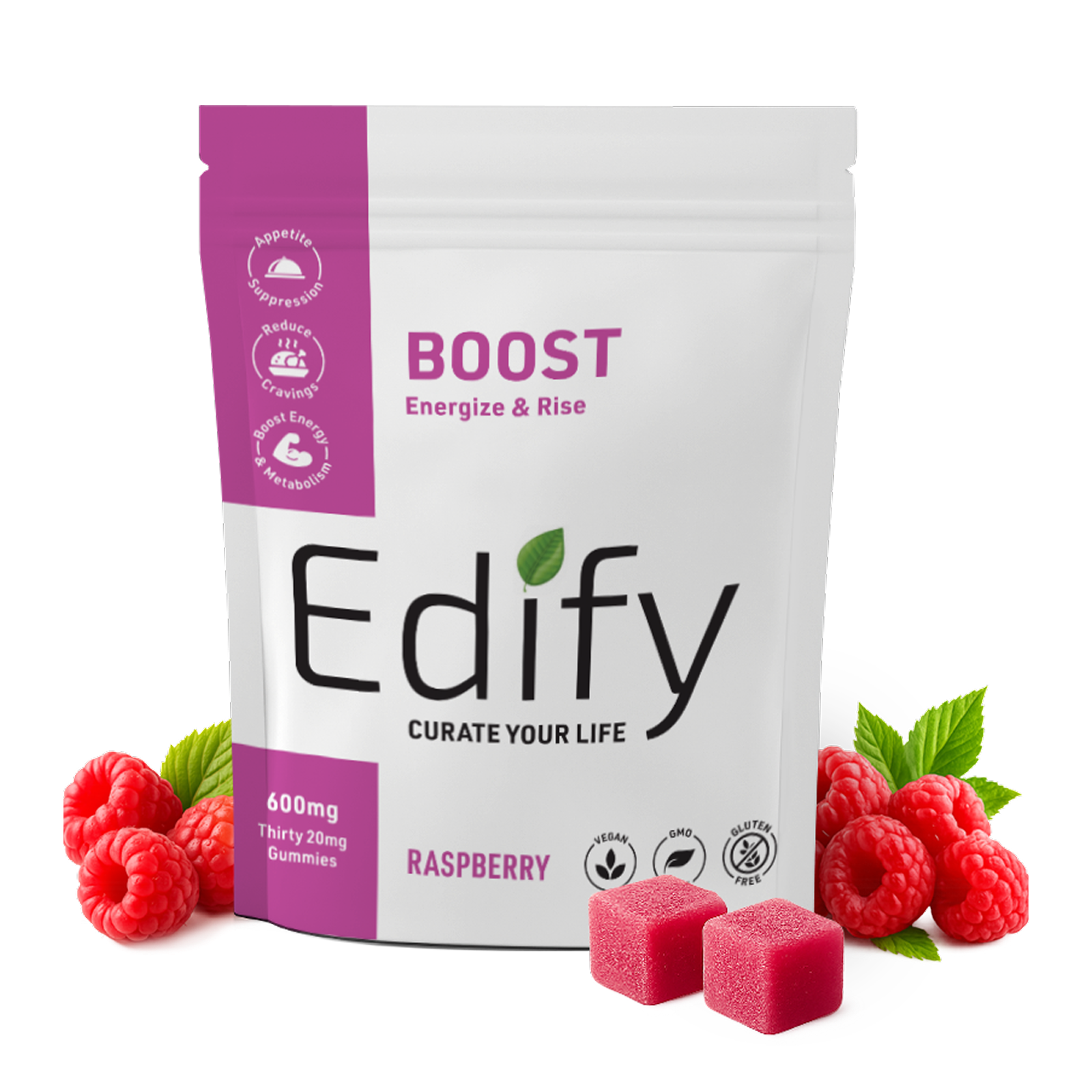
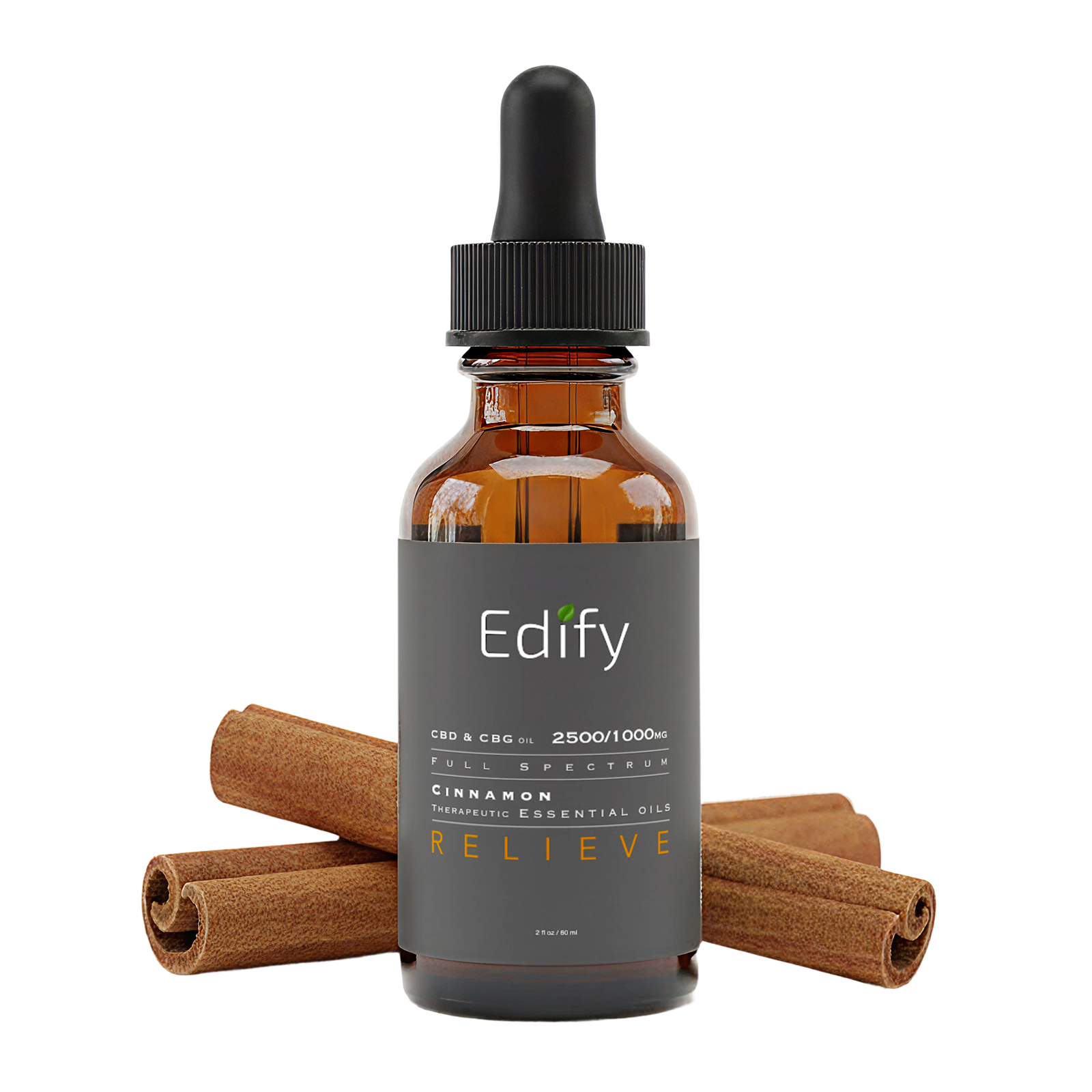
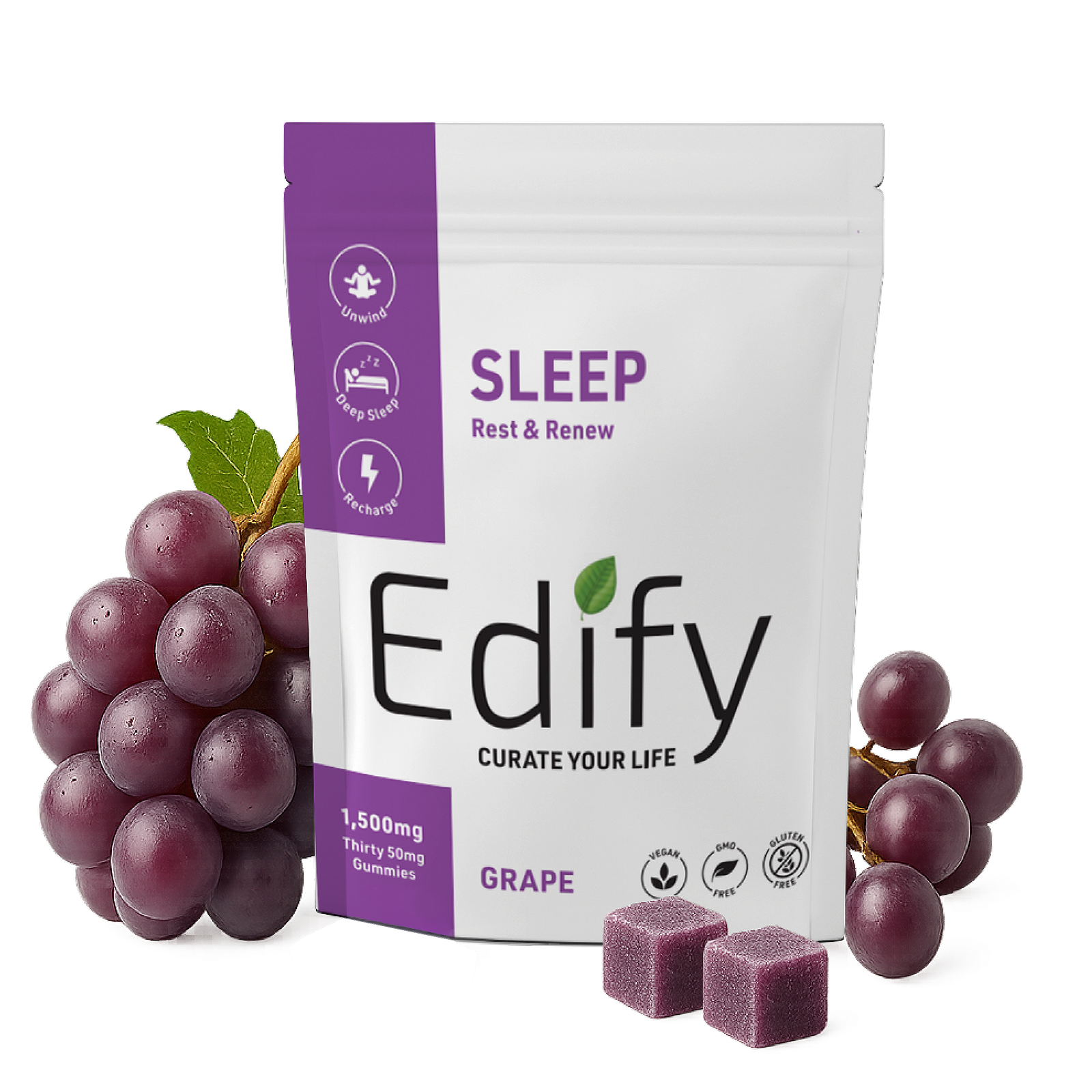
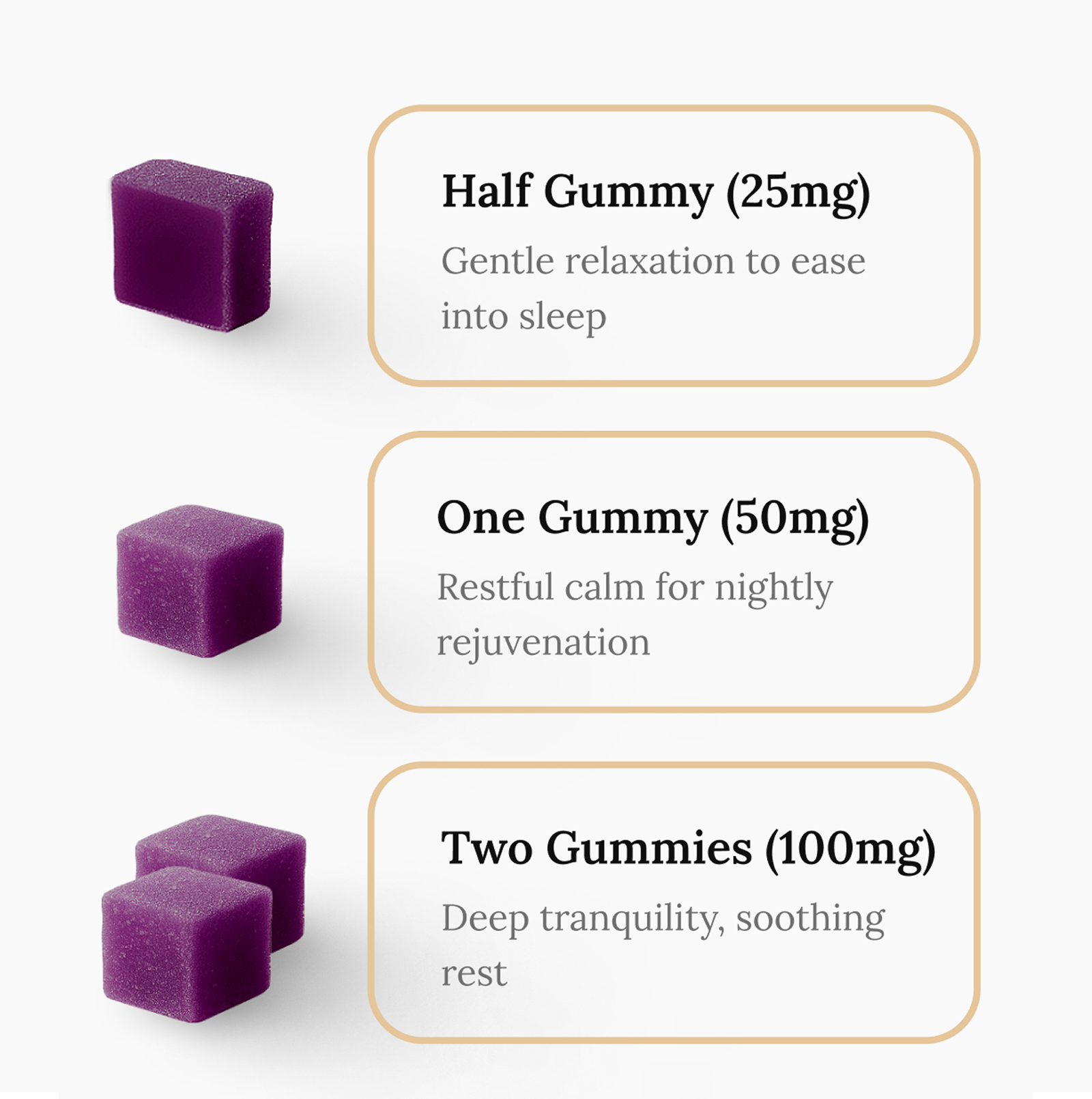
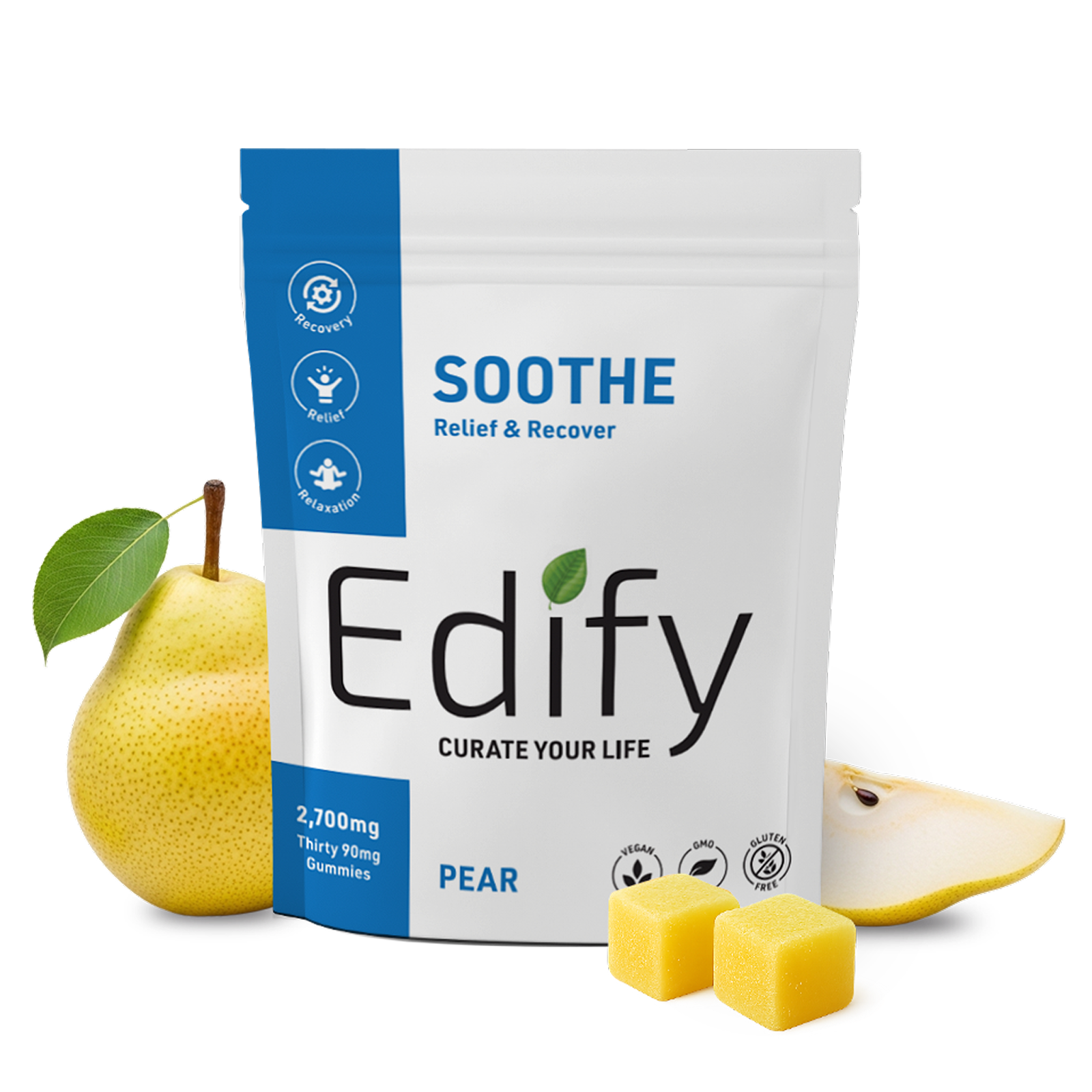
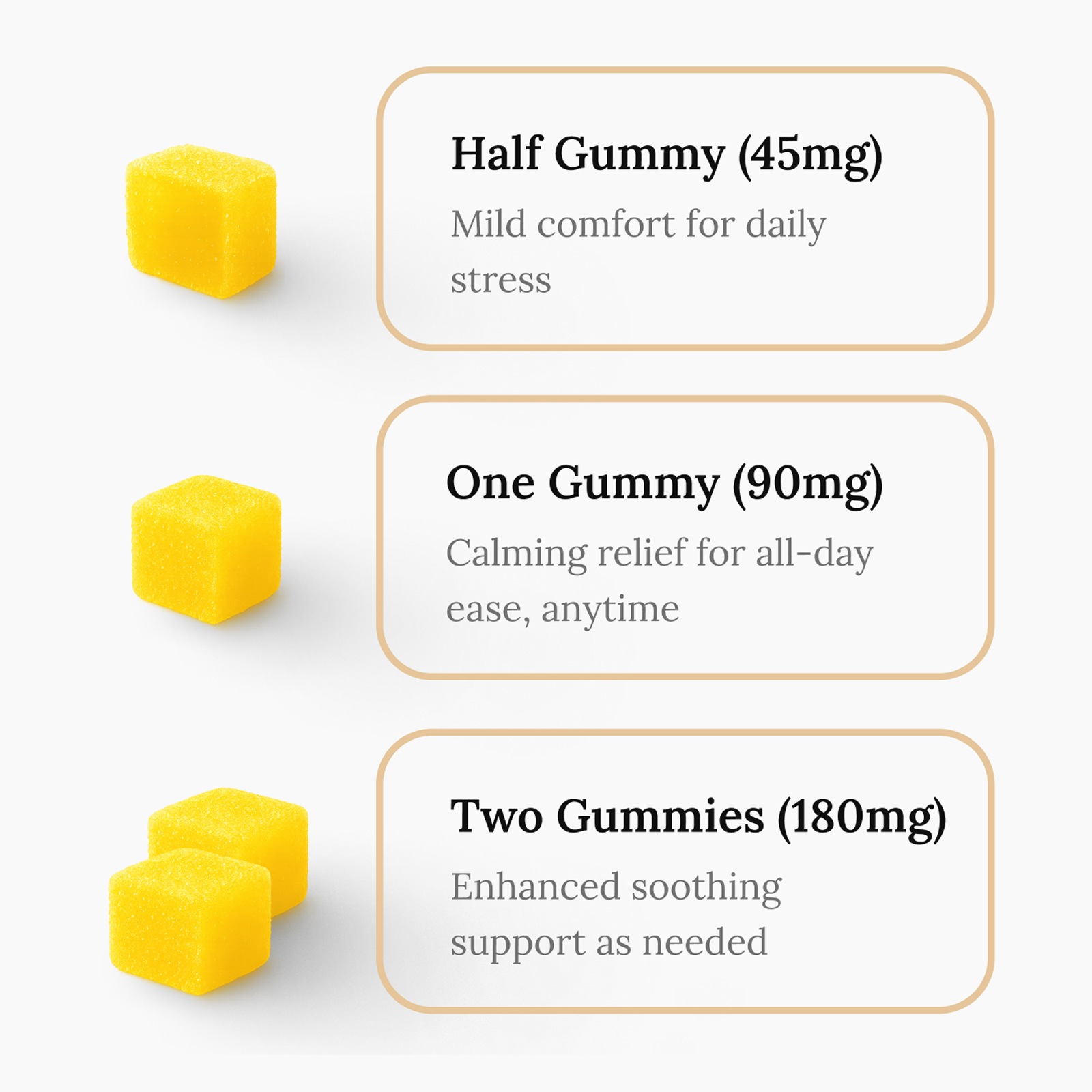
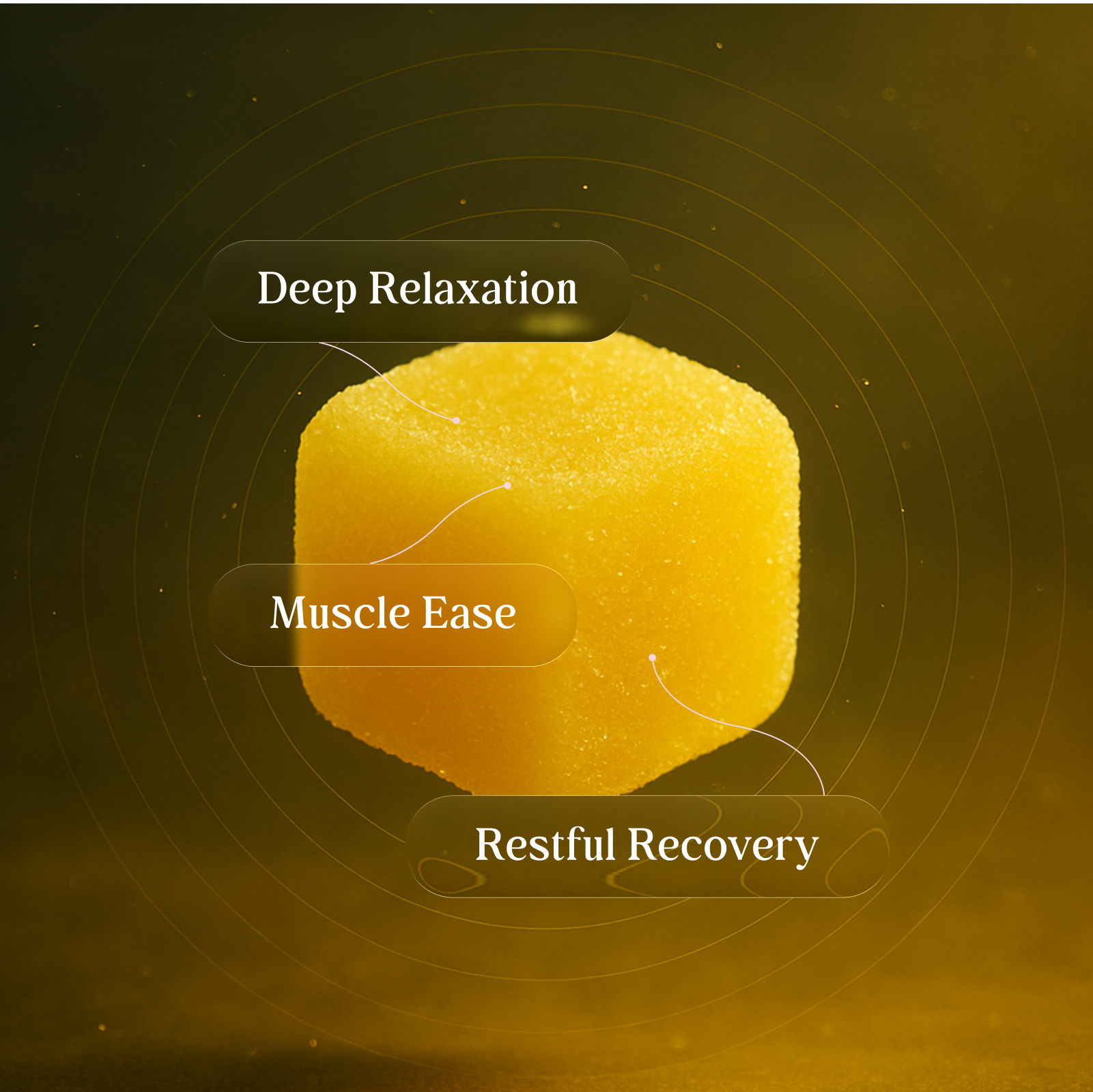
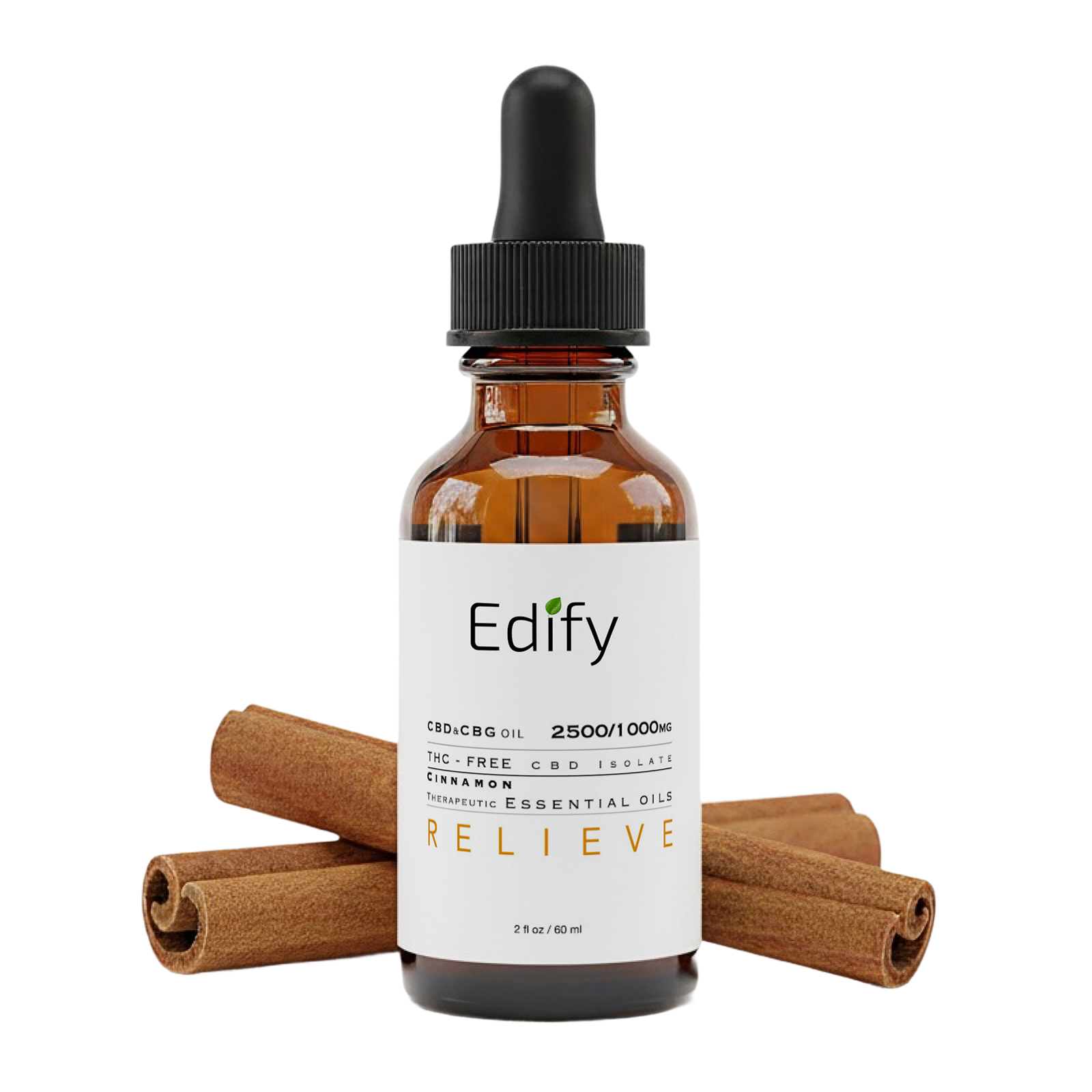
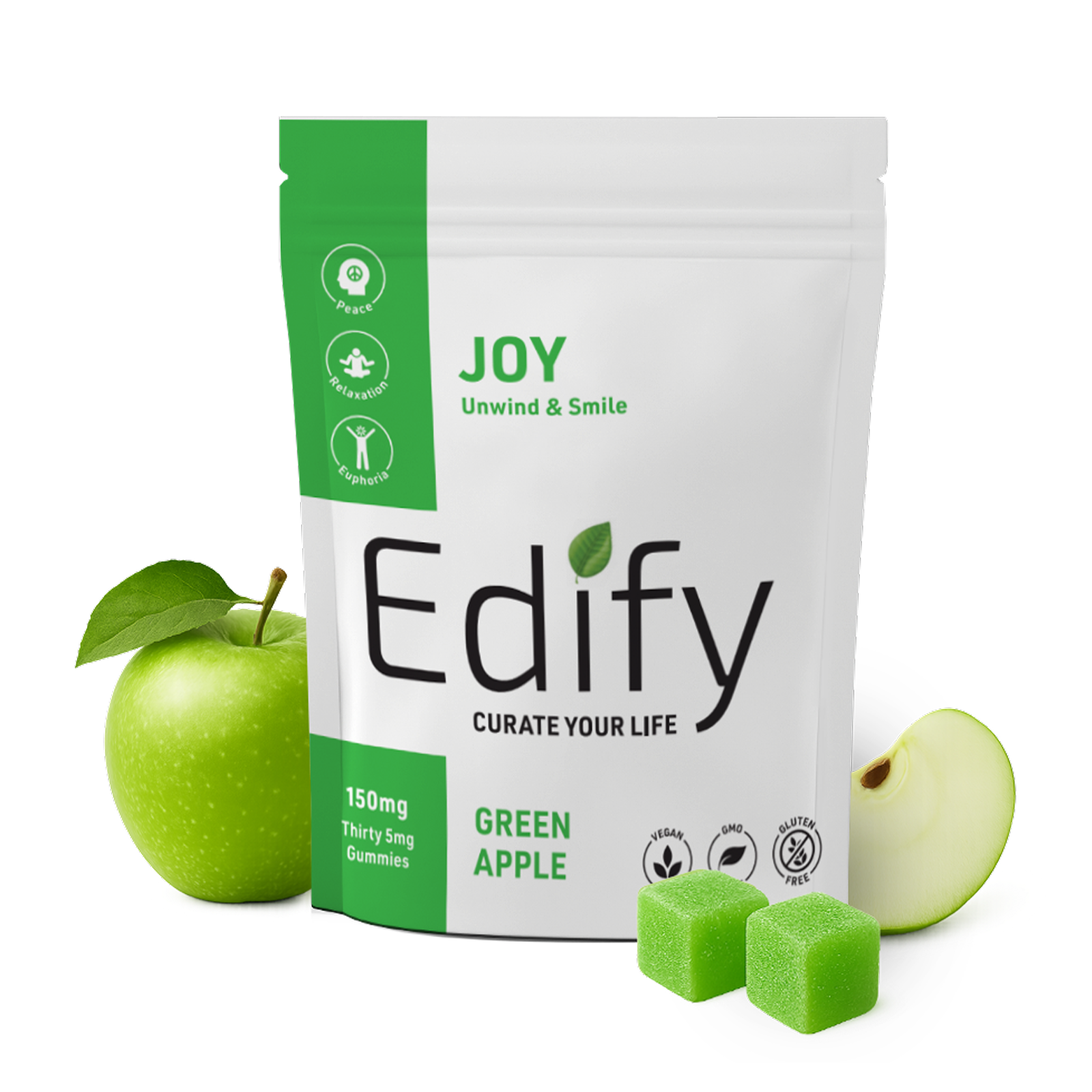
When you're ready to try CBD, quality matters tremendously. Look for products that are third-party tested, clearly labeled with CBD content, and made by reputable companies. For post-surgery pain support, consider our CBD gummies designed for pain management. If sleep is your primary concern during recovery, our CBD gummies for sleep support may be helpful. For overall recovery wellness, our THC-free CBD oil with CBG offers a comprehensive option.
Recovery is a journey, and supporting your body with the right tools makes all the difference. CBD may be one part of a complete recovery plan that includes physical therapy, proper nutrition, adequate rest, and follow-up care with your healthcare team. By taking an informed, cautious approach and working closely with your doctors, you can explore whether CBD is right for your specific situation.
Shop Edify CBD & Wellness Products
- CBD Gummies
- Sleep CBD Gummies
- Gummies for Pain Relief
- CBD Oil & Tinctures
- THC Gummies
- Mushroom Gummies
- CBN Gummies
- Energy Gummies (THCV)
Written by the Edify Wellness Team
Disclaimer:












Share:
CBD for Dementia and Alzheimer's: A Guide for Caregivers and Families
Managing CBD Alongside Other Medications: A Guide for Caregivers