
Charlotte Web, one of the nation's largest hemp-derived CBD companies, has announced plans to deliver its products through an online healthcare portal connected to the Centers for Medicare and Medicaid Services (CMS). This development represents a significant shift in how seniors and their caregivers may access CBD products in the future. For Medicare beneficiaries, their families, and healthcare providers managing care, understanding what this announcement means is essential. This move signals potential changes in the CBD landscape, particularly for patients seeking alternatives for pain management, anxiety, and other chronic conditions.
Understanding the CMS Innovation Center's Role
The CMS Innovation Center oversees several pilot programs designed to test new models of healthcare delivery and payment. Through the Beltone Emerging Innovations (BEI) program, CMS has created pathways for companies to explore how their products might integrate into the Medicare system. Charlotte Web's portal announcement appears connected to these broader innovation efforts within the CMS framework.
The Innovation Center's approach focuses on measuring whether new delivery methods improve patient outcomes while managing costs. For seniors, this means that any CBD products delivered through a CMS portal would need to demonstrate clear benefits and safety data. The portal model allows Medicare beneficiaries to access products in a regulated, supervised environment rather than through unvetted retail channels.
This institutional approach differs significantly from current over-the-counter CBD sales. Instead of purchasing products directly from a store shelf, seniors would receive CBD through a healthcare system that tracks their usage, monitors for drug interactions, and maintains records with their primary care team.
How ACO REACH and Other CMS Models Create Opportunity
Charlotte Web's portal development likely aligns with existing CMS payment models, particularly ACO REACH (Accountable Care Organization Realizing Equitable and Accessible Care). This program gives Accountable Care Organizations flexibility to offer non-traditional services that support patient health. ACOs participating in this model gain the ability to experiment with products and services that may reduce hospitalizations and emergency visits.
The Enhancing Oncology Model also plays a role in this landscape. This program focuses on cancer care and allows organizations to explore complementary approaches to traditional treatment. If CBD is shown to help with cancer-related pain or chemotherapy side effects, this model could create reimbursement pathways for qualifying patients.
For beneficiaries enrolled in participating ACOs, access to Charlotte Web through a CMS portal could mean lower out-of-pocket costs. Rather than paying the full retail price for CBD products, some or all of the expense might be covered, depending on the ACO's coverage decisions and the patient's specific health conditions. A typical annual cost for CBD products runs around $500 per year, which represents a meaningful expense for seniors on fixed incomes.
It's important to note that ACOs are not automatically locked into any single supplier relationship. While Cornbread Hemp has secured a group purchasing organization (GPO) contract within the CMS network, this does not obligate ACOs to use that contract. Charlotte Web's separate portal announcement suggests that multiple pathways may be available to different organizations and patients.
The Role of FDA Enforcement Discretion
Current CBD distribution occurs largely under the FDA's enforcement discretion memo, which outlines conditions under which the agency will not pursue enforcement actions against companies selling hemp-derived CBD. This memo creates the regulatory space in which Charlotte Web and other companies currently operate. However, this enforcement discretion is not permanent, and regulatory conditions could change.
For patients and providers, this means understanding that while CBD products are widely available, they are not formally approved by the FDA as medications. Any products delivered through a CMS portal would still exist within this gray regulatory area, though CMS oversight would add an additional layer of quality control and safety monitoring.
The distinction matters for seniors. Products available through a CMS portal would likely meet higher standards for purity, potency accuracy, and safety testing than many retail CBD products. Healthcare providers working with patients through CMS portals would have access to standardized product information and could track patient responses more systematically.
What Charlotte Web's Portal Means for Patients
Charlotte Web has emphasized that its portal will focus on oral CBD products, which are easier to dose consistently and monitor for safety. For seniors with arthritis, neuropathic pain, or anxiety, oral products offer practical advantages over other delivery methods.
If a patient accesses Charlotte Web products through a CMS portal, they would likely experience several benefits. First, their healthcare team would have visibility into their CBD use, allowing doctors to watch for interactions with medications like blood thinners or heart medications. Second, patients would receive consistent dosing information and product quality assurance. Third, costs might be partially or fully covered through their ACO if their conditions qualify.
However, patients should understand that portal access doesn't mean CBD would automatically be covered for all conditions. ACOs and CMS likely would restrict reimbursement to specific diagnoses with supporting evidence, such as chronic pain, chemotherapy-related nausea, or multiple sclerosis symptoms. Caregivers should work closely with their loved one's primary care doctor to determine eligibility.
The Broader CBD Market and Future Developments
Charlotte Web's portal announcement signals broader industry movement toward legitimacy and integration into formal healthcare systems. Currently, the CBD market remains largely unregulated and fragmented. Integrating products into CMS infrastructure would represent a significant step toward standardization and oversight.
Several factors suggest that changes are coming. Federal hemp law revisions are under discussion, which could clarify the regulatory status of CBD products. The current leadership at CMS, including the CMS Administrator, and broader HHS priorities under new leadership suggest a willingness to explore innovation in healthcare delivery. Additionally, a lawsuit filed against the Synthetic Abuse and Monitoring (SAM) program may affect how CBD is classified and regulated going forward.
For seniors and caregivers, these developments mean paying attention to news about CBD policy and staying informed about your coverage options. Visit our Medicare CBD page for ongoing updates about how these changes may affect you or your loved ones.
The healthcare landscape for CBD continues to evolve. While Charlotte Web's portal represents an important step toward bringing CBD into regulated healthcare systems, patients and providers should approach these developments with informed optimism. Not all outcomes are certain, and individual experiences may vary.
For more information about CBD and Medicare coverage, explore our guides on CBD for pain management and CBD for seniors. Always consult with your healthcare provider before starting any new supplement or product, especially if you take other medications.
Shop Edify CBD & Wellness Products
- CBD Gummies
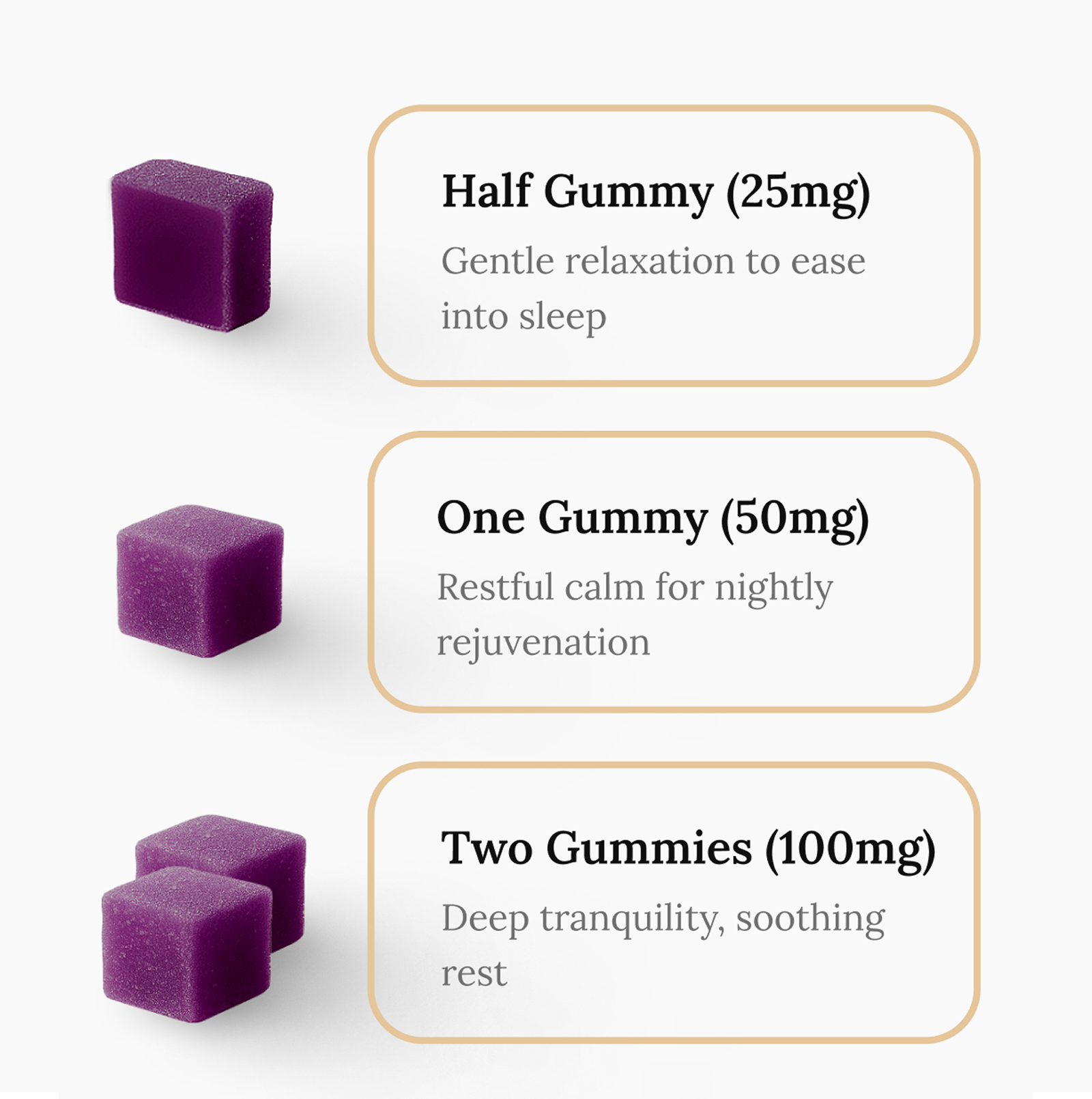
- Sleep CBD Gummies
- Gummies for Pain Relief
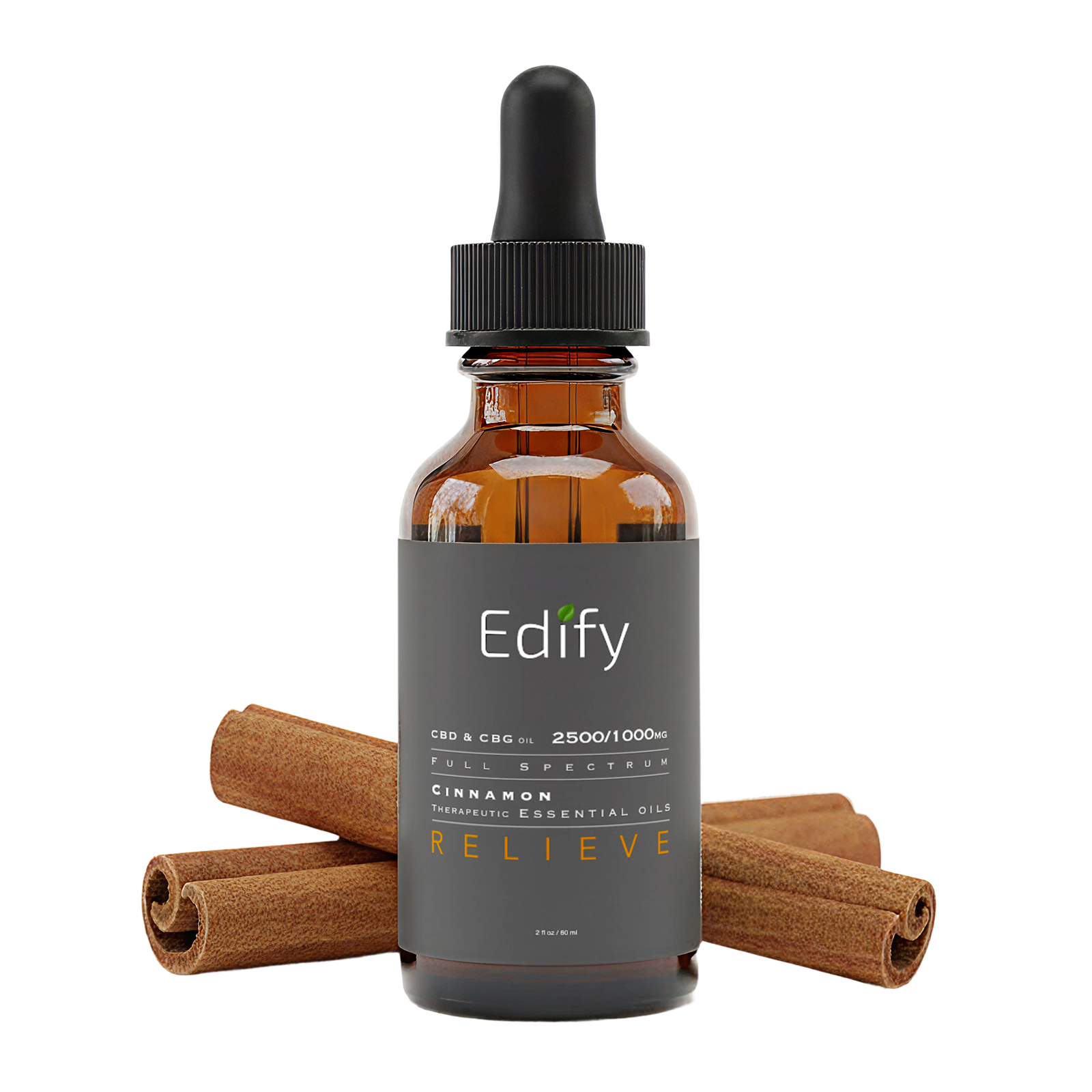
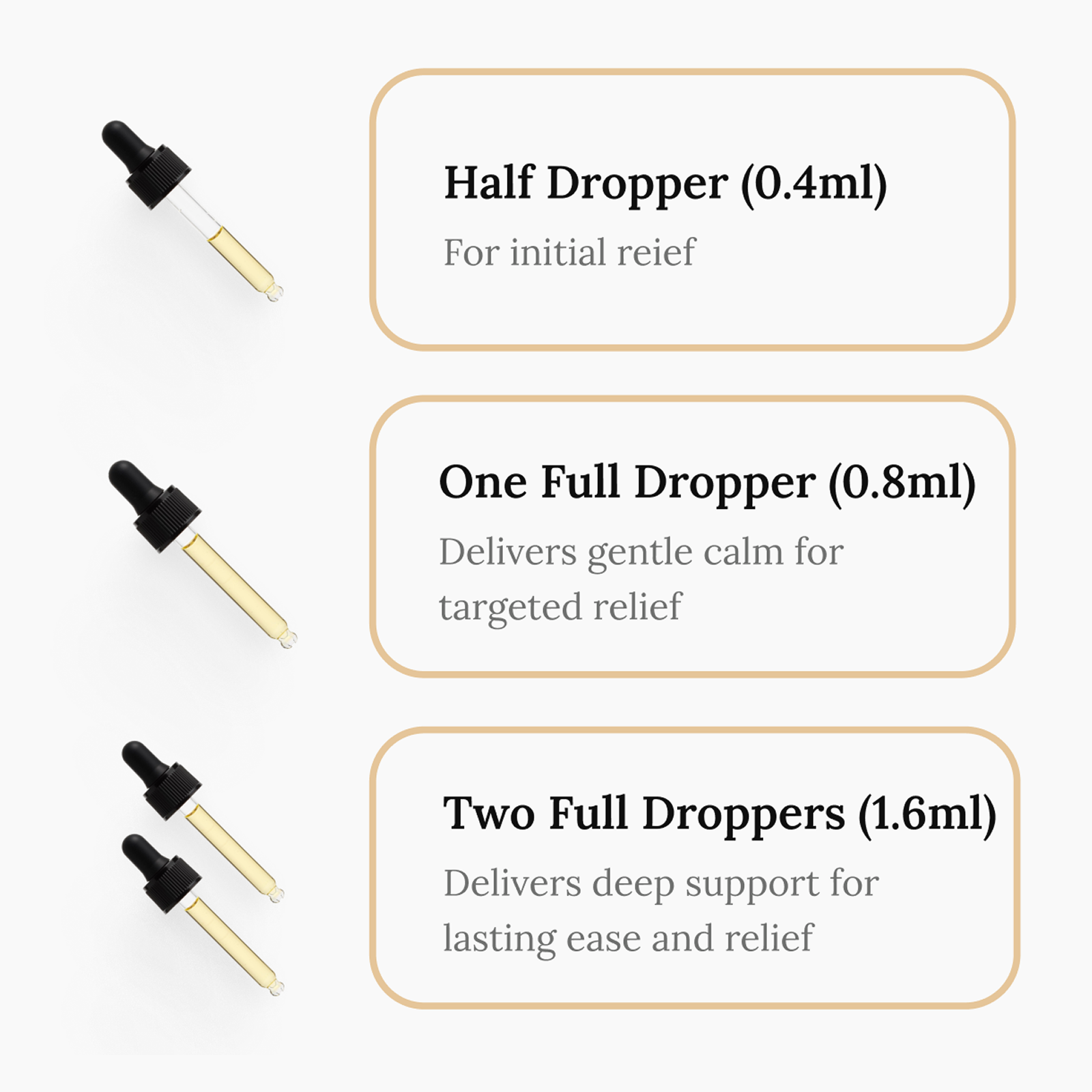
- CBD Oil & Tinctures
- THC Gummies
- Mushroom Gummies
- CBN Gummies
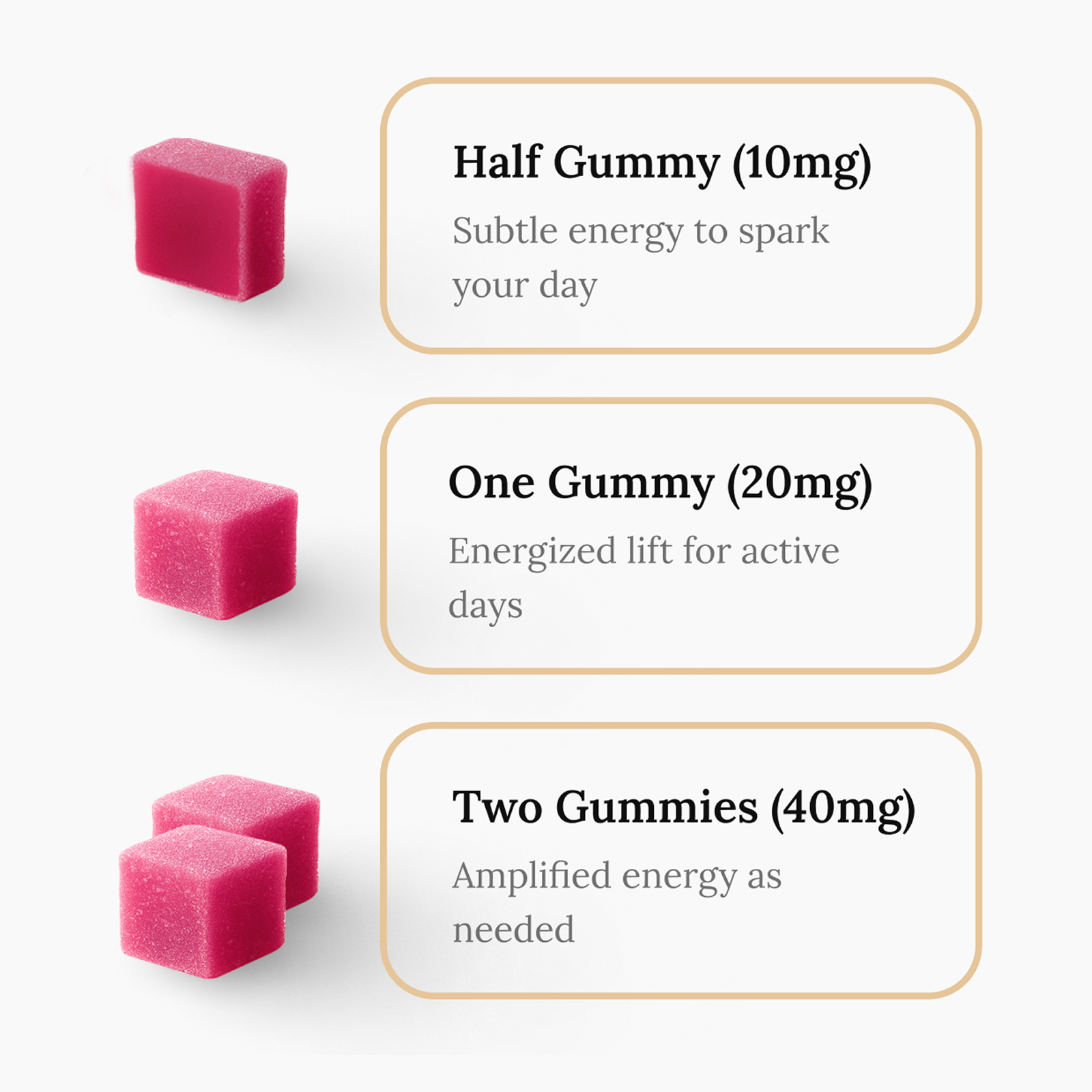
- Energy Gummies (THCV)
Written by the Edify Wellness Team
















Share:
Federal Hemp THC Limit Changes: What CBD Users Need to Know
Why Seed-to-Self Traceability Matters for Healthcare-Grade CBD