
If you take CBD products or help manage someone who does, recent developments in federal hemp policy deserve your attention. Changes to how the government measures THC levels in hemp and CBD products could affect what is available, how it is regulated, and what you can access through your health plan. For seniors, caregivers, and healthcare providers, understanding these shifts is important for making informed choices about CBD use and managing expectations about coverage and availability.
The CBD landscape has changed significantly in recent years. Millions of older adults use CBD products to support their wellness, and many healthcare providers now discuss CBD as part of comprehensive care plans. However, the rules governing these products remain in transition. A federal hemp law revision is expected that could reshape how THC content is measured in hemp-derived CBD products. This matters because THC limits determine whether a product is legally classified as hemp or as something else entirely, which affects everything from how it is sold to whether insurance might help cover it.
Understanding the Current Federal Hemp Framework
Federal hemp law currently sets a limit on THC content that defines the difference between legal hemp and controlled substances. This limit exists to separate hemp-derived products from other cannabis products. Under current rules, hemp is defined by its THC levels, and this definition has governed how CBD products are manufactured, tested, and sold across the country.
The FDA has also issued guidance about how CBD products are tested and what information manufacturers must provide. This enforcement discretion approach has allowed the CBD market to grow while the agency continues studying safety and proper regulation. However, this temporary approach has created some confusion and inconsistency in how products are labeled and what consumers actually receive.
For patients and providers, the current system means that CBD products exist in a gray zone. They are not FDA-approved medications, but they are not illegal either. This affects whether Medicare covers them and how they fit into a health plan. Many seniors have questions about whether CBD is safe, effective, and covered, and the uncertain regulatory status makes these answers difficult.
What Changes Are Expected in Federal Hemp Measurement Standards
Federal regulators are reviewing how THC is measured in hemp products. The proposed changes focus on the testing methods used to determine THC levels. Currently, testing typically measures total THC potential. The revision being discussed would change which forms of THC are counted and how they are measured in final products.
This shift may seem technical, but it has real consequences. If the measurement method changes, products that currently meet legal limits might need reformulation. On the other hand, some products might become compliant under new rules. Manufacturers will need to adjust their processes to match the new standards, which could affect availability and pricing in the short term.
The revision also reflects ongoing scientific understanding of how THC behaves in the body and how it should be tested. As research evolves, so do the standards. Federal agencies are working to make sure standards are based on current science and that they protect consumers while still allowing access to hemp-derived products like CBD.
Practical Implications for CBD Users and Patients
If you are currently taking CBD products, these changes may not affect you immediately. However, they could influence what is available in the future and how it is priced. During any transition period, some products might become temporarily harder to find as companies reformulate to meet new standards. It is important to speak with your healthcare provider before making any changes to your CBD use.
For older adults on Medicare, these regulatory changes connect to broader efforts to study and potentially cover CBD through health plans. The Centers for Medicare and Medicaid Services has launched initiatives to gather more evidence about CBD safety and effectiveness in real-world settings. Understanding how federal hemp rules are changing helps you understand why Medicare coverage decisions take time and why your provider may ask questions about where your CBD comes from and how it is tested.
Caregivers should know that regulatory clarity is generally a positive development. Clear standards mean manufacturers have less room for confusion about what is permitted. This typically leads to more consistent product quality and more accurate labeling. When you are helping an older adult choose a CBD product, clearer regulations make it easier to compare options and understand what you are getting.
Healthcare providers can use these changes as an opportunity to discuss CBD use with patients more systematically. As federal standards become more specific, providers will have clearer guidance about product quality and testing methods. This supports better clinical conversations about whether CBD might be appropriate for a particular patient and what to monitor.
How This Connects to Medicare and Health Plan Coverage
Recent initiatives have expanded how Medicare and health plans approach CBD research and potential coverage. Various models and demonstration programs are studying whether CBD access improves health outcomes for certain populations, particularly older adults managing chronic conditions. These research efforts require clear federal standards so that providers and researchers can work with consistent, well-defined products.
The federal hemp law revision supports these research goals. With standardized measurement methods, researchers can better compare results across studies and health systems. This evidence is exactly what Medicare needs to make decisions about coverage. The more consistent the products and testing standards, the stronger the evidence base can become.
For patients enrolled in Medicare Advantage plans or other health programs, these regulatory improvements might eventually make it more likely that CBD access could be addressed through your coverage. However, each health plan makes its own decisions, and coverage remains limited at this time. To learn more about current Medicare CBD options and how your specific plan addresses CBD, visit the Medicare CBD resource page at edifyone.com/pages/medicare-cbd.
Your healthcare provider and care team can help you understand whether CBD might be appropriate for your specific situation and whether your particular plan offers any coverage or programs related to CBD use. These conversations become more productive when federal standards are clear and consistent.
Steps to Take Now and Questions to Ask
While federal hemp law revisions are being worked out, you can take steps to understand your own CBD use and options. If you currently use CBD, write down which products you use, where you buy them, and what effects you notice. This information helps your healthcare provider understand your situation better and make personalized recommendations.
Talk with your doctor or pharmacist about any CBD products you are considering. They can help you think through safety, interactions with your other medications, and whether CBD makes sense for your particular health goals. As federal standards improve, your healthcare team will have better information to share with you about product quality and testing.
Stay informed about Medicare CBD updates by checking reliable sources like your plan materials and conversations with your care team. Regulatory changes happen gradually, and not every shift will affect your immediate access to products. However, staying aware helps you make decisions from a position of knowledge.
For caregivers, use these developments as a reason to gently restart conversations about health and wellness. If an older adult in your care has mentioned CBD interest or uses CBD products, a discussion about what is changing and why can open a helpful dialogue about health management overall.
To explore more about how Medicare approaches emerging therapies like CBD and what programs may be available, visit edifyone.com/pages/health-plans or edifyone.com/pages/cbd-research to learn about research initiatives.
Shop Edify CBD & Wellness Products
- CBD Gummies
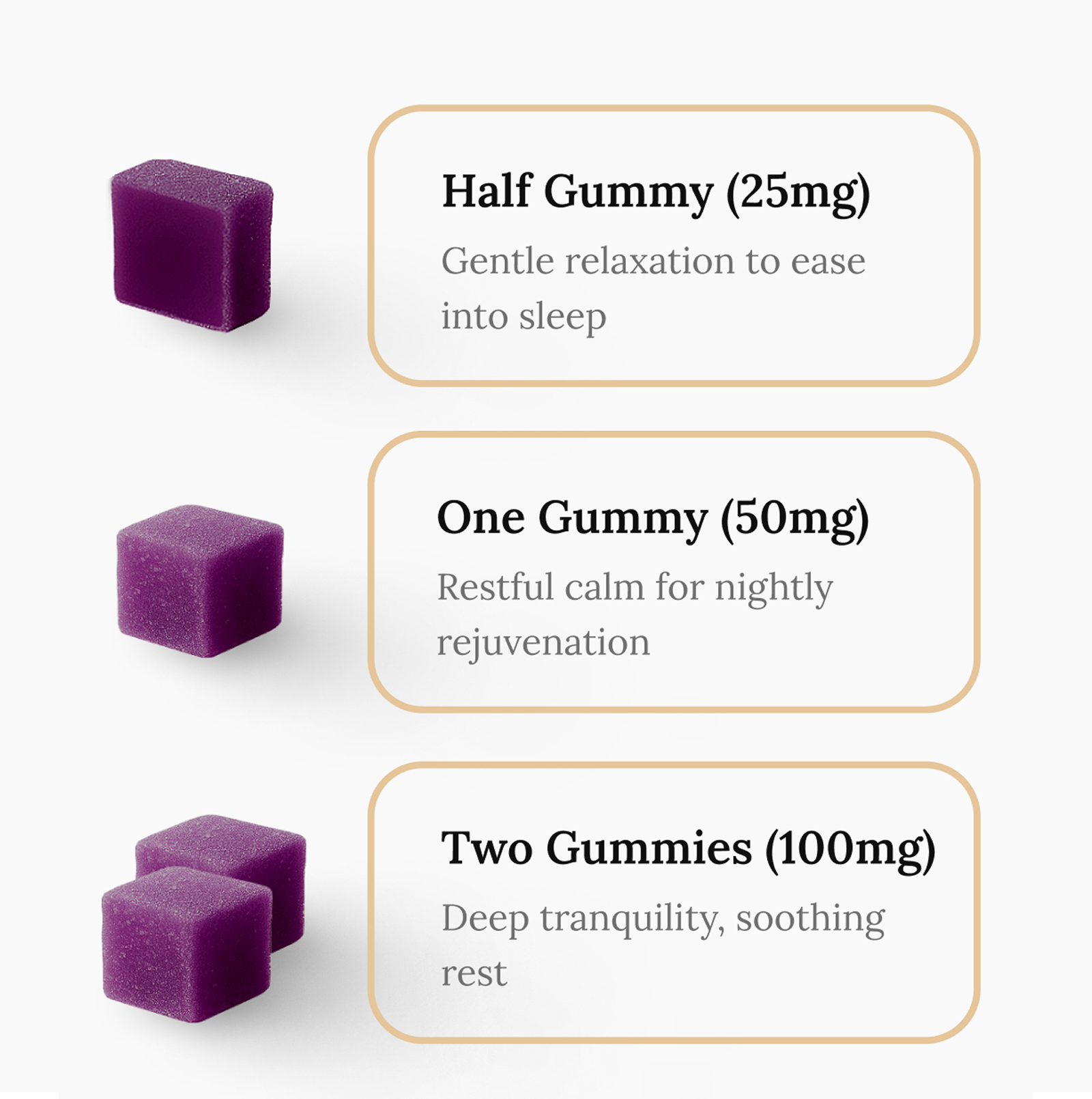
- Sleep CBD Gummies
- Gummies for Pain Relief
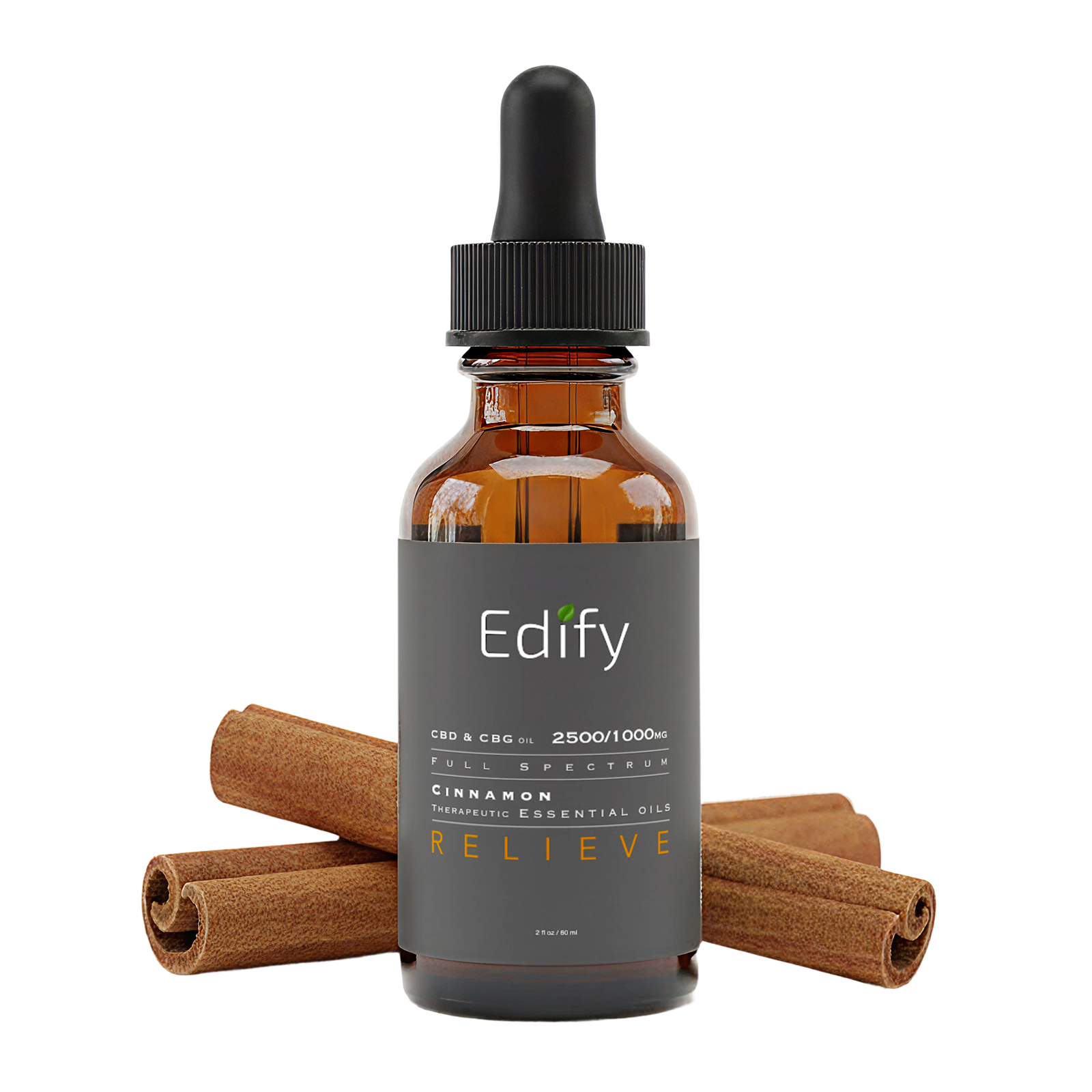
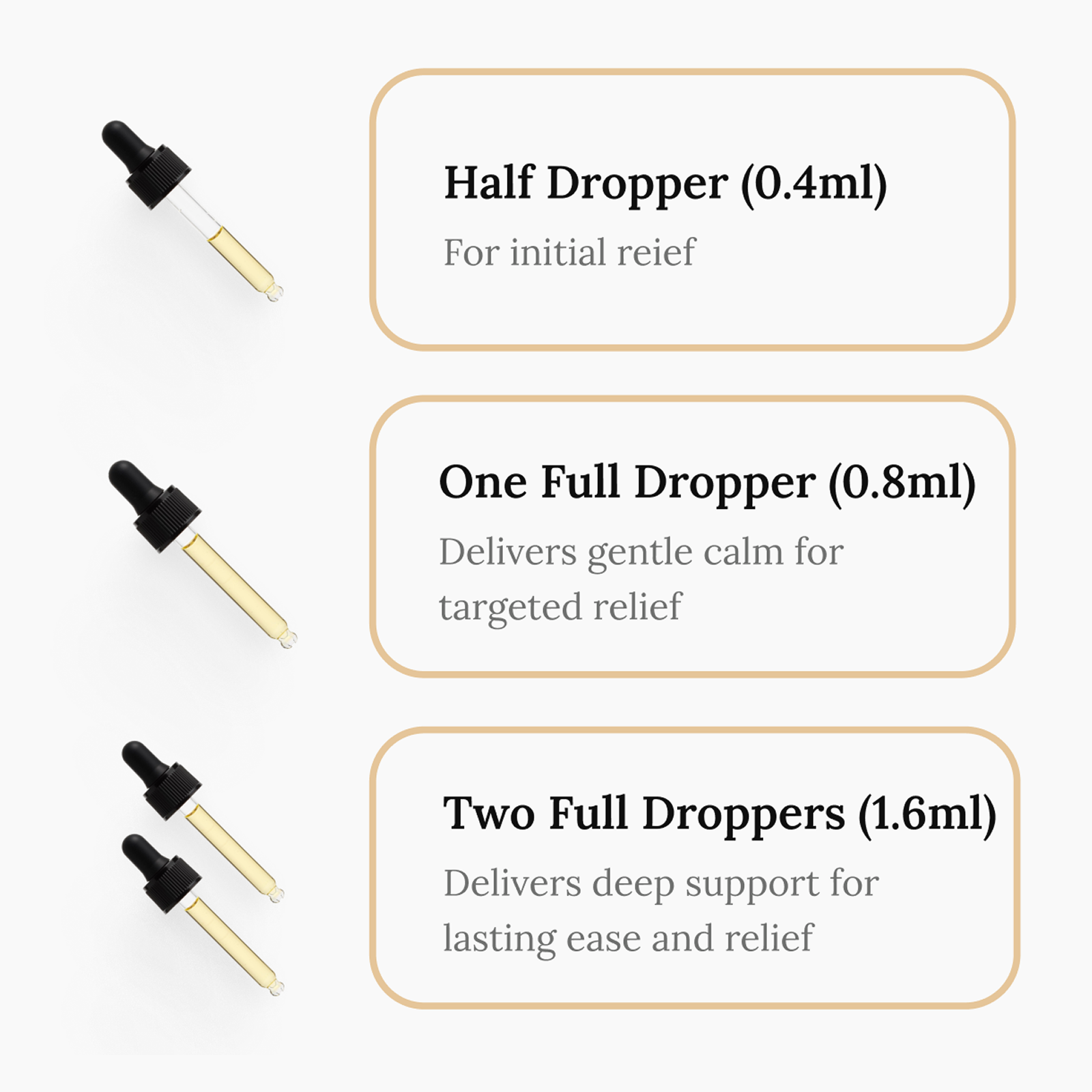
- CBD Oil & Tinctures
- THC Gummies
- Mushroom Gummies
- CBN Gummies
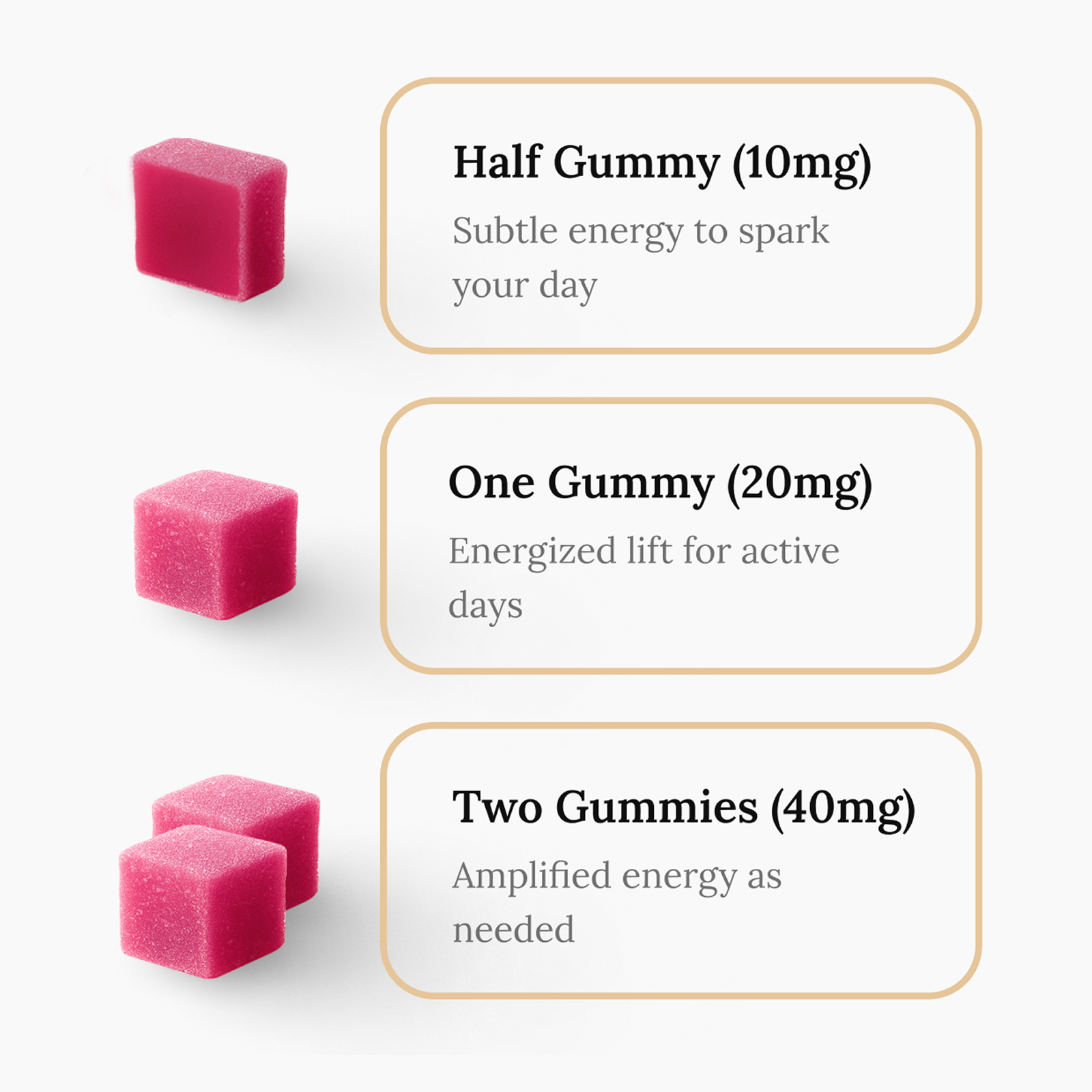
- Energy Gummies (THCV)
Written by the Edify Wellness Team
















Share:
CBD for Inflammation: What the Research Shows for Seniors
Charlotte Web and the CMS Portal: What It Means for the CBD Market