
If you are a senior exploring pain management options, a family caregiver researching treatments, or a healthcare provider working with Medicare patients, you have likely heard about the Medicare Benefits Expansion Initiative (BEI) and the recent FDA action related to cannabidiol (CBD) products. The FDA's enforcement discretion memo represents a significant shift in how federal regulators are treating oral CBD within certain Medicare programs. Understanding what this memo says, and more importantly, what it means for your health decisions, is essential.
This development matters because it directly affects access to CBD options for millions of Medicare beneficiaries. For the first time, a pathway exists for seniors to use FDA-acknowledged CBD products through their Medicare coverage, subject to specific conditions. This blog post breaks down the enforcement discretion memo in clear, practical terms so you can understand how it affects you or your patients.
What Is the FDA's Enforcement Discretion Memo?
The FDA enforcement discretion memo is a formal letter from the federal Food and Drug Administration stating that the agency will not actively enforce certain regulatory prohibitions on oral CBD products used within the Medicare BEI program. This does not mean the FDA has approved CBD as a medication. Instead, it means the FDA is exercising restraint and choosing not to pursue enforcement action against specific CBD products that meet defined criteria.
Enforcement discretion is a legal tool that allows regulatory agencies to set priorities. The FDA receives countless possible violations each year. The agency cannot pursue every one, so it directs resources toward the highest public health priorities. By issuing this memo, the FDA is signaling that oral CBD products in the Medicare BEI context are not a current enforcement priority, provided they follow the established rules.
This is an important distinction. The memo does not make CBD a regulated pharmaceutical or change the basic legal status of CBD federally. Instead, it creates a narrow window for safe, monitored use of oral CBD for Medicare beneficiaries participating in specific accountable care organization (ACO) programs. The memo applies only to oral formulations, meaning pills, capsules, oils, and similar forms taken by mouth. Topical products, edibles, or inhaled products are not covered under this discretion.
The Medicare BEI Program and Which Patients Benefit
The Medicare Benefits Expansion Initiative operates under the Centers for Medicare and Medicaid Services (CMS) Innovation Center. This program tests new ways to deliver and pay for health services for Medicare beneficiaries. Two specific ACO programs currently participate in the CBD expansion: ACO REACH and the Enhancing Oncology Model. These programs allow qualifying accountable care organizations to offer CBD to their Medicare patients at no cost, with a maximum of five hundred dollars per patient per year.
Eligibility varies by program and by organization. Generally, seniors who are part of a participating ACO and who meet clinical criteria set by their healthcare provider may access oral CBD products at no out-of-pocket cost. The financial protection is significant. Without this program, seniors would need to pay for CBD products independently, which can be expensive and is typically not covered by standard Medicare or supplemental insurance plans.
If you are a senior, ask your primary care doctor or Medicare plan representative whether you are enrolled in a participating ACO program. If you are a healthcare provider or ACO administrator, the FDA memo directly affects your ability to offer this benefit to your patients. Understanding eligibility requirements in your specific program is the first step toward offering this option to those who need it most.
What the Memo Requires: Safety, Quality, and Oversight
The FDA enforcement discretion memo does not mean "anything goes." The memo comes with strict requirements designed to protect patient safety and ensure product quality. These requirements include rigorous third-party testing, clear labeling that indicates the product is intended for use only within the Medicare program, and documentation proving the product meets established purity and potency standards.
Any oral CBD product offered through the BEI program must be tested by an independent laboratory accredited and registered with the FDA. The testing confirms that the product contains the labeled amount of CBD, is free of harmful contaminants, and meets microbiological standards. Additionally, products must be manufactured in facilities that follow current good manufacturing practices (cGMP), which are the same standards applied to conventional pharmaceuticals.
Labeling requirements are strict. Products cannot make disease claims or suggest they treat, cure, or prevent any condition. Instead, labels must state factually that the product is oral CBD intended for use in the Medicare BEI program. Healthcare providers ordering these products must maintain detailed records of which patients receive them, at what dosage, and for what clinical reason. This documentation supports patient safety and allows CMS to track outcomes and adjust the program as needed.
For patients, these requirements mean that any CBD product you receive through a participating program has undergone genuine quality testing and comes from a regulated source. This is different from purchasing CBD from retail shops, where testing standards vary widely and products may not contain what they claim. The oversight built into the BEI program provides an additional layer of protection.
How This Fits Into Broader Federal Hemp and CBD Policy
The FDA enforcement discretion memo does not exist in isolation. It reflects ongoing federal efforts to clarify how cannabis-derived compounds fit into the regulatory landscape. The Agriculture Improvement Act established a federal legal framework for hemp and hemp-derived products, including CBD, but significant regulatory questions remained unanswered. The FDA memo represents one federal agency's approach to resolving those questions in the specific context of Medicare and senior health.
At the same time, discussions about potential changes to federal hemp law and CBD regulation continue. Stakeholders across government, medicine, and industry are exploring how CBD regulation could evolve. These conversations may affect future access to CBD for Medicare beneficiaries and the general public. Staying informed about these policy developments helps you understand the landscape as it changes.
For providers and ACO administrators, the current memo creates a defined pathway, but future regulatory changes could expand or narrow this pathway. Planning your program with this uncertainty in mind is wise. Working with legal and compliance experts who understand both Medicare law and FDA regulation helps ensure your program remains compliant regardless of how policy evolves.
Practical Next Steps for Seniors, Caregivers, and Providers
If you are a senior interested in CBD as part of your pain management or wellness strategy, start by talking with your healthcare provider. Ask whether you are enrolled in a participating ACO program and whether oral CBD might be appropriate for your specific health needs. Your doctor can help you understand whether CBD fits into your overall treatment plan and what to expect.
Caregivers supporting seniors should engage in these conversations too. Understanding your loved one's healthcare options helps you advocate effectively and make informed decisions together. If your senior family member is interested in exploring CBD, having accurate information about the Medicare BEI program allows you to ask the right questions and find the right resources.
Healthcare providers and ACO administrators should review the specific requirements of the FDA enforcement discretion memo and determine how to operationalize CBD offerings within your program. This may involve selecting qualified vendors, training staff on product handling and patient counseling, establishing clear clinical criteria for patient eligibility, and setting up documentation systems that satisfy both CMS and FDA requirements. Consulting with regulatory compliance experts familiar with the Medicare BEI program can streamline this process.
To learn more about the Medicare CBD program and how to access it, visit the Edify Wellness Medicare CBD information page. For additional context on how ACO programs are reshaping Medicare benefits, explore our ACO REACH overview and our Enhancing Oncology Model guide.
The Bottom Line
The FDA's enforcement discretion memo opens a new chapter in how Medicare beneficiaries can access CBD products. By exercising regulatory restraint in a specific, limited context, the FDA has created space for seniors to explore CBD as part of their healthcare while maintaining meaningful oversight and safety standards. This is a balanced approach that neither bans a potentially helpful option nor abandons quality and safety requirements.
Whether you are evaluating CBD for yourself, supporting a family member, or administering a healthcare program, the memo signals that oral CBD in the Medicare BEI program is now a legitimate option worth considering. Understanding what the memo allows, what it requires, and how it fits into your personal or organizational context positions you to make informed decisions aligned with your health goals and compliance obligations.
Shop Edify CBD & Wellness Products
- CBD Gummies
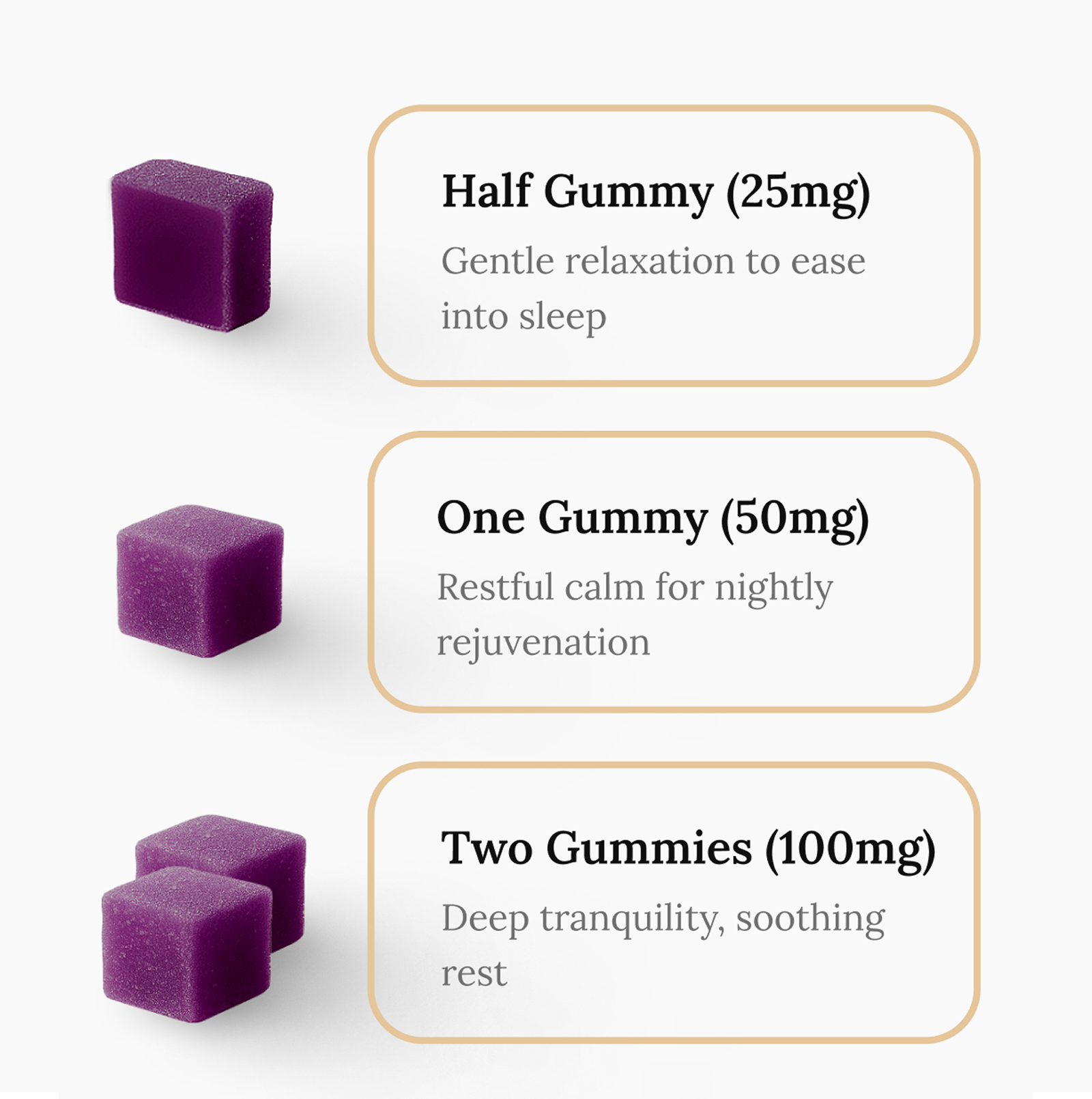
- Sleep CBD Gummies
- Gummies for Pain Relief
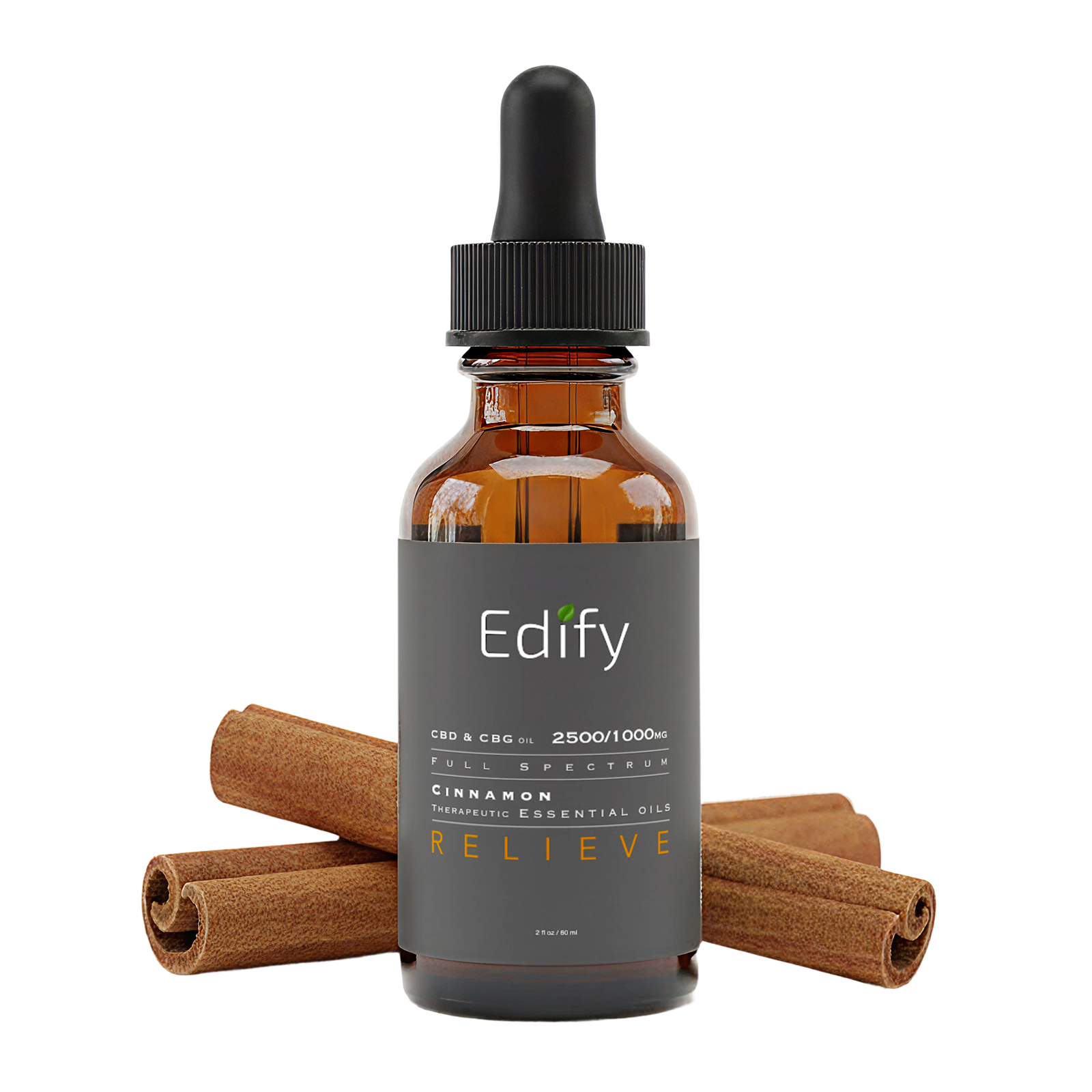
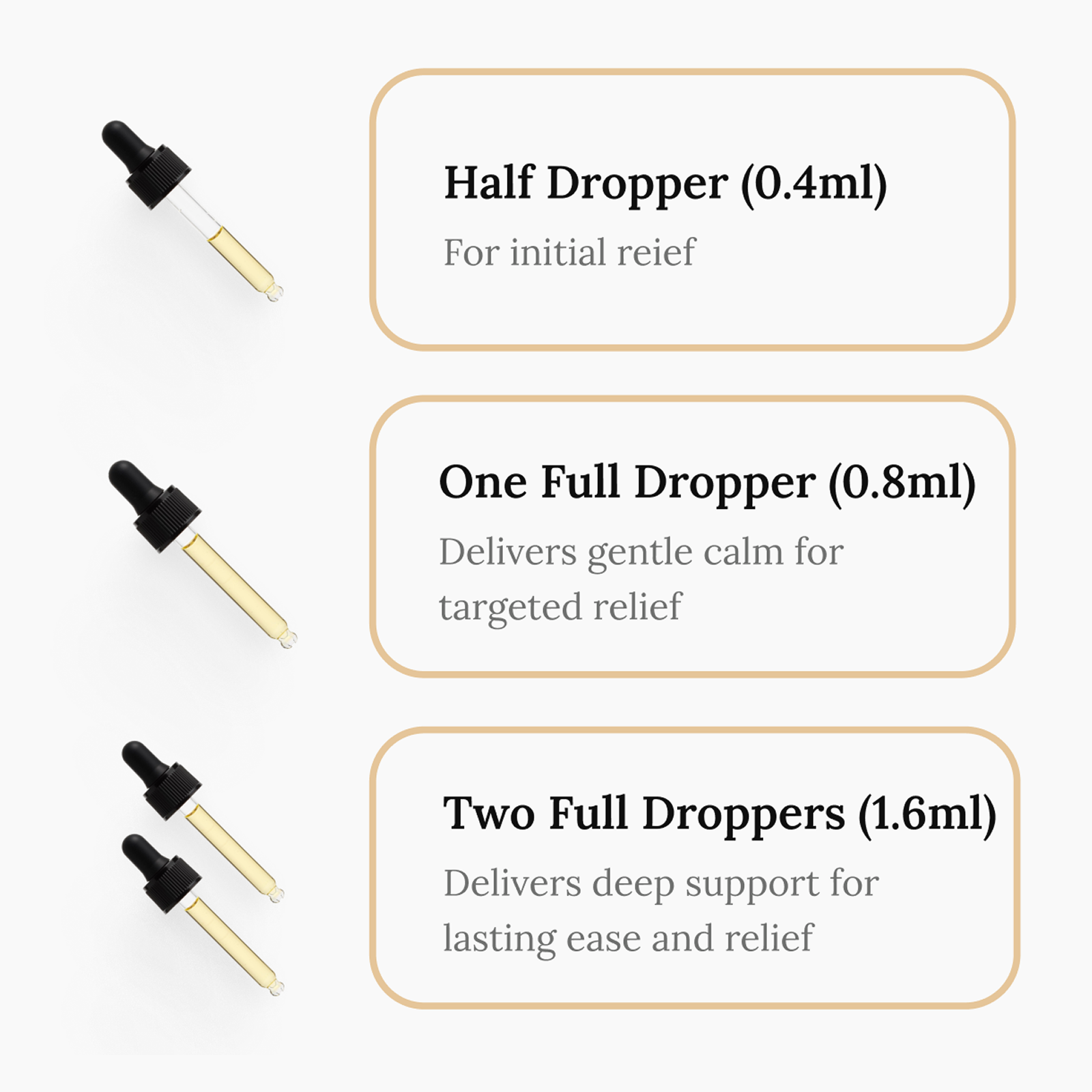
- CBD Oil & Tinctures
- THC Gummies
- Mushroom Gummies
- CBN Gummies
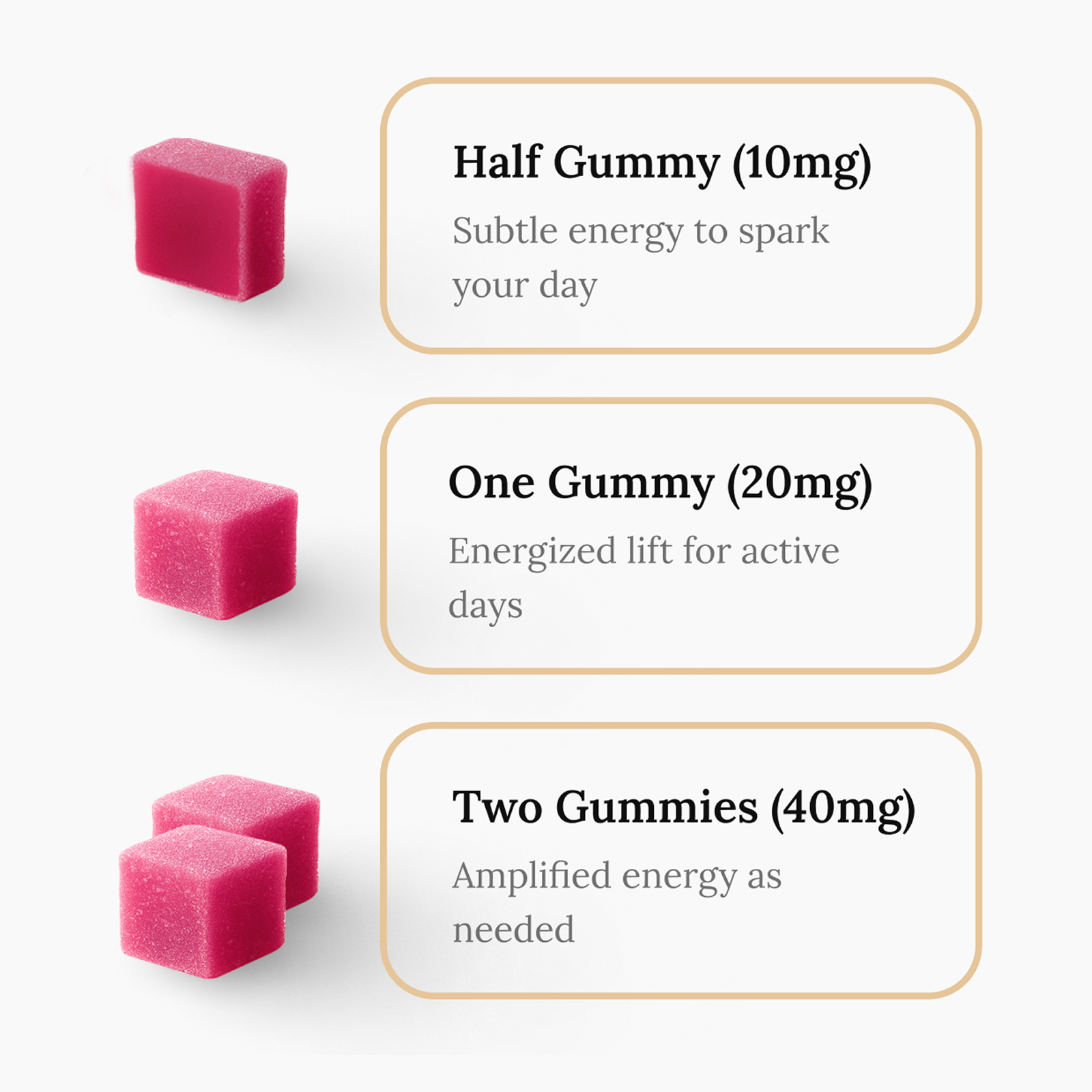
- Energy Gummies (THCV)
Written by the Edify Wellness Team
Disclaimer: The information provided in this article is for educational purposes only and should not be construed as medical advice or a recommendation to use any specific CBD product. CBD products are not FDA-approved medications. The FDA enforcement discretion memo discussed here applies only to oral CBD products used within specific Medicare programs. Individuals should consult with their healthcare provider before considering CBD, particularly if they take other medications or have existing health conditions. Always verify that any product you consider is tested by an accredited third-party laboratory and meets quality standards. This article does not endorse any particular CBD manufacturer or product.

















Share:
The Medicare CBD Program: How It Got Here and What Comes Next
Medicare CBD Glossary: Key Terms You Need to Know