
For millions of seniors, caregivers, and the healthcare providers who support them, the emergence of a Medicare-covered cannabidiol (CBD) program represents a significant shift in how certain conditions may be managed. Yet many questions remain about how this program came to be, which federal agencies are steering its course, and what regulatory changes lie ahead.
This article offers a straightforward look at the Medicare CBD initiative, stripped of industry spin. Whether you are a senior exploring coverage options, a family member researching what Medicare offers, or a healthcare provider navigating new treatment pathways, understanding the program's roots and its future trajectory is essential.
What is the Medicare CBD Program and Why Does It Matter
The Medicare CBD program allows certain beneficiaries to access cannabidiol products through Medicare coverage under specific conditions. Unlike many private or state-based programs, Medicare's entry into CBD coverage is relatively recent and comes with clear boundaries: covered products are oral-only formulations, and current guidance limits annual spending to around five hundred dollars per beneficiary per year.
Why does this matter? For seniors managing chronic pain, nausea, anxiety, or other conditions where conventional treatments may not work or cause unwanted side effects, having a Medicare-covered option changes the calculus of care. It removes the out-of-pocket burden that previously made CBD access a luxury good rather than a practical treatment choice. For healthcare providers and accountable care organizations (ACOs), it opens a new avenue for personalized, evidence-informed care within the bounds of the existing insurance structure.
Understanding the path that brought this program into being helps clarify what to expect going forward and what limitations or opportunities may emerge as policy continues to evolve.
How the Medicare CBD Program Got Its Start
The foundation for Medicare CBD coverage was laid through the CMS Innovation Center, the division within the Centers for Medicare and Medicaid Services (CMS) that tests new payment and service delivery models. Rather than creating a broad, permanent Medicare benefit, the program was structured as a limited demonstration or pilot under specific value-based care arrangements.
Two major pathways emerged through which seniors could access Medicare-covered CBD. The first operates under the ACO REACH model, a payment arrangement designed to give accountable care organizations more financial flexibility and risk-sharing authority. The second flows through the Enhancing Oncology Model, which focuses on cancer-related symptoms and supportive care. Both models share the same core features: they allow oral CBD products to be included in treatment plans when deemed appropriate by a healthcare provider, and they operate within defined spending thresholds.
This pilot-based approach reflects a broader federal strategy: rather than changing fundamental Medicare law immediately, the government is testing whether and how CBD can fit within existing quality-improvement and value-based payment frameworks. The results from these models may inform whether broader, permanent Medicare coverage becomes possible in the future.
The Federal Agencies and Leadership Involved
Multiple federal agencies and leadership figures have shaped the Medicare CBD landscape, creating a complex web of influence and authority.
The Centers for Medicare and Medicaid Services (CMS) is the primary driver. CMS sets the rules for what Medicare covers and how beneficiaries access benefits. Within CMS, the Innovation Center holds the authority to test new models, which is how the CBD program got off the ground.
The Food and Drug Administration (FDA) operates in the background but carries enormous weight. Although CBD products are not formally approved as medications by the FDA in most cases, the agency issued an enforcement discretion memo that effectively allowed certain CBD products to be distributed and used without aggressive regulatory intervention. This memo created the legal and practical space in which Medicare coverage could exist. The FDA continues to monitor CBD products for safety, quality, and marketing claims.
Leadership at the highest levels has also influenced direction. Current CMS leadership and the broader Department of Health and Human Services (HHS) have signaled openness to exploring cannabis-derived treatments as part of modernizing Medicare and expanding treatment options for seniors.
Beyond these agencies, the federal hemp regulatory framework and ongoing discussions about potential revisions to federal cannabis law create an evolving backdrop. Any changes to how hemp-derived products are classified or regulated at the federal level could reshape Medicare's approach.
For seniors and providers, this multi-agency involvement means that policy changes can originate from several directions, and staying informed about developments from CMS, FDA, and HHS helps predict what might change next.
How ACOs and Providers Access and Offer CBD
Accountable care organizations participating in the ACO REACH model have the authority to make coverage decisions about CBD for their beneficiaries. This represents a meaningful shift: instead of Medicare centrally deciding what every senior can access, individual ACOs can tailor their offerings based on their patient population and clinical evidence.
Some ACOs have established relationships with specific CBD suppliers. For example, agreements with certain manufacturers have been negotiated to secure products and pricing. However, ACOs are not locked into exclusive relationships. Providers and organizations retain the flexibility to source products that meet quality and safety standards, ensuring that seniors have access to options rather than being funneled toward a single vendor.
From a practical standpoint, this means that if you are a Medicare beneficiary under an ACO REACH or similar model, your doctor or care team can recommend a CBD product if they believe it may help with your condition. Your ACO will have guidelines about which conditions qualify, what dosage or product forms are covered, and what the approval process looks like. Coordination between your healthcare provider and your ACO's pharmacy or benefits team ensures that coverage aligns with clinical judgment.
For providers specifically, this opens a legitimate pathway to discuss CBD as a treatment option without operating in a gray area. The program provides clinical guidance, regulatory clarity, and payment assurance that did not previously exist.
The Road Ahead: Regulatory and Legal Challenges
Despite the program's launch, significant uncertainty remains about its long-term future. Several forces are at play.
First, legal challenges are underway. Advocacy groups and stakeholders have filed lawsuits questioning the basis for Medicare coverage of CBD, raising constitutional and statutory concerns about whether the CMS Innovation Center has the authority to include non-FDA-approved products in coverage models. These cases may work their way through federal courts, potentially constraining or clarifying the program's scope.
Second, federal hemp and cannabis law remains in flux. The current federal legal framework treats hemp-derived CBD as a commodity product rather than a pharmaceutical substance. Any federal revision to how cannabis and cannabinoids are classified could either expand or restrict Medicare's ability to cover these products. Legislative efforts to revise hemp and cannabis policy continue at multiple levels, and changes could occur relatively quickly.
Third, the FDA's role may evolve. The enforcement discretion memo that currently permits CBD products to be marketed is not a permanent endorsement. Should the FDA choose to tighten enforcement or require clinical trials and formal approvals for CBD products, Medicare coverage pathways could narrow significantly. Conversely, if CBD products pursue formal FDA approval through the standard pharmaceutical route, Medicare coverage could become permanent and expanded.
For seniors and providers, these uncertainties mean it is wise to stay informed but not to assume the current program will remain static. Any major development in federal law, FDA policy, or court rulings could reshape what is available and how it is accessed.
What This Means for Patients, Caregivers, and Providers
The practical takeaway is this: Medicare coverage of CBD is real today, but it exists in a defined, experimental framework rather than as a permanent, universal benefit. If you are a senior considering whether CBD might be appropriate for your care, the conversation to have is with your doctor or care team, particularly if you participate in an ACO REACH model. They can discuss whether CBD aligns with your clinical needs and whether your coverage pathway allows it.
If you are a caregiver supporting a family member, understanding what your loved one's Medicare plan covers is the first step. Contact your ACO or review your plan materials to learn whether CBD is an available option.
If you are a healthcare provider, the Medicare CBD program offers an opportunity to expand your toolkit in a regulated, reimbursed environment. Familiarizing yourself with your organization's policies and clinical guidelines around CBD ensures you can have informed conversations with patients.
For a comprehensive overview of coverage options, eligibility criteria, and current program details, visit our dedicated Medicare CBD page.
To stay current on related topics, explore our ACO REACH coverage guide and our cancer supportive care resources.
Shop Edify CBD & Wellness Products
- CBD Gummies
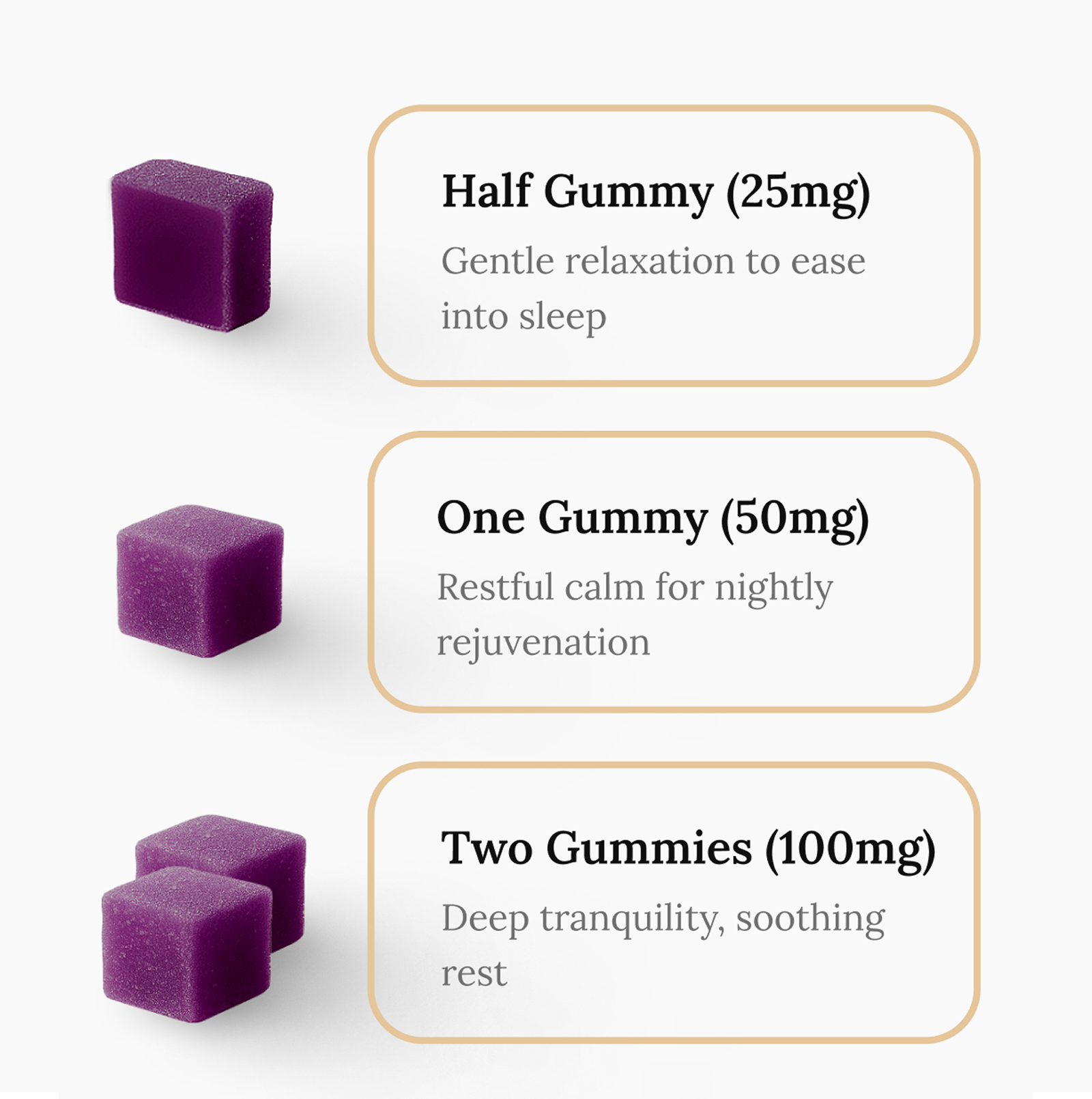
- Sleep CBD Gummies
- Gummies for Pain Relief
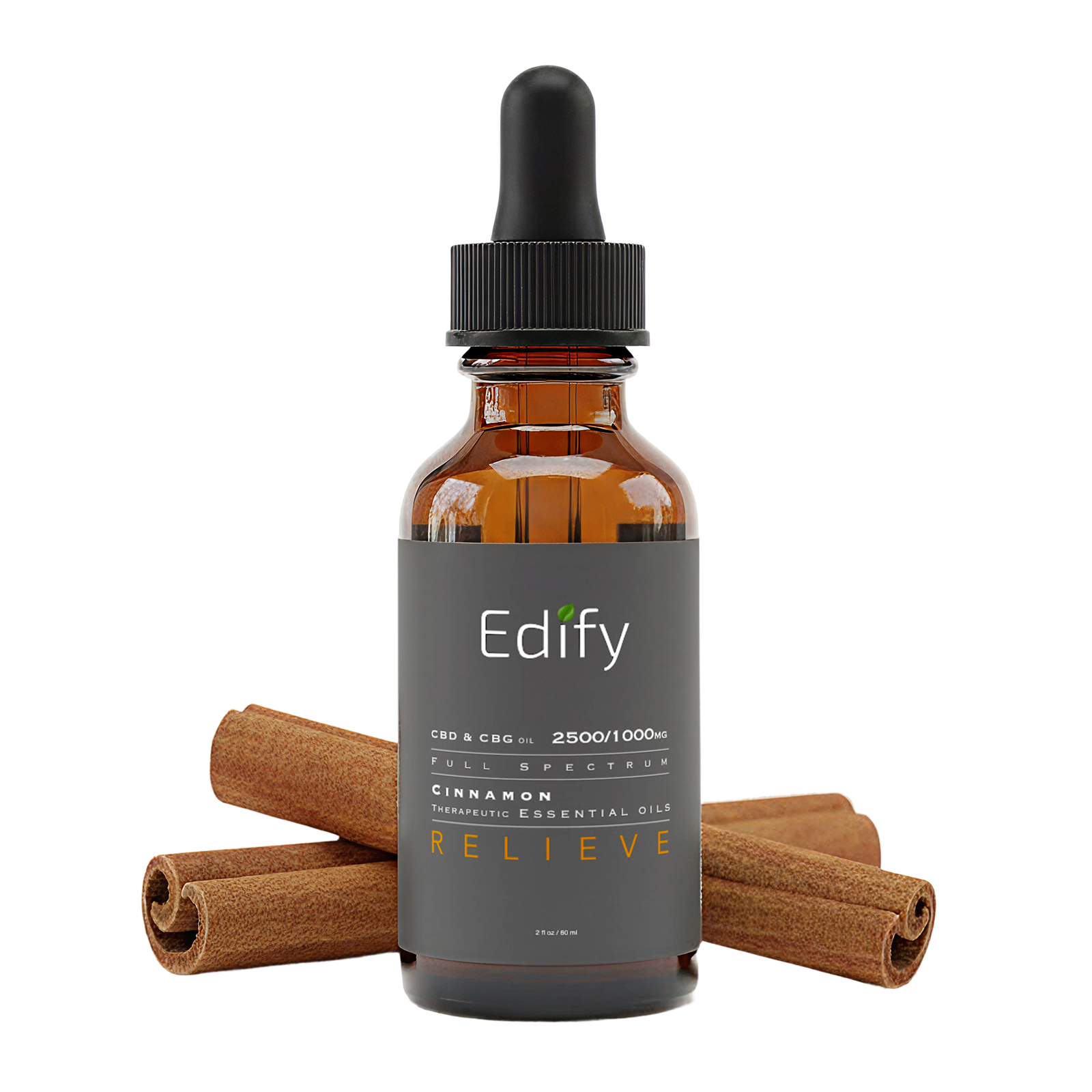
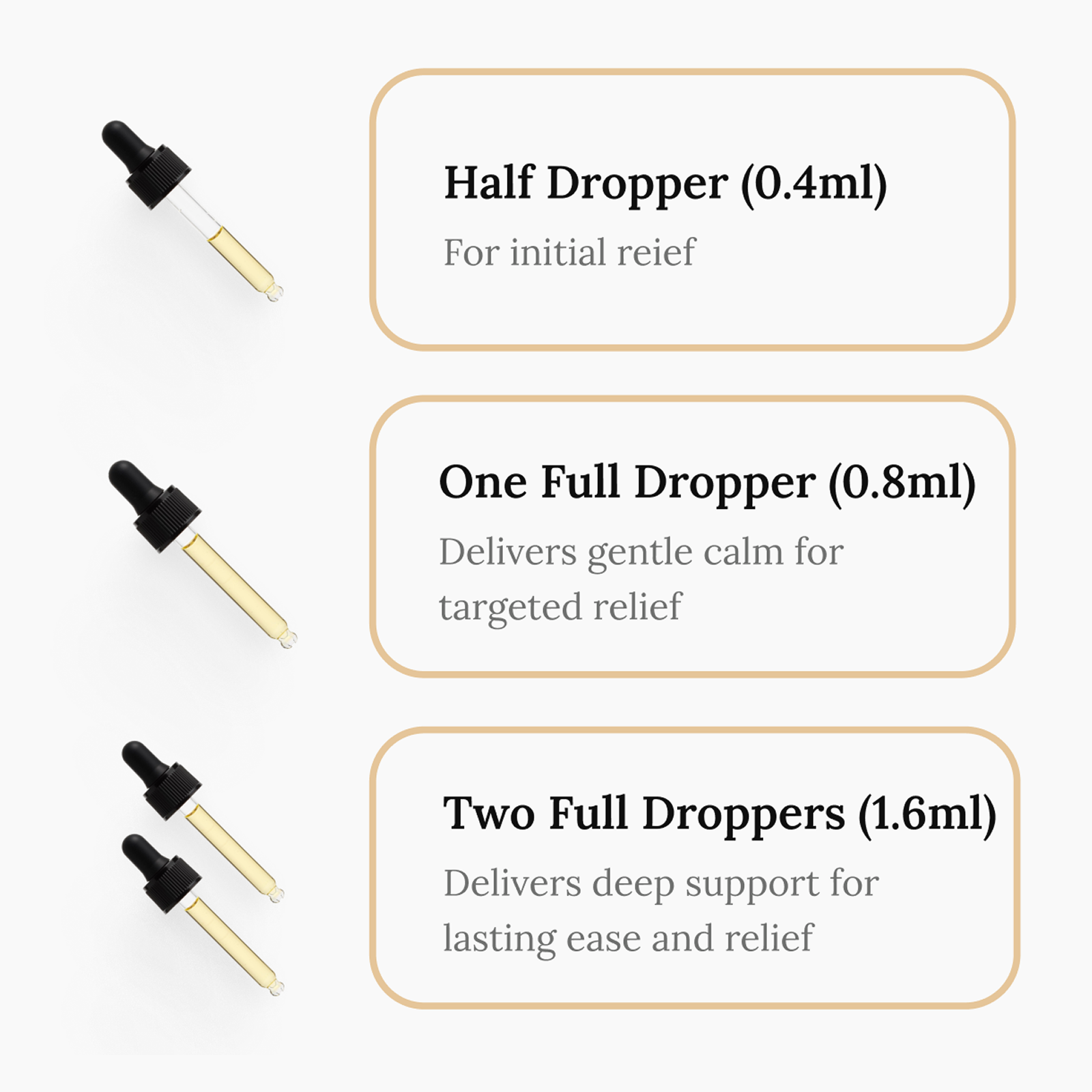
- CBD Oil & Tinctures
- THC Gummies
- Mushroom Gummies
- CBN Gummies
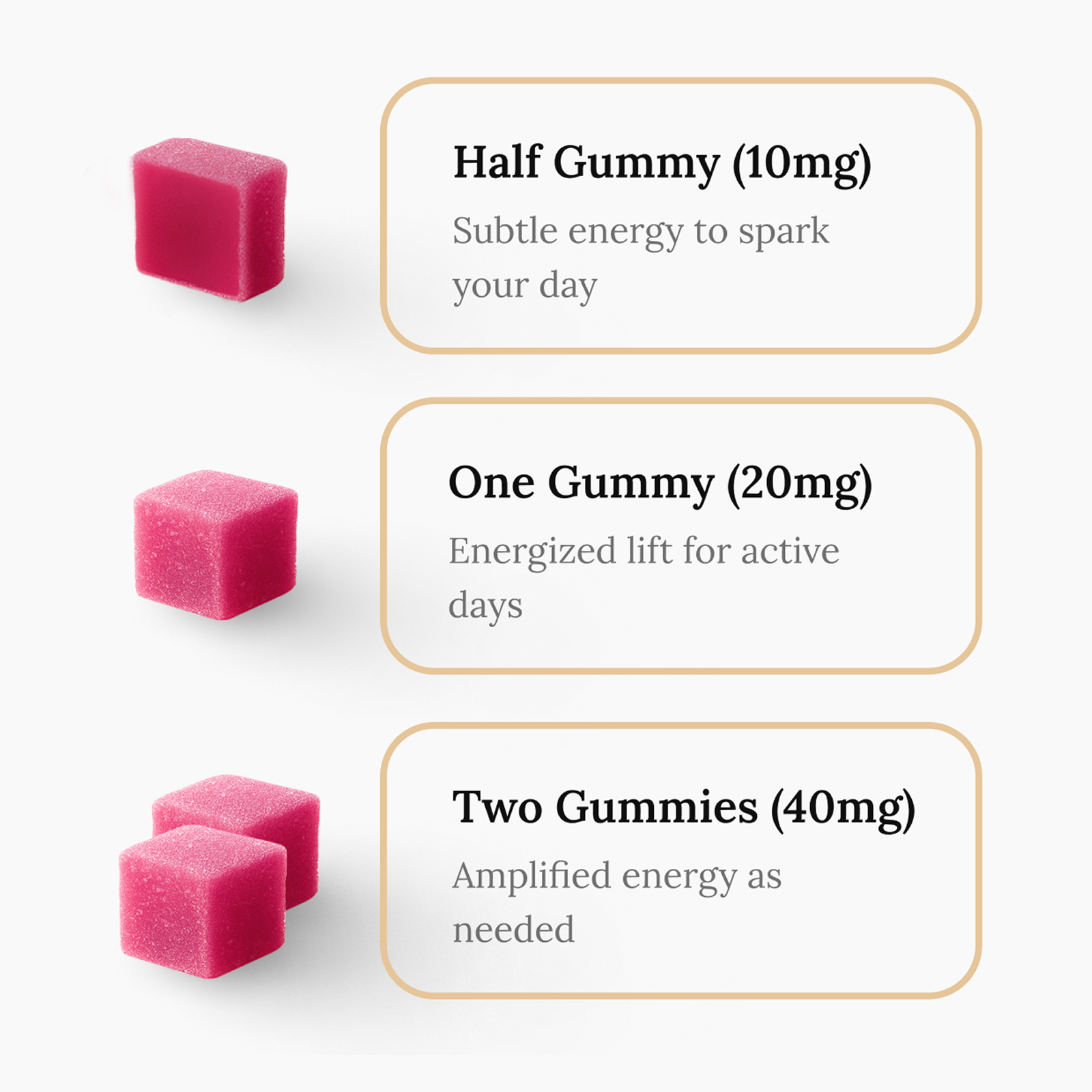
- Energy Gummies (THCV)
Medicare CBD Resources
- Does Medicare Cover CBD?
- Who Qualifies for Medicare CBD
- Medicare CBD Approved Products
- How the Medicare CBD Program Works
- Free CBD for Medicare Seniors
Written by the Edify Wellness Team
















Share:
Adult Children's Guide to the Medicare CBD Program
The FDA's Enforcement Discretion Memo for CBD: What It Means