

Alcohol and Sleep: Why It Can Disrupt Deep Sleep and How to Support Better Nights Without Relying on It
Many people unwind with a glass of wine or a beer after a long day, believing it helps them relax and get a better night's sleep. However, alcohol can actually interfere with the restorative quality of sleep, especially during the deep sleep stages. In this blog post, we'll explore the relationship between alcohol and sleep, its impact on your nightly rest, and healthier alternatives to support quality sleep without relying on alcohol.
How Alcohol Affects Your Sleep
While alcohol might help you fall asleep faster, it disrupts the important stages of slumber. Consuming alcohol before bed can lead to a reduction in REM sleep, the stage critical for memory consolidation and brain restoration. Furthermore, alcohol can suppress melatonin production, a hormone that regulates sleep-wake cycles, leading to a disrupted circadian rhythm.
Drinking can also increase sleep disturbances, making you more likely to wake up during the night. This can leave you feeling unrefreshed and drowsy the next day. Chronic use may exacerbate sleep disorders like insomnia or sleep apnea, highlighting the need for healthier sleep-inducing strategies.
Supporting Better Sleep Naturally
Instead of reaching for alcohol, consider integrating these healthier alternatives into your bedtime routine for improved sleep quality:
1. Create a Relaxing Routine
Develop a calming evening ritual, incorporating activities that promote relaxation such as reading, taking a warm bath, or practicing meditation. This helps signal to your body that it's time to wind down.
2. Try Sleep-Supporting Supplements
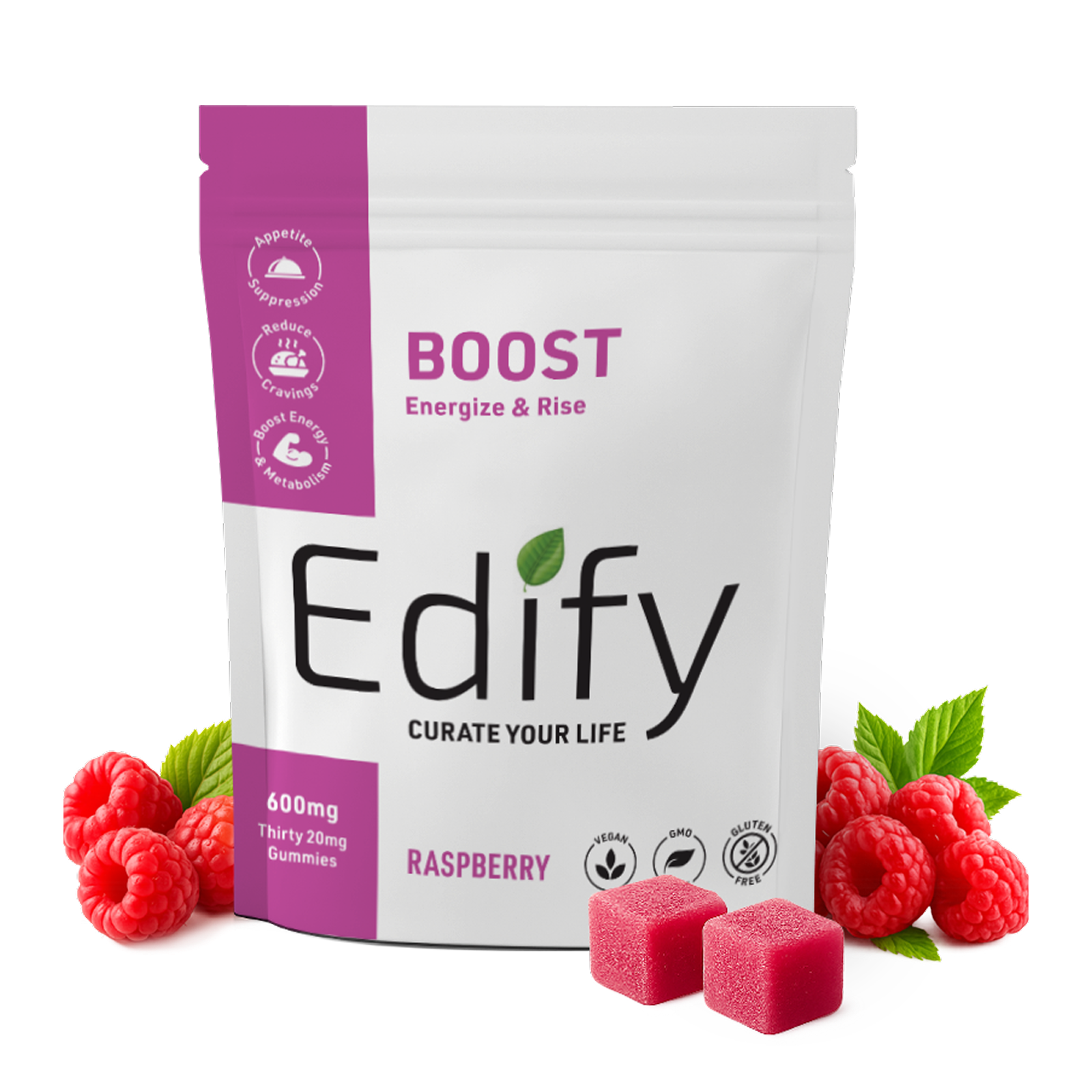
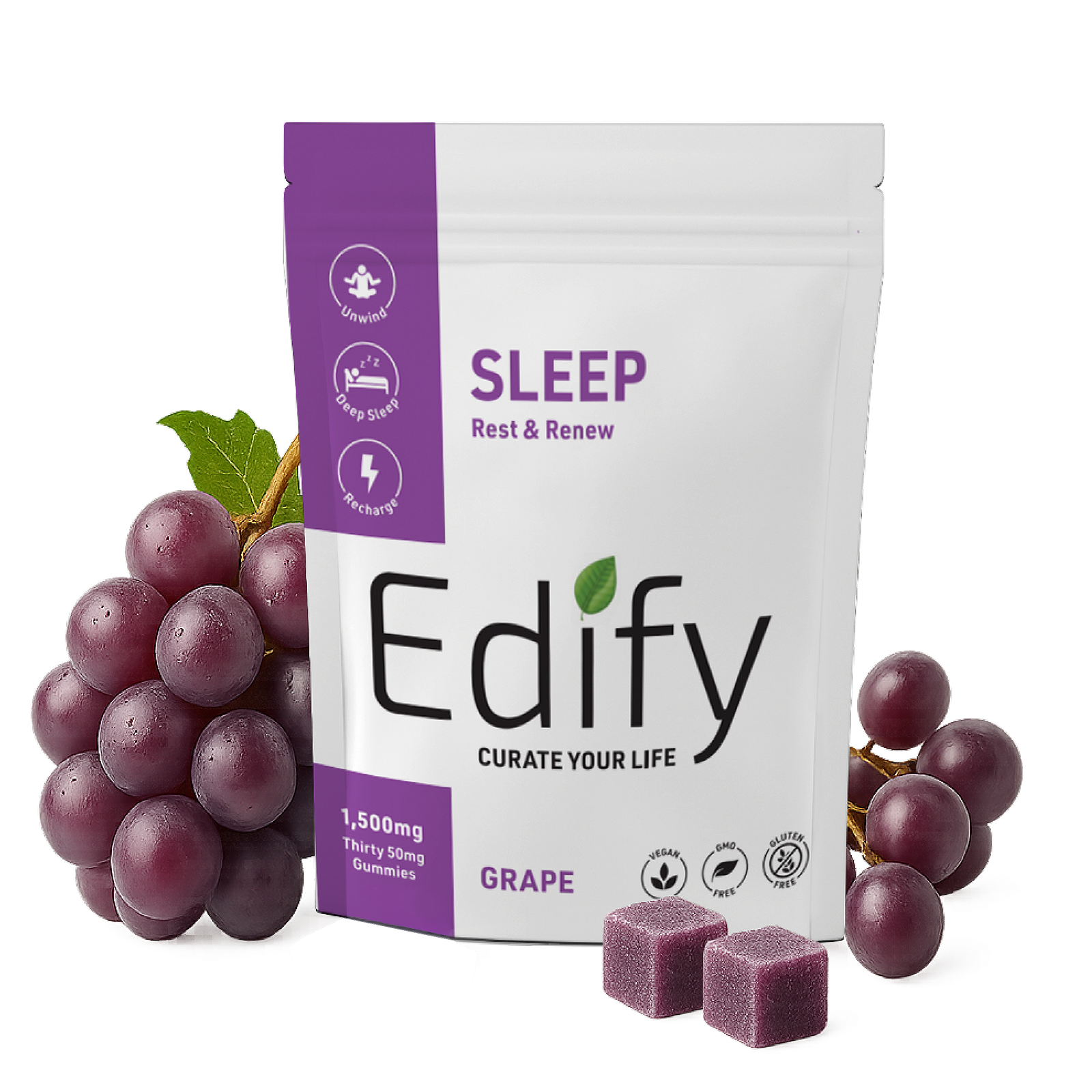
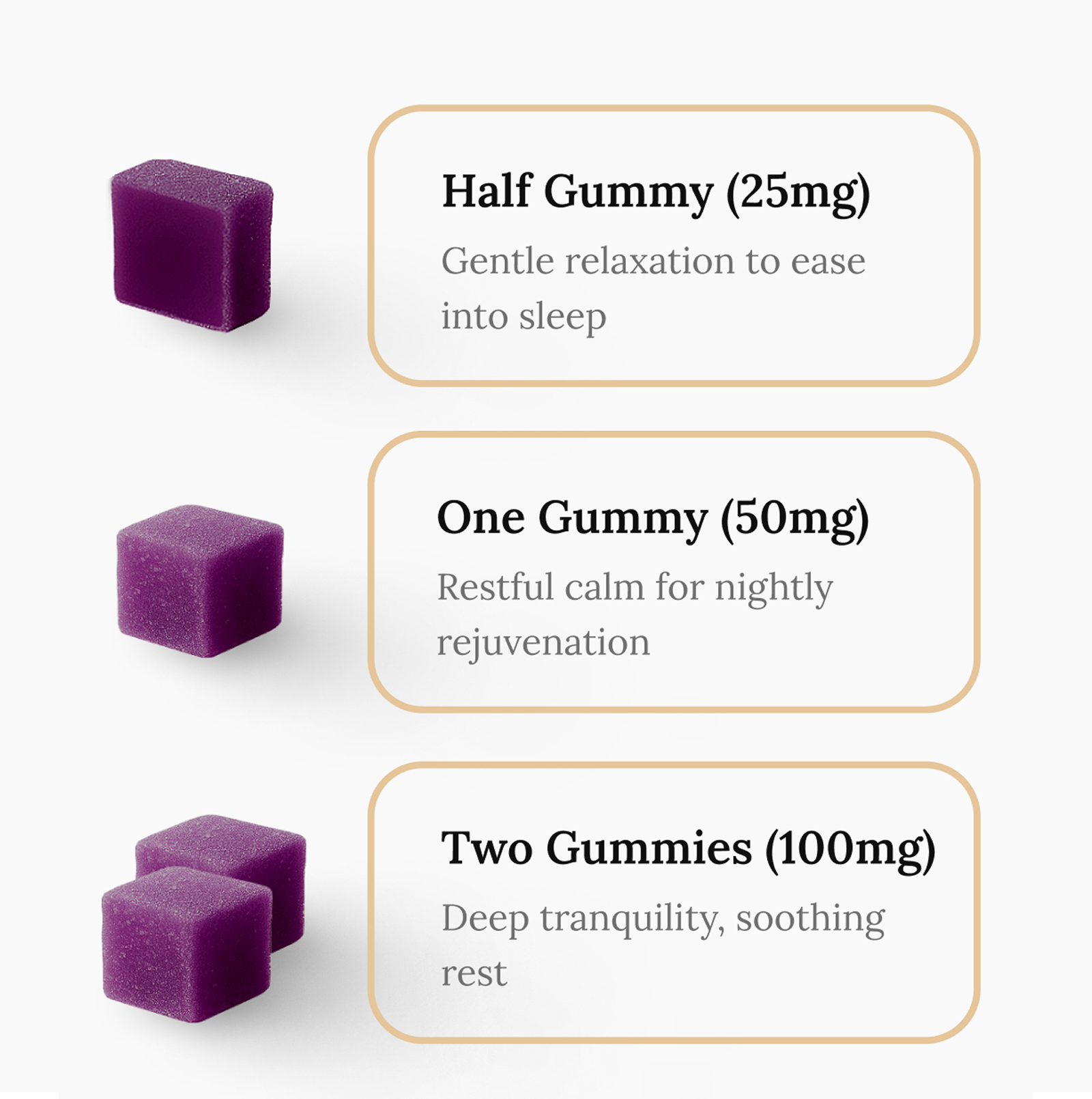
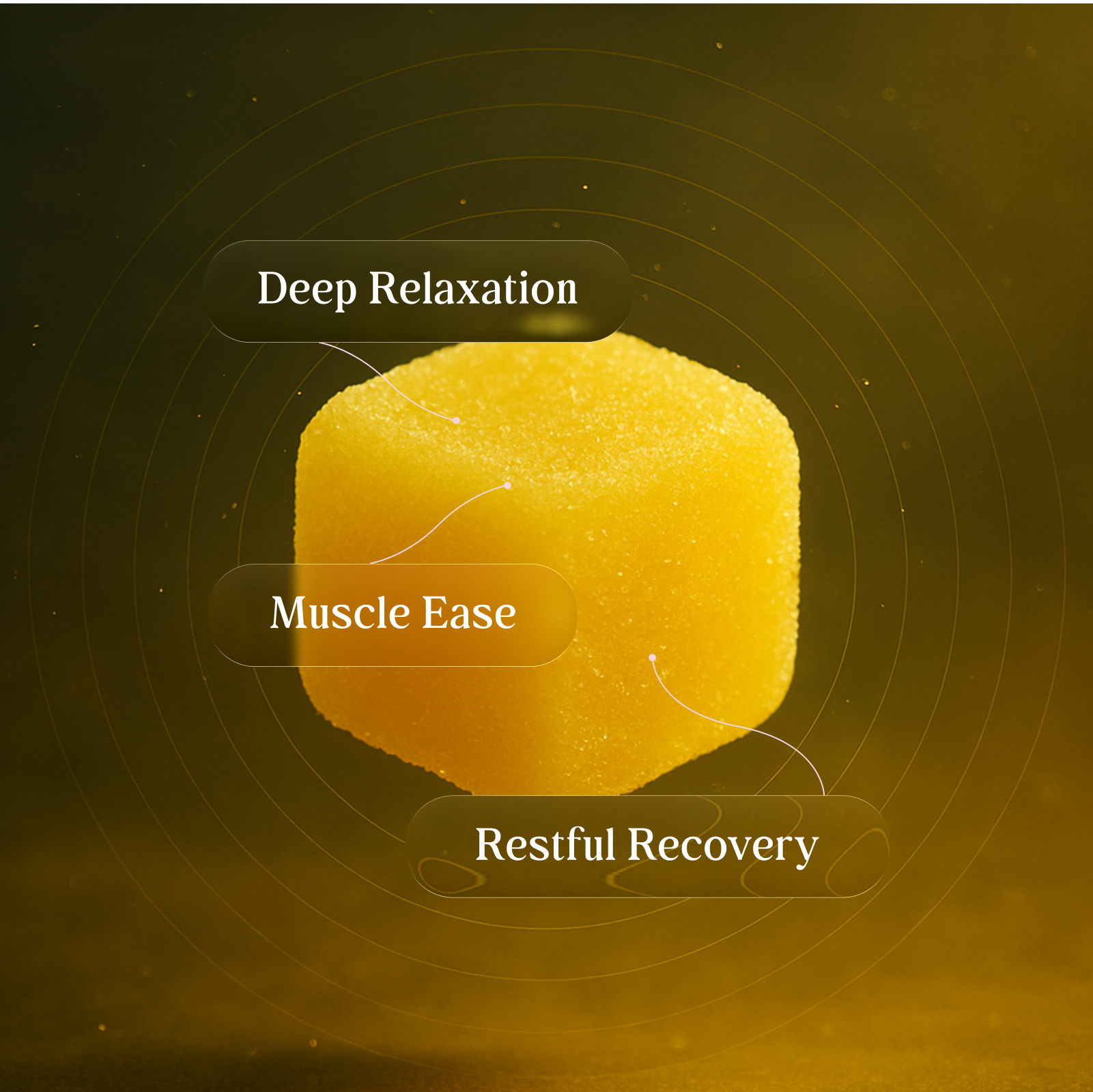
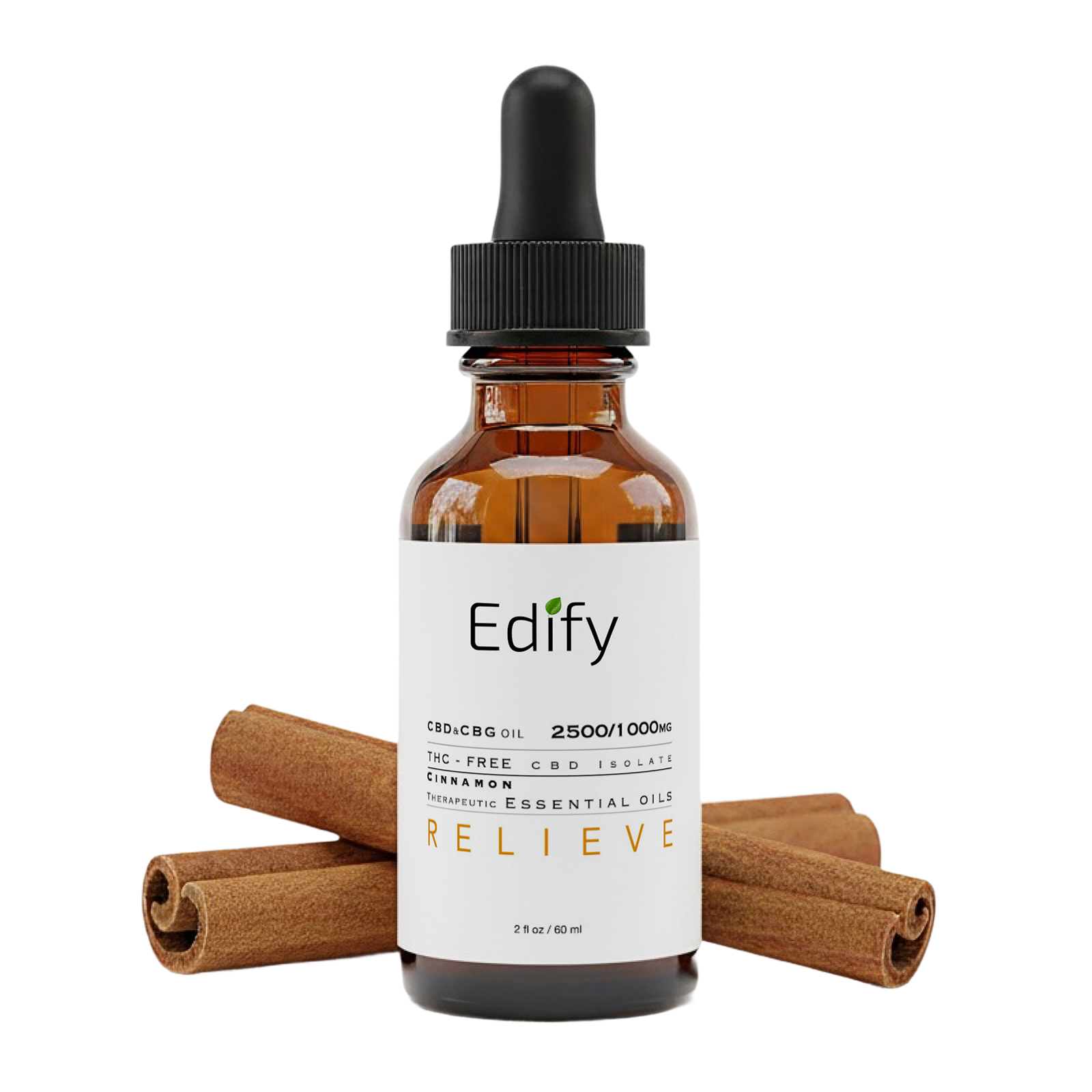
Natural supplements like cbn gummies have been reported to support better sleep. Explore other options like chamomile, magnesium, or valerian root, which may encourage restorative sleep.
3. Dietary Adjustments
Avoid caffeine and heavy meals close to bedtime. Instead, consider a light snack like almonds or kiwi, which are known for their sleep-promoting properties. Balancing diet with sleep-friendly foods can make a big difference in your sleep quality.
4. Natural Supplements and Herbal Teas
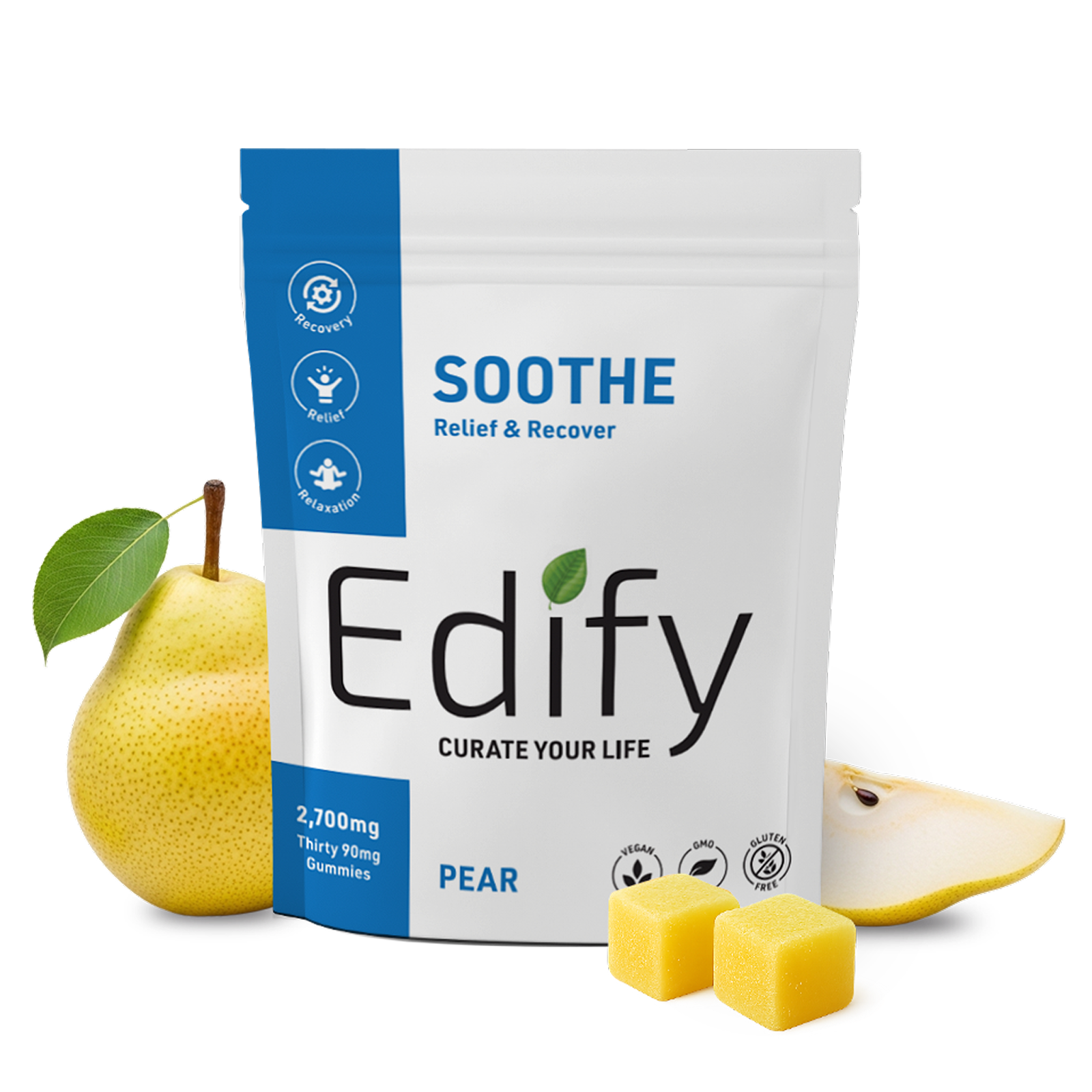
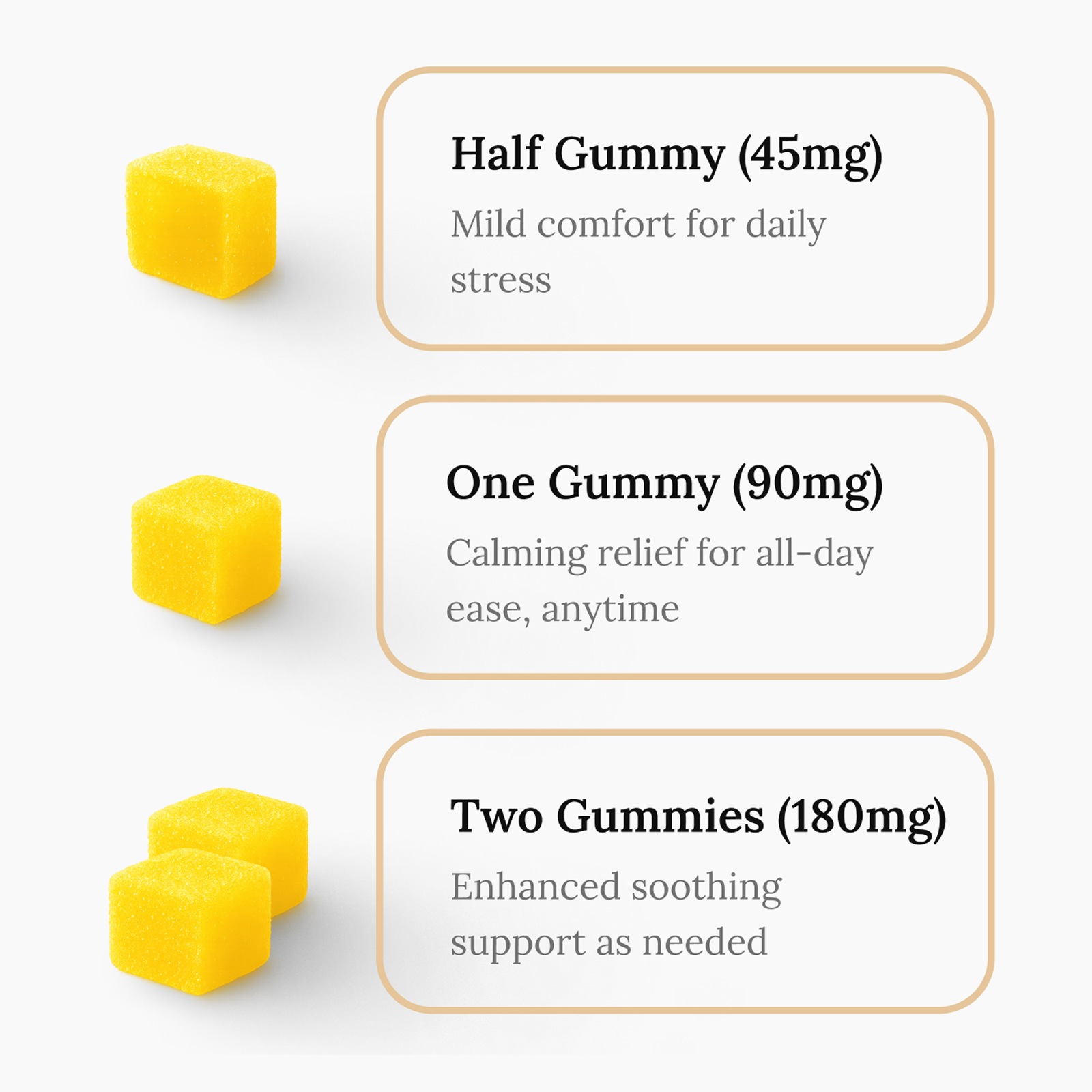
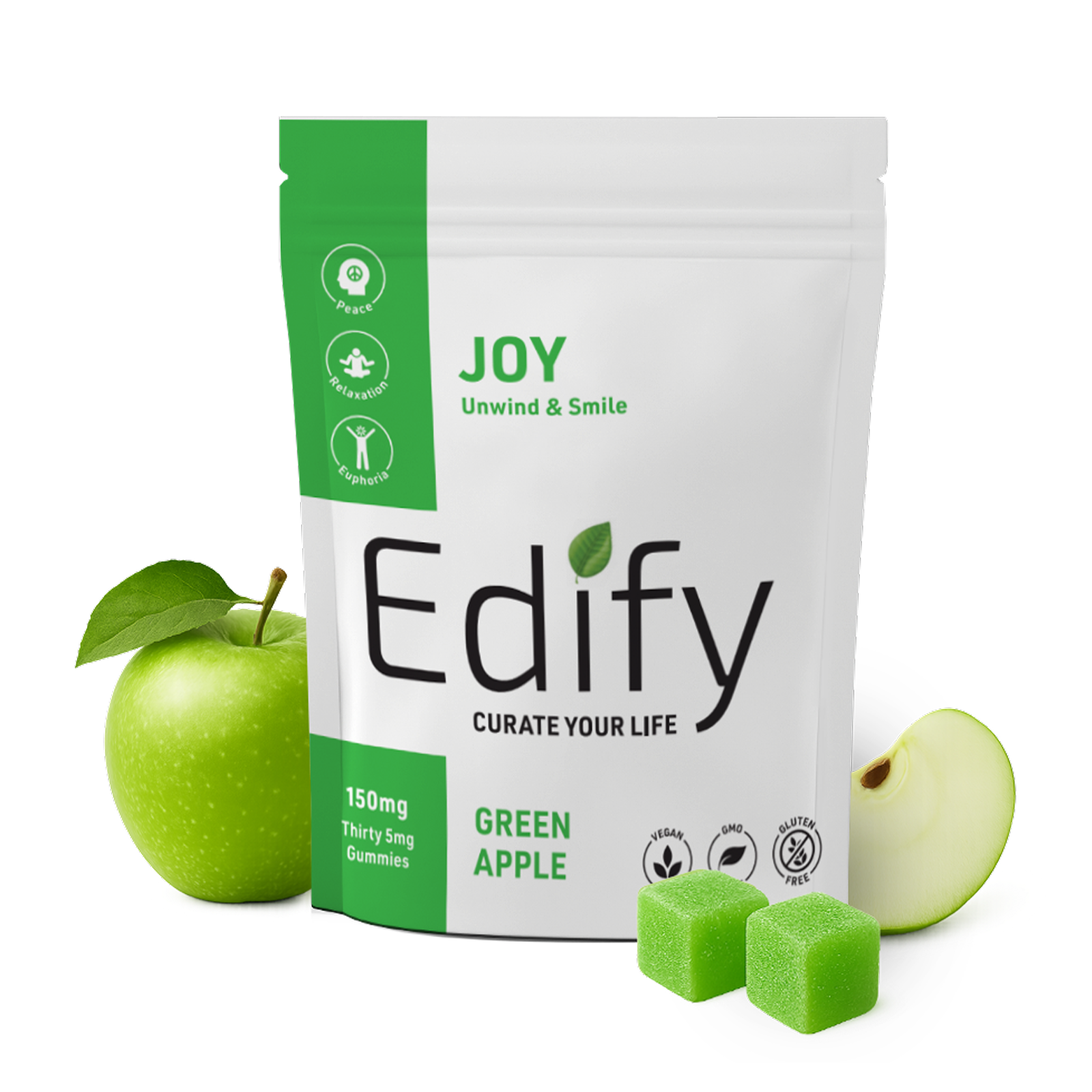
Consider herbal teas like chamomile or products like ashwagandha gummies that naturally help de-stress and prepare the body for a restful night. These alternatives promote relaxation without the side effects associated with alcohol.
5. Consistent Sleep Schedule
Go to bed and wake up at the same times every day, even on weekends. This consistency helps regulate your body's internal clock, making falling asleep and waking up easier.
The Benefits of Reducing Alcohol for Sleep
By cutting down on alcohol or eliminating it from your pre-sleep routine, you'll likely experience significant improvements in both the quality and duration of your sleep. More REM sleep means you'll benefit from improved cognitive function, sharper concentration, and enhanced mood throughout the day. For added mood benefits, you might also explore options like mood boost supplements that help promote positive feelings naturally.
Conclusion
While it might be tempting to use alcohol as a sleep aid, its long-term effects can interfere with the quality of your rest. By adopting healthier habits and considering natural sleep supplements, you can enhance your sleep experience and overall well-being without relying on alcohol. Evaluate different strategies, be it through a consistent sleep routine or exploring thcv gummies to discover what best supports your restful nights.












Share:
Understanding the Connection Between Stress and Sleep and Tips for Breaking the Cycle
Quiet Morning Routine Ideas to Boost Focus and Wellbeing