

Stress and Sleep Loop: How Poor Sleep Increases Stress (and Vice Versa) and What to Prioritize First
In today's fast-paced world, stress and sleep deprivation often go hand in hand, creating a vicious cycle that can take a toll on your health and well-being. Understanding the symbiotic relationship between stress and sleep is crucial in addressing both issues effectively. Let's delve into how poor sleep increases stress, how stress disrupts sleep, and what you should prioritize to break this loop.
The Stress-Sleep Cycle: An Overview
Stress and sleep are intricately connected. When you experience stress, your body releases hormones like cortisol that keep you alert and awake. This hormonal imbalance can make it difficult to fall asleep or achieve deep, restorative sleep. On the flip side, poor sleep can intensify feelings of stress, leading to a detrimental cycle that is hard to escape.
According to the American Psychological Association, about 43% of adults report that stress has caused them to lie awake at night. This ongoing cycle not only dampens your mood and productivity but also weakens your immune system, making stress management and sleep quality vital components of a healthy lifestyle.
How Stress Disrupts Sleep
Stress can manifest in various ways, including racing thoughts, anxiety, and a sense of being overwhelmed, all of which can hinder your ability to relax and drift into sleep. Additionally, stress can lead to physiological changes, such as increased heart rate and elevated cortisol levels, which further disrupt sleep patterns.
Incorporating relaxation techniques into your bedtime routine can be tremendously beneficial. Practices such as mindfulness meditation and breathing exercises can help calm your mind, allowing you to transition more smoothly into sleep.
How Poor Sleep Increases Stress
Lack of sleep impairs your judgment, reduces your ability to handle stress, and can lead to mood swings and irritability. Insufficient sleep affects the way your brain processes emotions, making it more challenging to manage stressful situations. Over time, chronic sleep deprivation can lead to serious mental health disorders such as anxiety and depression.
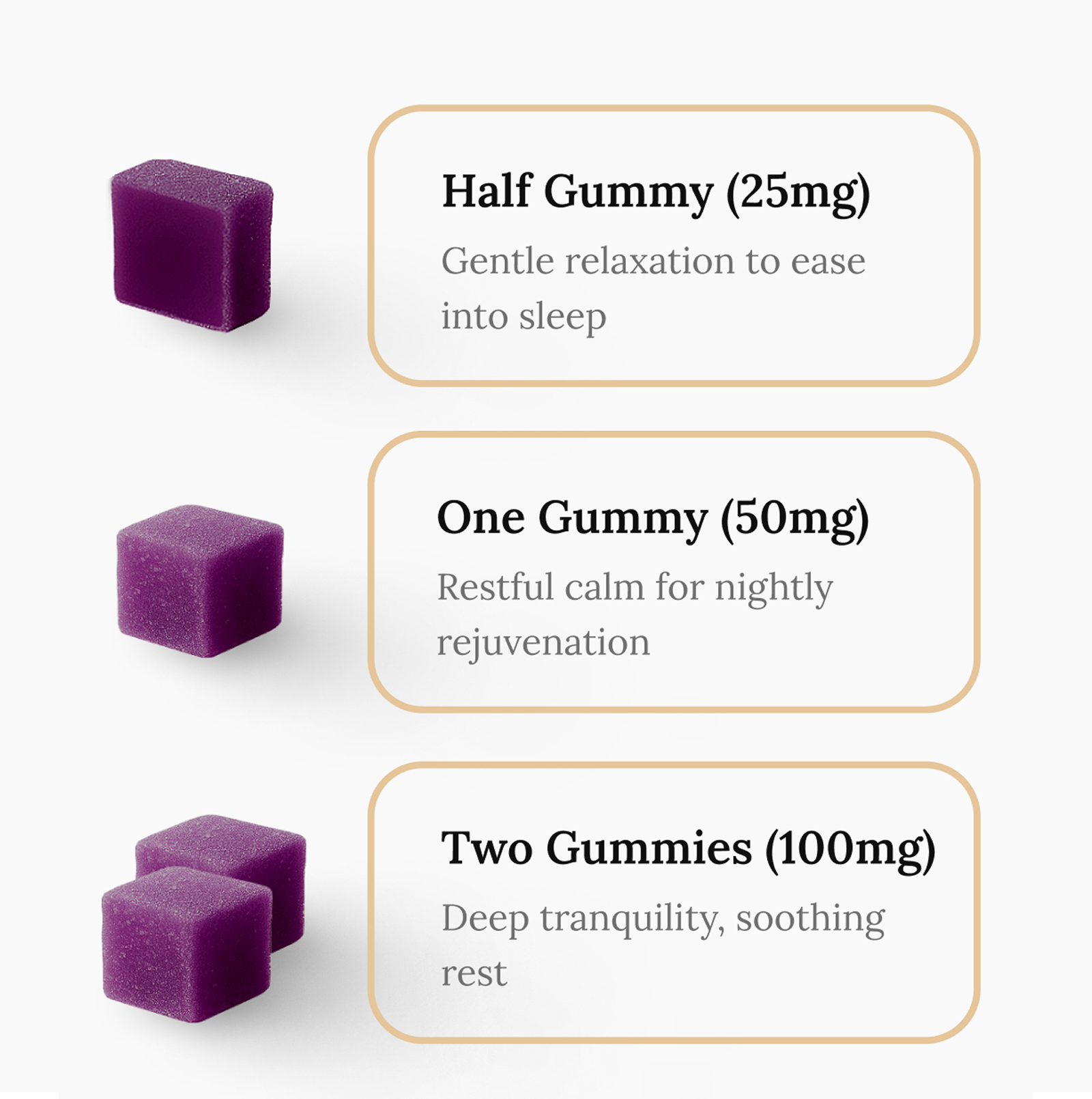
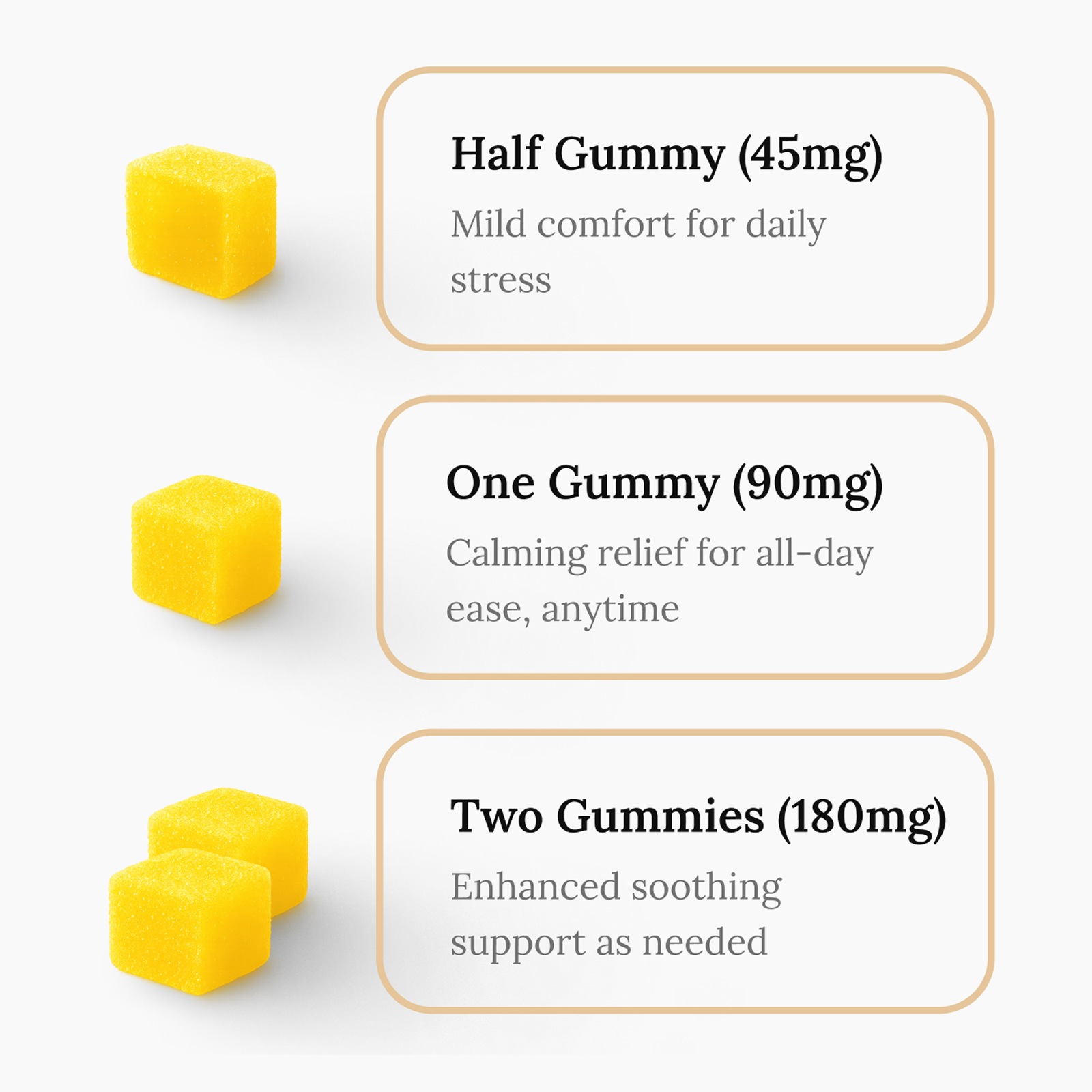
To combat the effects of poor sleep on stress, consider utilizing natural sleep aids. Products like sleep gummies and mushroom gummies are popular among those seeking a peaceful night's rest.
Breaking the Cycle: What to Prioritize First
So, should you focus on reducing stress or improving sleep? The answer lies in addressing both simultaneously. Here's a starting plan:
- Prioritize Sleep Hygiene: Establish a consistent bedtime routine, create a restful environment, and limit exposure to screens before bedtime.
- Practice Relaxation Techniques: Incorporate stress-relief activities into your daily routine, such as yoga, meditation, or journaling.
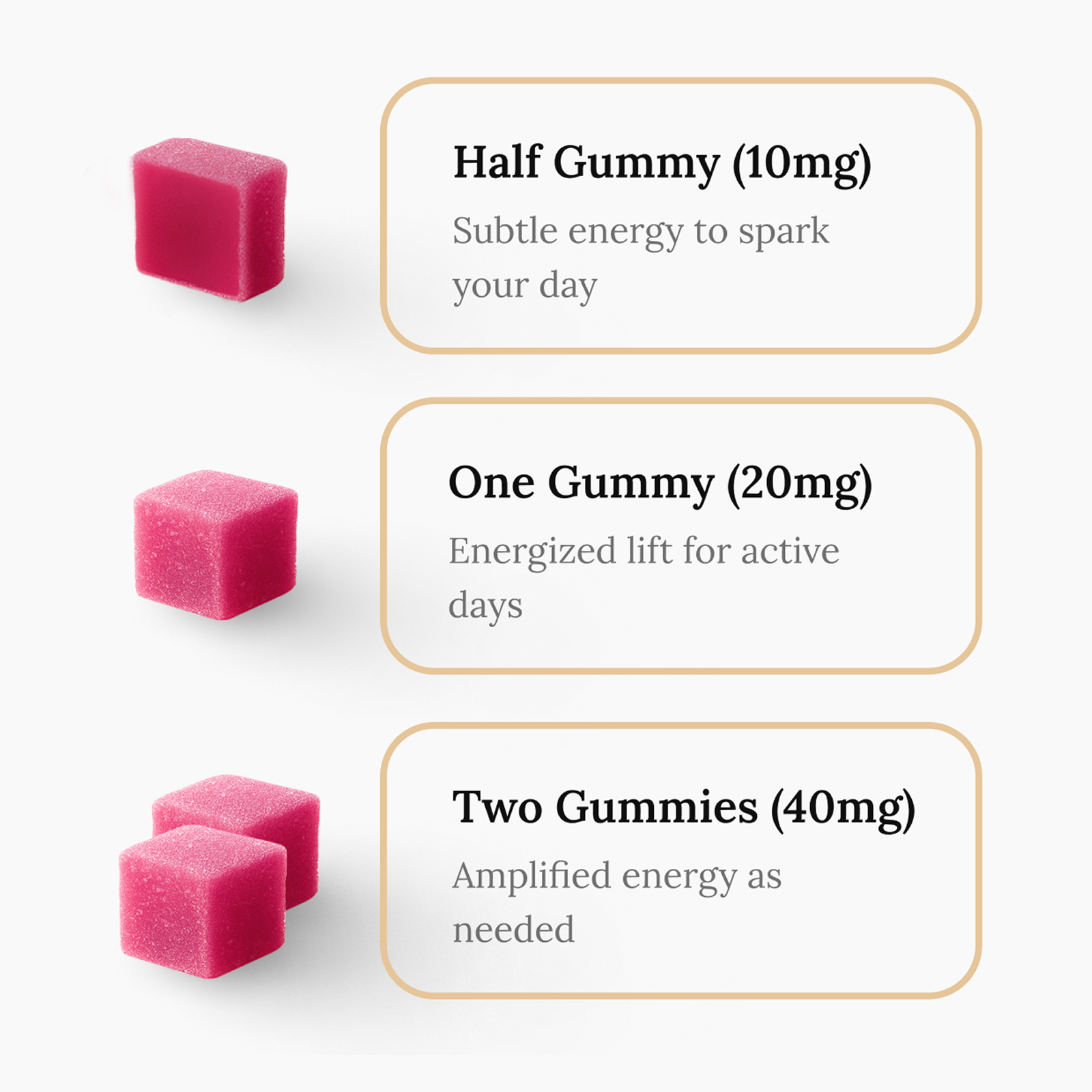
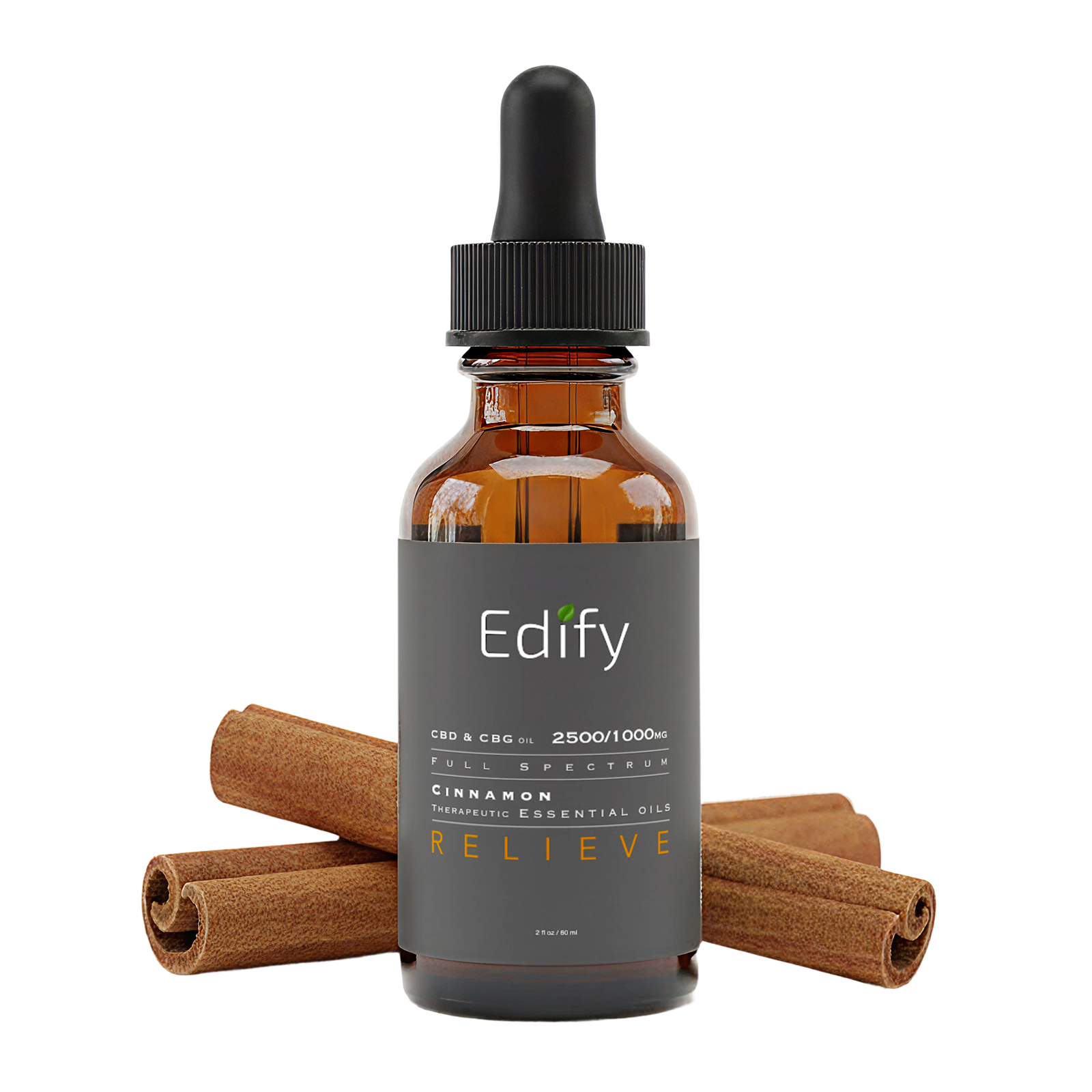
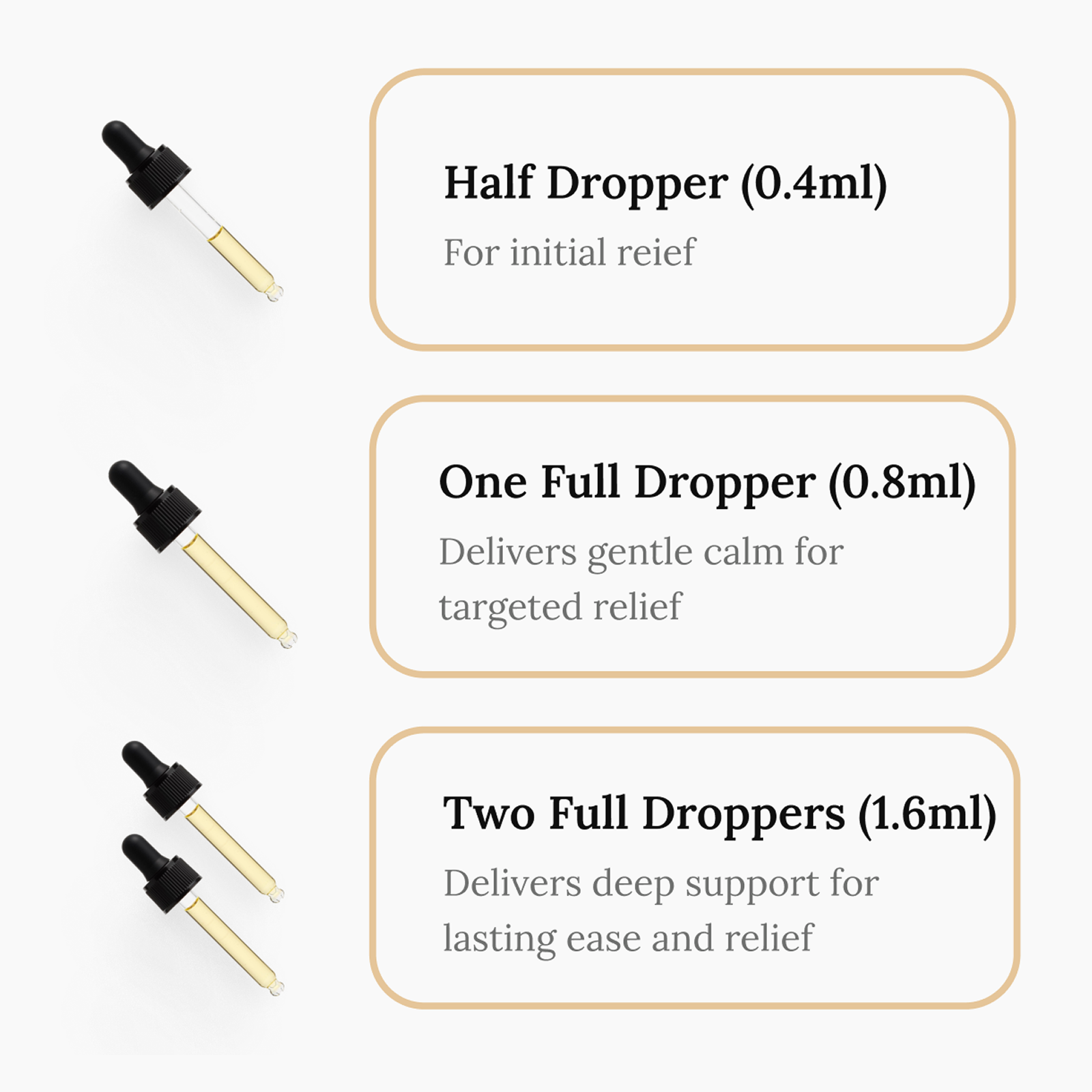
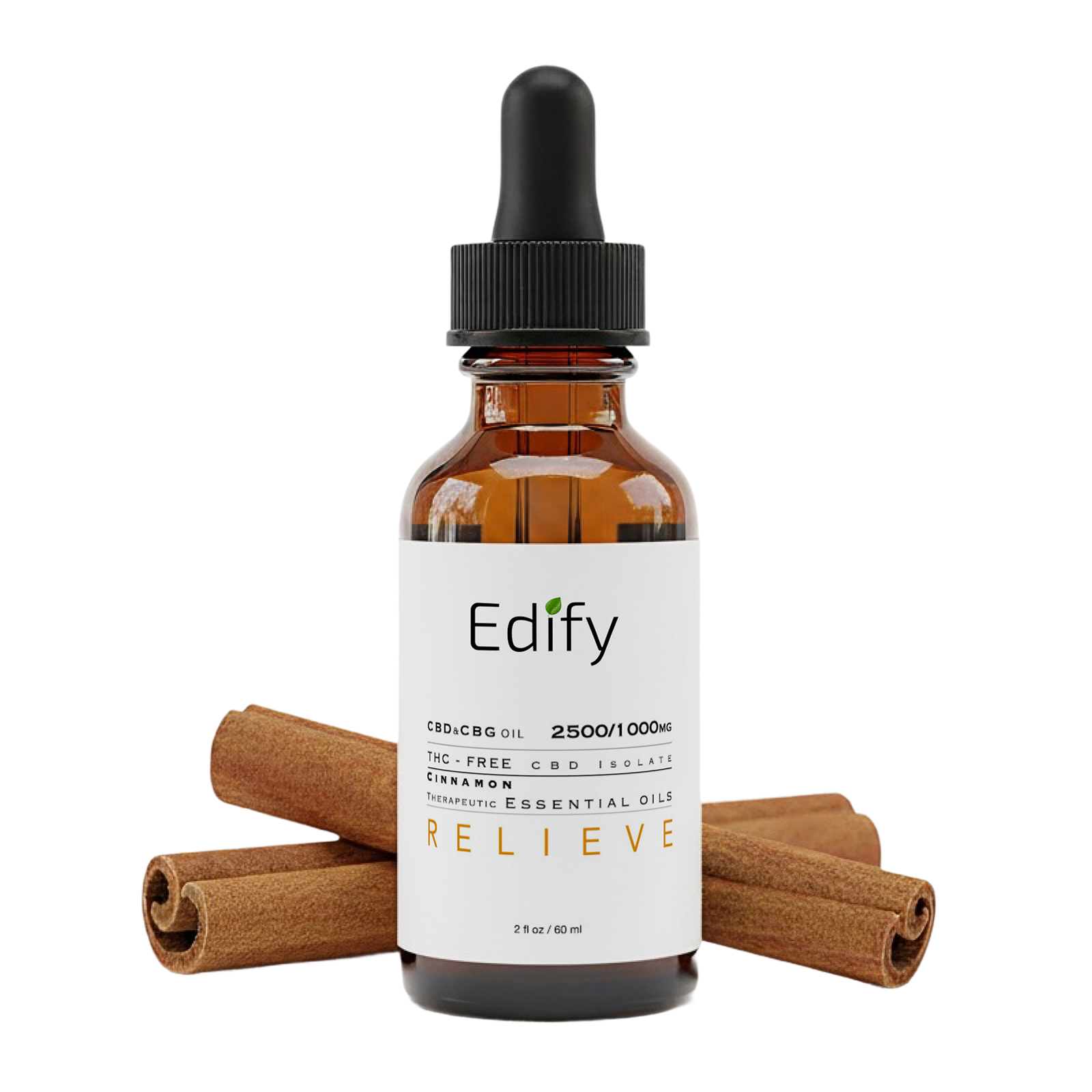
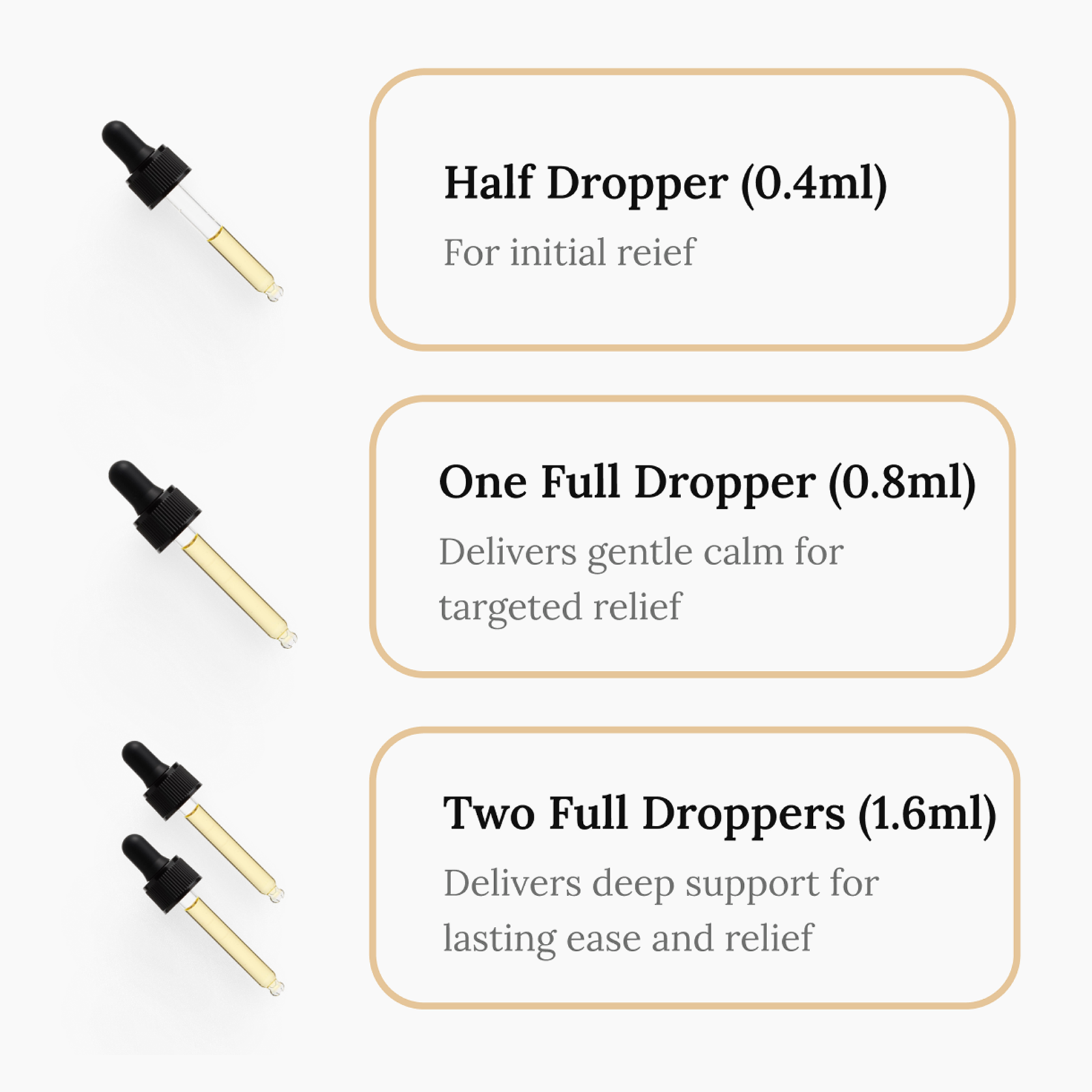
- Consider Natural Supplements: Products like thc free cbd oil or mood boost supplement can offer additional support for both stress and sleep.
- Seek Professional Help: If stress or sleep problems persist, it may be beneficial to consult with a healthcare provider for individualized guidance and treatment options.
Breaking the cycle of stress and sleep disruption is achievable with a proactive approach and the right resources. Remember, taking steps towards improving your sleep will likely alleviate stress, and vice versa, creating a positive feedback loop that enhances overall health and well-being.
















Share:
Resetting Your Circadian Rhythm To Beat Jet Lag
Understanding Alcohol's Impact on Deep Sleep and Healthy Alternatives